When I started planning my kitchen renovation last year, I knew I wanted that warm, welcoming country aesthetic. But here’s what I quickly learned: choosing the right faucet for a country kitchen isn’t just about picking something that looks rustic. You need a fixture that can handle real cooking demands while capturing that cozy farmhouse feel. After months of research, testing different styles in my own home, and learning from plenty of mistakes, I’ve gathered some insights that I wish someone had shared with me from the start.
Understanding What Makes a Faucet “Country Style”
Country kitchen faucets have a distinct personality that sets them apart from their modern counterparts. When I first started shopping, I realized these fixtures typically feature graceful, arched spouts that remind me of old farmhouse pumps. The finishes tend toward warmer tones like oil-rubbed bronze, brushed nickel, or even vintage-inspired copper. What really drew me in was how these designs balance nostalgic charm with contemporary functionality.
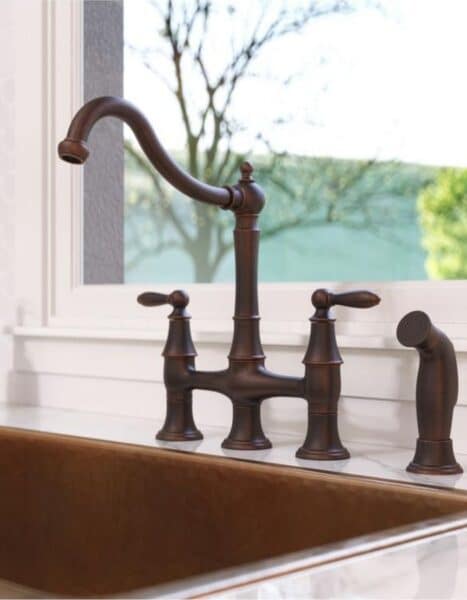
I discovered that authentic country faucets often include details like cross handles or lever designs that evoke traditional water pumps. Some even incorporate bridge-style construction, where the hot and cold supply lines connect above the deck. These architectural elements aren’t just for show, though they certainly add visual interest. They actually provide better stability and easier maintenance than some sleeker designs I’d considered.
The beauty of country-style faucets is their versatility. Whether your kitchen leans toward French provincial, English cottage, or American farmhouse, you can find fixtures that complement your specific vision. I ended up choosing a design with vintage-inspired details but modern internal components, giving me the best of both aesthetics and performance.
Pairing Your Faucet with Farmhouse Sinks
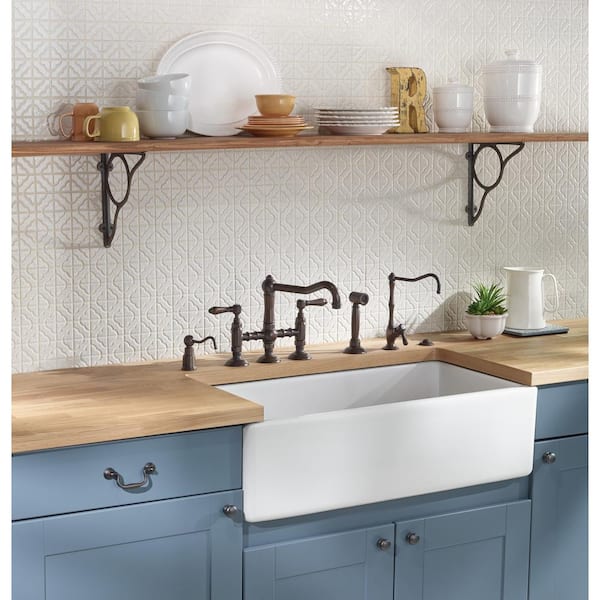
One of my biggest “aha” moments came when I realized that country faucets and farmhouse sinks are practically made for each other. These deep, apron-front sinks sit lower than standard countertop sinks, which means you need a faucet with enough height and reach to function properly. I made the mistake of falling in love with a shorter faucet initially, only to discover it would barely clear my sink’s rim.
For my own installation, I went with a high-arc faucet that stands about 16 inches tall. This height gives me plenty of clearance for filling large pots and washing oversized baking sheets, something I do constantly. The extended spout reach is equally important because farmhouse sinks are deeper front-to-back than typical sinks. You want that water stream hitting the center of your basin, not splashing against the back wall.
I also learned to consider the faucet’s visual weight relative to your sink. My 33-inch farmhouse sink is substantial, so I needed a faucet with enough presence to balance it visually. A delicate, understated fixture would have looked out of proportion. The chunky, traditional styling of my country faucet creates harmony between these two essential kitchen elements.
Finish Options That Enhance Country Charm
Choosing the right finish was honestly one of the most agonizing decisions I faced. I spent weeks looking at samples, holding them up to my cabinets, and second-guessing myself. Oil-rubbed bronze was my first instinct because it has that gorgeous, aged patina that screams country elegance. The dark, mottled finish hides water spots beautifully, which matters when you’re cooking three meals a day like I do.
Brushed nickel became a close second choice for me because it offers warmth without going too dark. It’s incredibly forgiving when it comes to fingerprints and watermarks, something I wish I’d prioritized more with my cabinet hardware. Some of my friends have chosen polished brass or unlacquered copper for their country kitchens, and while these develop a natural patina over time, they require more maintenance than I was willing to commit to.
I ultimately went with oil-rubbed bronze, and two years later, I’m still thrilled with the decision. The finish has developed even more character as it’s aged, with lighter bronze tones showing through in the high-use areas. This living finish actually enhances the country aesthetic rather than detracting from it, making the faucet look like a treasured piece that’s been in the kitchen for generations.

Functional Features You Actually Need
Pretty as they are, country faucets need to work hard in a busy kitchen. I learned this lesson when my beautiful first choice didn’t have a pull-down sprayer, something I now consider essential. The sprayer I have now extends about 20 inches from the base, letting me rinse every corner of my farmhouse sink and even fill pots on the stovetop when needed.
The spray functions matter more than I initially realized. Mine has three settings: a standard aerated stream for everyday washing, a powerful spray for stuck-on food, and a pause feature that stops the water flow temporarily. That pause button saves me constantly when I’m switching between tasks. Some country-style faucets also offer a pot-filling feature, which is a dedicated high-flow spout, but I found the pull-down sprayer handled this job perfectly well.
Water flow rate is another practical consideration that I almost overlooked. My faucet delivers 1.8 gallons per minute, which hits the sweet spot between adequate pressure and water conservation. Some models go as low as 1.5 GPM, which might leave you waiting forever to fill a stockpot. Check local regulations too, as some areas have restrictions on maximum flow rates that could affect your choices.
Installation Considerations and Sink Compatibility
I’ll be honest, I hired a plumber for my installation, and I’m glad I did. Country kitchen faucets often require different mounting configurations than standard faucets. Mine needed three holes in the countertop: one for the spout and two for the hot and cold supply lines. If your sink or counter only has one hole, you’ll need either a deck plate to cover additional holes or a single-hole faucet design.
The spacing of those holes matters tremendously. Standard spacing is typically 8 inches center-to-center, but I’ve seen country faucets that require anywhere from 4 to 16 inches. Measure your existing holes carefully before ordering, or if you’re installing a new counter, make sure your fabricator knows the specific requirements of your chosen faucet. I almost had to return my first selection because of a spacing mismatch.
Consider what’s happening behind and below your sink, too. Some country faucets have larger mounting hardware or connection points that might not fit in tight spaces. I have a garbage disposal on one side of my sink and limited cabinet space, so my plumber had to get creative with the supply line routing. Also, think about whether you want a deck-mounted faucet or a wall-mounted option, which can create a stunning focal point but requires different rough-in plumbing.

Maintenance and Longevity Tips
Taking care of my country kitchen faucet has been surprisingly straightforward, but I’ve learned a few tricks along the way. For daily cleaning, I just wipe it down with a soft cloth after use to prevent water spot buildup. Once a week, I clean it more thoroughly with warm water and mild dish soap, avoiding abrasive cleaners that could damage the finish. This simple routine keeps it looking as good as the day it was installed.
The aerator, that little screen at the tip of the spout, needs attention every few months. I unscrew it, rinse away any mineral deposits, and soak it in white vinegar if there’s significant buildup. This five-minute task ensures consistent water flow and pressure. I also check the connections under the sink periodically for any signs of moisture or loose fittings, especially after the first few weeks of use when things can settle.
Quality matters enormously when it comes to longevity. I invested in a faucet with a solid brass body and ceramic disc valves, which are far more durable than plastic components. The manufacturer offered a lifetime warranty, which gave me confidence in the purchase. Two years in, I haven’t had a single drip or issue. My sister bought a cheaper country-style faucet, and she’s already replaced it once. Sometimes paying more up front saves money and frustration down the line.

What’s the ideal height for a country kitchen faucet?
For most farmhouse sinks, I recommend a faucet that’s at least 14 to 16 inches tall, measured from the counter to the highest point of the spout. This gives you enough clearance for large pots and makes everyday tasks easier. If you have a particularly deep sink or frequently wash oversized items, consider going even taller, but make sure it still fits under any cabinets or shelving above.
Do country-style faucets cost more than modern designs?
In my experience, pricing varies widely based on quality rather than style. I’ve seen country faucets ranging from $150 to over $1,000. The mid-range options around $300 to $500 typically offer excellent quality with solid brass construction and reliable components. I’d suggest avoiding the cheapest options, as they often have plastic parts that wear out quickly, but you don’t necessarily need the most expensive model either.

Can I install a country faucet on a standard sink?
Absolutely! While country faucets pair beautifully with farmhouse sinks, I’ve seen them look stunning on standard drop-in and undermount sinks too. Just make sure your sink has the correct number and spacing of mounting holes, and that the faucet’s spout height and reach work with your sink’s dimensions. Sometimes you might need a deck plate to cover unused holes and create a cohesive look with the country aesthetic.
How do I match my faucet finish to other kitchen fixtures?
I coordinated my faucet with my cabinet hardware, light fixtures, and appliances, but perfect matching isn’t necessary. Mixing finishes can actually add depth and interest to a country kitchen. My approach was to keep metals in the same tone family, like warm bronzes and coppers together, or cool silvers and nickels. I made sure my dominant finish appeared in at least three places throughout the room for visual cohesion.

Are country kitchen faucets difficult to keep clean?
They’re actually easier to maintain than I expected. Textured finishes like oil-rubbed bronze hide water spots and fingerprints naturally, requiring less frequent cleaning than polished chrome. I wipe mine down daily with a soft cloth and deep clean weekly with gentle soap and water. The traditional styling with fewer crevices and modern details makes cleaning straightforward compared to some ornate vintage reproductions I considered.
Will a country-style faucet work in a contemporary kitchen?
This depends on your personal taste, but I’ve seen it done successfully when there’s a transitional element bridging the styles. If your contemporary kitchen has warm wood tones, natural stone, or vintage-inspired accents, a country faucet can add unexpected character. Choose one with cleaner lines and a simpler silhouette rather than highly ornate details, and opt for brushed nickel or matte black finishes that lean more transitional between styles.

Bridge Style Kitchen Faucet

Country Kitchen Collection
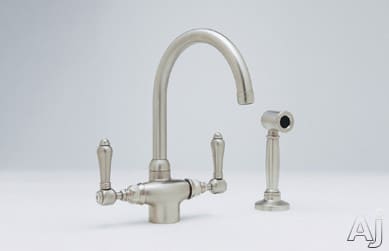
Country Kitchen Faucet
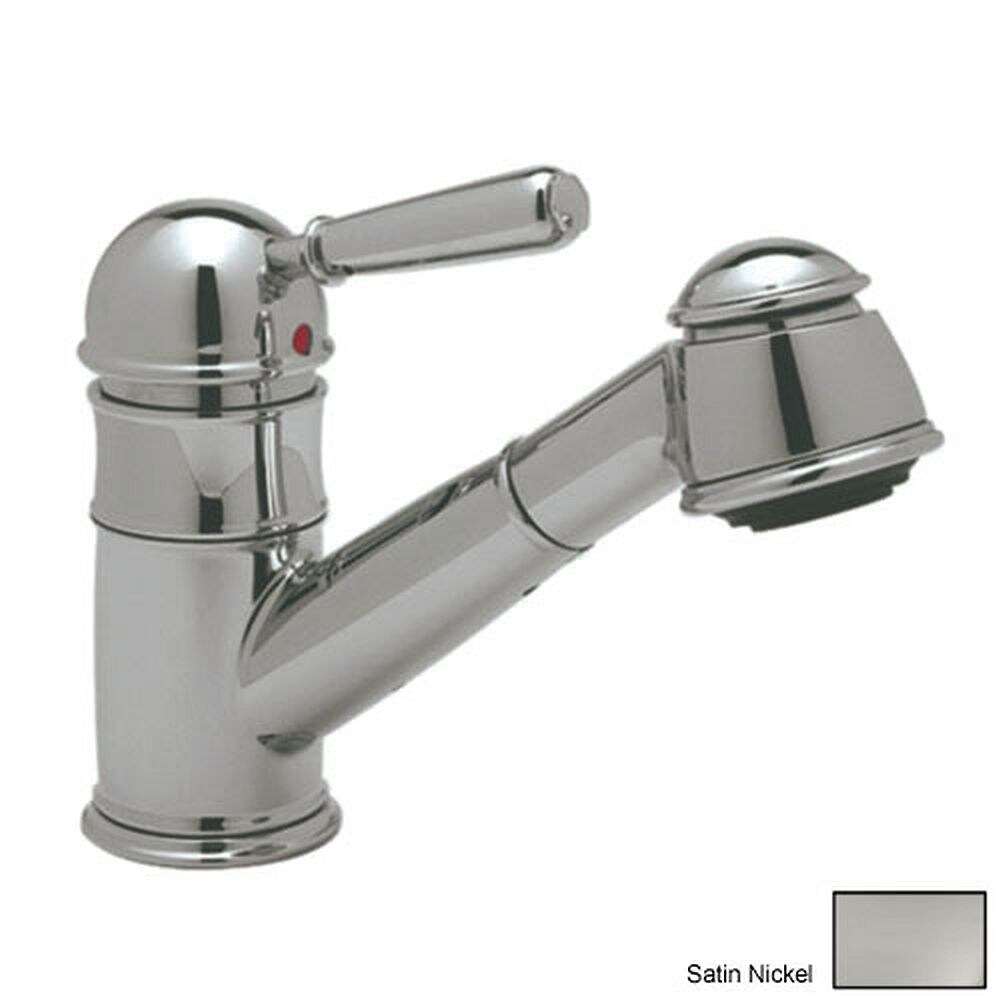
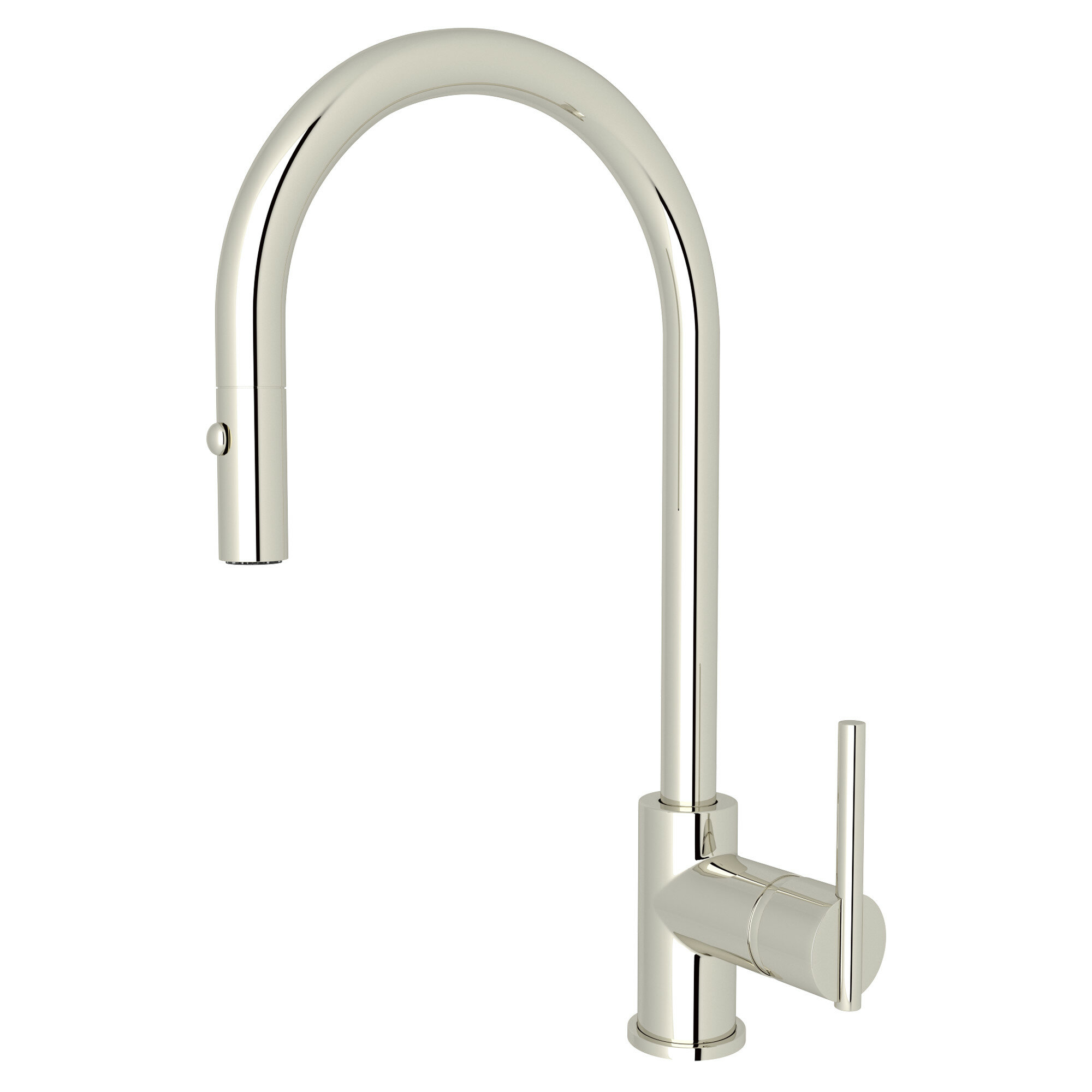
Pirellone Pull-Down Single Handle Kitchen Faucet
Related Posts: