When I started renovating my 1890s Victorian home’s kitchen last spring, I knew the faucet would be more than just a practical fixture; it needed to honor the home’s history while working for my modern lifestyle. I spent months researching Victorian-style faucets, visiting showrooms, and scrolling through online catalogs trying to find that perfect balance between authentic period detail and contemporary functionality.
The faucet I finally chose has transformed my kitchen into a space that feels both historically respectful and genuinely livable. It’s become one of my favorite design elements, and I’m constantly getting questions from visitors about where I found it and how it performs in daily use.
Understanding Authentic Victorian Faucet Design
Victorian faucets have such a distinctive character that sets them apart from modern designs. When I started my search, I learned that authentic Victorian-era faucets featured separate hot and cold water handles, often with porcelain or ceramic cross handles marked with “H” and “C” in elegant script. The spouts were typically bridge-style, meaning the handles and spout are connected by a horizontal bar that sits above the sink deck. This design was both decorative and functional, allowing the plumbing connections to be visible as part of the aesthetic.
I became fascinated by the intricate details that define Victorian style, the ornate metalwork, decorative escutcheons, and often a high-arc gooseneck spout. These faucets were statement pieces in their era, showcasing craftsmanship and the homeowner’s attention to quality.
The finishes were typically polished brass, copper, or nickel, materials that developed a beautiful patina over time. Learning this history helped me understand what to look for and what details would make my faucet feel authentically Victorian rather than just old-fashioned.
The challenge I faced was finding a faucet that captured these Victorian elements while incorporating modern conveniences like ceramic disc valves and proper water pressure control.
I didn’t want a reproduction that looked the part but functioned poorly, nor did I want something so modernized that it lost all historical character. This balance became my guiding principle as I narrowed down my options, and it’s advice I’d give anyone attempting to blend period style with contemporary needs.
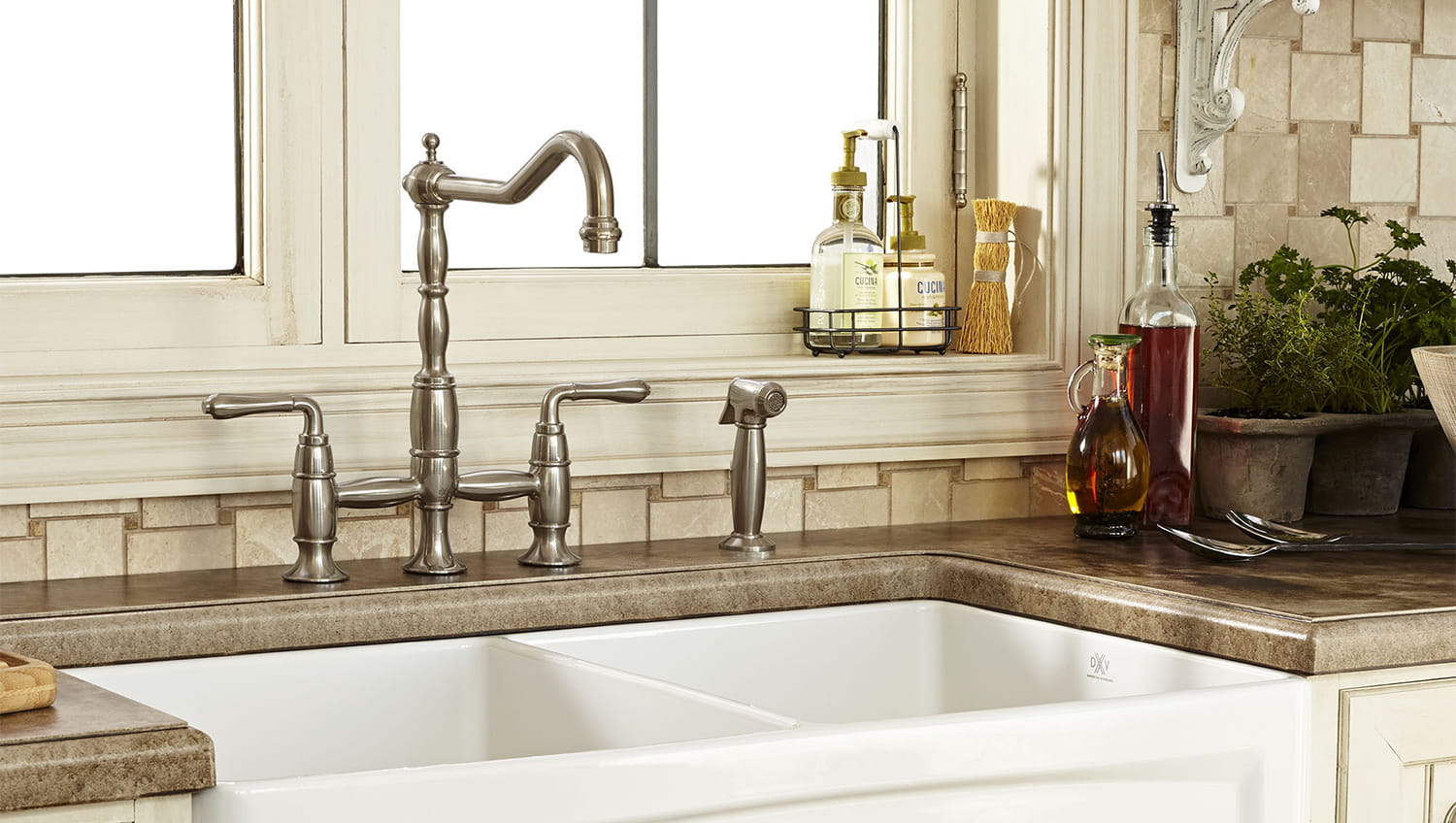
Choosing the Right Finish for My Victorian Kitchen
Selecting the finish for my Victorian faucet was harder than I expected because each option created a completely different mood in my kitchen. I initially leaned toward polished brass, which felt like the most historically accurate choice. Brass was the premium finish in Victorian times, and it has that warm, golden glow that adds instant elegance. However, I worried about the maintenance since unlacquered brass requires regular polishing to prevent tarnishing, though some people love that evolving patina.
I ended up choosing an oil-rubbed bronze finish, and it’s been absolutely perfect for my space. The dark, matte bronze has subtle highlights that catch the light without being too shiny or attention-grabbing. It coordinates beautifully with my cabinet hardware and light fixtures, creating a cohesive look throughout the kitchen. The finish also hides water spots and fingerprints remarkably well, which matters when you’re using your faucet dozens of times daily for cooking, cleaning, and general kitchen tasks.
I also seriously considered polished nickel and chrome options, both of which can work beautifully in Victorian kitchens depending on your overall design scheme. Polished nickel has a softer, warmer tone than chrome and was actually used in upscale Victorian homes. Chrome is more of a later addition, but it can work if you’re going for a lighter, brighter aesthetic. My advice is to get samples of your top choices and look at them in your actual kitchen lighting, both natural and artificial, before making the final decision.
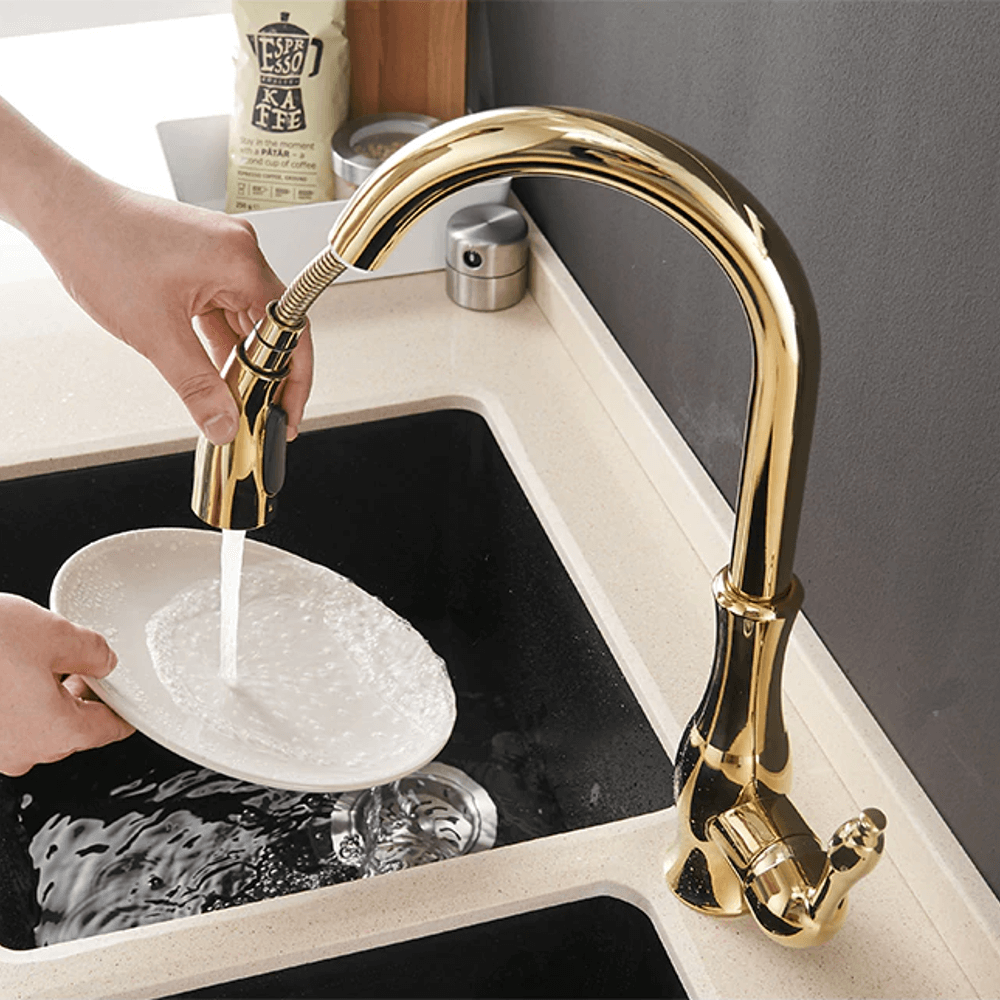
Bridge Faucets Versus Wall-Mount Options
One of my biggest decisions was choosing between a deck-mount bridge faucet and a wall-mount design. Bridge faucets sit on the counter or sink deck with the handles and spout connected by that characteristic Victorian bridge, while wall-mount faucets are installed directly into the wall above the sink. Both are period-appropriate, and both have distinct advantages and challenges that I had to weigh carefully against my specific situation and renovation budget.
I chose a deck-mount bridge faucet primarily because my kitchen didn’t have the proper rough-in plumbing for a wall-mount installation. Adding wall plumbing would have required opening walls, rerouting pipes, and significantly increasing my renovation costs. The bridge faucet gave me the Victorian aesthetic I wanted while working with my existing plumbing configuration. Installation was straightforward; my plumber had it done in about an hour, and it sits beautifully on my farmhouse sink deck.
Wall-mount faucets do have some advantages that almost swayed me. They free up counter space around your sink, make cleaning easier since there’s no faucet base to work around, and can create a stunning focal point, especially over a farmhouse or apron-front sink. If you’re doing a gut renovation and can plan for wall-mount plumbing from the start, it’s definitely worth considering. The dramatic look of a wall-mount Victorian faucet is hard to beat for pure visual impact in a period kitchen.

Evaluating Modern Features in Period-Style Faucets
This is where I really had to think carefully about my priorities. I wanted Victorian aesthetics, but I also needed modern functionality, reliability, and ease of use. The faucet I chose looks completely period-appropriate from the outside but incorporates ceramic disc valve technology inside, which provides smooth operation and prevents leaks far better than old compression valves. This hidden modern engineering has been crucial for daily satisfaction with my choice.
I also prioritized a faucet with a pull-down or pull-out sprayer hidden within the traditional design. Some Victorian-style faucets now integrate a separate side sprayer that matches the period aesthetic, which gives you modern convenience without compromising the look. Mine has a side sprayer with a ceramic handle that matches the main faucet handles perfectly. I use it constantly for rinsing dishes, washing vegetables, and cleaning the sink, and guests never realize it’s a modern addition.
Water pressure and flow rate were other practical considerations I couldn’t ignore. Victorian homes often had lower water pressure than modern plumbing systems, so authentic reproduction faucets sometimes restrict flow to match historical accuracy. I needed something that could handle my home’s water pressure without being too powerful or creating splashing problems. The faucet I selected has an aerator that provides good flow while preventing that aggressive spray that makes a mess; finding that balance was essential for daily usability.

Installation Challenges and Solutions
Installing my Victorian bridge faucet was more complex than I anticipated, even with professional help. The first challenge was the sink itself; I needed to ensure my farmhouse sink had the right number of holes drilled in the correct spacing for a bridge faucet. Standard bridge faucets require three holes, two for the handles and one for the spout, typically spaced eight inches apart on center. Measuring carefully before ordering was absolutely critical.
My plumber discovered that the water supply lines in my old house weren’t in the ideal position for the new faucet configuration. We had to use flexible supply lines and adjust the connection points, which added time and a bit of extra cost to the installation. If you’re working with an older home like mine, I’d strongly recommend having your plumber assess the situation before you purchase your faucet. Knowing about potential complications upfront saves stress and helps you budget appropriately.
The weight and size of Victorian-style faucets were another factor I hadn’t considered. These fixtures are substantially heavier than modern single-handle faucets, and the bridge design puts stress on the sink deck in a different way. My installer made sure the sink mounting was rock-solid and used additional support underneath to prevent any movement or future loosening. Taking these extra precautions during installation has kept my faucet secure and stable through months of heavy daily use.

Living with a Victorian Faucet Daily
Six months into living with my Victorian bridge faucet, I can honestly say it’s one of the best decisions I made during my kitchen renovation. The separate hot and cold handles took about a week to get used to after years of single-handle faucets, but now the operation feels natural and intuitive. There’s something satisfying about the deliberate action of turning those cross handles; it makes me slow down and be more present rather than rushing through kitchen tasks on autopilot.
The aesthetic impact exceeds what I imagined when I was just looking at showroom samples. The faucet has become the jewelry of my kitchen, drawing the eye and anchoring the entire design scheme. The oil-rubbed bronze finish catches morning sunlight streaming through my window, and the graceful curves of the spout and bridge create beautiful shadows and reflections throughout the day. It’s a functional sculpture that I genuinely appreciate every time I approach my sink.
Maintenance has been easier than I feared. I wipe down the faucet daily with a soft cloth to remove water spots and keep the bronze looking rich and clean. Once a month, I clean it more thoroughly with a mild soap solution, avoiding harsh chemicals that could damage the finish. The ceramic disc valves have performed flawlessly without any dripping or leaking. The only minor issue I’ve had is the aerator occasionally getting clogged with mineral deposits, but unscrewing and cleaning it takes just a few minutes and solves the problem immediately.

How much should I expect to pay for a quality Victorian-style kitchen faucet?
Quality Victorian-style faucets typically range from $300 to $800, depending on finish, brand, and features. I paid $525 for mine, which included the bridge faucet and matching side sprayer. Budget reproductions start around $200 but may lack durability. High-end options from specialty manufacturers can exceed $1,000. Factor in installation costs of $150-300 if hiring a plumber, especially in older homes requiring supply line adjustments.
Are Victorian faucets difficult to use compared to modern single-handle designs?
There’s a brief adjustment period, maybe a week, but then operating separate hot and cold handles becomes second nature. I actually prefer it now because I have more precise temperature control. The main difference is using two hands instead of one, which feels more intentional and less rushed. If you have mobility issues affecting hand strength or dexterity, discuss this with your showroom consultant, as some Victorian designs are easier to operate than others.

Can I install a Victorian faucet on any sink?
Not necessarily. You need the correct number and spacing of holes for your chosen faucet. Bridge faucets typically require three holes spaced eight inches apart, though some need four if including a side sprayer. Measure your sink carefully or choose a faucet that matches your existing hole configuration. Some sinks have extra holes that can be covered with escutcheon plates if needed, but drilling new holes in certain sink materials isn’t advisable.
How do Victorian faucets hold up to daily family use?
Mine has been extremely durable through six months of heavy use. The ceramic disc valves and quality construction handle constant operation without issues. The finish has held up well to normal wear, though I’m careful to wipe it down regularly. For families with young children, Victorian faucets work fine, though kids may need help initially learning to operate two separate handles for temperature control rather than one lever.

Do I need special cleaning products for Victorian-style faucets?
I use only mild dish soap and water with a soft cloth for daily cleaning. Harsh chemicals, abrasive cleaners, and rough scouring pads can damage the finish, especially oil-rubbed bronze or brass. I avoid anything containing ammonia or bleach. For stubborn spots, a mixture of equal parts white vinegar and water works well, followed by immediate rinsing and drying. The gentle approach preserves the finish and keeps my faucet looking beautiful.
Will a Victorian faucet look out of place in a kitchen that’s not completely period-authentic?
Not at all! My kitchen blends Victorian elements with modern conveniences and contemporary touches. The Victorian faucet actually helps bridge those styles, adding character without making the space feel like a museum. The key is choosing complementary finishes for other fixtures and hardware. Victorian faucets work beautifully in transitional, farmhouse, and even industrial-style kitchens. Focus on overall cohesion rather than strict period accuracy unless that’s specifically your goal.

Victorian Pull-Down Kitchen Faucet – Amati Canada

Carbon Bronze by Dxv in Cincinnati, OH – Victorian

Related Posts: