When I inherited my great-aunt’s 1940s farmhouse kitchen three years ago, the first thing that caught my eye wasn’t the original cabinets or the charming subway tiles; it was the stunning chrome bridge faucet that commanded attention from the center of the room. That beautiful piece, with its graceful curves and substantial presence, sparked my passion for vintage kitchen faucets and sent me on a journey through decades of design evolution. I’ve since restored, installed, and lived with various vintage faucets, learning that these aren’t just functional fixtures but pieces of functional art that can transform an entire kitchen’s character while providing the reliability and performance modern cooks demand.
Understanding Different Vintage Faucet Styles
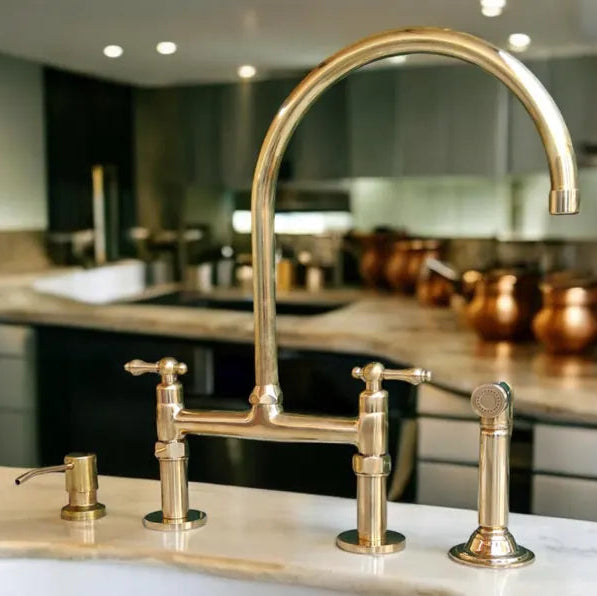
Bridge faucets from the early to mid-20th century remain my absolute favorite vintage style, and I’ve installed three different variations in various kitchen projects. These distinctive faucets feature separate hot and cold handles connected by an exposed bridge that spans across to the central spout, creating an architectural element that serves as both a function and a focal point. My 1930s Kohler bridge faucet in polished nickel became the centerpiece of my kitchen renovation, and I love how its substantial presence and elegant proportions complement both vintage and modern kitchen designs. The exposed plumbing adds visual interest and makes repairs much easier than concealed systems.
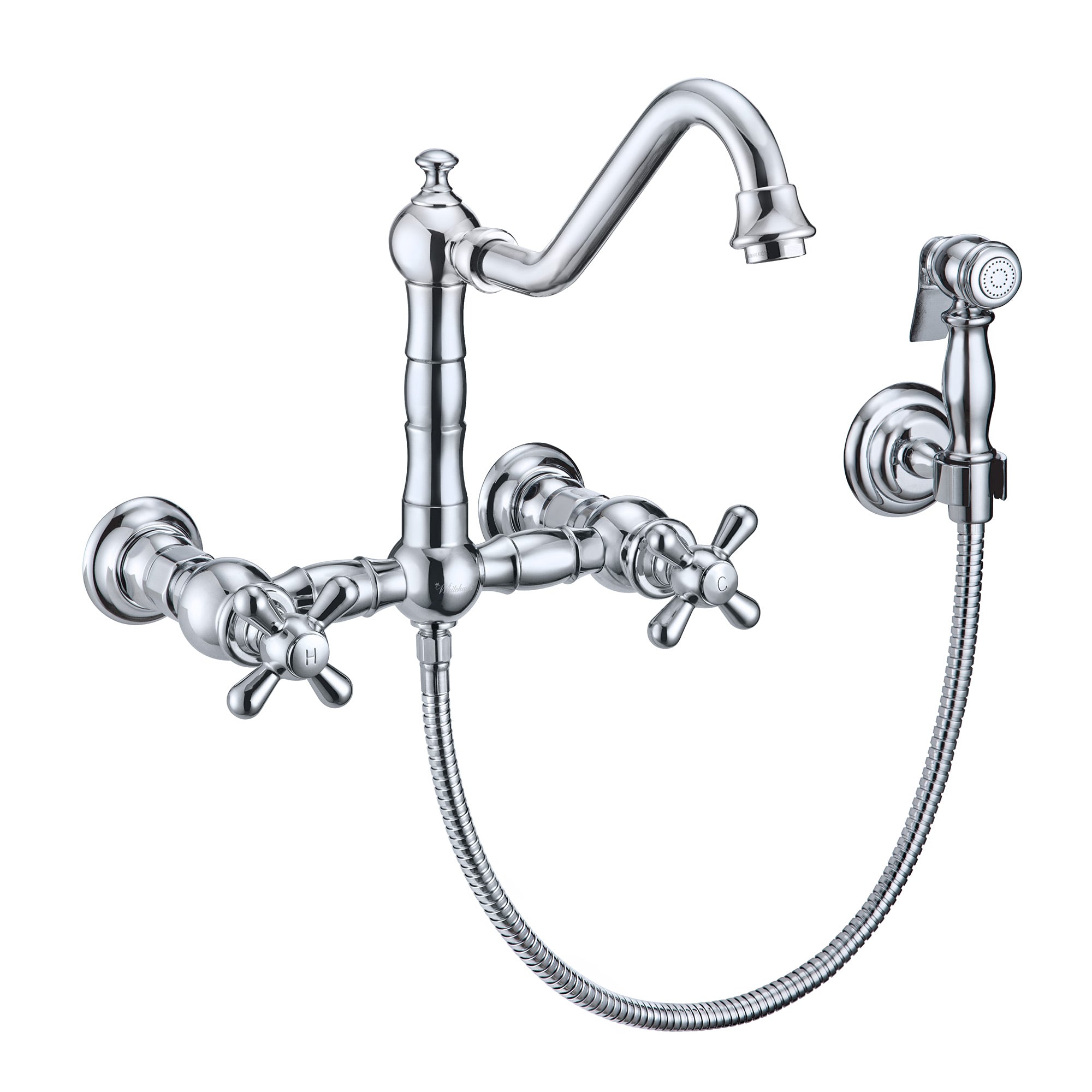
Wall-mounted vintage faucets offer unique advantages and stunning visual appeal that I discovered during a recent kitchen project. These faucets, popular in commercial kitchens and high-end residential spaces from the 1920s through 1950s, free up valuable counter space around the sink while creating a clean, uncluttered look. I installed a 1940s brass wall-mounted faucet with a swing-out spout that allows for easy pot filling and cleaning large items. The installation required careful planning to ensure proper height and reach, but the result is a kitchen that feels both spacious and authentically vintage.
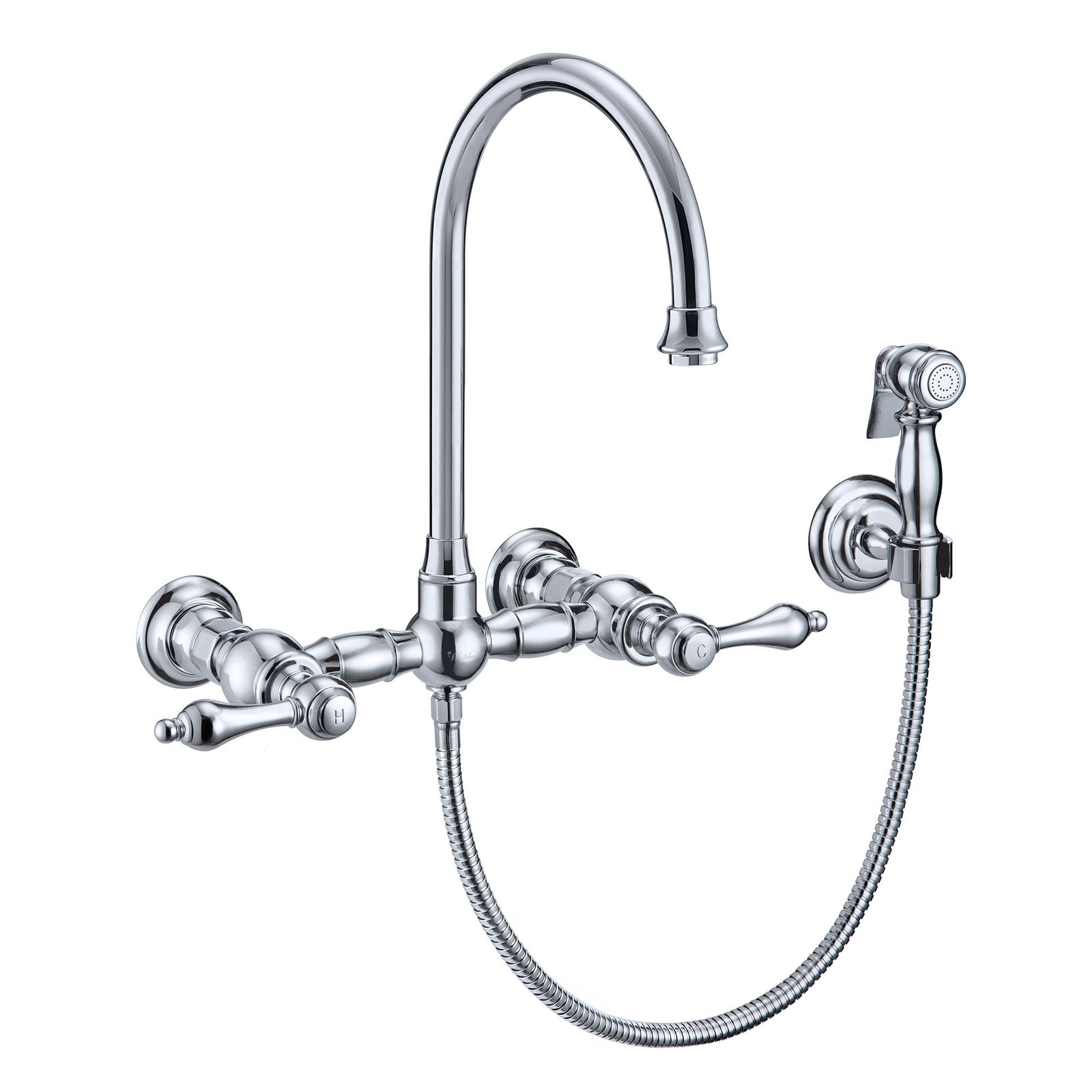
High-arc gooseneck faucets from the mid-century period combine elegant curves with practical functionality that modern kitchens still appreciate today. I found a gorgeous 1950s Delta gooseneck faucet at an estate sale that needed complete restoration, but its graceful silhouette and substantial construction made it worth every hour of work. These faucets typically feature a tall, curved spout that provides excellent clearance for large pots and dishes, making them as functional today as they were decades ago. The key is finding examples with the right proportions for your sink size and kitchen scale.
Sourcing Authentic Vintage Faucets
Estate sales and antique shops have become my weekend haunts in the search for authentic vintage faucets, and I’ve developed relationships with dealers who understand my passion for original pieces. The thrill of discovering a pristine 1940s faucet still in its original box, or finding a rare manufacturer’s model that perfectly matches my kitchen’s era, never gets old. I’ve learned to look beyond obvious antique stores and check with plumbing contractors, architectural salvage companies, and even old hardware stores that might have vintage stock gathering dust in back rooms. Some of my best finds have come from unexpected sources like garage sales and demolition sites.
Online marketplaces have opened up incredible opportunities for finding specific vintage faucet models, but they require careful evaluation and patience. I spend hours researching manufacturers, model numbers, and production years to ensure authenticity before making purchases. eBay, Facebook Marketplace, and specialized vintage plumbing sites have yielded some of my most treasured faucets, including a rare 1920s nickel-plated bridge faucet that became the star of my powder room renovation. I always request detailed photos of all components, ask about functionality, and factor in restoration costs when evaluating online purchases.
Building relationships with plumbing professionals and vintage restoration specialists has been invaluable for both finding faucets and getting expert advice on their condition and potential. I know several contractors who contact me when they encounter vintage fixtures during demolition projects, often saving beautiful pieces from the landfill. I’ve also connected with specialized restoration shops that can rebuild internal mechanisms, replate finishes, and source hard-to-find replacement parts. These professional relationships have not only helped me find great faucets but also ensured that my installations are done properly and safely.
Restoration and Refurbishment Techniques
Disassembling vintage faucets for restoration requires patience, the right tools, and a systematic approach that I’ve refined through years of experience. I always start by photographing the faucet from multiple angles before taking anything apart, creating a visual reference for reassembly. My restoration toolkit includes penetrating oils, brass brushes, fine steel wool, and specialized valve seat tools that help me address the most common issues in vintage faucets. I’ve learned that soaking corroded parts overnight in penetrating oil often saves components that initially appear beyond repair, and gentle persistence usually yields better results than aggressive force.
The internal mechanisms of vintage faucets often require complete rebuilding with new washers, O-rings, and packing materials to achieve reliable performance. I keep an extensive collection of vintage-style replacement parts because modern components don’t always fit properly or maintain the authentic operation feel. Companies like Chicago Faucets and Waterstone still manufacture parts compatible with many vintage models, and I’ve found that investing in quality restoration materials pays off in long-term reliability. The process of rebuilding a vintage faucet cartridge or compression valve teaches you to appreciate the solid engineering and quality materials used in earlier manufacturing.
Refinishing vintage faucet surfaces requires understanding the original finish and choosing appropriate restoration methods that preserve authenticity while improving function. I’ve successfully restored chrome, nickel, brass, and even rare finishes like pewter using various techniques from simple polishing to professional replating. For valuable or rare faucets, I always consult with professional refinishing services that specialize in vintage plumbing fixtures. However, many surface improvements can be achieved with careful polishing, appropriate cleaners, and protective coatings that maintain the vintage character while making the faucet suitable for daily use in a modern kitchen environment.
Installation Considerations and Challenges
Modern installation standards and vintage faucet configurations don’t always align perfectly, and I’ve learned to plan carefully for the modifications that vintage installations often require. Many vintage faucets were designed for different sink configurations, hole spacing, or mounting depths than contemporary standards. I work with experienced plumbers who understand these challenges and can adapt modern plumbing systems to accommodate vintage fixtures without compromising function or safety. Sometimes this requires custom mounting hardware, modified supply lines, or creative solutions that maintain the authentic appearance while meeting current plumbing codes.
Water pressure compatibility is a crucial consideration that I learned about the hard way during my first vintage faucet installation. Many older faucets were designed for different water pressure ranges than modern systems provide, and some vintage designs may not function properly with contemporary water pressure levels. I’ve installed pressure-reducing valves and flow restrictors when necessary to optimize performance and prevent damage to delicate vintage mechanisms. Understanding the original operating parameters of each faucet helps me create installation conditions that maximize both function and longevity.
Integrating vintage faucets with modern conveniences like dishwashers and garbage disposals requires careful planning and sometimes creative solutions. I’ve learned to position vintage faucets to work harmoniously with contemporary appliances while maintaining their authentic character and functionality. This might involve adjusting sink placement, modifying cabinet configurations, or adding supplementary fixtures that handle specific modern needs. The key is balancing authentic vintage style with the practical requirements of contemporary kitchen use, ensuring that the vintage faucet enhances rather than limits the kitchen’s functionality
Maintenance and Long-Term Care
Daily maintenance of vintage faucets differs significantly from caring for modern fixtures, and I’ve developed routines that keep my vintage pieces functioning beautifully for years. I use gentle cleaners specifically formulated for vintage finishes, avoiding harsh chemicals that can damage original plating or patina. My cleaning routine includes regular polishing with appropriate compounds, careful attention to mineral buildup around aerators and valves, and immediate attention to any signs of leaking or unusual operation. I’ve found that consistent, gentle care prevents many problems that could require major repairs or restoration work.
Seasonal maintenance tasks help preserve vintage faucets and prevent problems before they become serious issues. I perform quarterly inspections of all seals, gaskets, and moving parts, replacing worn components before they fail and cause water damage. During winter months, I’m particularly careful about protecting vintage faucets from freezing, as older materials and construction methods may be more vulnerable to temperature-related damage. I keep detailed maintenance records for each vintage faucet, tracking when parts were replaced, what restoration work was performed, and any ongoing issues that need monitoring.
Long-term preservation of vintage faucets requires understanding their limitations and adapting usage patterns when necessary. I’ve learned that some vintage faucets work better with specific water temperatures, pressure ranges, or usage frequencies than others. For particularly valuable or irreplaceable pieces, I sometimes install secondary modern faucets for heavy-duty tasks while reserving the vintage fixture for lighter use and visual impact. This approach allows me to enjoy the beauty and character of vintage faucets while ensuring their preservation for future generations. The key is finding the right balance between use and preservation that works for your lifestyle and priorities.
Pairing Vintage Faucets with Modern Kitchens
Successfully integrating vintage faucets into contemporary kitchen designs requires understanding how to balance authentic period character with modern functionality and aesthetics. In my current kitchen, I paired a 1940s bridge faucet with sleek quartz countertops and stainless steel appliances, creating an interesting dialogue between old and new that feels intentional rather than accidental. The key is treating the vintage faucet as a deliberate design choice rather than something that needs to be hidden or downplayed. I’ve found that confident mixing of eras often produces the most successful and personally satisfying results.
Color coordination and finish selection play crucial roles in successfully integrating vintage faucets with modern elements. I’ve learned that brass and bronze vintage faucets work beautifully with warm modern finishes like brushed gold or oil-rubbed bronze hardware, while chrome and nickel vintage pieces complement contemporary stainless steel and brushed nickel fixtures. When working with bold vintage finishes, I often keep other elements more neutral to let the faucet be the star of the show. The goal is to create harmony rather than perfect matching, allowing each element to contribute to the overall design story.
Lighting considerations become particularly important when showcasing vintage faucets as design elements in modern kitchens. I’ve installed task lighting that highlights the beautiful details and finishes of my vintage faucets, treating them almost like sculptural elements. Under-cabinet lighting, pendant lights over islands, and even small accent lights can dramatically enhance the visual impact of a vintage faucet while providing practical illumination for kitchen tasks. The interplay between light and the reflective surfaces of polished vintage fixtures creates depth and interest that purely functional lighting cannot achieve, making the vintage faucet an integral part of the kitchen’s overall ambiance and character.

How do I know if a vintage faucet is worth restoring versus buying a reproduction?
I evaluate several factors when making this decision. First, I examine the construction quality, looking for solid brass or bronze construction versus plated pot metal that may not be worth restoring. Original manufacturer marks, unique design features, and rarity also influence my decision. If the faucet has good bones with quality materials and interesting character, restoration is often worthwhile. However, heavily damaged pieces or common models might be better replaced with quality reproductions that offer vintage style with modern reliability.
Are vintage faucets reliable for daily kitchen use?
Absolutely, when properly restored and maintained. I’ve used vintage faucets as my primary kitchen fixtures for years without reliability issues. The key is thorough restoration of all internal components, using quality replacement parts, and regular maintenance. Many vintage faucets were built with superior materials and craftsmanship compared to budget modern fixtures. However, I always have them professionally evaluated and restored to ensure they meet current safety and performance standards before daily use.
What should I expect to pay for vintage faucet restoration?
Costs vary significantly based on the faucet’s condition, rarity, and required work. Simple cleaning and re-washing might cost $100-200, while complete restoration with refinishing can run $300-800 or more for premium pieces. I factor in the faucet’s value, uniqueness, and my attachment to it when deciding on restoration budgets. Sometimes I do basic restoration work myself to save costs, but I always use professionals for complex internal rebuilding or refinishing work that requires specialized skills and equipment.
Can vintage faucets be installed to meet modern plumbing codes?
Yes, with proper installation techniques and modifications when necessary. I work with plumbers experienced in vintage fixtures who understand how to adapt modern supply systems to vintage faucets safely and legally. This might involve pressure regulation, updated shut-off valves, or modified mounting systems, but skilled professionals can usually find compliant solutions. Some jurisdictions have specific requirements for vintage fixtures, so I always check local codes before installation to avoid any compliance issues.
How do I find replacement parts for vintage faucets?
I’ve built a network of sources over the years, including specialty plumbing suppliers, vintage restoration companies, and online dealers who focus on vintage fixtures. Companies like Chicago Faucets, Waterstone, and several specialized vintage parts suppliers still manufacture components for many classic models. I also keep an inventory of common parts like washers, O-rings, and packing materials. Sometimes parts need to be custom-manufactured, but most vintage faucets can be kept functional with patience and the right resources.
What’s the best way to clean and maintain vintage faucet finishes?
Different finishes require specific care routines that I’ve learned through experience and research. For chrome and nickel, I use gentle polishing compounds and soft cloths, avoiding abrasives that can damage the plating. Brass and bronze finishes benefit from specialized metal cleaners and protective waxes. I clean vintage faucets weekly with appropriate products, immediately wipe up water spots, and perform monthly deeper cleaning and polishing sessions. The key is consistent, gentle care rather than aggressive cleaning that can damage irreplaceable vintage finishes.

Dual Handle Entertainment/Prep Faucet with Short
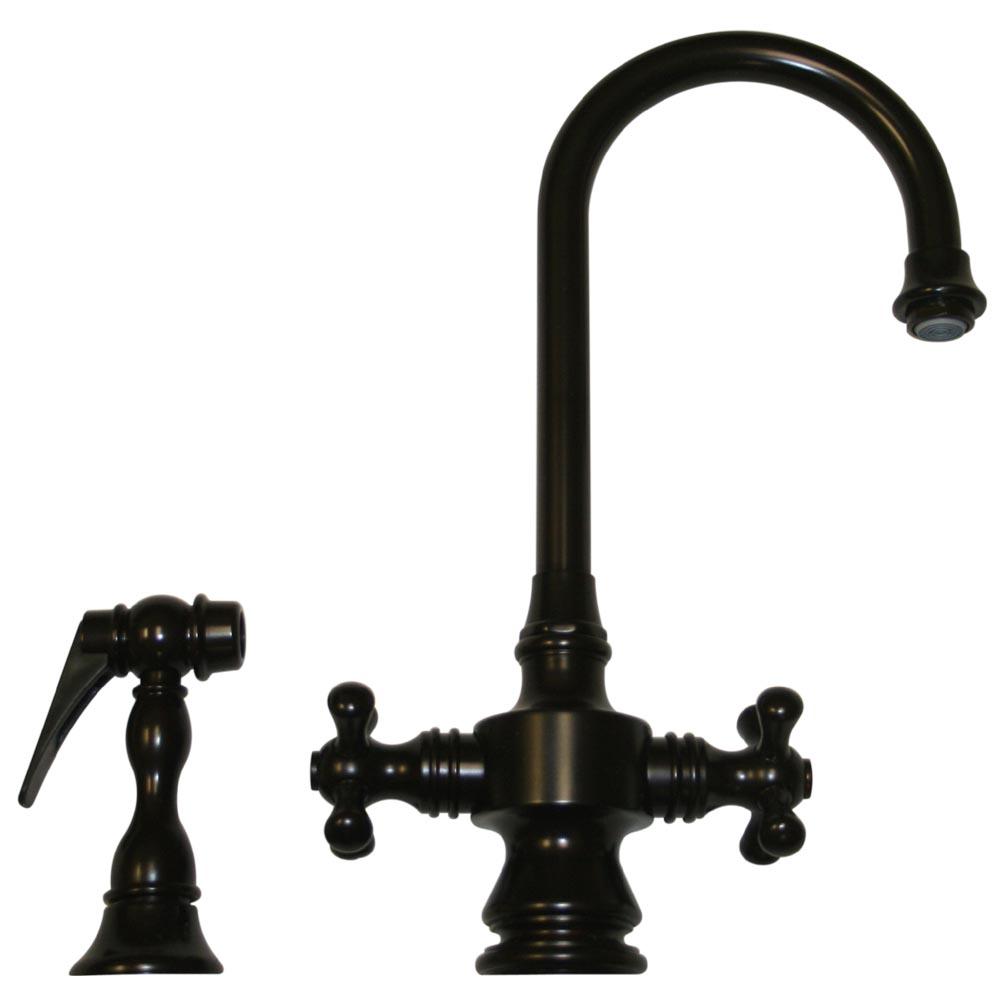
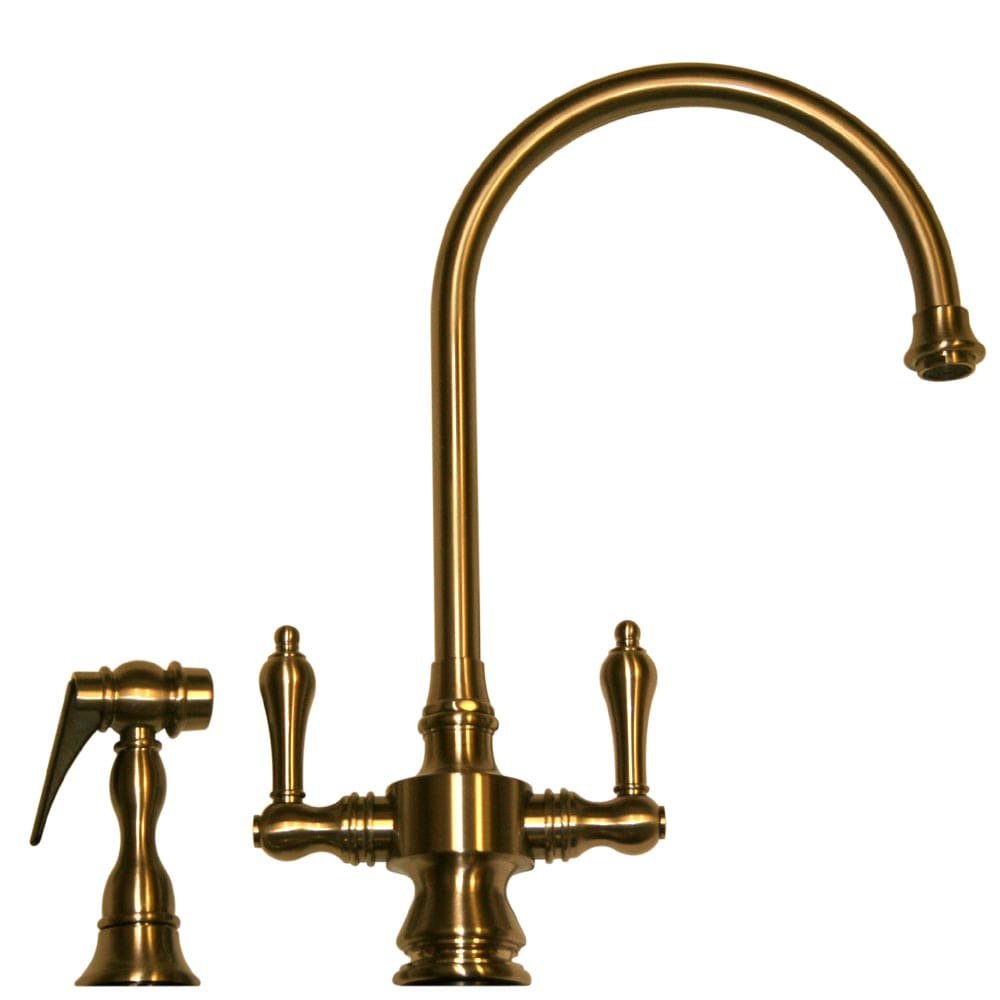
Vintage Long Spout Side Sprayer Kitchen Faucet in
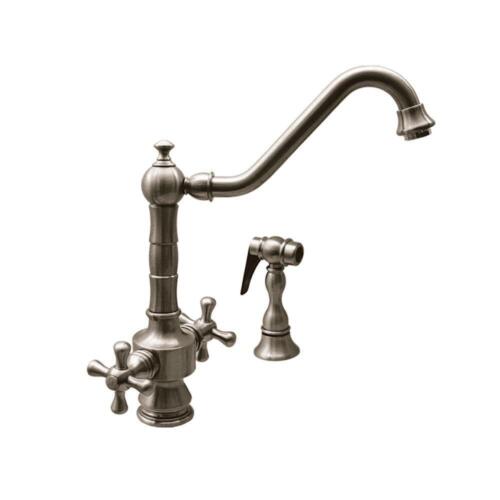
Antique Copper Vintage Kitchen Faucet
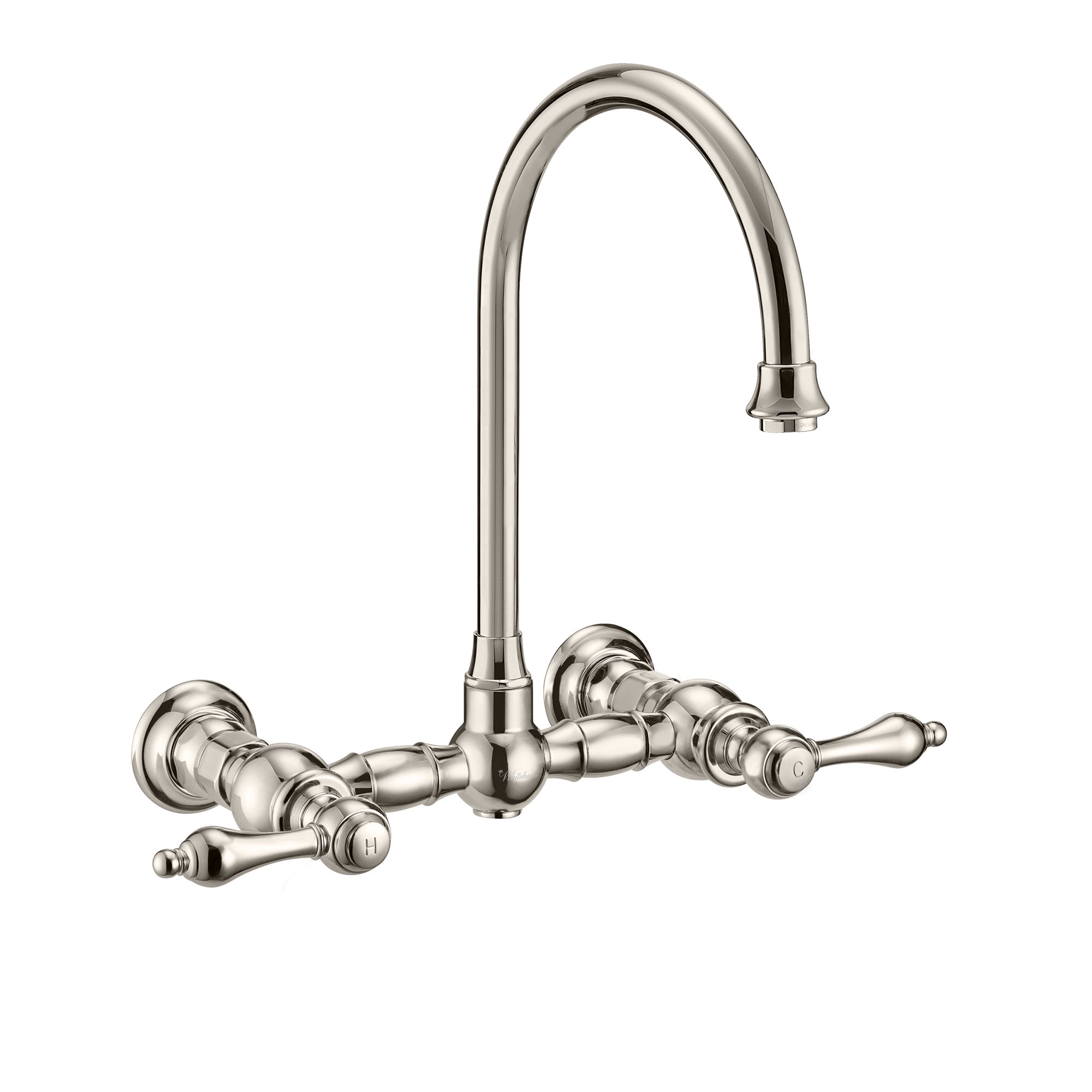
Wall Mount Faucet with a Long Gooseneck Swivel
Related Posts: