When I first brought a vintage-style kitchen table into my home, I didn’t expect it to become the heart of the entire space. It wasn’t just a surface for meals; it was where conversations stretched late into the night, where I spread out cookbooks, and where family gathered. The charm of a vintage table lies in its imperfections, the small details that make it feel like it has a story to tell. That’s what makes it more than just furniture; it feels like part of the home itself.
Why I Chose a Vintage Style Table
The first reason I went with a vintage style table was the atmosphere it created. Modern pieces can be sleek and practical, but they often feel a bit impersonal. A vintage table, even if it’s a reproduction, brings warmth and character. Mine has slightly uneven legs and a few scratches, but those details only make me appreciate it more. Every time I sit down, it feels welcoming rather than formal.
Another reason was durability. Many vintage-inspired tables are crafted from solid wood rather than composite materials. When I tested mine by knocking on the surface, it felt sturdy in a way that lighter, modern tables didn’t. I wanted something that could handle years of daily use, from busy breakfasts to weekend baking sessions, without worrying about it wobbling.
I also loved how it became an instant conversation starter. Guests often notice the style first, especially the turned legs and worn finish. It feels unique, unlike something mass-produced. That individuality was a big selling point for me because it helped set the tone for the rest of my kitchen.
Picking the Right Shape and Size
One of the first choices I had to make was the shape of the table. Round tables have a cozy feel, perfect for smaller kitchens, while rectangular ones fit larger families or anyone who loves hosting. I ended up with a rectangular table because it made sense for my space, but I’ll admit I was tempted by a round pedestal table for its charm.
Size was another big consideration. I measured the kitchen more times than I can count, making sure I’d have enough room to walk around without bumping into chairs. A good rule I followed was leaving at least three feet of space between the table and walls or counters. That way, it feels comfortable and not crammed, even when all the chairs are filled.
Extendable tables are another great option. A friend of mine found a vintage-inspired drop-leaf table, and it works perfectly for her small space. She keeps it compact for daily use and extends it when guests come over. That flexibility is something I wish I’d considered earlier, especially since cottage-style kitchens are often on the smaller side.
Choosing a Finish That Fits
The finish of a vintage-style table can completely change its feel. Light wood tones keep things airy and casual, while darker finishes add a sense of tradition. My table has a weathered oak top with white painted legs, which strikes a nice balance between rustic and fresh. It instantly brightened my kitchen while still feeling timeless.
Painted finishes also bring character. I’ve seen tables in soft blues and creams that look straight out of a farmhouse kitchen. The best part is that a painted table is easy to refresh if you ever want a new look. A friend painted her table sage green, and it gave the whole space new life without the cost of a new piece.
Another detail to consider is how forgiving the finish is. Distressed or weathered tables hide scratches and stains better than polished ones. With kids in the house, I knew I didn’t want something too perfect. Every new mark blends in, almost as if it were always meant to be there, which makes the table even more inviting.

Mixing Old and New Chairs
One thing I’ve learned is that you don’t have to match your chairs exactly to your vintage table. In fact, mixing styles often looks more natural. I paired mine with a mix of ladder-back chairs and two upholstered end chairs, and it created a collected look that felt less staged.
Mismatched chairs can also be budget-friendly. I picked up a couple of chairs at a flea market, painted them, and now they blend beautifully with the rest. It’s a fun way to add personality without spending too much. The charm of vintage style is that it doesn’t have to look uniform.
Comfort matters too. While wooden chairs look authentic, adding cushions can make long dinners more comfortable. I sewed slipcovers for mine, which not only added softness but also gave me a chance to bring in extra color. It’s those little details that make the space feel personal.
Making It Practical for Daily Life
As much as I love the look, I needed my table to stand up to everyday life. That meant choosing something that could handle spills, scratches, and the occasional hot dish placed without a trivet. I use a simple wax polish every few months to protect the surface, and it’s kept the table in great shape.
Durability is also about sturdiness. A vintage-style table should feel solid when you lean on it. I tested mine before buying by giving it a slight shake to see if it wobbled. The last thing I wanted was a table that felt unstable during dinner. That little test saved me from bringing home a less reliable option.
Practicality also comes down to size. I like that my table is big enough for family meals, but not so large that it overwhelms the space. It’s a fine balance, but when you get it right, the table feels like it belongs instead of taking over.
Adding Personality to the Table
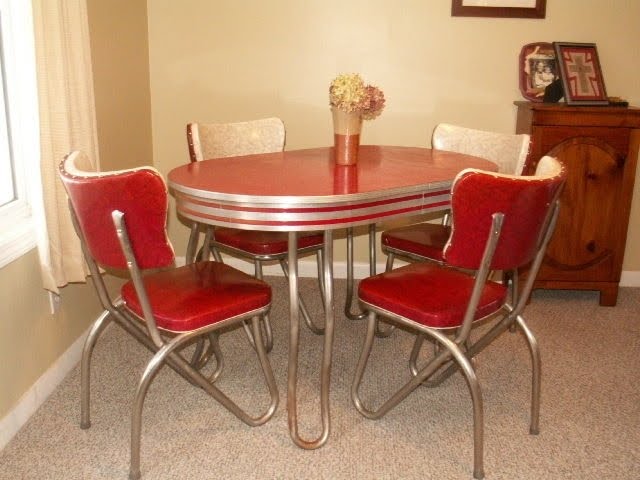
The fun part about a vintage-style table is how easily you can dress it up. I often keep a vase of fresh flowers in the center, which instantly brightens the room. Even something as simple as a woven placemat or a linen table runner adds charm. The table acts as a canvas for seasonal touches, whether it’s pumpkins in the fall or sprigs of greenery in winter.
I also enjoy setting the table even when it’s just me. Using ceramic dishes, cloth napkins, and simple candles makes everyday meals feel special. A vintage table encourages that kind of slowing down, reminding me to enjoy the moment instead of rushing through dinner.
Another personal touch is displaying small imperfections proudly. A scratch from moving a serving platter or a dent from a dropped pan doesn’t ruin the table, it adds to its story. Those marks remind me of shared meals and laughter, and that’s what makes the table so meaningful.

Are vintage style kitchen tables durable?
Yes, especially when made from solid wood. Mine has held up to years of daily use, from hot dishes to spills. I give it a light wax polish a few times a year to protect the surface. The sturdiness of these tables often surpasses lighter, modern ones, and I find they actually improve with age, as little marks and scratches add character rather than taking away from the look.
Do I need to match the chairs to the table?
Not at all. In fact, mixing chairs can make the setup feel more natural and collected. I paired different wooden chairs with upholstered end seats, and it feels unique. Mismatched flea market finds painted in similar tones also work well. The vintage look thrives on a bit of imperfection, so you have freedom to get creative without worrying about everything matching perfectly.
What finishes work best in a kitchen?
That depends on the mood you want. Lighter finishes keep the space bright and casual, while darker tones add a traditional feel. Painted finishes in soft colors also look charming and can easily be updated with a fresh coat. Personally, I chose a weathered oak top with painted legs, which blends rustic character with a fresh look that brightens my kitchen every day.
Are vintage tables kid-friendly?
Yes, I’ve found them very forgiving. Scratches and marks don’t ruin the look; they blend right in. I have kids, and spills wipe up easily on a waxed or sealed surface. A distressed or weathered table is especially kid-friendly since new marks look intentional. With a little routine care, these tables can handle the daily chaos of a busy family kitchen without stress.
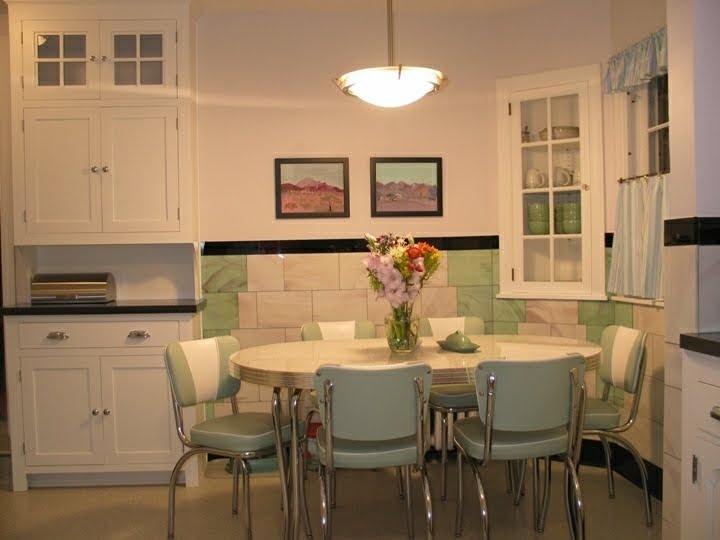
Do vintage style tables fit in small kitchens?
They do, especially if you choose the right shape. Round or drop-leaf tables work well for compact spaces, while rectangular tables fit longer, narrow rooms. Measuring carefully is important. I made sure to leave at least three feet of clearance around mine, which keeps the space comfortable. Even in smaller kitchens, a vintage table can be the star without feeling overwhelming.
Are they expensive compared to modern tables?
Not necessarily. True antiques can be pricey, but many vintage-inspired tables are affordable and built with solid craftsmanship. I bought mine secondhand, which saved money and gave me a piece with character. Thrift stores, flea markets, and online marketplaces are great places to look. With a little patience, you can find a vintage style table that fits your budget.
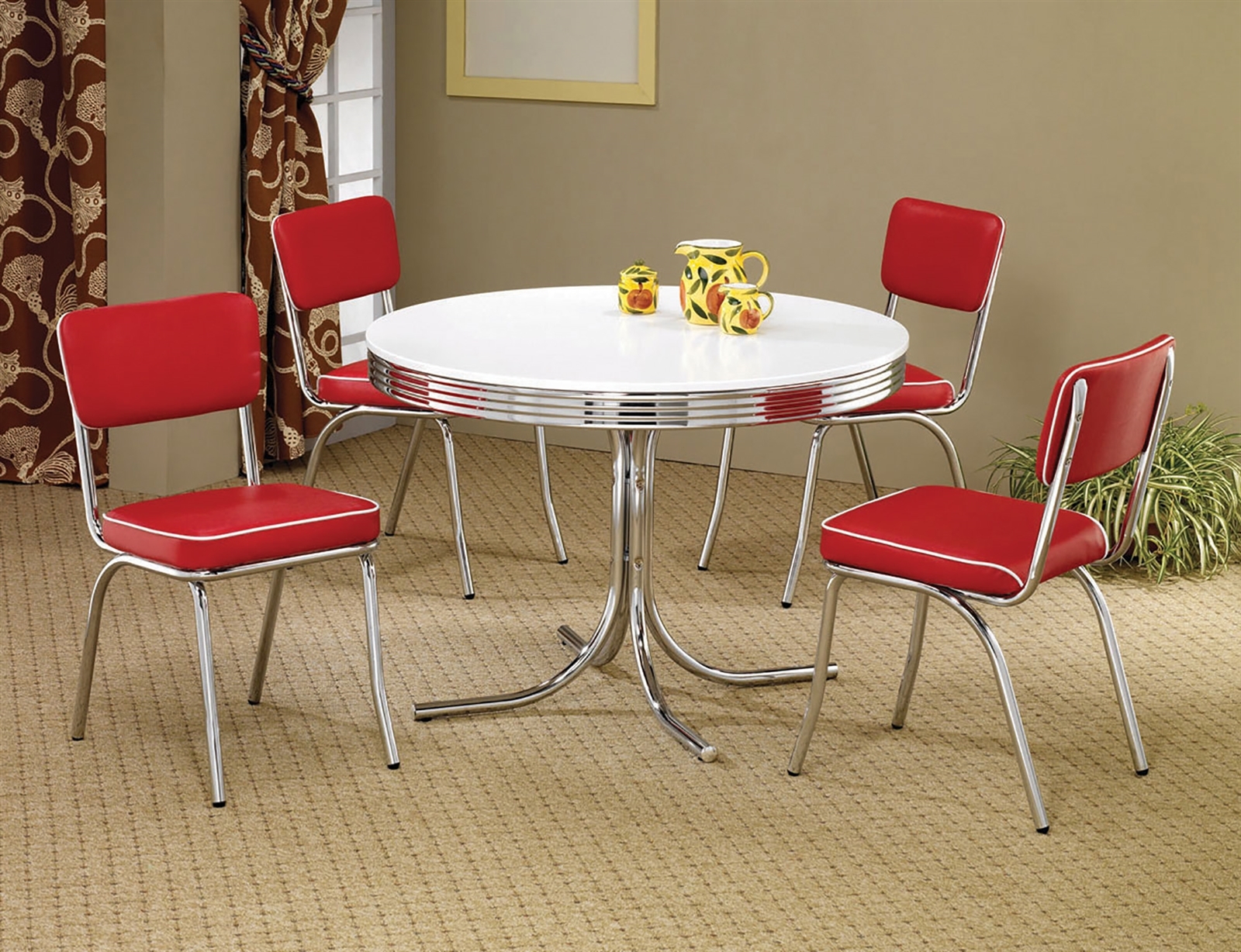
Retro Kitchen Table And Chairs
Liberty Furniture Chesapeake Relaxed Vintage Rectangular Dining

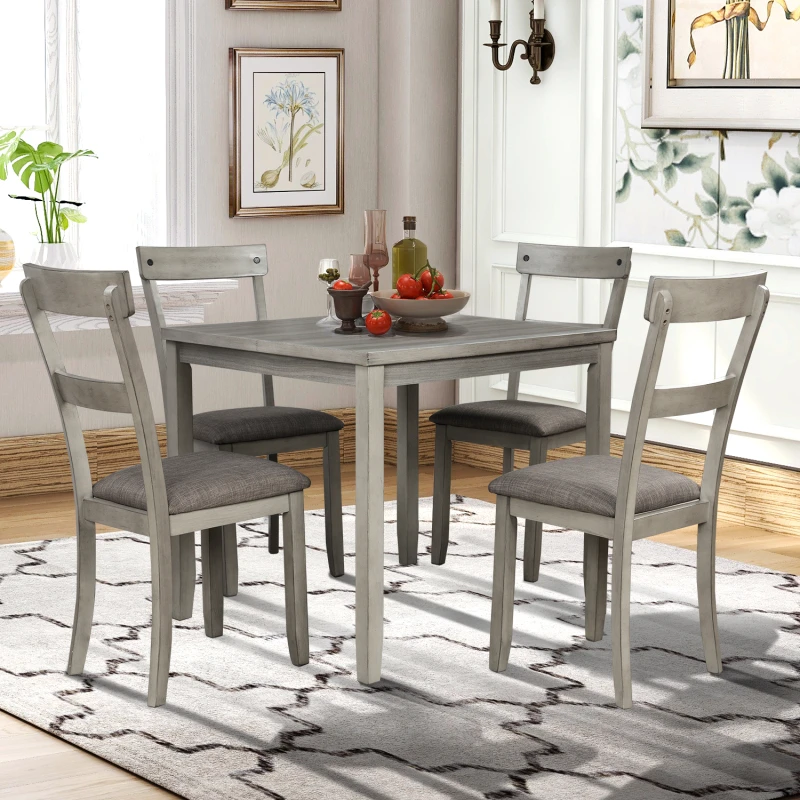
5 Piece Dining Table Set Industrial Wooden Kitchen Table and 4 Chairs for Dining Room (Light Grey)Vintage Style Dining Furniture
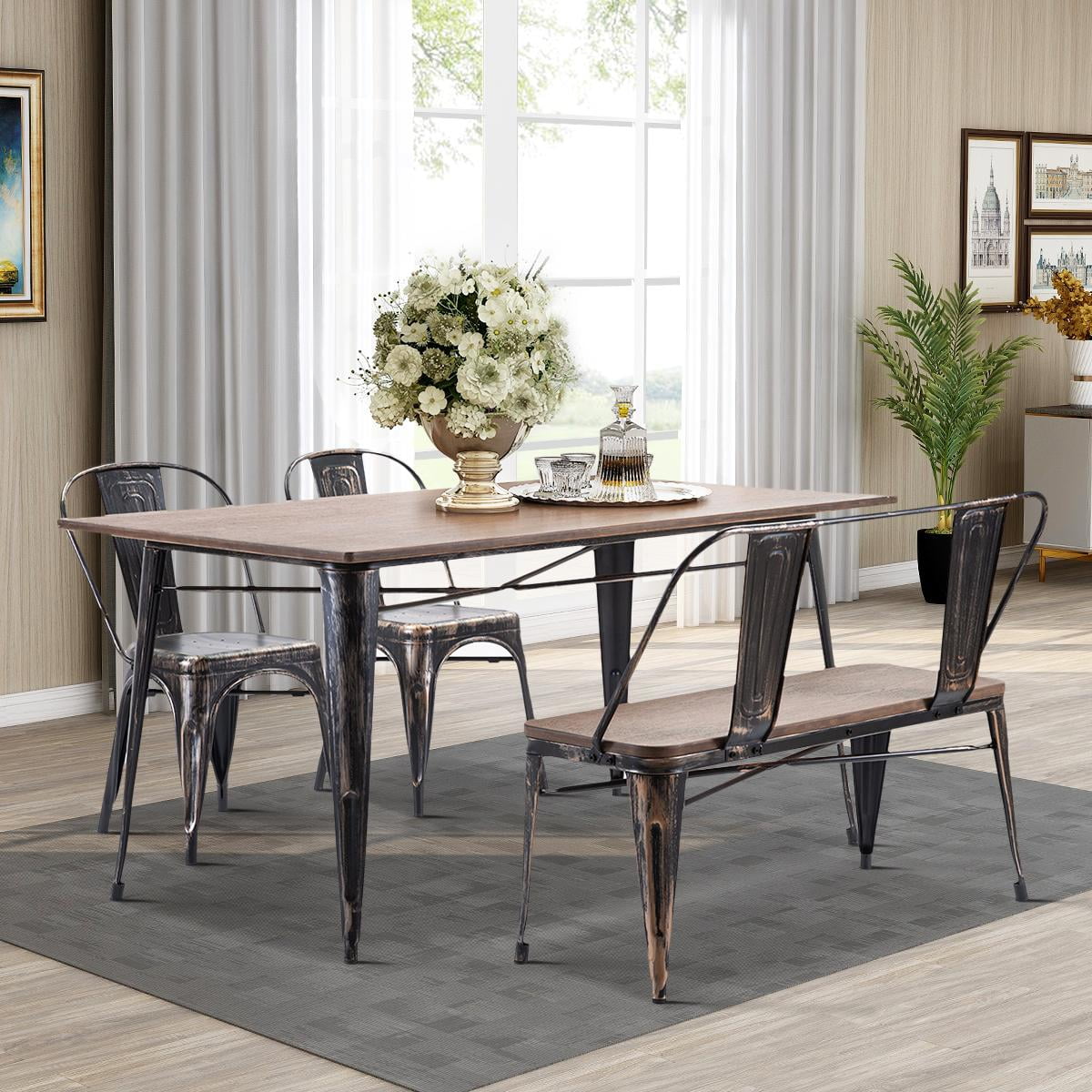
Rustic Vintage Style Distressed Dining Table Bench With Wooden Seat
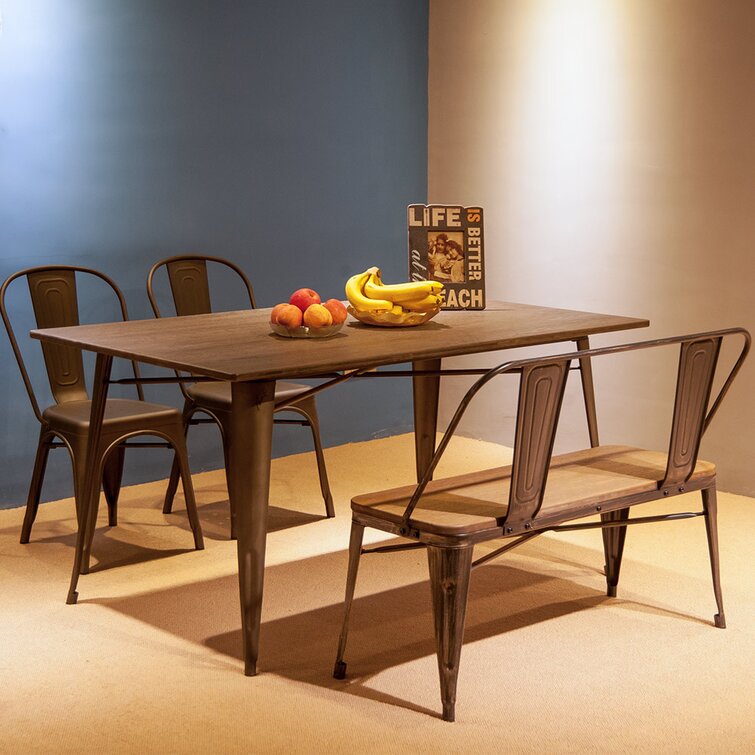
Retro Table and Chairs Retro Dining Set

Related Posts: