Tuscan kitchen countertops bring the rustic charm of the Italian countryside into your home. I’ve designed numerous kitchens with these counters, and they never fail to create a welcoming, lived-in feel. Characterized by earthy tones, natural textures, and artisanal imperfections, Tuscan-style counters work beautifully in both traditional and transitional kitchens. From tumbled stone to hand-painted tiles, these surfaces tell a story while providing durable workspaces. Let’s explore how to incorporate this timeless style into your kitchen.
Choosing Authentic Tuscan Materials
Travertine remains my top choice for authentic Tuscan countertops. Its natural pits and variations in color embody the rustic aesthetic perfectly. I often recommend filled and sealed travertine for kitchens, as the untreated version can absorb stains. Tumbled marble is another excellent option, with its softened edges and matte finish that mimics centuries-old Italian kitchens. For clients wanting more durability, I suggest granite with a leathered finish that approximates stone’s natural texture.
Ceramic and terra cotta tiles create wonderful Tuscan countertops when properly sealed. I love using hand-painted tiles for accent areas or islands, mixing patterns for an artisanal look. Concrete counters stained in ochre or sienna tones offer a contemporary take on Tuscan style while maintaining warmth. Whatever material you choose, opt for honed or matte finishes rather than polished surfaces to stay true to the rustic aesthetic.
Edge profiles contribute significantly to the Tuscan feel. I prefer hand-chiseled or rounded edges that appear timeworn. Bullnose and ogee edges also work well, especially when paired with a slightly uneven surface. The goal is to achieve that beautifully imperfect look characteristic of old Italian farmhouses.
Color Palettes for Tuscan Countertops
Earthy neutrals form the foundation of Tuscan color schemes. I typically start with a base of warm beige, cream, or honey tones, then layer in subtle variations. Countertops with natural color variations look most authentic – think travertine with both light and dark veining. For a sunbaked Italian villa look, I specify counters with golden undertones that seem to glow in afternoon light.
Accent colors bring Tuscan counters to life. I often incorporate hints of terracotta red, olive green, or Mediterranean blue through tile insets or decorative edges. These pops of color reference the Italian landscape without overwhelming the space. When using patterned tiles, I limit the palette to three main colors for cohesion.
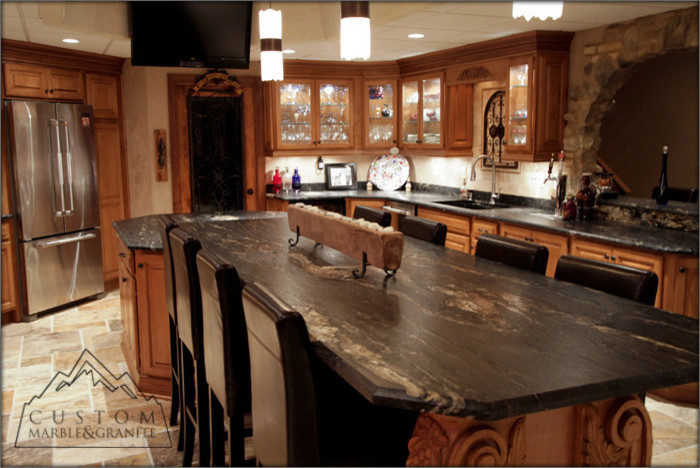
Dark countertops can work in Tuscan kitchens too. I’ve used chocolate brown granite with copper flecks that pairs beautifully with Tuscan cabinets. The key is ensuring the dark surface has enough texture and variation to avoid looking flat. Always view large samples in your actual kitchen lighting before finalizing color choices.

Pairing Countertops with Tuscan Cabinetry
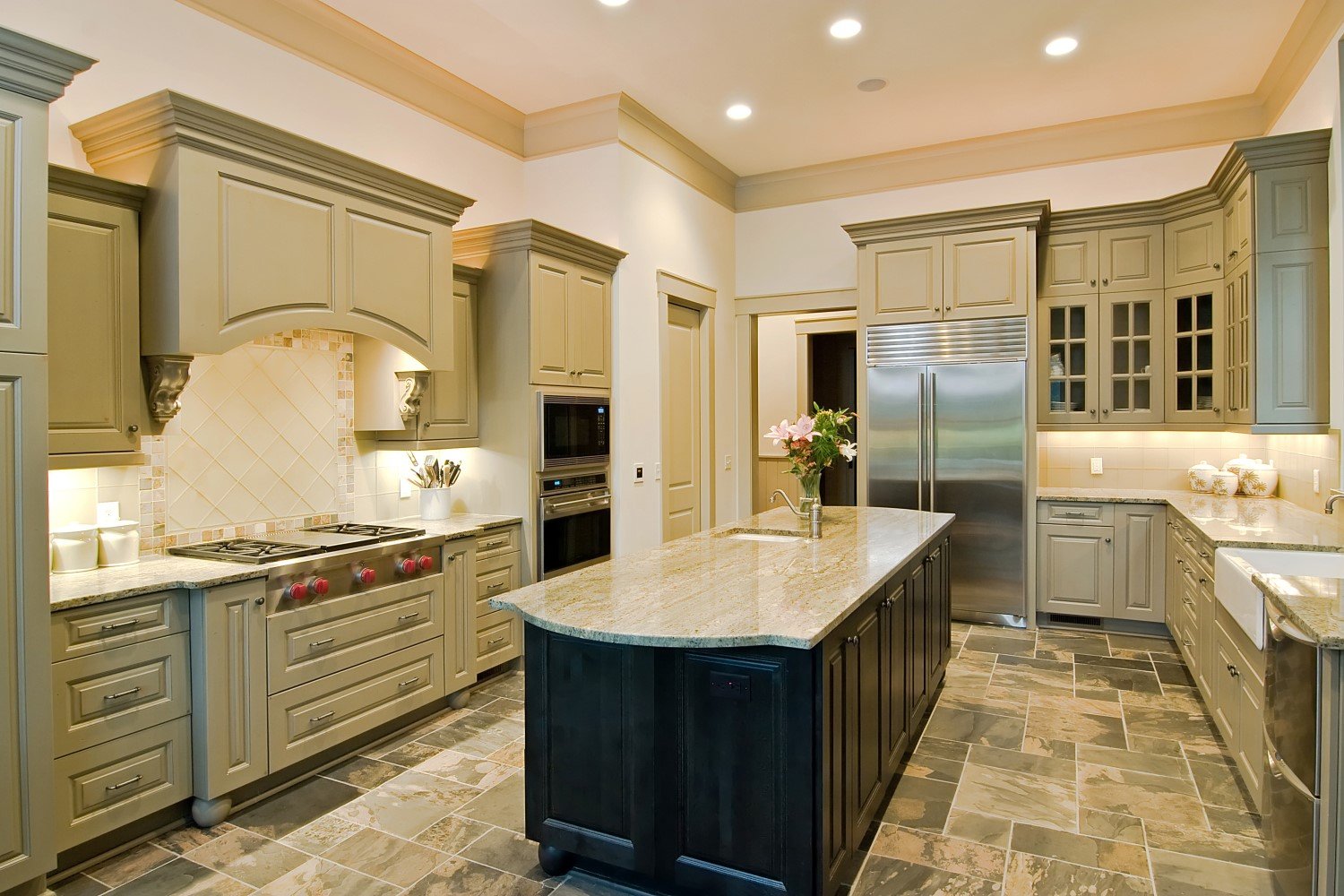
The magic happens when countertops and cabinets work together. I frequently pair tumbled stone counters with distressed wood cabinets for authentic Tuscan character. Painted cabinets in warm yellow, ochre, or olive green complement natural stone counters perfectly. For a more refined look, I combine travertine counters with simple cream-painted cabinets and wrought iron hardware.
Open shelving instead of upper cabinets enhances the Tuscan vibe. I use thick wood shelves supported by decorative brackets to display ceramic cookware and olive oil bottles. When upper cabinets are necessary, I specify ones with glass fronts and interior lighting to showcase beautiful dishware.
Mixing materials creates depth. An island with a different countertop than the perimeter counters adds visual interest. I might use tile on the perimeter and wood on the island, or vary stone types between work areas. The unifying element is always the warm, earthy color palette.
Maintaining Tuscan-Style Countertops
Natural stone Tuscan counters require specific care. I advise sealing travertine and marble every 6-12 months with a penetrating sealer. Daily cleaning should use pH-neutral cleaners – vinegar or lemon juice can etch the surface. For tile counters, regrouting may be needed every few years to maintain a fresh look.
Concrete counters need periodic resealing as well. I recommend food-safe sealants for concrete surfaces that will contact food. Tile counters are the most forgiving – a simple wipe with mild soap keeps them looking great. Always use cutting boards and trivets to protect Tuscan counters from scratches and heat marks.
The good news is that Tuscan style embraces some patina. Unlike ultra-modern counters that must stay pristine, Tuscan surfaces gain character with slight wear. Small chips or stains can often be blended in with the overall rustic aesthetic.
Completing the Tuscan Look
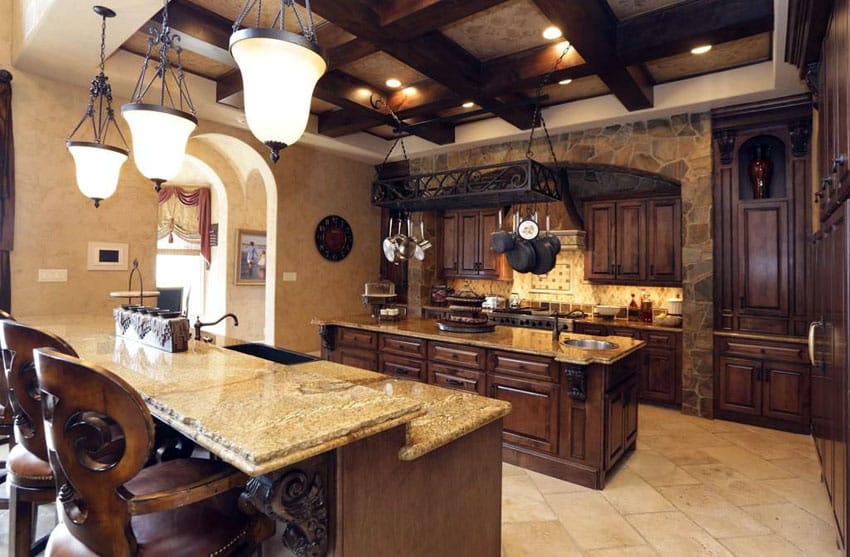
Backsplashes should complement countertops without matching exactly. I love using hand-painted tiles in patterns that pick up colors from the countertop. A brick or stone backsplash adds wonderful texture behind Tuscan counters. For simpler spaces, I extend the countertop material up the wall as a backsplash.
Hardware choices matter. Wrought iron pulls and hinges enhance the Old World feel. I look for pieces with hand-forged appearances rather than machine-perfect finishes. Copper accents develop a beautiful patina over time that fits perfectly with Tuscan design.
Final touches bring the theme together. I add ceramic canisters, wrought iron pot racks, and maybe a pizza stone on display. A wood beam or two on the ceiling reinforces the rustic charm. The goal is to create a space that feels like it’s been lovingly used for generations.

Are Tuscan countertops practical for modern lifestyles?
Absolutely, with proper material selection and maintenance. While authentic tumbled stone requires more care, there are durable alternatives. I often recommend granite with a Tuscan-inspired finish or porcelain tiles that mimic natural stone. These offer a look with easier maintenance. Modern sealants have also made natural stone more practical than ever. The key is choosing materials that fit your household’s activity level and willingness to maintain them.
How do Tuscan countertops compare cost-wise to other styles?
Tuscan countertops span a wide price range. Ceramic tile counters are quite affordable, while large-format travertine slabs fall into premium pricing. On average, most Tuscan-style natural stone counters cost similar to other mid-range stone options. The rustic nature of Tuscan materials means you can often use lower-grade stones with more imperfections, which sometimes reduces cost. Tile counters offer significant savings compared to slab materials.
Can I achieve a Tuscan look with laminate countertops?
Yes, several laminate options convincingly mimic Tuscan materials. I look for patterns with subtle color variations and matte finishes. Edge treatments matter – a built-up edge or ogee profile helps sell the look. Pair laminate counters with other authentic Tuscan elements like wrought iron and textured walls to distract from any synthetic appearance. While not identical to natural stone, quality laminates can deliver the Tuscan aesthetic at a fraction of the cost.
What’s the best countertop for a Tuscan-style kitchen island?
I love using wood butcher block for Tuscan islands – it provides warmth and functionality. Reclaimed wood with visible knots and cracks looks particularly authentic. For stone islands, I prefer travertine with a chiseled edge. Another striking option is a tile-topped island with colorful hand-painted patterns. The island is where you can go bolder with materials or colors since it naturally serves as a focal point.

How do I protect porous Tuscan countertops from stains?
Quality sealants are essential for porous materials like travertine and limestone. I recommend professional sealing initially, followed by DIY applications every 6-12 months. Immediate cleanup of spills prevents staining, especially with acidic substances like wine or citrus. For tile counters, use an epoxy grout that resists stains better than cement-based grout. Darker colored stones naturally hide stains better than light-colored materials if maintenance is a concern.
Can Tuscan countertops work in a contemporary kitchen?
They can create a wonderful contrast when used thoughtfully. I balance rustic Tuscan counters with sleek cabinetry and minimalist hardware for an updated look. The key is limiting Tuscan elements to just the countertops or an accent area. A honed travertine counter with simple slab cabinets creates beautiful tension between old and new. Keep other materials and colors neutral to prevent the space from feeling theme-heavy. This fusion approach works particularly well in open-concept homes.
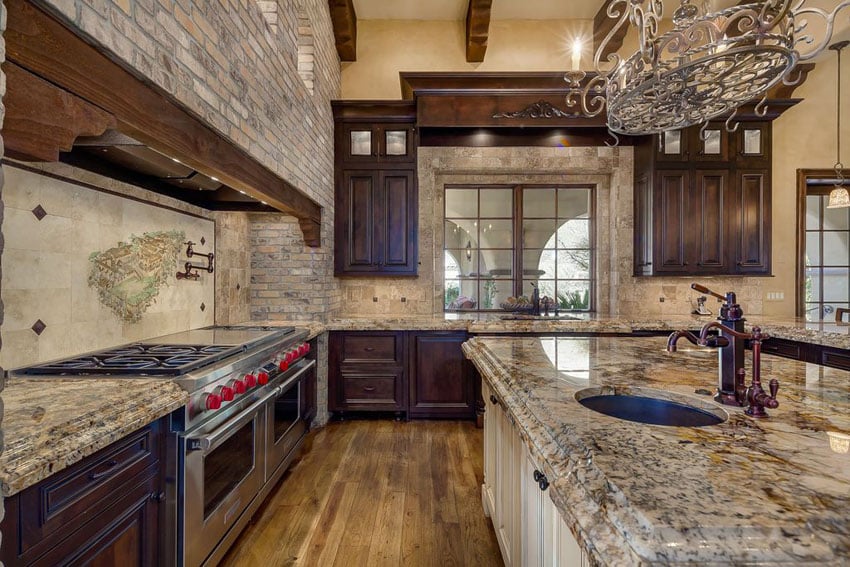
Black Granite Table – Tuscan Kitchen – Mediterranean
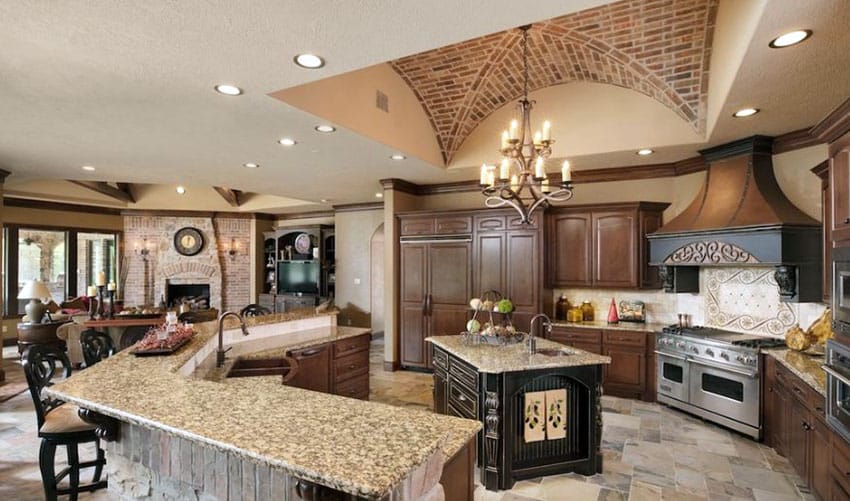
Elegant Tuscan Kitchen Ideas – Designing Idea
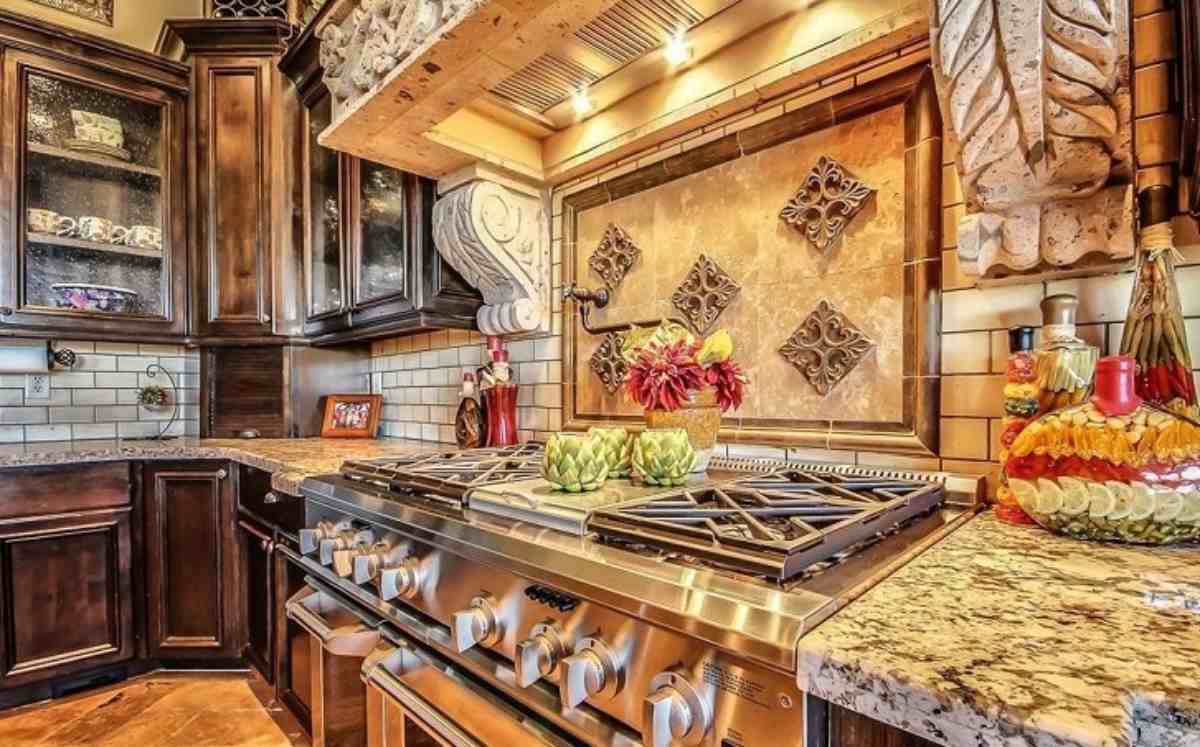
Tuscan kitchen design ideas – fabulous interiors in Mediterranean
Related Posts: