A retro kitchen sink faucet is more than just a source of water; it is a statement piece that anchors the entire room’s aesthetic. These fixtures draw inspiration from classic designs of the early to mid-20th century, offering a sense of nostalgia and timeless style. Whether you are creating a full period-accurate kitchen or simply want to add a touch of vintage character, the right faucet can set the tone. I have helped many homeowners navigate the world of retro fixtures, and I find that understanding the key styles and features is the first step to making a perfect choice for your space.
Identifying Key Retro Faucet Styles
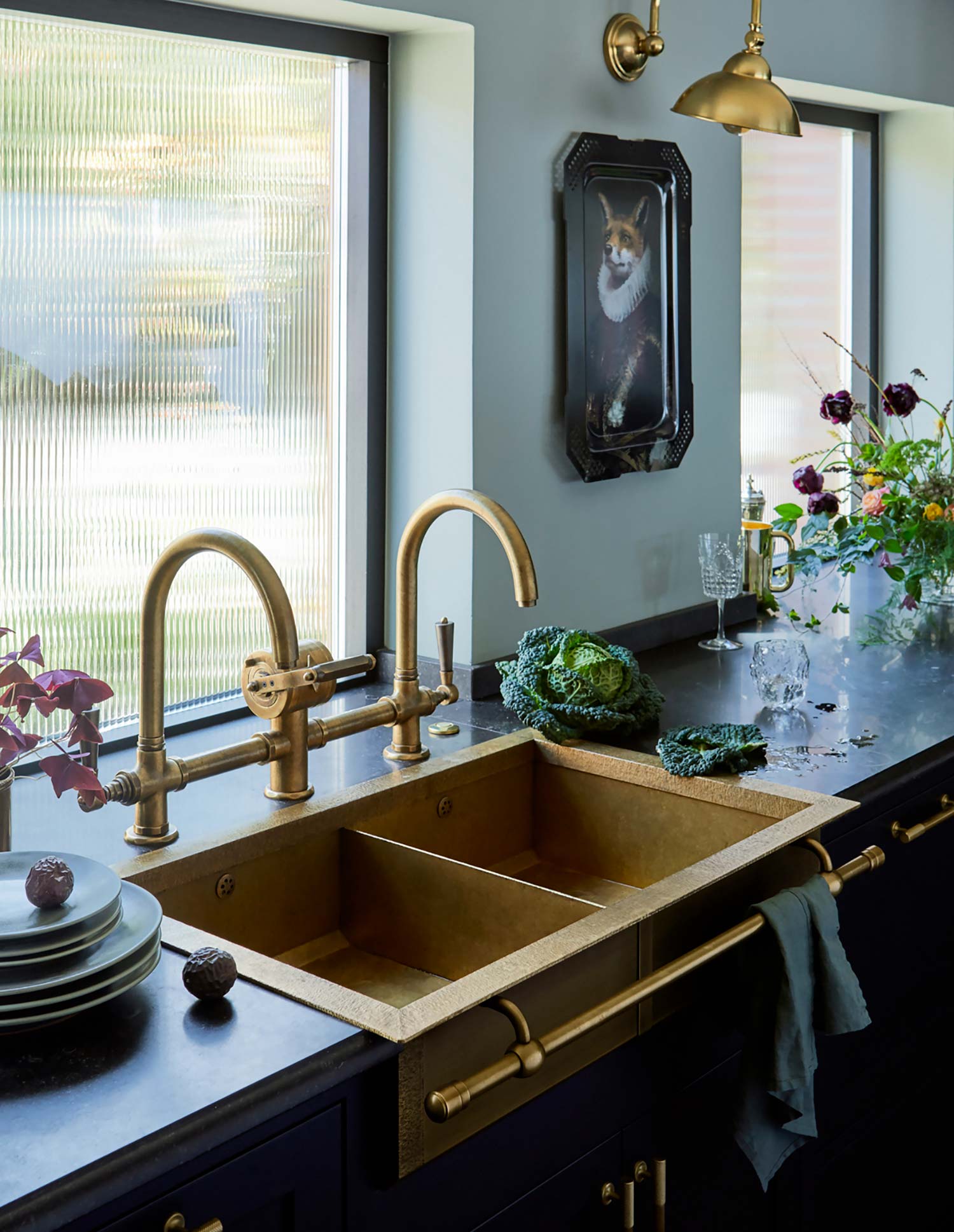
The bridge faucet is perhaps the most iconic retro style, featuring a distinct arch that connects the hot and cold water valves to the spout. This design was standard in kitchens from the 1920s through the 1950s and brings instant old-world charm. I often recommend this style for farmhouse or cottage kitchens where it complements a large, apron-front sink beautifully. Modern versions often include a single handle on the deck or a lever on the spout itself, updating the classic look for easier use. The visual weight of a bridge faucet makes it a strong focal point.
Wall-mounted faucets were also common in mid-century designs, freeing up counter space and creating a clean, streamlined look. This style works exceptionally well with undermount sinks and can make a small kitchen feel more open. I recently installed a wall-mounted pot filler with a retro design next to a stove, and it provided both period-appropriate style and fantastic utility. The key to a successful wall-mount installation is precise planning during the rough-in phase to ensure the spout perfectly aligns with the sink basin below for minimal splashing.
Commercial-style faucets with an industrial feel, reminiscent of old restaurants, have also found a home in retro kitchens. These often feature a high-arc spout and large, lever-style handles. While the look is decidedly vintage, the functionality is thoroughly modern, perfect for filling tall pots and cleaning large baking sheets. I appreciate how this style adds a touch of rugged authenticity to a space, especially when paired with open shelving and stainless steel countertops. It is a look that says the kitchen is meant for serious cooking.
Choosing the Right Finish and Material
The finish of your faucet dramatically impacts the overall vibe. Chrome was the most prevalent finish in mid-century homes and offers a bright, reflective surface that is easy to clean and very durable. For a warmer, more distinguished look, polished brass has made a major comeback. I always advise clients that brass develops a patina over time, which some people love for its lived-in character, while others prefer the consistent look of a brushed or satin brass finish that resists fingerprints.
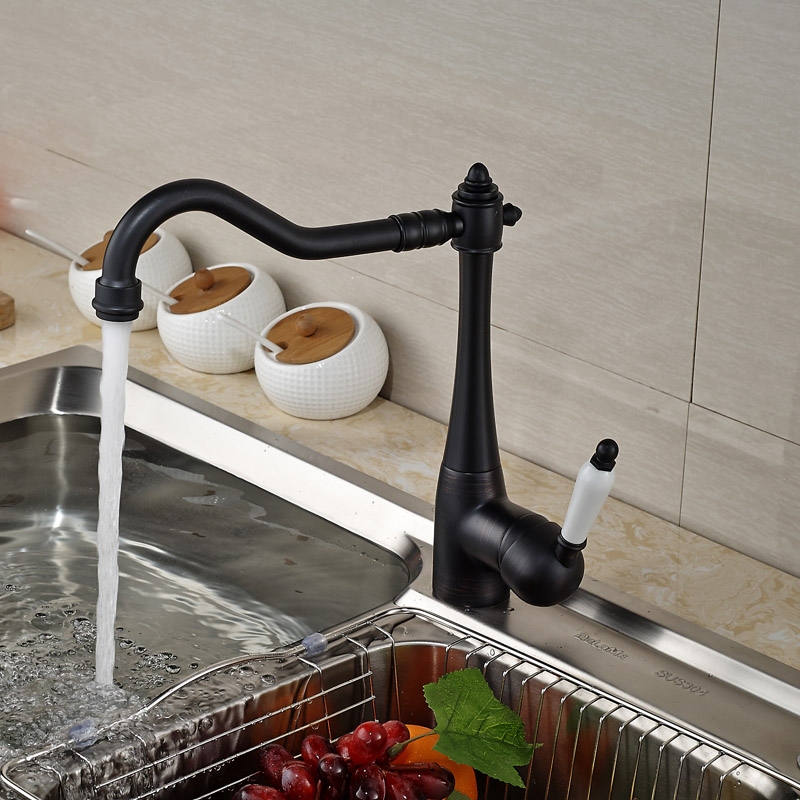
For a more rustic or industrial aesthetic, consider an oil-rubbed bronze or matte black finish. Oil-rubbed bronze provides a dark, almost antique appearance that works well with traditional and farmhouse decors. Matte black is a surprisingly versatile choice that offers strong contrast against light-colored cabinets and has become a modern classic in its own right. I have found that these darker finishes are excellent at hiding water spots and minor scratches, making them a practical choice for busy households.
Beyond the finish, the material quality is crucial for longevity. Look for faucets made from solid brass construction, as they are resistant to corrosion and will last for decades. The interior valves are equally important. I strongly recommend ceramic disc valves over older washer-based models. Ceramic discs are incredibly durable and will not wear out or drip over time, saving you from the annoyance and cost of future repairs. This is where modern technology truly improves upon the past.

Understanding Handle and Spout Configurations
The handle configuration is a defining feature of retro faucets. The classic two-handle setup, with separate controls for hot and cold water, is the most authentic to the period. It allows for precise temperature adjustment and has a timeless, symmetrical appeal. I often suggest widespread configurations, where the handles and spout are three separate pieces installed on the sink deck, for a truly traditional look. This setup requires three holes in your sink or countertop.
For those who prefer convenience, single-handle faucets became popular in the latter half of the mid-century period. These use a single lever to control both water flow and temperature, making them easy to operate with one hand when the other is messy. Many retro-style faucets now incorporate this feature, blending vintage aesthetics with modern ergonomics. Another popular option is the cross-handle, which features distinctive, easy-to-grip handles shaped like a plus sign, adding a strong visual element of historic charm.
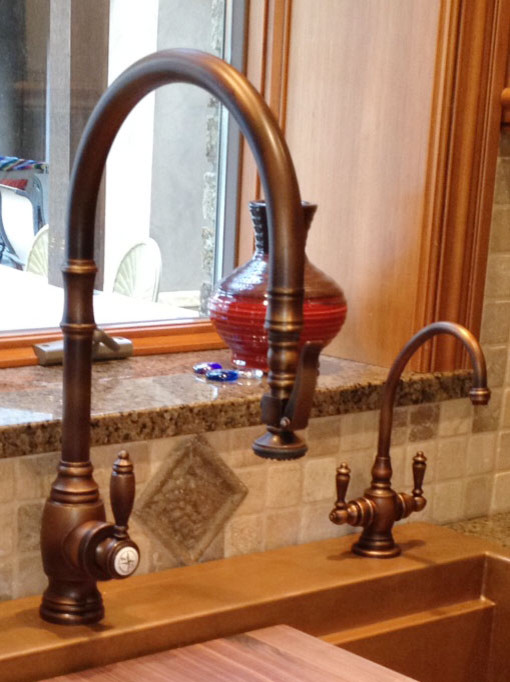
The spout design is another critical consideration. A high-arc spout, often called a gooseneck, is both practical and stylish. It provides ample clearance for filling large pots and washing big bowls, a feature I know many home cooks appreciate. The graceful curve also adds a sculptural quality to the kitchen. Alternatively, a lower-profile swivel spout might be better for kitchens with low-hanging cabinets or windows above the sink. Consider your sink size and your daily tasks when deciding on the spout’s height and reach.
Key Features for Modern Convenience
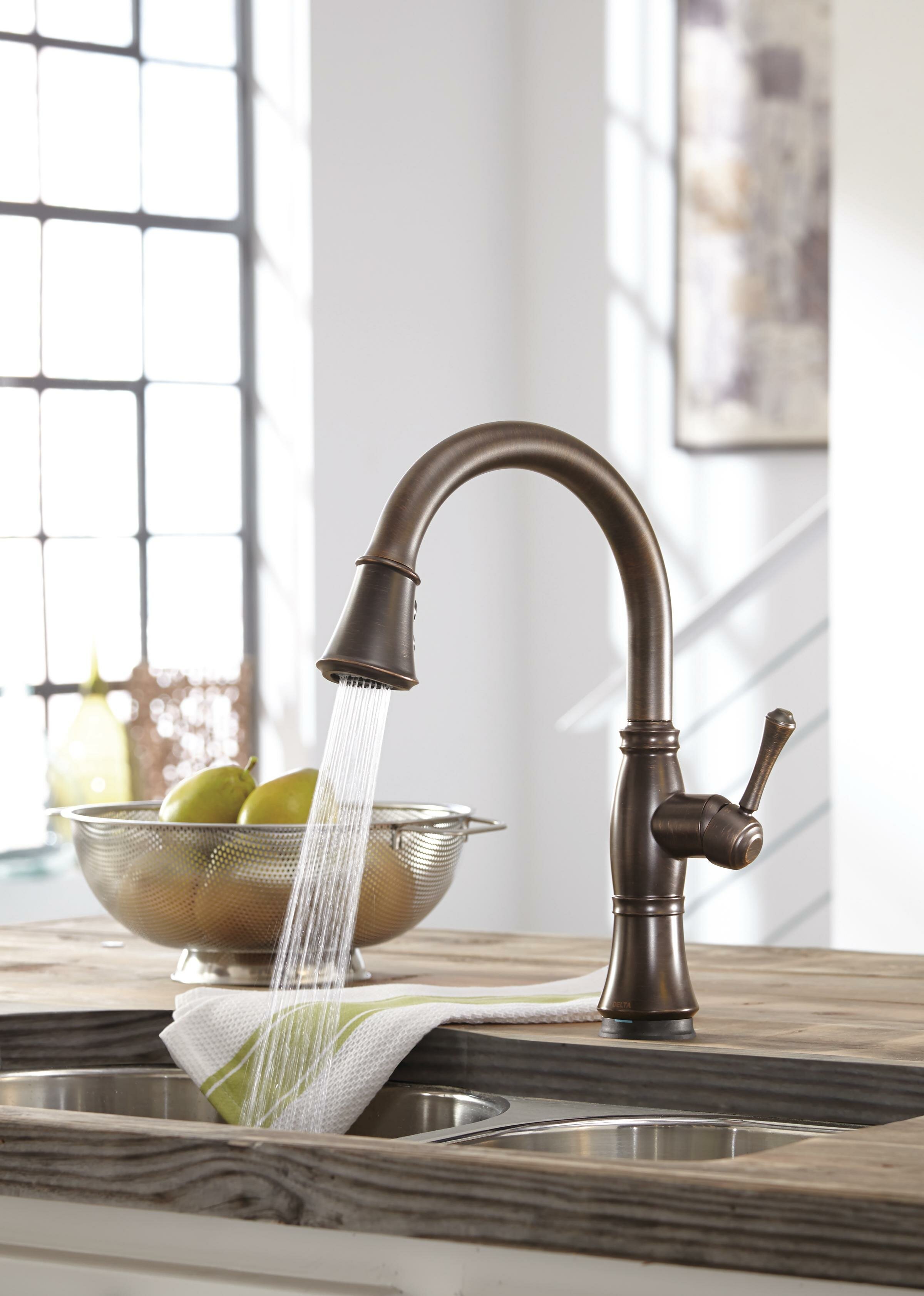
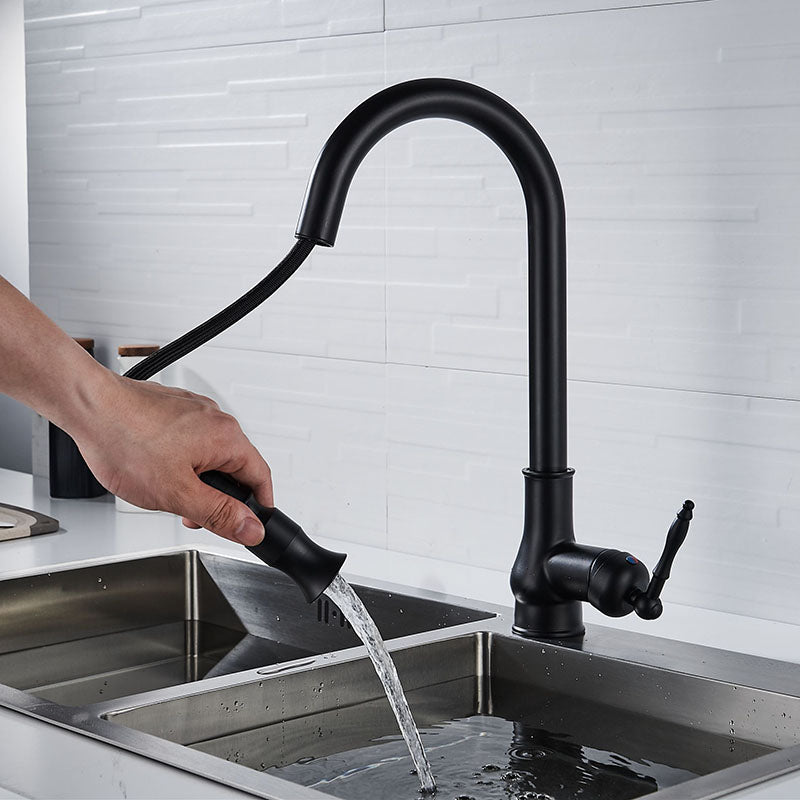
While aesthetics are important, modern performance is non-negotiable. One of the most significant upgrades in retro-style faucets is the inclusion of a pull-down or pull-out sprayer. This feature, often hidden within the spout, provides incredible flexibility for rinsing dishes and cleaning the sink. I would not specify a kitchen faucet without one today. The magnet docking system that keeps the spray head securely in place is a small detail that makes a big difference in daily satisfaction.
Another valuable feature is a built-in water filtration system. Some retro-style faucets include a separate potable water tap integrated into the main design, allowing you to have filtered water on demand without disrupting the vintage look. For households concerned about water quality and plastic waste from bottled water, this is an excellent solution. I have installed several of these, and my clients love the convenience of having instant filtered water from a beautiful fixture.
Pay attention to the faucet’s flow rate and any built-in water-saving technology. Many modern retro faucets are designed to be environmentally friendly without sacrificing performance. Look for a flow rate around 1.8 gallons per minute (GPM), which provides a strong stream for washing while conserving water. Additionally, check for things like a built-in pressure compensator that ensures a consistent flow even when water pressure in the home fluctuates, a feature that enhances the overall user experience.
Installation and Compatibility Considerations
Before falling in love with a specific faucet, you must check your sink’s hole configuration. A classic widespread faucet requires three holes. If you have a single-hole sink but want a two-handle look, some manufacturers offer a “widespread conversion kit” or a “mini-widespread” design that fits a single hole. I always advise measuring the existing hole spacing or, if it is a new sink, confirming the specifications with the manufacturer to avoid installation headaches.
The size and depth of your sink basin should also influence your faucet choice. A tall, high-arc faucet is ideal for a deep, large sink, as it ensures the water stream clears the rim effectively. For a shallower or smaller sink, a faucet with a lower profile and a shorter reach will help prevent water from splashing out onto the counter and floor. I often use a simple tape measure to mock up the height and reach of a prospective faucet to visualize how it will function in the space.
While many confident DIYers can install a kitchen faucet, some retro styles can be more challenging. Wall-mounted faucets require precise plumbing work inside the wall, and heavy, solid brass bridge faucets can be awkward to handle alone. For these situations, I always recommend hiring a professional plumber. The cost is worth the assurance that the installation is secure and leak-free, protecting your investment and your home from potential water damage.
Maintaining Your Retro Faucet’s Beauty
Proper daily care will keep your faucet looking its best. For most finishes, simply wiping them down with a soft, damp cloth after use is sufficient to prevent water spots and mineral buildup. I always discourage the use of abrasive cleaners or scrub pads, as they can permanently scratch the finish. For chrome and stainless steel, a quick polish with a microfiber cloth will restore their shine. For matte finishes, just a simple wipe-down is all that is needed.
For tougher hard water stains or soap scum, a mixture of equal parts white vinegar and water is effective and safe for most finishes. Spray it on, let it sit for a few minutes, then wipe it clean and dry thoroughly. Avoid using vinegar on unlacquered brass, as the acid can damage the finish. For oil-rubbed bronze, it is best to use a cleaner specifically formulated for that finish to maintain its intended dark color and avoid creating uneven, light-colored spots.
Periodically, you should check for and address any minor leaks or reduced water flow. A decrease in pressure can often be traced to a clogged aerator, the small screen at the tip of the spout. I show my clients how to unscrew the aerator and rinse it out or soak it in vinegar to dissolve mineral deposits. This simple five-minute task can restore full water pressure and is a great first step in troubleshooting before calling a plumber.
Can a retro-style faucet work with a modern kitchen?
Absolutely, I often use a retro faucet as a statement piece to add warmth and character to an otherwise modern kitchen. The key is to create a visual connection. For example, a polished brass bridge faucet can be paired with brass cabinet pulls or light fixtures. The contrast between the vintage fixture and contemporary cabinets can be strikingly beautiful and keeps the kitchen from feeling too sterile. I find that this mix of old and new creates a layered, collected look that feels personal and thoughtfully designed.
Are retro faucets compatible with all types of sinks?
Most are, but you need to pay close attention to the faucet’s installation requirements and your sink’s hole configuration. A standard single-hole faucet will fit a single-hole sink, while a widespread faucet needs a sink with three holes. If you have a bridge faucet, check if it is a true two-hole widespread design or a single-hole model with a deck plate. Wall-mounted faucets are specifically for use with vessel sinks or undermount sinks and require the plumbing to be run through the wall behind the sink.
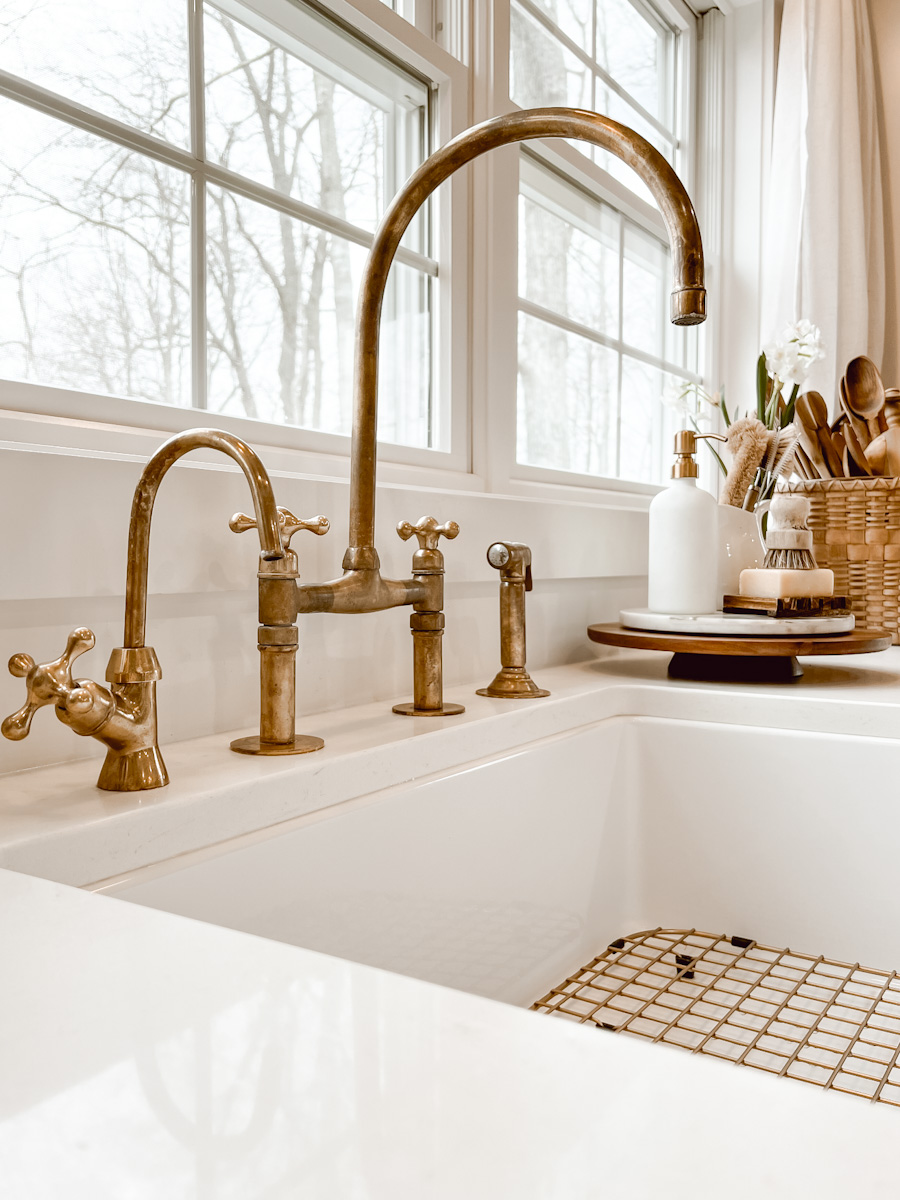
What is the price range for a quality retro kitchen faucet?
You can find a reliable, good-looking retro faucet starting around $150, but for solid brass construction, trusted brands, and advanced features like a pull-down sprayer, expect to invest between $300 and $600. High-end, designer, or authentic reproduction models can cost $1,000 or more. In my experience, the mid-range price point offers the best value, providing durable materials and modern functionality without the premium cost. It is an investment in both style and daily utility.
How do I clean and maintain an oil-rubbed bronze finish?
Oil-rubbed bronze requires specific care to maintain its dark, moody finish. Avoid abrasive cleaners, vinegar, and bleach, as they can strip the coating and cause discoloration. Instead, use a soft cloth, mild dish soap, and warm water for regular cleaning. For a deeper clean, use a product specifically made for oil-rubbed bronze. The finish may naturally lighten slightly in high-touch areas over time, which many people appreciate as it adds to the authentic, lived-in character of the piece.

Is a pull-down sprayer really necessary with a retro faucet?
While not strictly necessary, I consider it one of the most valuable modern upgrades. The convenience of having a powerful, targeted spray for rinsing dishes, cleaning vegetables, and washing down the sink is a significant improvement in kitchen functionality. Modern retro designs integrate the sprayer so seamlessly into the spout that it does not detract from the vintage aesthetic at all. For anyone who spends a lot of time cooking and cleaning in the kitchen, it is a feature I highly recommend.
Can I install a retro kitchen faucet myself?
If you are replacing an existing deck-mounted faucet and are comfortable with basic plumbing tasks, yes, it is a manageable DIY project. The process typically involves turning off the water supply, disconnecting the old faucet, and installing the new one according to the manufacturer’s instructions. However, for wall-mounted faucets, heavy or complex bridge faucets, or if your plumbing is old and potentially corroded, I advise hiring a professional plumber to ensure a leak-free and secure installation.

Retro Kitchen Faucet Pull-down Spray Brass One Hole Black Antique Bronze Vintage Sink Faucet
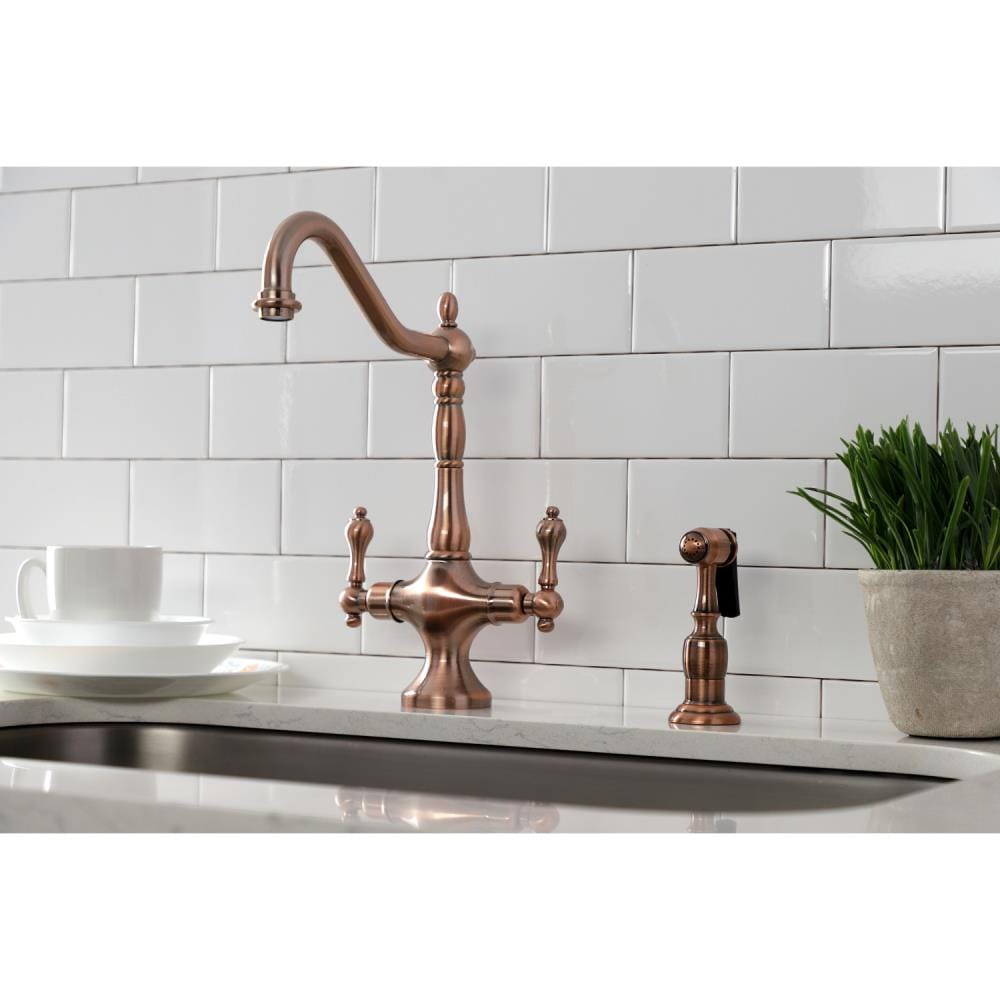
Kingston Brass Heritage Antique Copper 2-handle High-arc Kitchen
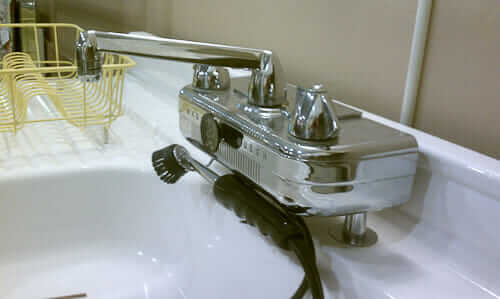
Vintage Magic Queen kitchen faucet – a major new kitchen history
Kitchen Faucets Rose Gold Brass Retro Kitchen Sink Faucet Mixer Single Handle Hight Arch Swivel Spout Kitchen Deck Vessel Taps

Retro Brass Kitchen Sink Faucet Cold Water Tap Swivel Spout Vessel Faucets NEW eBay

Related Posts: