When I moved into my farmhouse three years ago, the kitchen felt incomplete despite beautiful cabinets and a gorgeous range. What was missing became obvious the first time I tried hosting Thanksgiving, I needed a proper, large country kitchen table where family and friends could gather comfortably. After months of searching antique stores, building one myself, and learning about what makes these tables both beautiful and functional, I finally have the perfect centerpiece for my kitchen. The journey taught me that choosing a large country table involves considering size, materials, construction, and how you actually live rather than just picking something pretty.
Determining the Right Size for Your Space
Figuring out the ideal table size for my kitchen required more planning than I expected. I started by measuring my available floor space and leaving at least 36 inches of clearance on all sides for chairs and walking paths. My kitchen is roughly 14 by 16 feet, which comfortably accommodates my 8-foot-long table with room to move around. I traced the table dimensions on the floor using painter’s tape, which helped me visualize the actual footprint before committing.
Seating capacity was another crucial consideration. I wanted to seat eight people comfortably for regular dinners with room to squeeze in two more during holidays. Standard table width is 36 to 42 inches, which allows place settings on both sides plus serving dishes down the center. My 42-inch-wide table provides generous elbow room without feeling cavernous. Length matters most for seating, allowing 24 inches per person for comfortable spacing.
The table height surprised me as something worth considering carefully. Standard dining height is 30 inches, but I built mine at 31 inches to better accommodate my taller family members. Counter-height tables at 36 inches work well in some country kitchens, creating a more casual feel, but they require specific counter-height chairs or stools. Consider who uses the table most and test different heights before deciding.
Solid Wood Construction and Material Choices
I chose reclaimed pine for my table, loving the character and history in the old wood. The boards came from a demolished barn, featuring nail holes, saw marks, and gorgeous patina that new lumber can’t replicate. Working with reclaimed wood requires careful inspection for damage, rot, or pest issues, but the authenticity and sustainability make it worthwhile for me. Each plank tells a story, creating a genuinely one-of-a-kind piece.
Oak remains the classic choice for country kitchen tables and for good reason. My parents’ oak table has served them for forty years and looks better with age. Oak’s prominent grain pattern creates visual interest, and the hardwood withstands decades of daily use. White oak offers slightly warmer tones than red oak, which I prefer for country aesthetics. The density makes oak more expensive and heavier than softer woods, but the durability justifies the investment.
Pine and other softwoods offer more affordable options with their own appeal. Pine dents and scratches more easily than hardwoods, but I actually love how those marks add character over time. The lighter color and subtle grain create a casual, welcoming feel perfect for farmhouse style. I sealed my pine table with multiple coats of polyurethane for protection, understanding that it would still show wear. That lived-in look suits country style perfectly.
Traditional vs. Trestle Table Base Designs
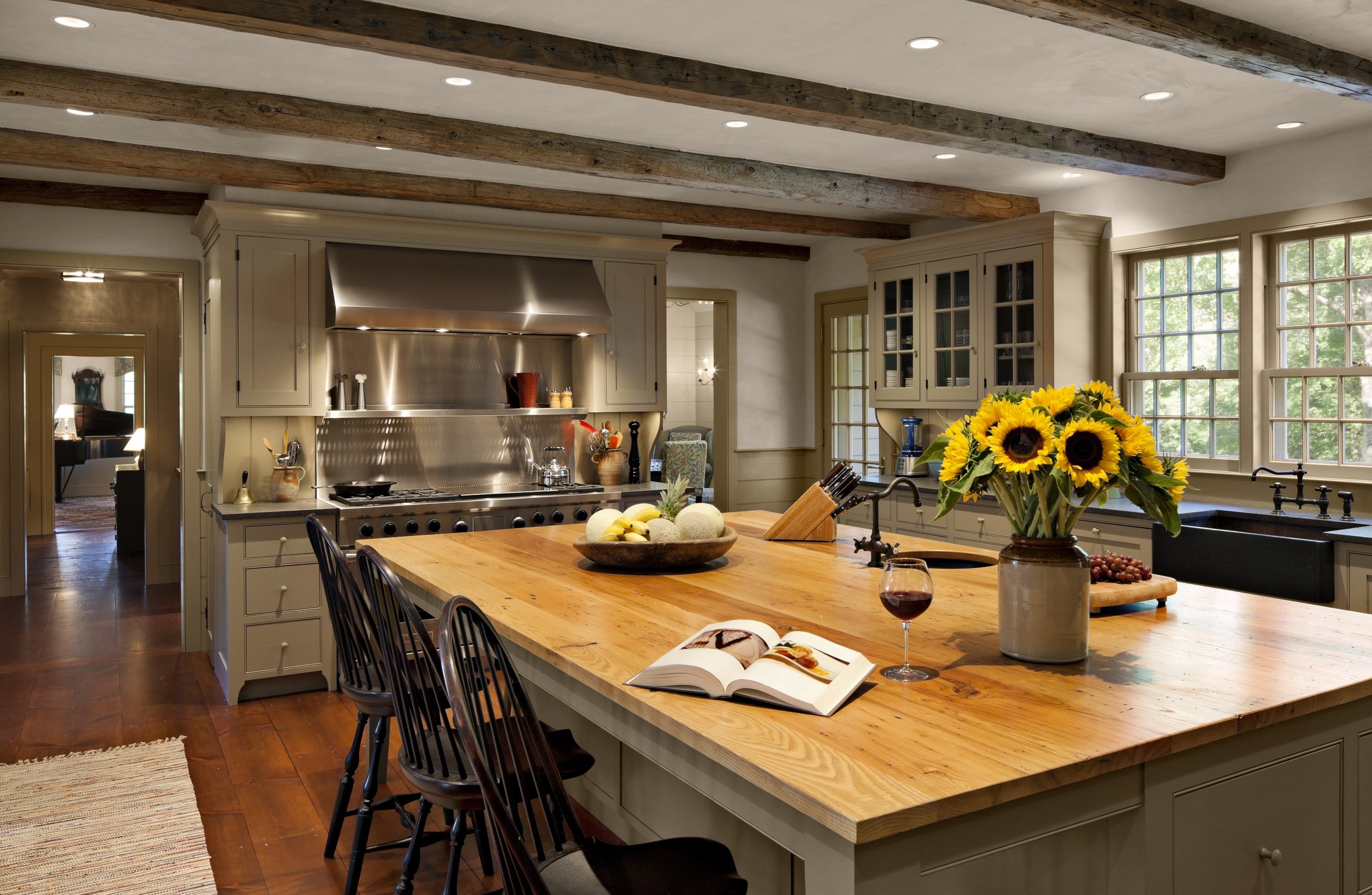
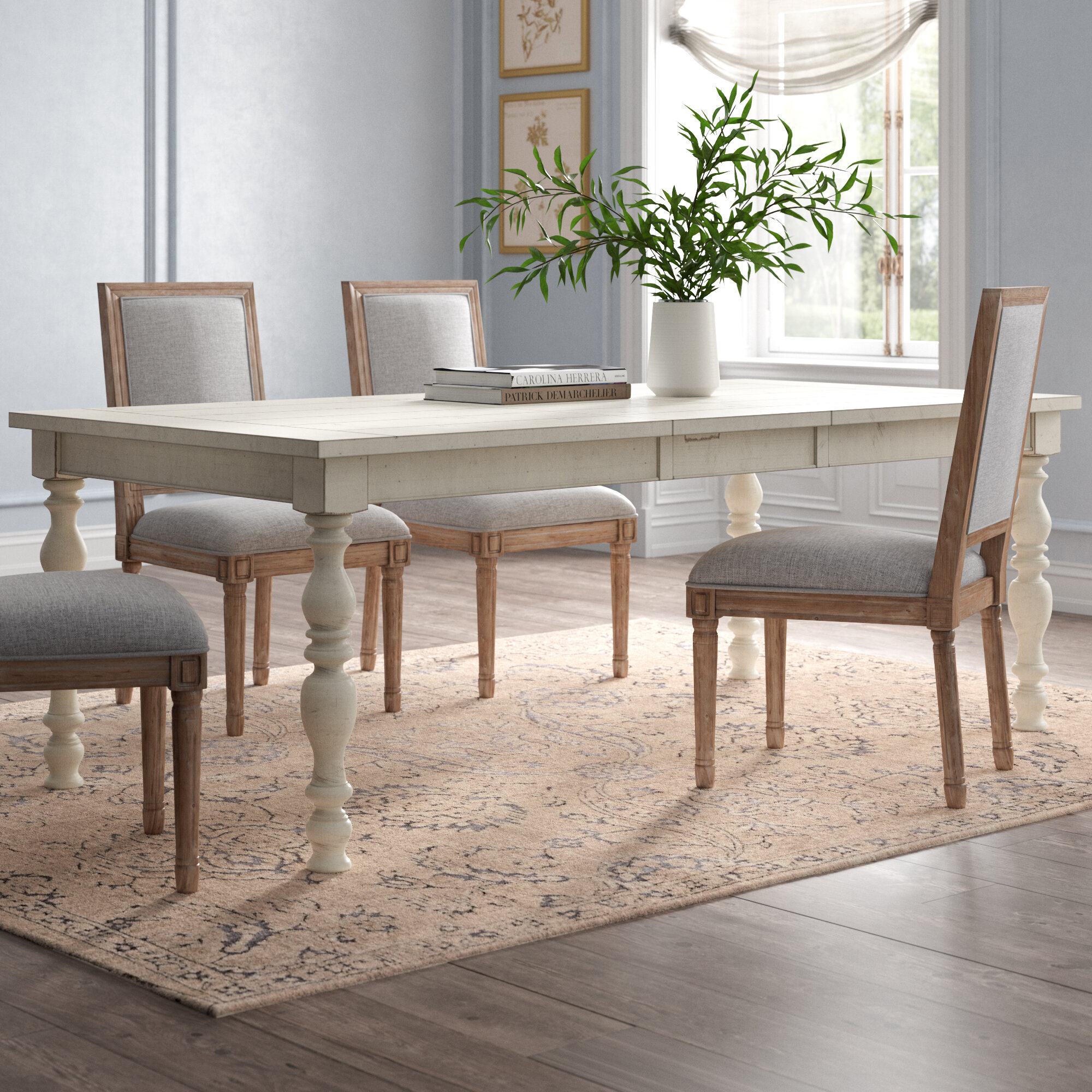
I built my table with a traditional four-leg design using chunky 4×4 posts at each corner. The substantial legs reference old farmhouse construction and provide excellent stability without complicated joinery. Turned legs with decorative details offer more formal elegance, while straight square legs feel more rustic and casual. My square legs with simple chamfered edges strike the balance I wanted between refined and relaxed.
Trestle-style bases were my close second choice and work beautifully for large country tables. The horizontal stretcher connecting two end supports creates an incredibly sturdy structure that can support massive tabletops. Trestle tables also maximize legroom since there are no corner legs to navigate. My friend’s 10-foot trestle table seats twelve comfortably, something that would feel cramped with four-leg construction in the same length.
Pedestal bases work for smaller country tables but become impractical at larger sizes. A single central pedestal can’t adequately support an 8-foot table without risking tipping or sagging. Double pedestal designs split the difference, offering the benefits of a trestle with a different aesthetic. I see these in more formal country dining rooms rather than casual eat-in kitchens, where I wanted my table to live.

Finish Options That Balance Beauty and Durability
Choosing the right finish became a major decision point for protecting my investment. I applied three coats of water-based polyurethane in satin sheen, which provides excellent protection against spills and heat while maintaining the natural wood appearance. Water-based poly dries clear without the amber tint of oil-based versions, keeping my pine looking light and fresh. The satin finish hides minor scratches better than gloss while still being easy to clean.
Oil finishes like tung oil or Danish oil offer a more natural look that I seriously considered. These penetrating oils enhance wood grain beautifully and create a softer, more hand-rubbed appearance than polyurethane. The downside is reduced protection, requiring more frequent reapplication and immediate attention to spills. My sister uses tung oil on her walnut table and loves the look, but admits the maintenance commitment is significant.
Some people prefer painted bases with natural wood tops, creating visual interest through contrast. I’ve seen gorgeous country tables with white or cream painted legs and a stained or clear-coated top. This approach hides imperfections in base wood while showcasing beautiful grain on the tabletop. Distressed painted finishes add instant age and character, though I prefer letting my table develop its own authentic patina over time through actual use.

Building Your Own vs. Buying Antique or New
Building my own table was incredibly rewarding but definitely challenging. I have basic woodworking skills and access to tools, which made the project feasible. Total material cost ran about $400 for reclaimed wood, hardware, and finish, compared to $2,000 or more for comparable custom tables. The satisfaction of creating exactly what I envisioned with my own hands makes me appreciate the table even more every day.
Shopping for antique farmhouse tables taught me patience and persistence. I spent months visiting estate sales, auctions, and antique stores before finding pieces that met my size requirements and budget. Authentic antique tables often need restoration, refinishing, or structural repairs. That gorgeous $600 antique I almost bought needed $400 in repairs, bringing it close to new custom pricing. Condition matters enormously when buying vintage furniture.
New country-style tables from furniture makers offer the advantage of customization and warranty protection. I priced custom tables from local craftspeople, with quotes ranging from $1,800 to $3,500 depending on wood choice and details. Mass-produced options from retailers cost less but often use lower-quality materials and construction. If building isn’t feasible and antiques aren’t appearing, investing in a well-made new table ensures you get exactly what you want.

Seating and Chair Considerations
I paired my table with a mix of seating that creates collected charm while remaining comfortable. Four Windsor-style chairs anchor the long sides, with a farmhouse bench on one end and two upholstered chairs at the other. This variety feels more authentic than perfectly matched sets and allows flexibility for different occasions. The bench slides completely under the table when not in use, saving floor space in my modest kitchen.
Benches work beautifully with large country tables, especially for families with young children. My bench seats three kids comfortably or two adults, and it tucks away neatly. The lack of arms makes sliding in and out easier than navigating chair arms. However, benches offer less back support than chairs for long dinner conversations. I balance this by using chairs for adults during extended gatherings and reserving the bench for kids or quick meals.
Chair height needs to coordinate with your table height for comfortable dining. Standard dining chairs at 18 inches seat height work with my 31-inch table, leaving appropriate clearance for legs and laps. I tested this relationship before purchasing chairs, sitting at the table with different options to ensure comfort. Armless chairs slide under tables more easily, while armed chairs require extra clearance but offer more comfort and structure during long meals.
What’s the ideal table size for a family of six?
I’d recommend at least a 72-inch long table for comfortable everyday seating of six people. This allows 24 inches per person along the long sides, plus one person at each end. My 96-inch table seats eight regularly and ten for holidays, which works perfectly for our family of five with frequent guests. Consider your entertaining style too; if you host often, size up for flexibility even if it feels oversized for daily use.
How do I protect a country table from daily wear?
I use placemats and trivets religiously to prevent heat damage and scratches. A quality polyurethane finish provides excellent protection against spills if applied correctly. Wipe up liquids immediately, even with sealed surfaces. I refinish high-wear areas every few years with light sanding and a fresh topcoat. Embrace some wear as character rather than damage; the marks tell your family’s story and actually enhance the country style’s authentic appeal.

Can I fit a large table in a small kitchen?
It depends on your layout and priorities. My 14×16 foot kitchen accommodates an 8-foot table with adequate clearance, but anything smaller would feel cramped. Measure carefully and use tape on the floor to visualize the footprint. Consider a table with removable leaves that extends for gatherings but remains smaller daily. Benches that slide completely under the table save significant floor space compared to chairs.
What’s a reasonable budget for a quality country table?
I built mine for about $400 in materials, while comparable custom tables cost $2,000 to $3,500. Quality antiques run $800 to $2,000, depending on size and condition. Mass-market furniture stores offer country-style tables for $600 to $1,200, though construction quality varies significantly. I’d budget at least $1,000 for a durable, well-made table if you’re not building. Quality materials and construction ensure your table lasts for generations.

Should I match my table to my kitchen cabinets?
Not necessarily, and I actually prefer some contrast. My pine table has lighter, warmer tones than my white painted cabinets, creating visual interest. Matching wood tones throughout can feel monotonous and dated. Consider complementary rather than identical finishes. If you have dark cabinets, a lighter table brightens the space. The country aesthetic celebrates collected, imperfect coordination over perfectly matched sets that feel too designed.
How do I maintain a wood table long-term?
Daily maintenance is simple: wipe with a damp cloth after meals and dry immediately. I deep clean monthly with wood cleaner and reapply paste wax for extra protection. Refinishing every five to ten years depends on wear, lightly sanding, and applying fresh finish coats. Avoid harsh chemicals and excessive water exposure. The key is consistent care rather than intensive treatments. Small scratches and dents add character, perfect for the country style’s lived-in aesthetic.

Rustic FARM TABLE 12-foot Reclaimed Wood Farm House Primitive
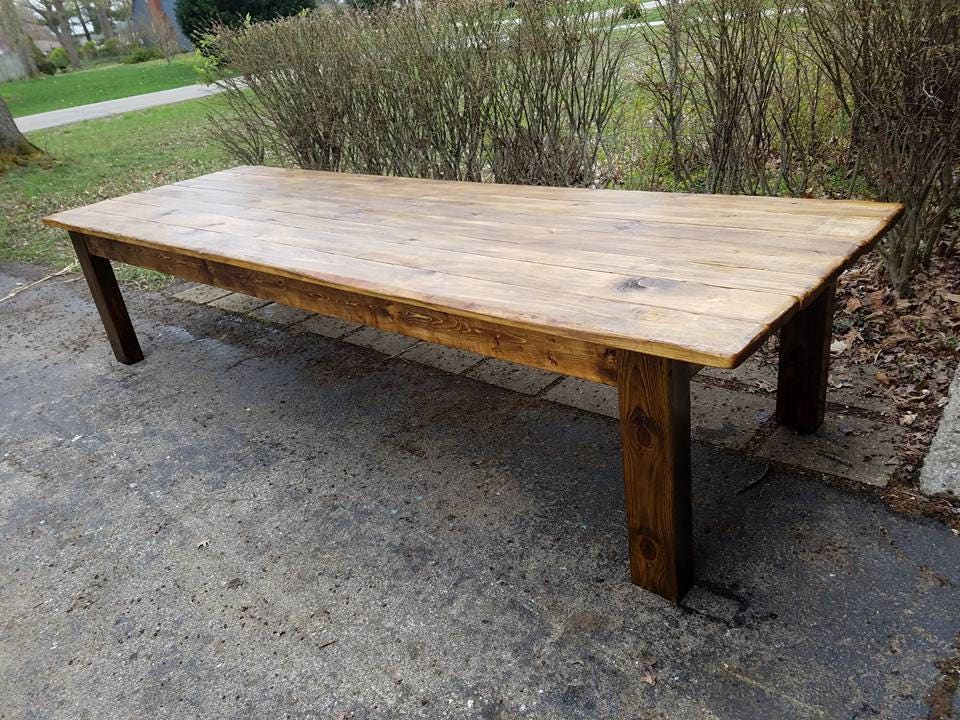
Large Farmhouse Table, Long Farmhouse Table, Kitchen Table

Country / Farmhouse Large Kitchen & Dining Tables
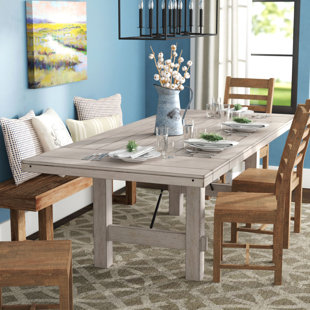
Large Farmhouse Table, Custom Farm Table with Turned Legs

Large Farmhouse Table Custom Farm Table With Turned Legs – Etsy
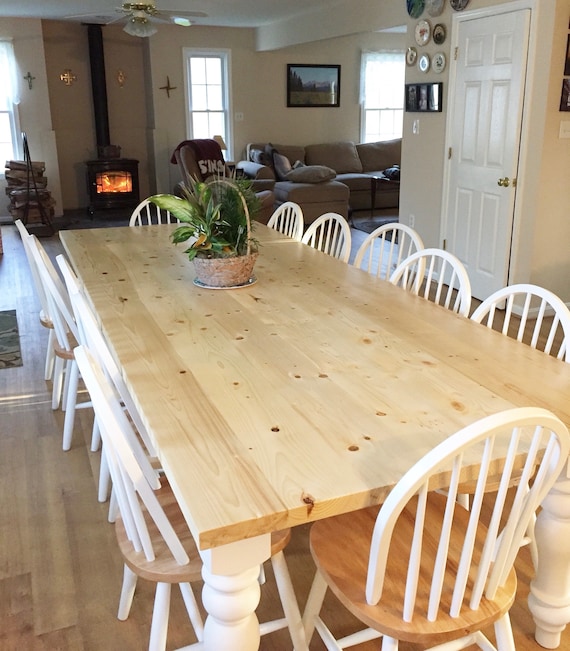
Large Chunky Farmhouse Dining / Kitchen Table, 4 Chairs & Bench

Country Large Kitchen & Dining Table
Related Posts: