When I moved into my 1890s farmhouse three years ago, the kitchen felt empty despite having all the necessary appliances and cabinets. What was missing was a heart, a gathering place that would anchor the room and bring my family together for meals, homework sessions, and late-night conversations. Store-bought tables felt too perfect, too sterile for a home with creaky floors and original wide-plank walls. I knew I needed something with character, something that looked like it had been passed down through generations, even though it would be brand new. What started as a weekend DIY project became a six-month obsession with reclaimed wood, traditional joinery, and creating furniture that would become the centerpiece of my family’s daily life.
Choosing Reclaimed Wood and Materials: Finding Character in Every Grain
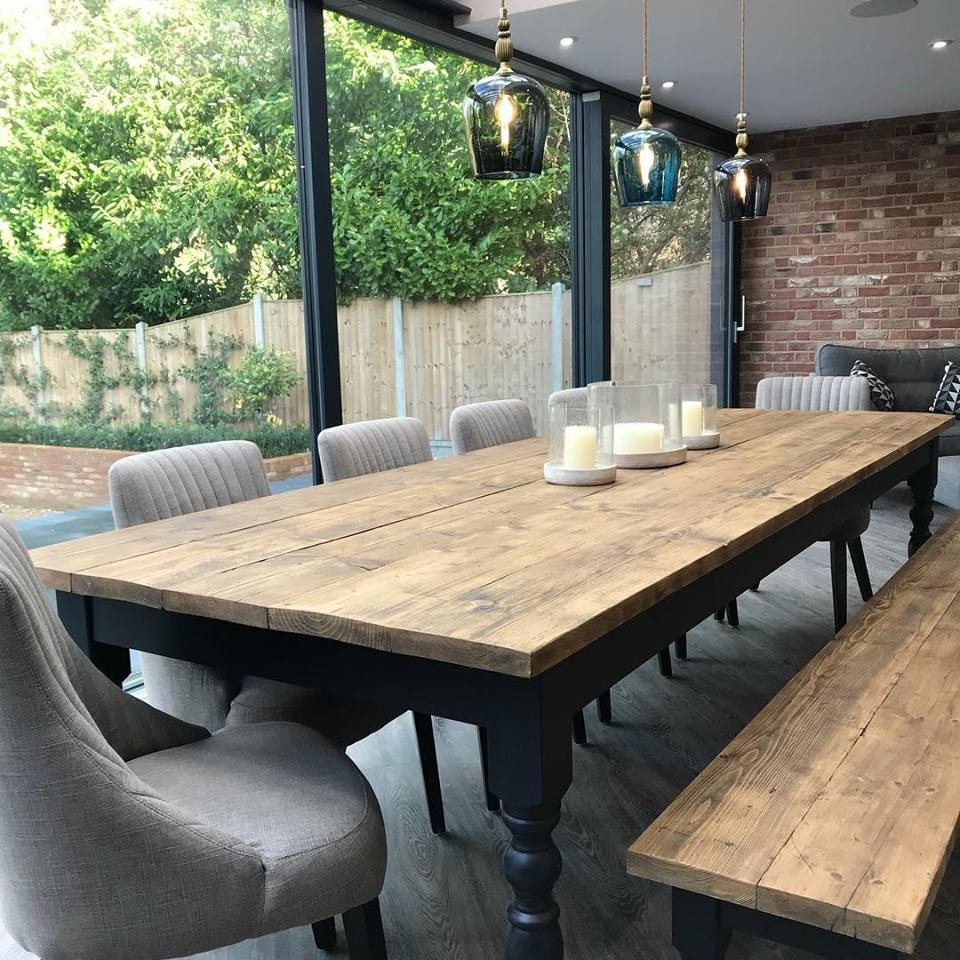
My search for the perfect wood began at a local architectural salvage yard where I spent hours examining beams pulled from century-old barns and factories. The patina and weathering on reclaimed wood tell stories that new lumber simply cannot match, with nail holes, saw marks, and natural aging that create instant character. I selected massive 4×12 beams from a dismantled 1920s grain elevator, knowing that their substantial proportions would create the hefty, authentic look I wanted for my farmhouse table.
Working with reclaimed wood presented challenges I hadn’t anticipated from my previous projects with new lumber. Hidden nails, metal fragments, and deeply embedded dirt required careful preparation before the wood could be safely milled and shaped. I invested in a metal detector specifically for checking each beam before cutting, preventing damage to my saw blades and ensuring safety during the build process. The cleaning and preparation took weeks, but uncovering the beautiful grain patterns beneath decades of accumulated patina made every hour worthwhile.
The character marks in my chosen beams, including insect holes, checking, and weathering patterns, needed to be evaluated for both aesthetic appeal and structural integrity. Some imperfections added charm while others required filling or reinforcement to ensure the table would last for generations. I learned to distinguish between character marks that enhance authenticity and structural defects that could compromise durability. This careful selection process ensured my table would have genuine rustic appeal while maintaining the strength needed for daily family use.
Design Planning and Proportions: Creating the Perfect Gathering Space
Designing my farmhouse table required careful consideration of both my kitchen’s proportions and my family’s needs for daily function. I measured not just the available floor space but also the clearances needed for chairs, walking paths, and the various activities that would happen around the table. The final dimensions of 8 feet by 3.5 feet provided seating for eight people while leaving adequate space for kitchen traffic flow and cabinet access.
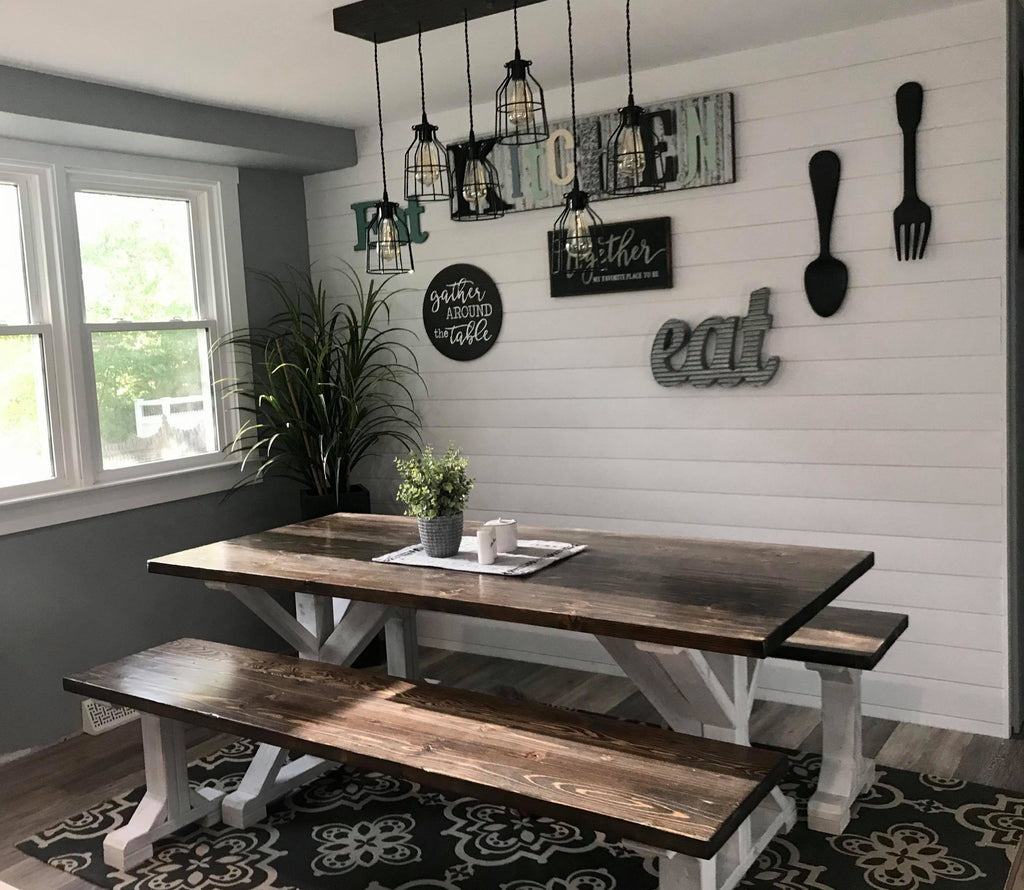
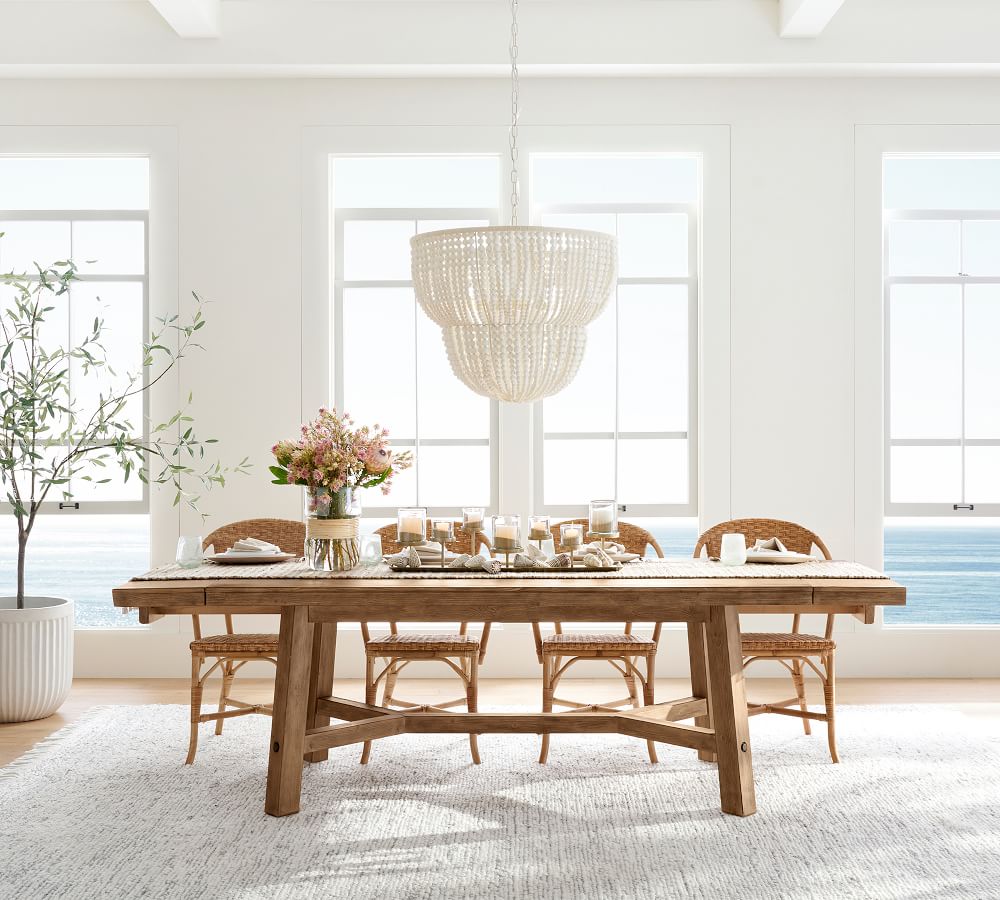
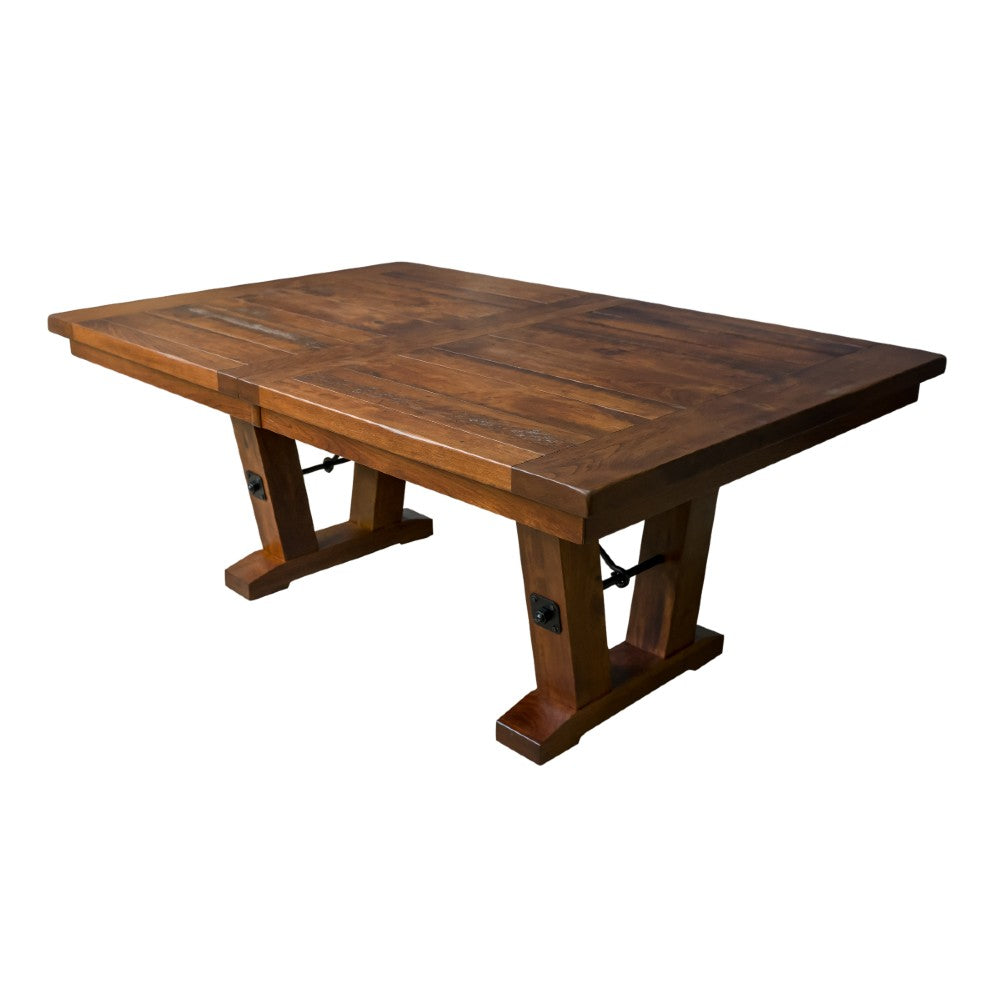
The base design became crucial for achieving authentic farmhouse character while ensuring long-term stability. I chose a traditional trestle-style base with mortise and tenon joinery that would showcase traditional woodworking techniques while providing rock-solid support for the massive tabletop. The stretcher connecting the trestle ends would prevent wobbling and provide additional structural integrity, while also creating the characteristic farmhouse silhouette I wanted.
Height considerations proved more complex than simply following standard table dimensions. I needed to balance traditional farmhouse proportions with modern seating and ensure comfortable ergonomics for family members of different ages and sizes. Testing with temporary mockups revealed that 30 inches provided the best compromise between authentic appearance and practical comfort. This height works perfectly with both traditional Windsor chairs and modern seating while maintaining the substantial, grounded appearance that defines farmhouse furniture.
Traditional Joinery Techniques: Building to Last Generations
Learning traditional mortise and tenon joinery became essential for creating an authentic farmhouse table that would survive decades of family use. Modern fasteners and adhesives lack the character and longevity of traditional woodworking joints that have held furniture together for centuries. I practiced on scrap wood before attempting the actual joints, developing the precision and patience required for hand-cut joinery that would be both strong and beautiful.
The mortise and tenon joints connecting my table’s base required careful layout and multiple attempts to achieve the precise fit that ensures strength without gaps. Hand tools, including chisels and a traditional mortise gauge, produced cleaner results than power tools for this type of precision work. Each joint took hours to complete, but the satisfaction of creating connections that would outlast any mechanical fastener justified the time investment. These traditional techniques connect my table to centuries of woodworking tradition.
Wedged tenons and drawbore pins provided additional security for critical joints while adding authentic period details that mark quality craftsmanship. I learned these techniques from antique furniture restoration books and online resources dedicated to traditional woodworking methods. The slight imperfections inherent in hand-cut joints actually enhance the rustic character I was seeking, proving that machine precision isn’t always desirable in handcrafted furniture. These traditional details distinguish custom-built pieces from mass-produced alternatives.
Finishing Techniques for Authentic Character: Balancing Beauty and Durability
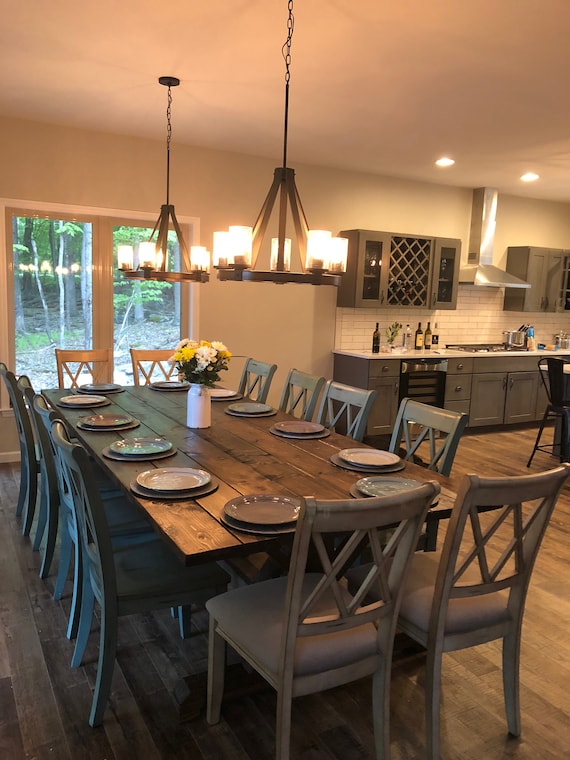
Creating an authentic aged appearance required research into historical finishing techniques and materials used on original farmhouse furniture. I avoided modern polyurethane finishes that create plastic-like surfaces, instead choosing linseed oil and beeswax treatments that penetrate the wood and develop natural patina over time. These traditional finishes enhance rather than mask the wood’s natural character while protecting daily use.
The distressing process demanded restraint and careful planning to achieve believable wear patterns that would naturally occur through generations of use. I studied antique tables to understand how edges round over time, where scratches typically appear, and how high-use areas develop distinctive wear characteristics. Using chains, hammers, and sandpaper, I carefully created wear patterns that looked authentic rather than artificially applied. The goal was a character that enhanced rather than dominated the wood’s natural beauty.
Color development through staining and aging techniques required multiple experiments on scrap pieces to achieve the perfect balance between character and attractiveness. I layered different stains to create depth and variation, then selectively removed some areas to simulate natural wear and aging. The final finish includes subtle variations in color and sheen that mimic decades of use and refinishing, creating a surface that looks like it has developed naturally over time rather than being artificially aged.
Assembly and Installation: Bringing Everything Together
The assembly process for my farmhouse table required careful planning and adequate workspace to handle the substantial weight and dimensions of the completed piece. I enlisted help from friends for lifting and positioning the heavy components, learning that traditional joinery requires precise alignment that’s difficult to achieve working alone. The dry-fit assembly revealed minor adjustments needed in joint fit and proportions before final glue-up and securing.
Getting the completed table into my kitchen presented logistical challenges I hadn’t fully considered during the design phase. The assembled table barely fit through doorways and required partial disassembly to navigate tight corners and stairs. I learned to design future projects with transportation and installation requirements in mind, ensuring that large furniture pieces can be moved without damage to either the furniture or the house.
The final positioning and leveling in my kitchen required patience and careful adjustment to account for the old house’s uneven floors. Traditional farmhouse tables were built to handle imperfect conditions, but modern expectations demand stability and proper function. I used adjustable levelers hidden within the base design to achieve perfect stability while maintaining an authentic appearance. The completed installation process took an entire day but resulted in a table that functions perfectly within my kitchen’s unique conditions.
Living with Character: Daily Use and Maintenance
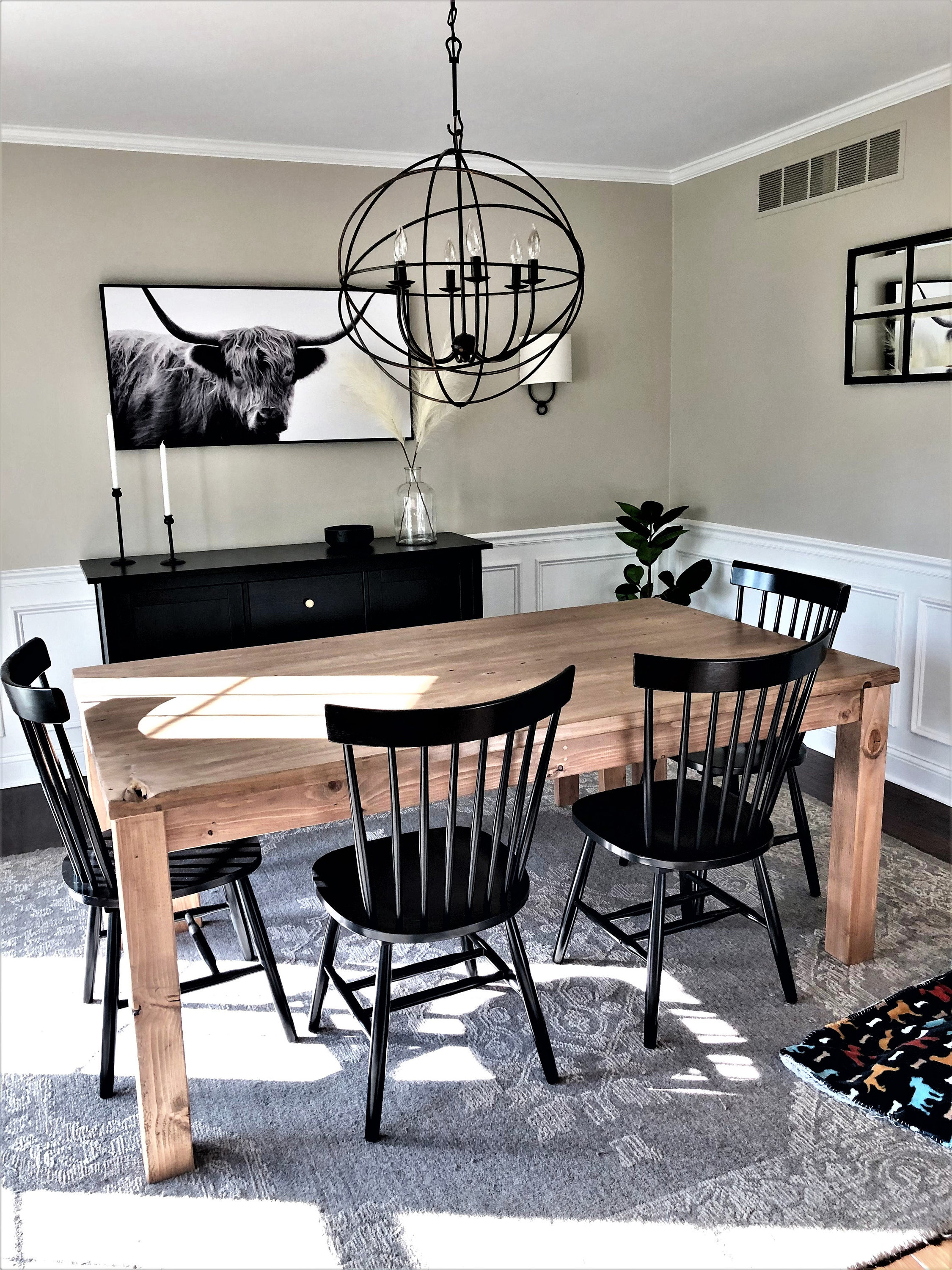
The first few months with my farmhouse table taught me important lessons about balancing character with practicality for daily family life. The natural finish and distressed surface require different care than modern furniture, with regular oiling and waxing to maintain protection and appearance. I developed a maintenance routine that preserves the table’s character while ensuring it can handle everything from homework sessions to holiday meal preparation.
Protecting the table’s finish during daily use required establishing family routines and investing in appropriate accessories. Placemats and trivets protect against heat and moisture while allowing the wood’s beauty to show through. I learned that some wear and additional character marks from daily use actually enhance the table’s authentic appearance rather than diminishing it. Accepting that a working table will show signs of life became part of embracing the farmhouse aesthetic.
The table’s performance during entertaining and holidays has exceeded my expectations, comfortably seating large gatherings while providing the sturdy surface needed for food preparation and serving. The substantial construction handles the weight of holiday feasts without wobbling, while the traditional finish wipes clean easily after meals. Three years of daily use have only enhanced the table’s character, proving that well-built farmhouse furniture improves with age rather than deteriorating.
Cost Analysis and Value Creation: Investment in Family Heritage
The total investment in materials, tools, and time for my farmhouse table project reached approximately $800, not including the value of hundreds of hours spent in design, construction, and finishing work. Comparable handcrafted tables from artisan furniture makers cost $3,000-5,000, making the DIY approach financially attractive for those willing to invest the time and effort required. The satisfaction of creating a family heirloom with my own hands added immeasurable value beyond monetary considerations.
Tool acquisition for the project required significant upfront investment in chisels, hand planes, and specialized joinery tools that I didn’t previously own. However, these tools have proven useful for numerous subsequent projects, spreading their cost across multiple furniture pieces and home improvement tasks. Learning traditional woodworking skills has opened opportunities for furniture repair, restoration, and future custom building projects that continue to provide value.
The completed table has become the centerpiece of my kitchen and a constant source of pride and satisfaction. Friends and family consistently comment on its beauty and craftsmanship, and several have commissioned similar pieces after seeing the results. The table represents not just furniture but a tangible connection to traditional craftsmanship and a legacy piece that will serve my family for generations. This long-term perspective makes the investment in time and materials seem modest compared to the decades of use and enjoyment ahead.

How much woodworking experience do you need to build a farmhouse table like this?
I had basic woodworking skills, but learned traditional joinery specifically for this project. The hand-cut joints require patience more than advanced skill, though power tool experience helps with dimensioning lumber. I recommend practicing joinery techniques on scrap wood first. Plan 6-12 months for your first traditional table, depending on available workshop time.
Where’s the best place to find quality reclaimed wood for furniture projects?
Architectural salvage yards, barn demolition companies, and specialty reclaimed lumber dealers are good sources. I also found success contacting local contractors doing renovation work. Expect to pay $3-8 per board foot for quality reclaimed wood, but inspect carefully for hidden metal and structural soundness before purchasing.

How do you prevent cracking and movement in large tabletops made from reclaimed wood?
Proper kiln drying or extended air drying is crucial before construction. I used figure-8 fasteners to attach the top, allowing seasonal movement while preventing warping. Maintaining consistent humidity and avoiding extreme temperature changes helps minimize movement. Some checking and character development is normal and actually enhances authentic appearance.
What’s the maintenance routine for a farmhouse table with a traditional oil finish?
I oil the surface every 3-4 months with boiled linseed oil, followed by paste wax for protection and sheen. Daily cleaning uses only damp cloths, avoiding harsh cleaners that strip the finish. Annual deep cleaning includes light sanding of high-wear areas before re-oiling. This routine maintains protection while allowing natural patina development.

Can you achieve authentic farmhouse character with new wood instead of reclaimed materials?
Yes, though it requires more distressing and aging techniques. I’ve seen excellent results using new pine or oak with careful staining, distressing, and traditional finishes. The key is studying authentic antique pieces and applying wear patterns that look natural. New wood costs less but requires more finishing work to achieve convincing character.
How long should I expect a handbuilt farmhouse table to last with regular family use?
With proper construction and maintenance, these tables can last centuries. My table shows minimal wear after three years of heavy family use, and the solid wood construction allows for refinishing when needed. Traditional joinery actually tightens with age and use. Quality materials and techniques create furniture that becomes more valuable and beautiful over time rather than wearing out.
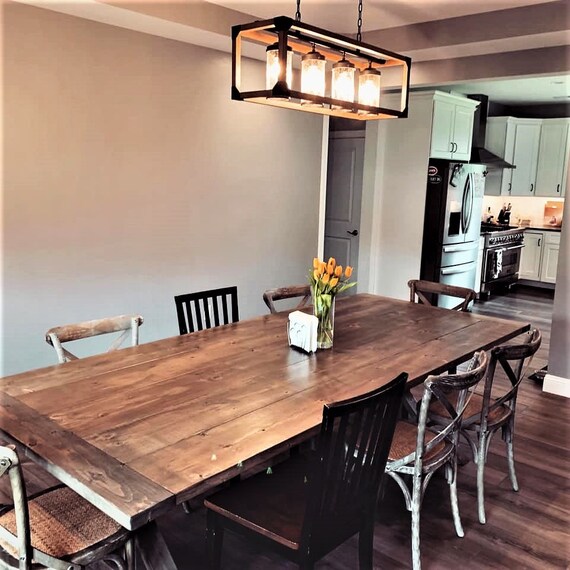
Rustic Extendable Farmhouse Dining Table Rustic Red Door
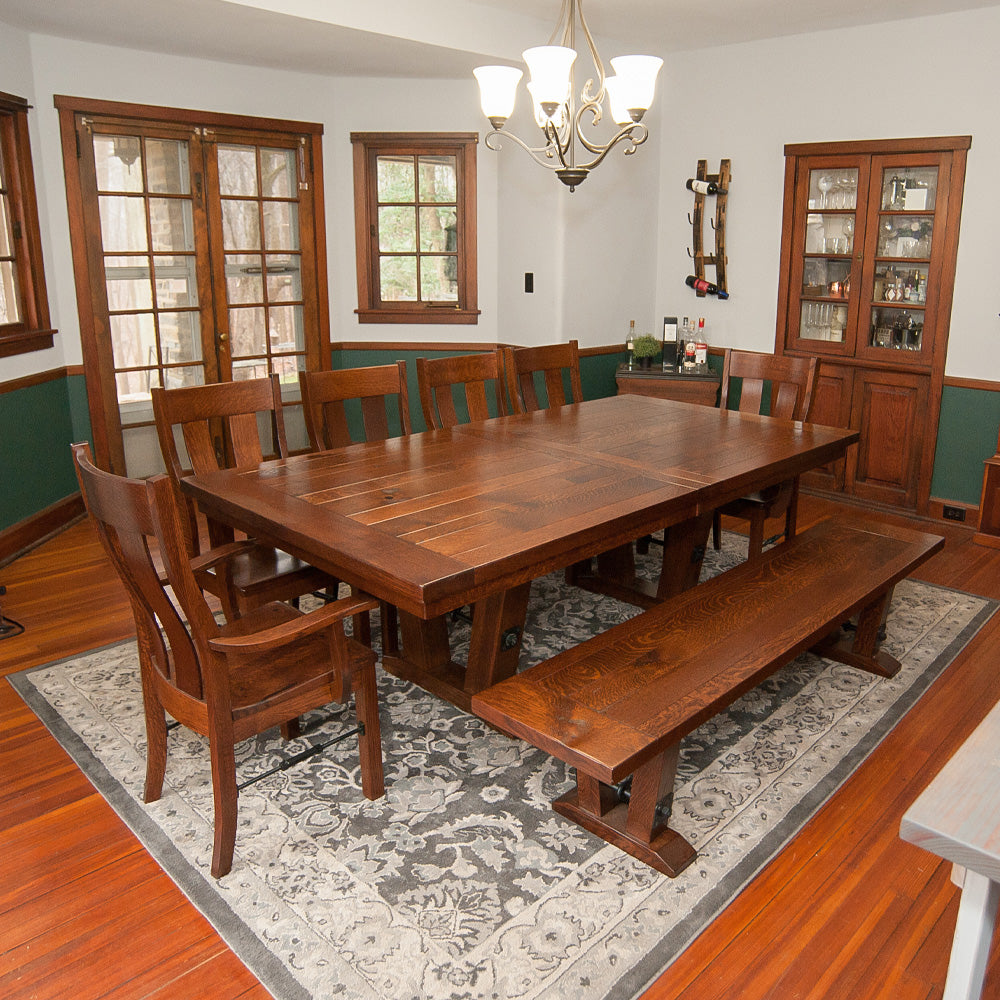
Weathered Farmhouse Table Set
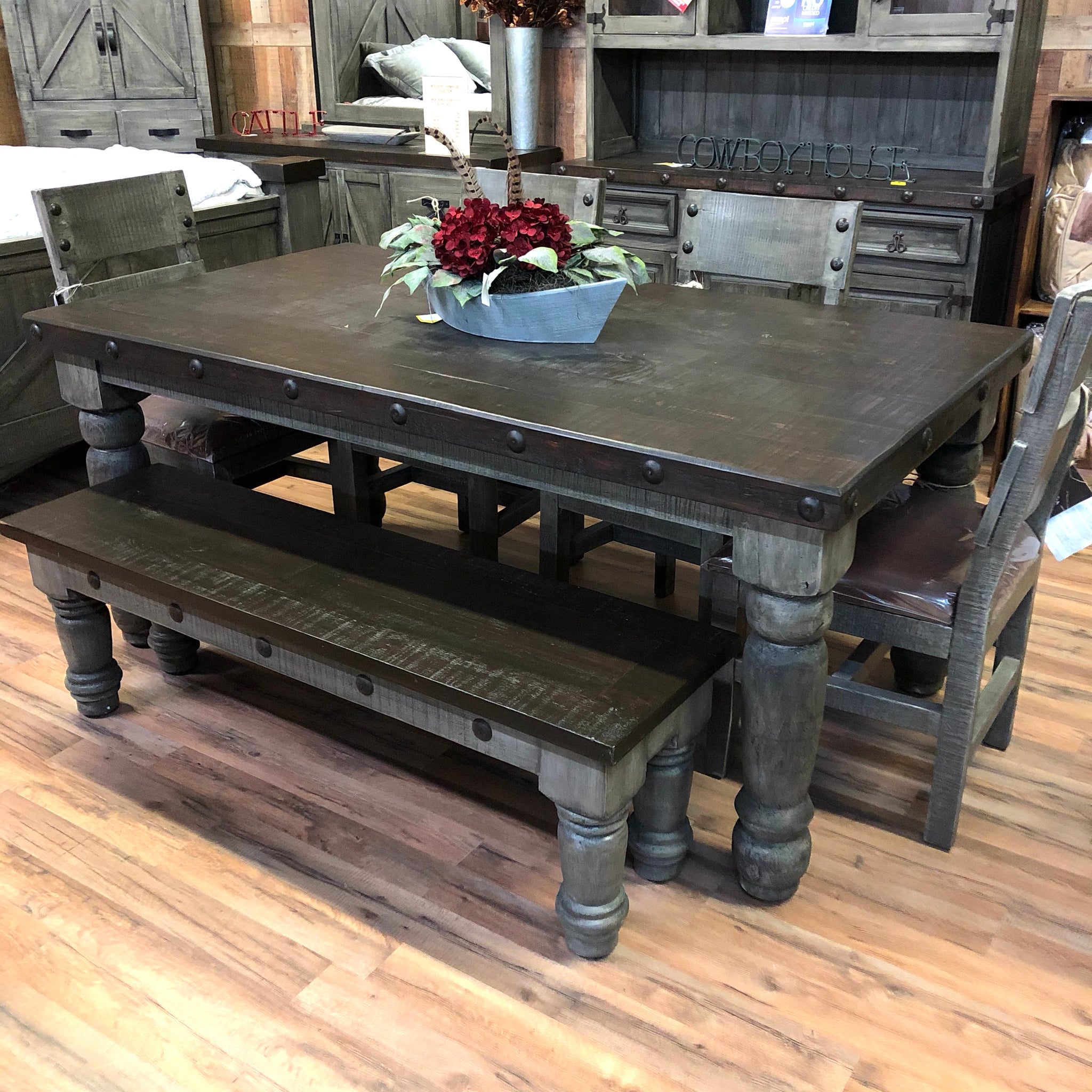
Large Farmhouse Table Long Farmhouse Table Kitchen Table
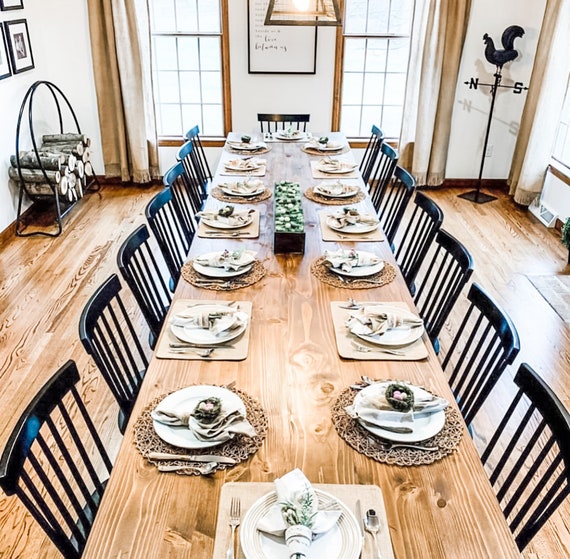
Mayo Rustic Farmhouse Acacia Wood Dining Table, Dark Brown and White

Rustic Extendable Farmhouse Dining Table Rustic Red Door
Related Posts: