When I renovated my kitchen three years ago, I knew I wanted that inviting country feel, but I hadn’t realized how much the flooring choice would impact the entire space. After living with hardwood for a year, dealing with water damage near the sink, and watching my budget carefully, I learned that choosing the right country kitchen flooring involves balancing aesthetics with serious practical considerations. The floor you choose sets the foundation for everything else in the room, and I’ve picked up some hard-won wisdom about what works and what doesn’t in a real, working kitchen.
Wide-Plank Hardwood: The Classic Country Choice
There’s something undeniably special about authentic hardwood floors in a country kitchen. When I first installed 5-inch white oak planks in my space, I was absolutely thrilled with the warm, natural beauty they brought to the room. The wider planks create a more rustic, farmhouse feel compared to narrow strips, and the variation in grain patterns adds character that you just can’t replicate with other materials. I chose a hand-scraped finish that gave the floors an aged, lived-in appearance right from the start.
The reality of maintaining hardwood in a kitchen hit me pretty quickly, though. I learned to keep mats near the sink and dishwasher because even small amounts of standing water can damage the finish over time. Spills need immediate attention, something that became my mantra after a particularly stressful incident with a leaking refrigerator water line. Despite the maintenance demands, I still love how the wood feels underfoot and how it warms the entire space visually.
If you’re considering hardwood, I’d strongly recommend engineered wood over solid planks for kitchen applications. Engineered flooring handles humidity changes much better, which matters when you’re boiling pasta or running the dishwasher constantly. The top layer is still real wood, so you get that authentic appearance and can even refinish it once or twice. I wish I’d known this before installing solid hardwood, as it would have saved me some anxiety during humid summer months.
Luxury Vinyl Plank: The Practical Alternative
After dealing with hardwood headaches for a year, I made the switch to luxury vinyl plank in my high-traffic areas, and honestly, it’s been a game-changer. Modern LVP has come so far that my guests genuinely can’t tell it’s not real wood until I point it out. The planks I chose mimic reclaimed barn wood, complete with realistic texture and color variation that captures that country aesthetic perfectly. Installation was straightforward enough that I tackled it myself over a long weekend.
The waterproof aspect of LVP has eliminated so much stress from my daily routine. I no longer panic when my son spills his water glass or when I’m washing vegetables at the sink. The flooring can handle puddles sitting for hours without any damage, though I still wipe things up relatively quickly out of habit. This peace of mind alone makes LVP worth considering, especially if you have kids, pets, or just a busy household like mine.
Cost-wise, quality LVP runs significantly less than hardwood, and the savings allowed me to splurge on other elements of my kitchen. I paid about $4 per square foot for a premium product with a thick wear layer and attached underlayment. Installation costs were minimal since I did it myself, but even if you hire professionals, LVP installation runs cheaper than hardwood. Three years in, my floors still look brand new, with no scratches, dents, or wear patterns visible despite constant use.
Natural Stone Tile: Timeless Country Elegance
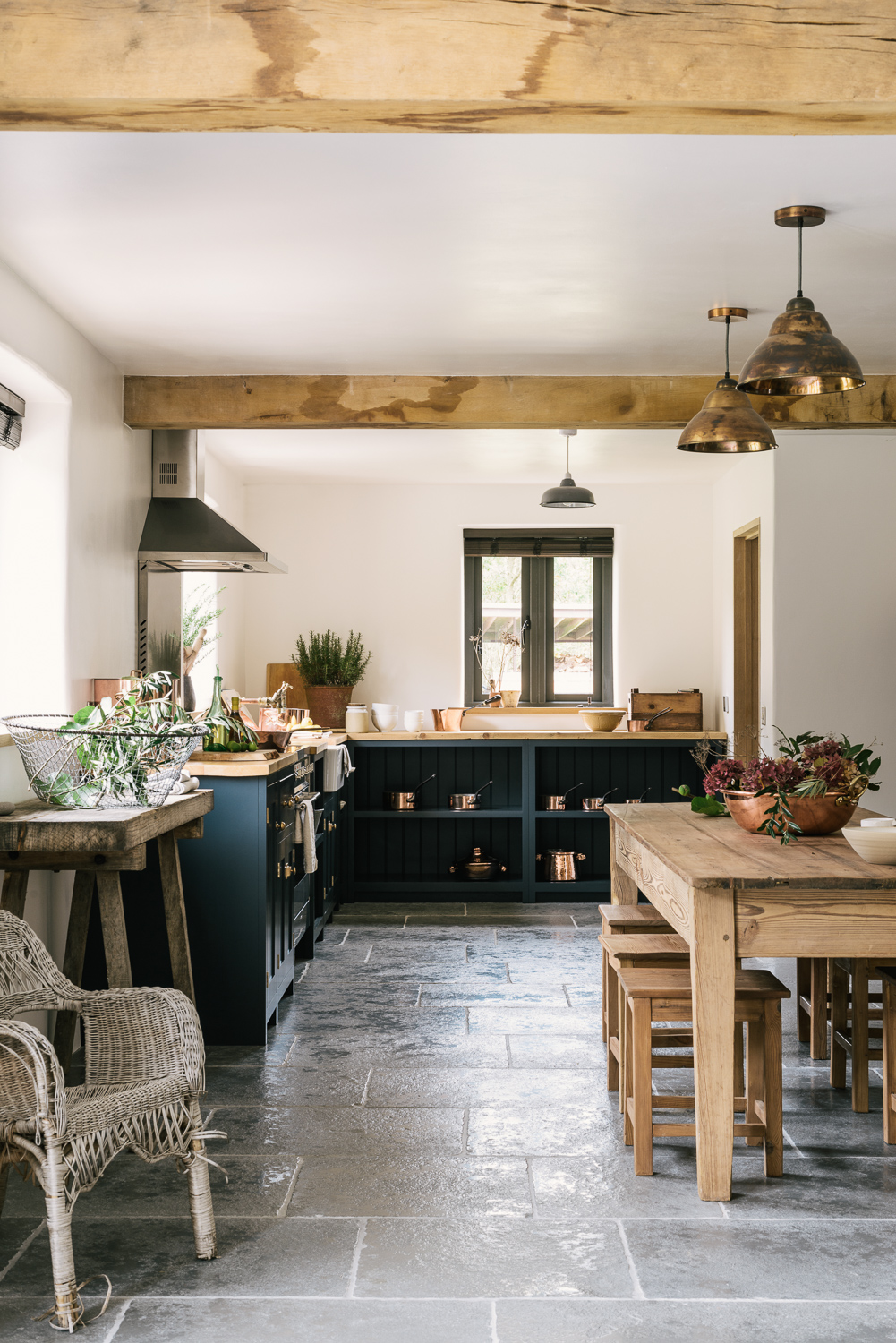
Before I settled on LVP, I seriously considered natural stone tile, and I have friends who’ve used it beautifully in their country kitchens. Slate, limestone, and travertine all offer that earthy, organic feel that complements country design perfectly. The cool, substantial feel of stone underfoot has a certain luxury to it, and each tile is genuinely unique with natural color variations. My neighbor’s tumbled travertine floors have this gorgeous, rustic texture that gets better with age.
The downsides became clear when I researched more thoroughly. Stone requires sealing every year or two to protect against stains, and some types are quite porous. My friend learned this the hard way when red wine soaked into her unsealed limestone and left a permanent mark. Stone is also cold underfoot, which might feel refreshing in summer but requires radiant floor heating or thick rugs in winter. The hardness that makes stone durable also means dropped dishes rarely survive, and standing on it for long cooking sessions can be tough on your feet and back.
Installation complexity and cost put stone out of reach for my budget. Professional installation is really necessary because stone tiles are heavy and require perfect substrate preparation. The materials alone can run $8 to $15 per square foot or more for quality stone, and labor adds significantly to that. If you have the budget and are willing to maintain it properly, stone creates an incredibly beautiful, authentic country kitchen that will last for generations.

Ceramic and Porcelain Tile in Farmhouse Patterns
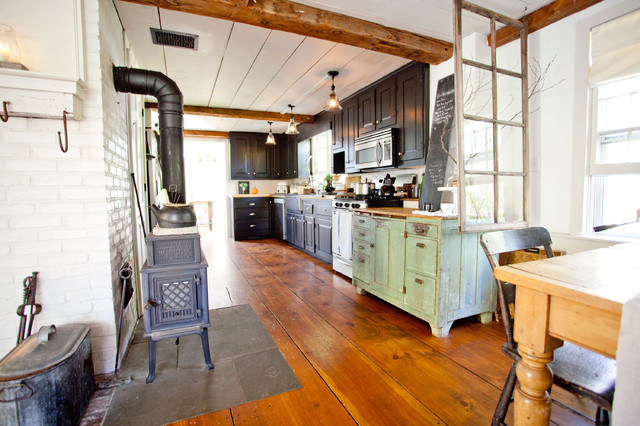
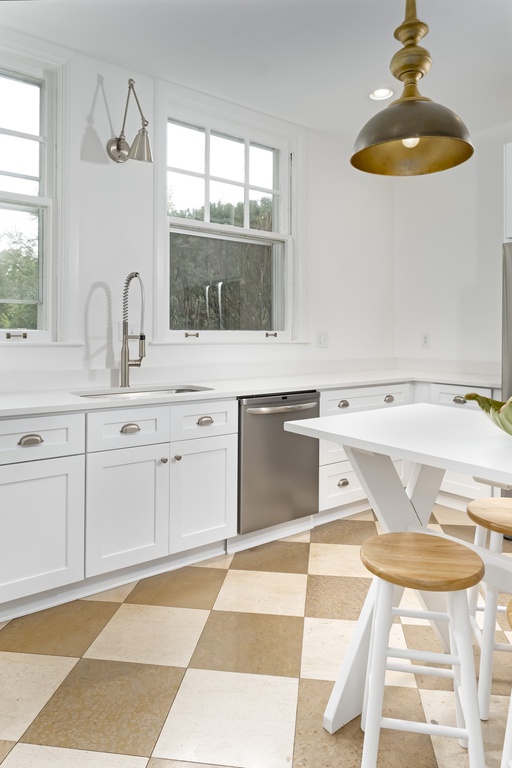
Ceramic and porcelain tiles offer a middle ground that I almost went with before choosing LVP. The variety of patterns available now is incredible, from classic checkerboard designs to intricate encaustic-style patterns that evoke vintage country farmhouses. I particularly loved the cement-look porcelain tiles that mimic old European farmhouse floors with their faded, patinated appearance. These tiles can handle anything you throw at them and cost considerably less than natural stone.
What ultimately steered me away from ceramic tile was the grout maintenance. I have light-colored grout in my bathroom, and keeping it clean requires more effort than I wanted to commit to in my kitchen. Dark grout hides stains better but creates a busier look that didn’t match my vision. That said, modern grout sealers and epoxy grout options have improved dramatically, making maintenance easier than it was even a few years ago when my parents did their kitchen.
The comfort factor also played into my decision. Tile is hard and unforgiving, similar to stone, which matters when you’re spending hours cooking and cleaning. However, if you love the look of patterned tile and want that authentic country aesthetic, it’s hard to beat ceramic or porcelain for durability and water resistance. Just budget for quality installation and consider adding anti-fatigue mats in areas where you stand frequently, like in front of the sink and stove.
Reclaimed and Distressed Wood for Authentic Character
I’ve toured several country kitchens with reclaimed wood floors, and they have an authenticity that’s hard to match with new materials. These floors feature genuine age, wear patterns, and character marks that tell a story. Barn wood, old factory flooring, and salvaged lumber from historic buildings all bring incredible texture and history into your space. The imperfections, nail holes, and color variations are features rather than flaws, creating one-of-a-kind floors.
The challenges with reclaimed wood are significant, though. Sourcing quality materials takes time and effort, and you need to ensure the wood has been properly cleaned, dried, and prepared for installation. Some reclaimed wood can harbor pests or mold if not treated correctly. The cost often surprises people, too, running higher than new hardwood because of the labor involved in sourcing and preparing the materials. My cousin paid nearly $12 per square foot for reclaimed oak from a dismantled barn.
If authentic reclaimed wood is beyond your budget, consider new hardwood with heavy distressing. Many manufacturers now offer floors that look genuinely aged through wire-brushing, hand-scraping, and custom staining techniques. I’ve seen these installed in country kitchens where they’re virtually indistinguishable from the real thing. You get that rustic character without the potential issues of truly old wood, and the flooring comes with modern finishes that protect against kitchen moisture and wear.

Cork and Bamboo: Sustainable Country Options
When I was researching eco-friendly flooring options, cork and bamboo both caught my attention as sustainable alternatives that can work in country kitchens. Cork has this wonderful warmth and cushion underfoot that makes standing while cooking much more comfortable. The natural variations in cork create interesting visual texture, and it has inherent antimicrobial properties. I tested cork samples in my kitchen and loved how quiet and comfortable it felt, though I ultimately chose differently.
Bamboo offers a cleaner, more contemporary look that can still work in country kitchens if you choose wider planks and warmer stains. It’s technically a grass rather than wood, making it incredibly renewable since it grows to maturity in just a few years. Strand-woven bamboo is harder than many hardwoods, standing up well to kitchen traffic and dropped utensils. The grain patterns are subtle and linear, creating a calm backdrop for country decor and colorful accents.
Both materials have moisture limitations that concerned me for kitchen use. While they handle humidity better than traditional hardwood, standing water can still cause damage. Cork needs sealing to protect its surface, and bamboo can swell or warp if water seeps between planks. If you’re drawn to these sustainable options, I’d suggest using them in kitchen areas away from major water sources and combining them with tile or waterproof flooring near sinks and appliances for practical protection.

What’s the most durable flooring for a busy country kitchen?
From my experience, porcelain tile and quality luxury vinyl plank are the most durable options for high-traffic kitchens. Porcelain is virtually indestructible and handles moisture perfectly, while LVP resists scratches, dents, and water damage remarkably well. I chose LVP because it’s more comfortable underfoot and easier to install, but both options will last decades with minimal maintenance. Hardwood looks beautiful but requires more care and isn’t as forgiving with water exposure.
Can I install country kitchen flooring myself to save money?
I successfully installed my own LVP flooring and saved thousands in labor costs. Floating LVP floors with click-lock systems are genuinely DIY-friendly if you’re reasonably handy and patient. Tile installation is more challenging but doable with research and the right tools. I wouldn’t attempt hardwood installation myself, as improper acclimation, spacing, or finishing can cause expensive problems. Reclaimed wood and stone definitely require professional installation, in my opinion.
How do I choose flooring that won’t show every crumb and spill?
Medium-toned floors with variation hide dirt and imperfections better than very light or very dark options. I learned this after visiting friends with white oak floors that showed every dust bunny. My LVP in a mixed brown tone with texture disguises normal kitchen mess between cleanings. Matte or hand-scraped finishes also hide wear better than glossy surfaces. Avoid solid colors without variation, as they show everything and require constant attention.
What’s the best flooring for a country kitchen on a tight budget?
Sheet vinyl has come a long way and can look surprisingly good while being incredibly affordable and waterproof. Quality laminate is another budget option that mimics wood convincingly, though it’s not truly waterproof. I’d save a bit longer for luxury vinyl plank if possible, as the mid-range options around $3 to $4 per square foot offer excellent value and performance. Installation costs matter too, so DIY-friendly options like floating LVP can stretch your budget further.
Should country kitchen flooring match the rest of my home’s floors?
I chose to transition between my kitchen LVP and the hardwood in adjoining rooms, and I’m happy with that decision. Kitchens have different performance needs than living spaces, so using different materials makes practical sense. If aesthetics concern you, choose flooring in similar tones or wood species for visual flow. Transition strips between rooms look intentional and professional when installed properly. Matching exactly throughout can limit your kitchen options unnecessarily.
How important is underlayment for country kitchen flooring?
Underlayment made a huge difference in my installation. It provides cushioning that makes floors more comfortable for standing, reduces noise, and helps even out minor subfloor imperfections. For LVP, I used cork underlayment that adds warmth and sound dampening. Some flooring has attached underlayment, which simplifies installation. Skip moisture barriers at your peril if you’re installing over concrete, as I learned from a friend’s costly mistake with buckling laminate floors.

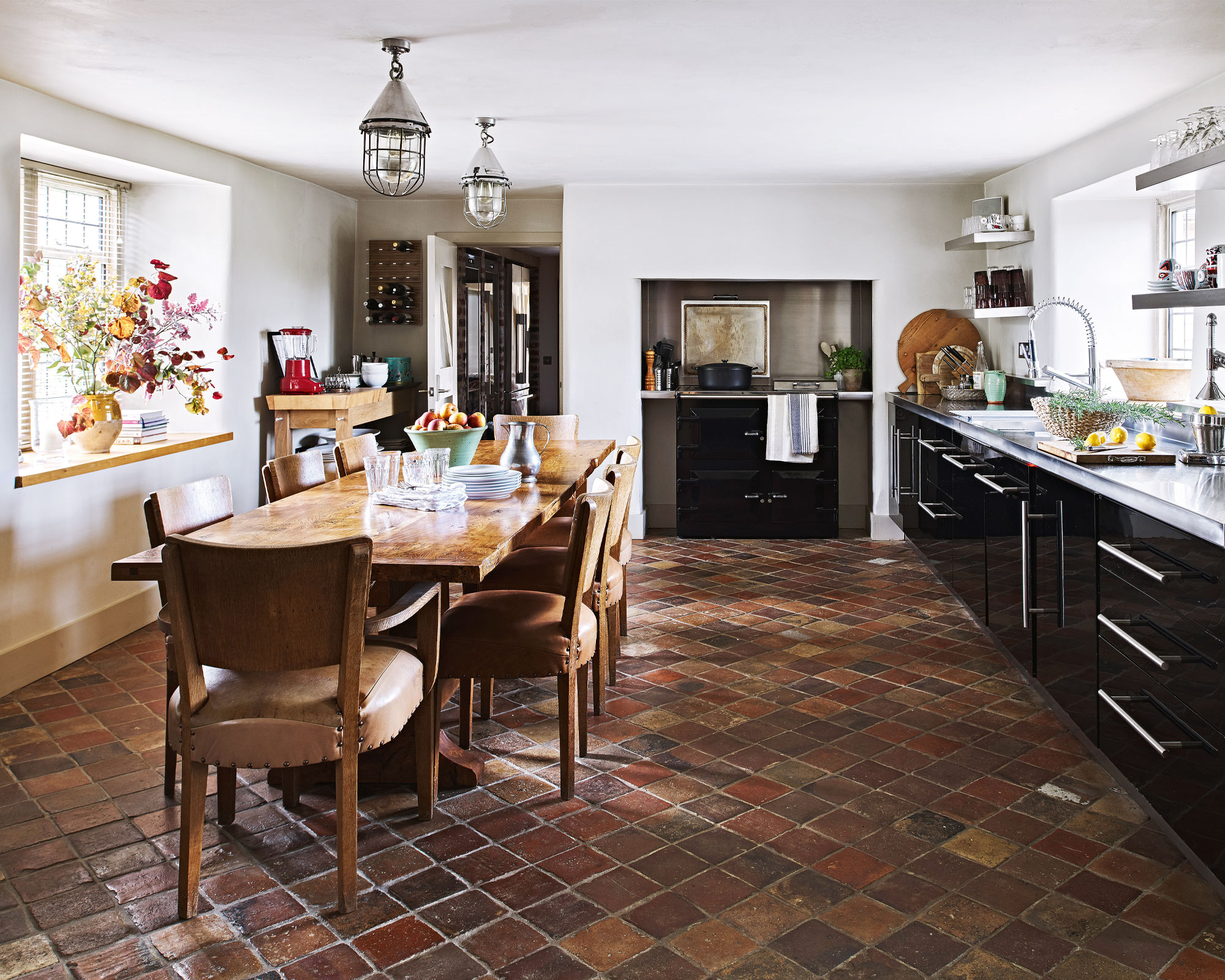
Brick Country Kitchen Floor
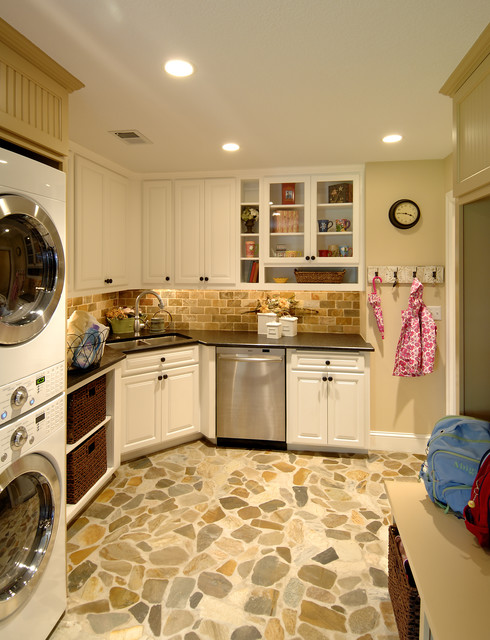
Country Style Kitchen
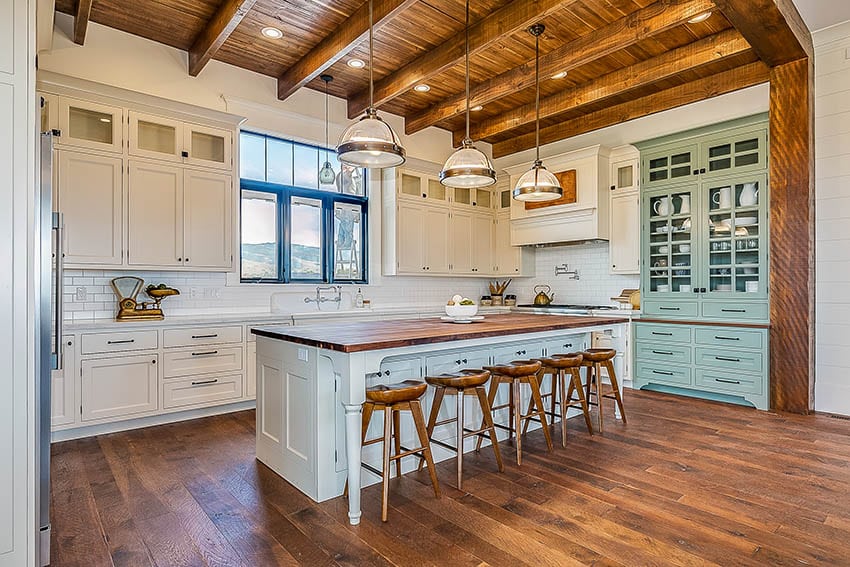
Beautiful Country Kitchen Designs
Best Country kitchen flooring ideas flooring

Farmhouse Style Kitchens – Rustic Decor Ideas for Kitchens
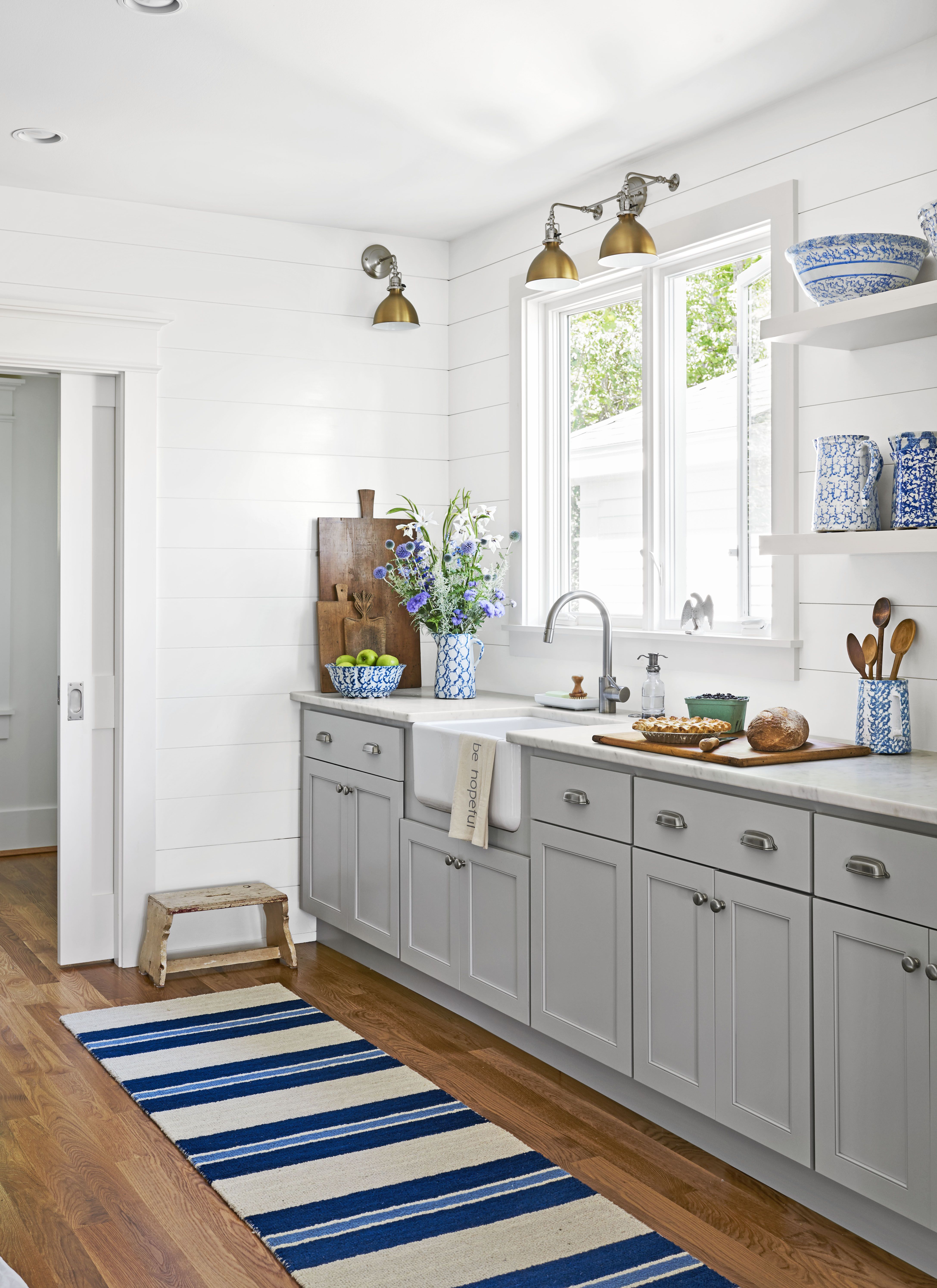
Country kitchen designs

Related Posts: