When I bought my little cottage by the lake three years ago, the kitchen was stuck in a 1980s time warp with worn laminate countertops that had seen better days. I knew the countertops would be the foundation of my cottage kitchen transformation, setting the tone for that relaxed, charming aesthetic I’d been craving.
After months of research, showroom visits, and endless Pinterest scrolling, I finally chose countertops that perfectly capture the cottage vibe while being practical enough for everyday life. The journey taught me that cottage style isn’t about one specific material; it’s about finding what speaks to your personal vision of comfort and warmth while fitting your lifestyle and budget.
Exploring Butcher Block for Authentic Cottage Charm
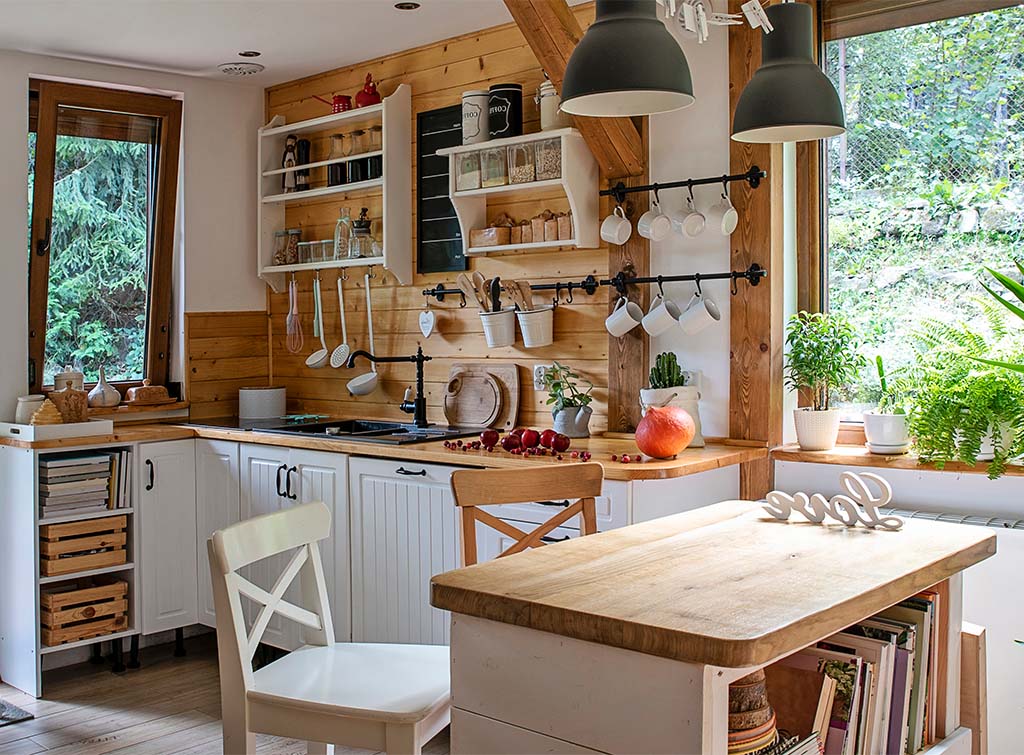
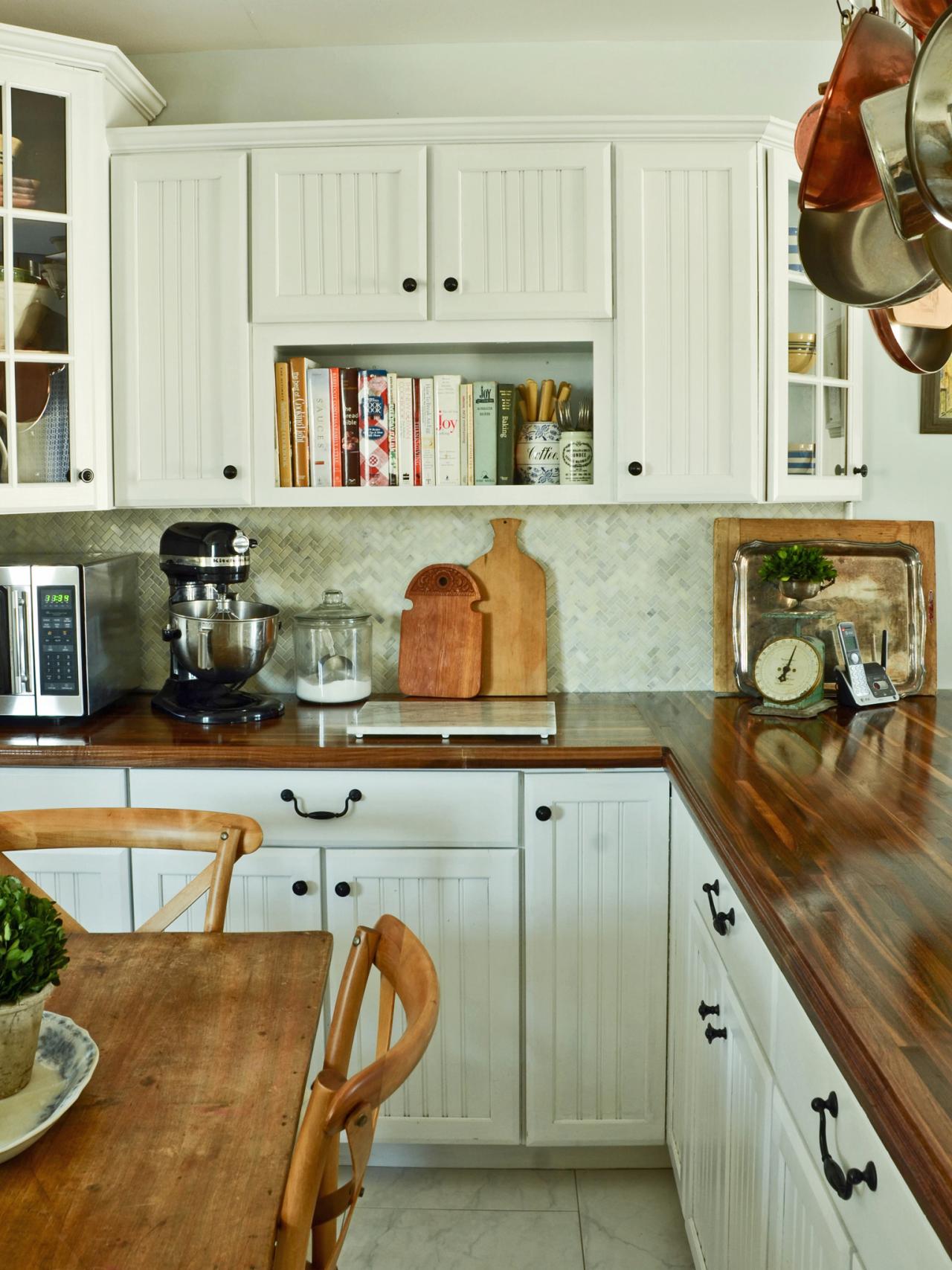
I fell hard for butcher block countertops the moment I saw them in a friend’s cottage kitchen. There’s something so warm and inviting about natural wood that immediately makes a space feel lived-in and loved. I chose maple butcher block for most of my counters, and it’s brought an organic, tactile quality to my kitchen that I absolutely adore. Running my hands across the smooth wood grain while I’m cooking or baking feels grounding and comforting in a way that stone or laminate never could.
The installation process was surprisingly straightforward. My contractor secured the butcher block pieces to my cabinets, and we spent an afternoon sanding and applying food-safe mineral oil to seal them. I learned quickly that butcher block requires regular maintenance, oiling every few weeks initially and then monthly once it’s seasoned.
Some people might see this as a downside, but I find the ritual meditative. Taking twenty minutes each month to care for my countertops keeps them looking beautiful and actually deepens my connection to my kitchen.
One thing I wish someone had told me earlier is that a butcher block isn’t ideal everywhere in a cottage kitchen. I love mine for prep areas and my small breakfast bar, but I installed quartz around my sink, where water exposure is constant.
Mixing materials this way gave me the warmth of wood where I wanted it most while keeping practical considerations in mind. The combination actually enhances the cottage aesthetic, creating visual interest and showing that cottage style can be both beautiful and sensible.
Choosing Soapstone for Timeless Cottage Beauty
Before settling on my final design, I seriously considered soapstone for all my countertops. I’d seen it in historic New England cottages during a trip to Maine, and I was captivated by its soft, matte finish and the way it develops character over time. Soapstone has this incredible depth and warmth that feels perfectly suited to cottage living. The dark gray color with subtle veining creates a striking contrast against white or cream cabinets, which is classic cottage style.
What drew me to soapstone was learning about how it actually improves with age and use. Unlike granite or marble, which can look worn when scratched, soapstone develops a beautiful patina over the years. Small scratches and marks can be buffed out with sandpaper, or you can embrace them as part of the stone’s evolving story. I ultimately didn’t choose soapstone for my whole kitchen due to budget constraints, but I used it for a small section near my stove, and I love watching it darken and develop character.
The maintenance requirements are minimal, which surprised me for a natural stone. Soapstone is non-porous, so it doesn’t stain or harbor bacteria like some other stones. I treat mine with mineral oil every few months to enhance the dark color and give it that rich, deep appearance I love. If I ever renovate another cottage kitchen, I’d seriously consider using soapstone more extensively. The initial cost is higher than some options, but the longevity and timeless beauty make it a worthwhile investment for the cottage aesthetic.

Why I Chose Marble Despite the Warnings
Everyone told me I was crazy to consider marble for a cottage kitchen. Too high maintenance, stains easily, etches from acidic foods, the list of warnings went on and on. But something about marble felt so perfectly cottage to me, that soft, elegant look with natural veining that’s been used in country homes for centuries. I decided to take the plunge and install Carrara marble on my small island, and I’ve never regretted it for a second, even with the maintenance it requires.
I treat my marble island with respect and care, using cutting boards religiously, wiping up spills immediately, and sealing it every six months. Yes, it’s developed a few etches from lemon juice and wine, but honestly, those imperfections add to the cottage charm rather than detract from it. The whole point of cottage style is embracing the imperfect and lived-in, and my marble countertop tells the story of meals prepared, drinks shared, and life fully lived in this space.
The key to living successfully with marble in a cottage kitchen is adjusting your expectations and maintenance routine. I keep a spray bottle of pH-neutral cleaner handy and wipe down the marble after every use. I’ve learned which activities to avoid directly on the marble surface, like cutting citrus fruits or placing hot pots. For everything else, my butcher block and quartz areas handle the heavy-duty work. The marble is really the jewelry of my kitchen, beautiful and special, requiring a bit of extra care but absolutely worth it.
Mixing Materials for Perfect Cottage Function
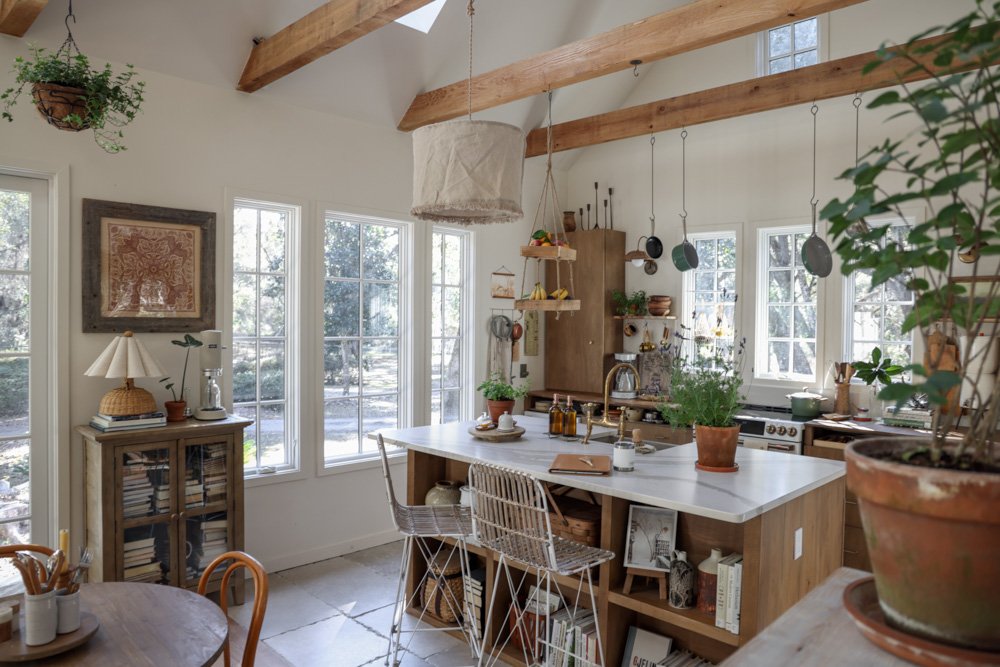
One of the smartest decisions I made was mixing different countertop materials throughout my cottage kitchen. This approach let me have the aesthetic warmth I wanted while keeping everything practical and budget-friendly. My main perimeter counters are butcher block, my island features marble, and I have quartz around the sink and stove. Each material serves a specific purpose, and the variety actually enhances the collected-over-time cottage aesthetic.
Mixing materials might sound chaotic, but it creates visual interest and tells a more authentic cottage story. Historic cottages rarely had matching countertops throughout; they evolved as needs changed and budgets allowed. My kitchen feels curated and personal rather than showroom-perfect, which is exactly the vibe I wanted. The different heights and edges of each material create subtle transitions that draw the eye and make the space feel larger and more dynamic than it actually is.
The practical benefits of this approach can’t be overstated. I have a butcher block where I do most of my baking and prep work because I love the warm surface for rolling dough. The quartz near my sink handles water splashes and dish soap without any worry. My marble island is perfect for pastry work since the cool surface is ideal for working with butter and dough. Each material plays to its strengths, and together they create a kitchen that’s both beautiful and genuinely functional for how I actually cook and live.

Finding Affordable Alternatives That Capture Cottage Style
I’ll be completely honest, my budget didn’t allow for high-end materials throughout my entire kitchen. After pricing out all butcher block or stone counters, I needed to get creative with some areas. I discovered that quartz designed to look like marble or soapstone can be absolutely stunning and costs significantly less than the real thing. For my desk area and a small section of counter near the fridge, I used these look-alike options, and most people can’t tell the difference.
The key to making affordable alternatives work in a cottage kitchen is choosing patterns and colors that feel natural and understated. I avoided quartz with overly dramatic veining or too-perfect patterns that scream artificial. Instead, I found options with soft, subtle variations that mimic the gentle movement of real stone. The matte finish was crucial; anything too shiny or polished reads as modern rather than cottage. With the right choices, these practical materials blend seamlessly with my authentic wood and stone pieces.
I also considered laminate for some areas, and modern laminate has come incredibly far from what I remember growing up. There are beautiful options that mimic wood, stone, and concrete with surprising realism. While I ultimately didn’t use laminate in my cottage kitchen, I wouldn’t hesitate to recommend it for someone working with a tighter budget. The important thing is creating a space that feels authentically cottage to you, and that’s entirely possible at any price point with thoughtful material selection and good design.

Edge Profiles and Details That Matter
I never realized how much edge profiles would impact the cottage feel of my kitchen until my fabricator started showing me options. The edges you choose can make countertops feel formal and fancy or relaxed and cottage-appropriate. I went with simple, eased edges on most of my counters, which means slightly rounded corners that feel soft and approachable. Nothing too fancy or decorative, just clean and unpretentious, perfect for cottage style.
For my marble island, I splurged on a slightly more detailed edge called a half bullnose, where the edge is rounded into a gentle curve. It adds just a touch of elegance without feeling fussy or over-designed. The rounded edge also feels safer and more comfortable when I’m working at the island or when guests lean against it during gatherings. These small details might seem insignificant, but they really do affect how you interact with and feel about your space every single day.
Thickness is another consideration I hadn’t thought much about initially. Standard countertops are typically one and a quarter inches thick, but I chose to go with a thicker profile on my island to make it feel more substantial and furniture-like. The extra thickness gives the island more visual weight and presence, anchoring the kitchen and reinforcing that cottage aesthetic of sturdy, well-built furniture that lasts for generations. It cost a bit extra, but it completely changed how the island feels in the space.

How much did your cottage kitchen countertops cost in total?
My mixed-material approach cost around $5,500 for about 45 square feet of countertop space. The butcher block was the most affordable at roughly $40 per square foot installed, while my Carrara marble island section ran about $75 per square foot, and the quartz areas were around $65 per square foot. Shopping around and mixing materials strategically helped me stay within budget while still getting the cottage look I wanted.
Do butcher block countertops really need that much maintenance?
Honestly, the maintenance is manageable once you get into a routine. I oil my butcher block monthly, which takes maybe 20 minutes. I wipe up water immediately and use cutting boards for prep. The care required feels worth it for the warmth and character wood brings to my cottage kitchen. If you want truly low-maintenance, stick with quartz, but for authentic cottage charm, butcher block delivers beautifully.

Will marble countertops ruin my cottage kitchen experience?
Not at all, if you go in with realistic expectations. My marble has etches and a few stains, and I think they add character rather than detract from the space. The key is embracing imperfection as part of cottage living. If you’re someone who stresses about every mark, marble might not be for you. But if you love the beauty and can accept the patina that develops, it’s perfect for cottage style.
Can I install butcher block countertops myself?
I wouldn’t recommend it unless you have solid carpentry skills. The cutting, fitting, and securing need precision to avoid gaps and ensure stability. However, the finishing process, sanding and oiling, is totally DIY-friendly. I did all my own oiling and maintenance, which saved money and helped me feel more connected to my counters. Hire a pro for installation, then handle the upkeep yourself.
How do I choose which materials to use where?
Think about how you actually use each area of your kitchen. I put quartz near my sink because water exposure is constant. Butcher block went where I prep and bake because I love the warm surface. Marble landed on my island for pastry work and as a beautiful focal point. Consider practicality first, then layer in aesthetic preferences. The result will be both functional and beautiful.
Are cottage-style countertops kid and pet friendly?
It depends on the material. My quartz sections are incredibly durable and forgiving, perfect for messy cooking and life with pets. The butcher block shows some wear but can be sanded and refinished. Marble requires more care and isn’t ideal if you have young kids constantly spilling juice. I’d recommend quartz or butcher block for families, saving marble for lower-traffic areas or waiting until kids are older and more careful.

Cottage Kitchens
Farmhouse Cottage Kitchen Reveal – Cherished Bliss

How to Create Dreamy Farmhouse-Inspired Kitchen Countertops on a Budge

Related Posts: