When I redesigned my small kitchen two years ago, I knew I wanted the classic appeal of a farmhouse sink but struggled with limited counter space. That’s when I discovered corner farmhouse sinks, and honestly, it was like finding the perfect solution I didn’t know existed. Installing a corner sink opened up my kitchen layout in ways I never imagined possible, giving me that deep, apron-front sink I’d been dreaming about without sacrificing the workspace I desperately needed. The process taught me so much about kitchen design, space planning, and how choosing the right fixture can completely transform both the functionality and aesthetic of your most-used room.
Why Corner Placement Changes Everything
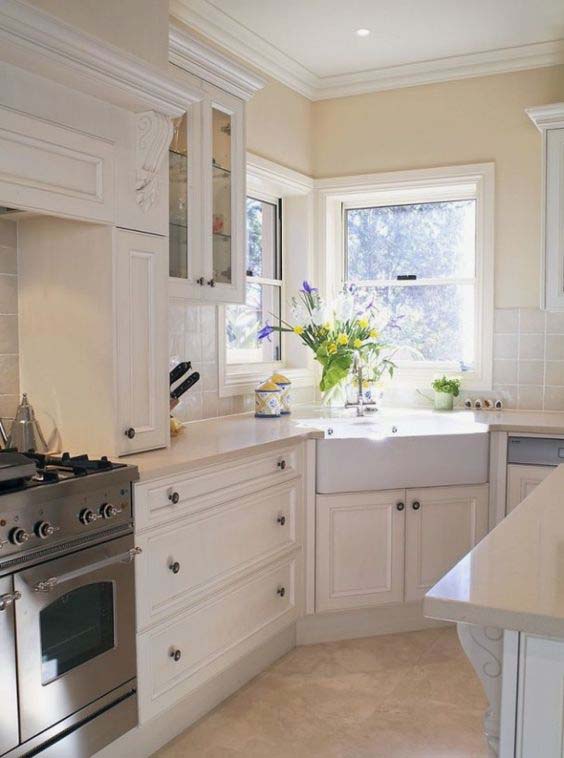
I’ll be honest, I was skeptical at first about putting my sink in the corner. It seemed unconventional, and I worried it might feel awkward or cramped. But after living with this layout for two years, I can’t imagine going back to a traditional centered sink. The corner position freed up an entire run of uninterrupted counter space along my main wall, which has been incredible for meal prep and my coffee station.
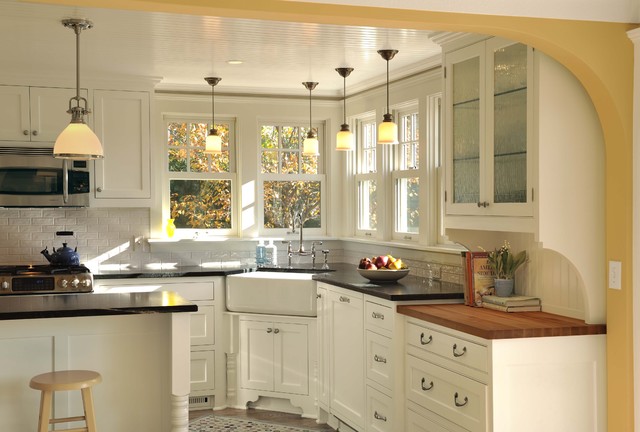
The workflow in my kitchen improved dramatically, too. I created a proper work triangle between my corner sink, stove, and refrigerator that actually makes sense for how I cook. Instead of having the sink break up my counter space, it became its own dedicated zone. I can wash vegetables in the deep basin while still having plenty of room to chop and prep on either adjacent counter, something that was impossible with my old centered sink layout.
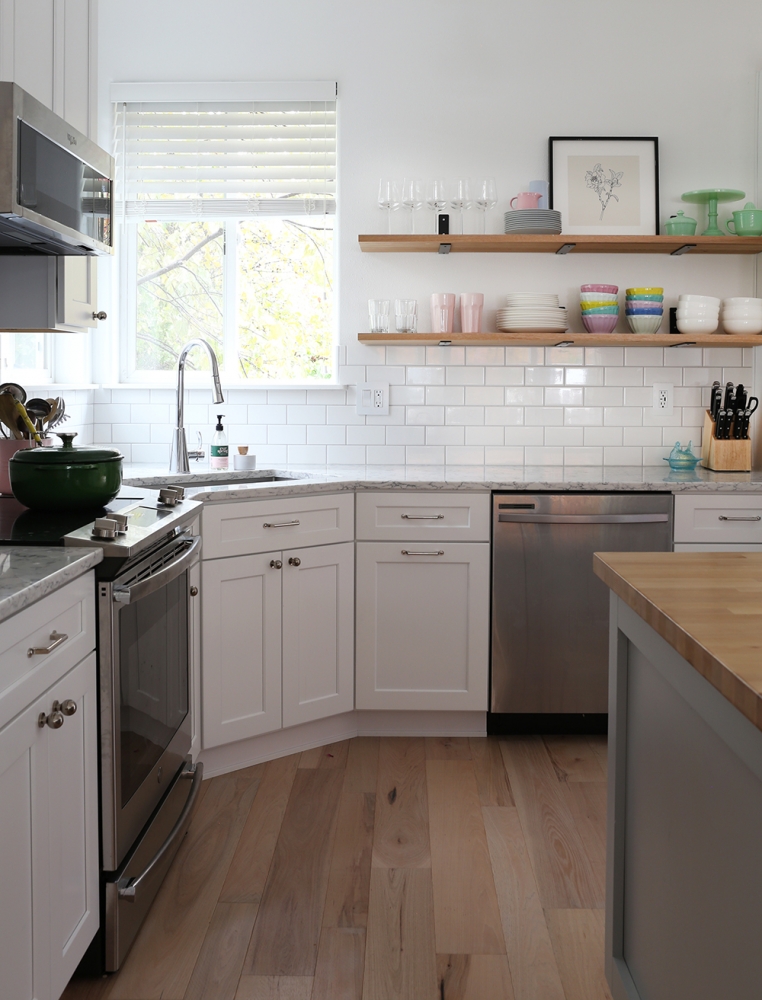
What surprised me most was how the corner sink actually makes my small kitchen feel larger. By utilizing that corner space efficiently, I gained visual openness along the walls. The eye travels along unbroken counter lines instead of stopping at a centered sink. Plus, having windows on two sides of the corner means I get natural light while doing dishes, a small luxury that makes everyday tasks more pleasant.
Choosing Between Materials and Finishes
Selecting the right material for my corner farmhouse sink took weeks of research and showroom visits. I ultimately chose a fireclay sink in classic white, and I’ve been thrilled with this decision. Fireclay is incredibly durable, resistant to chips and scratches, and maintains its glossy finish even after constant use. The material has a substantial, quality feel that cheaper alternatives just can’t match.
I seriously considered stainless steel because it’s budget-friendly and practically indestructible. Several friends have stainless farmhouse sinks and love them, particularly for modern or industrial kitchens. However, I wanted that traditional country aesthetic, and stainless felt too contemporary for my taste. I also worried about water spots and scratches showing on the surface, though quality stainless steel handles this better than cheaper versions.
Cast iron with porcelain enamel was another option I explored. These sinks offer beautiful color choices and that classic farmhouse look at a mid-range price point. I loved the vintage appeal, but my plumber warned me about the weight requiring extra cabinet support, and I’d heard the enamel can chip if you drop heavy pots. For my corner installation, where access is trickier, I wanted something virtually indestructible, which is why fireclay won out despite being the priciest option at around $800.

Planning Your Corner Cabinet Configuration
The cabinet work for my corner sink was more complex than I anticipated, and I’m glad I worked with an experienced kitchen designer. Standard corner cabinets don’t accommodate farmhouse sinks, so we had to create a custom solution. My cabinet maker built a specialized corner base with reinforced framing to support the sink’s weight and provide proper clearance for the apron front.
We designed the cabinet with a unique door configuration that maximizes storage while allowing access to plumbing. Instead of traditional corner cabinet doors that waste space, I have a single wide door on one side and open shelving on the other. This asymmetrical approach works beautifully, giving me storage for dish soap and sponges in the open section and larger items like my dish tub behind the closed door.
The countertop fabrication required careful planning, too. My corner sink meant creating a custom cutout at a 45-degree angle, which my granite fabricator said was more challenging than standard installations. We had to ensure proper support for the countertop overhang and create a smooth transition where the two counter runs meet at the corner. The seam is barely visible thanks to skilled fabrication, but this level of customization did add about $400 to my countertop costs.
Installation Considerations and Challenges
Installing my corner farmhouse sink was definitely not a DIY project, despite my usual hands-on approach to home improvements. The plumbing configuration was the biggest challenge because standard drain and supply line placements don’t work in corners. My plumber had to reroute pipes through the basement to position everything correctly, which added a full day to the installation timeline.
The weight distribution required serious consideration. Farmhouse sinks are heavy on their own, and in a corner position, the weight isn’t evenly distributed like it would be along a straight cabinet run. My installer added extra bracing and support brackets to ensure the cabinet structure could handle the load long-term. We also had to account for the weight of water when the sink is full, which can add another 60-80 pounds.
Access for maintenance was something I hadn’t initially thought about, but my plumber emphasized. In a corner, you need to ensure there’s adequate room to reach shutoff valves and drain connections if repairs are ever needed. We positioned the plumbing toward the accessible side of the cabinet and installed a removable panel for easy access. This forward thinking has already paid off when I needed to tighten a loose connection, I could reach it easily without major disassembly.

Faucet Selection for Corner Sink Functionality
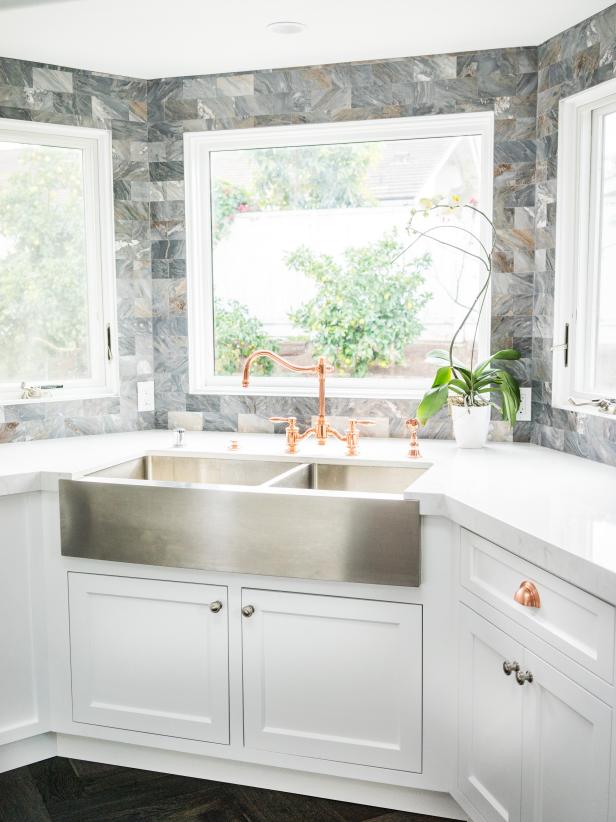
Choosing the right faucet for my corner sink location was trickier than I expected. Standard faucets are designed for centered installations, so I had to think carefully about reach, swing radius, and where the faucet would be positioned relative to the sink’s two sides. I ended up with a high-arc pull-down faucet mounted slightly off-center, which gives me flexibility to fill pots and clean both sides of the sink effectively.
The mounting position required careful calculation. Because my sink sits at an angle in the corner, I had to determine the optimal placement that would allow the faucet to reach all areas of the basin without hitting the window frames behind it. My plumber created a template so we could visualize the swing arc before drilling holes in my new countertop. This extra planning step saved me from a potentially expensive mistake.
I also added a separate soap dispenser and a small filtered water faucet, which work perfectly in the corner configuration. These accessories, mounted in the counter deck on either side of the main faucet, create a balanced, functional setup. The corner position actually gave me more flexibility for placing these extras compared to a standard centered sink, where counter space on either side is often limited. The whole arrangement feels well-planned and purposeful.
Making the Most of Your Corner Sink Space
Living with my corner farmhouse sink has taught me how to maximize this unique configuration. I installed a custom-fit sink grid that protects the bottom of my fireclay sink from scratches and provides a raised surface for delicate dishes to drain. The grid is specifically sized for my sink model and makes cleanup easier while protecting my investment.
I created dedicated zones around the sink that take advantage of the corner placement. On my right side, I keep a beautiful soap dispenser and a small potted herb plant that thrives in the window light. The left side houses my dish rack and drying mat. This separation of tasks feels natural and keeps the area organized. Everything has its place, and the workflow from washing to drying happens smoothly.
Under-sink storage required creative solutions. I use a combination of pull-out organizers, stackable bins, and over-the-door racks to maximize every inch. The corner configuration means some deep space that’s hard to reach, so I store items I use less frequently, like extra dish soap and seasonal serving pieces, toward the back. Everyday cleaning supplies stay in pull-out caddies that are easily accessible. A small tension rod across the cabinet front holds spray bottles and dish towels within easy reach.

What size corner farmhouse sink works best for small kitchens?
I have a 33-inch corner sink in my modest-sized kitchen, and it’s the perfect balance. Corner farmhouse sinks typically range from 30 to 36 inches, measured diagonally across the basin. Smaller than 30 inches loses the advantage of that deep farmhouse bowl, while larger than 36 inches can overwhelm tight spaces. Measure your corner cabinet carefully and allow at least 3 inches of counter space on each adjacent side.
Is a corner sink harder to keep clean than a standard placement?
I actually find mine easier to maintain because the corner windows provide excellent light to see what I’m cleaning. The angled position means I’m not constantly leaning over the sink awkwardly. I do wipe down the backsplash area on both walls behind the sink, but it’s not more work than a standard setup. The key is choosing materials that resist water spots and staining, like my fireclay.

Can I install a garbage disposal with a corner farmhouse sink?
Yes, I have a disposal installed and it works perfectly. The key is working with a plumber experienced in corner installations who can properly route the drain lines. The disposal mounts on the underside like any sink, though access is slightly trickier in the corner cabinet. Make sure your cabinet has adequate space and ventilation for the disposal unit, and consider a compact model if space is tight.
How much does a corner farmhouse sink installation typically cost?
My total investment, including the sink, custom cabinet work, plumbing modifications, and installation, was about $3,200. The sink itself was $800, custom cabinet modifications ran $1,100, and plumbing plus installation was $1,300. Costs vary based on the materials chosen and the existing plumbing configuration. Budget at least 30% more than a standard sink installation due to the custom nature of the corner placement.
Do corner sinks reduce usable counter space?
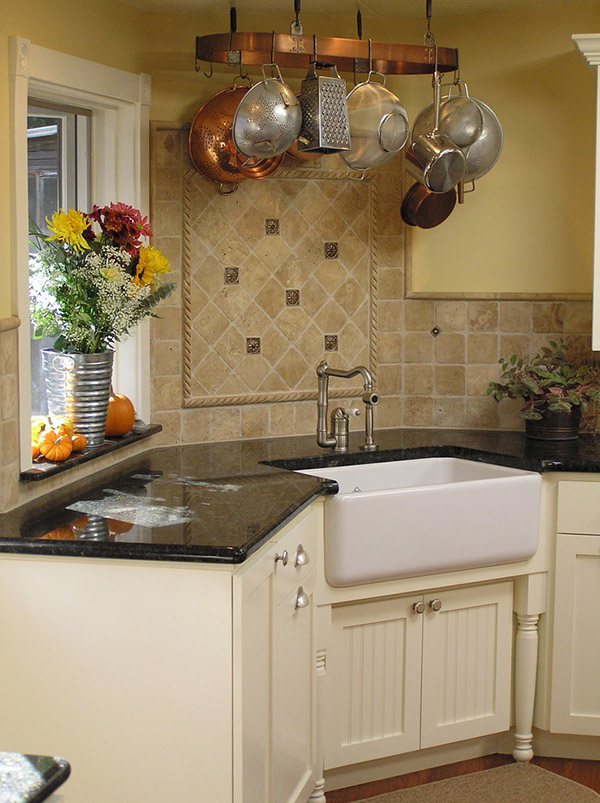
Surprisingly, no! I actually gained functional counter space because the corner sink freed up my main wall for uninterrupted workspace. While the sink itself occupies the corner, the adjacent counters on both sides remain fully usable. The key is planning your corner cabinet depth to maintain adequate counter space on the perpendicular walls. My counter runs are 25 inches deep, which provides plenty of workspace.
What’s the best way to use the space behind a corner sink?
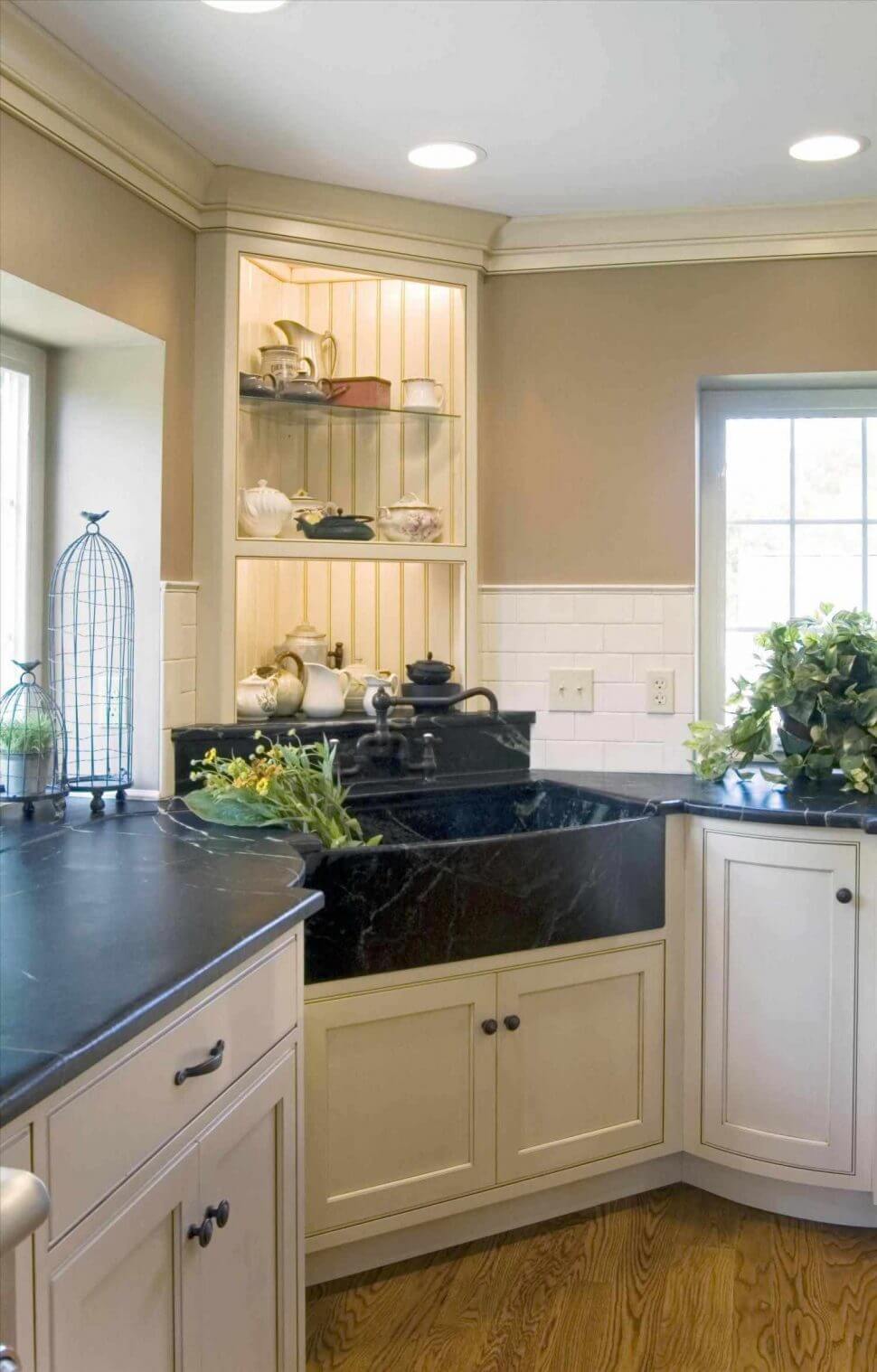
I mounted a corner shelf unit between my two windows that holds frequently used items like dish soap, a small plant, and a pretty oil dispenser. Some people install a corner backsplash with hooks for hanging dish towels or utensils. Keep this area minimal so it doesn’t feel cluttered. The windows provide natural light and views, so I avoid blocking them with too many objects.

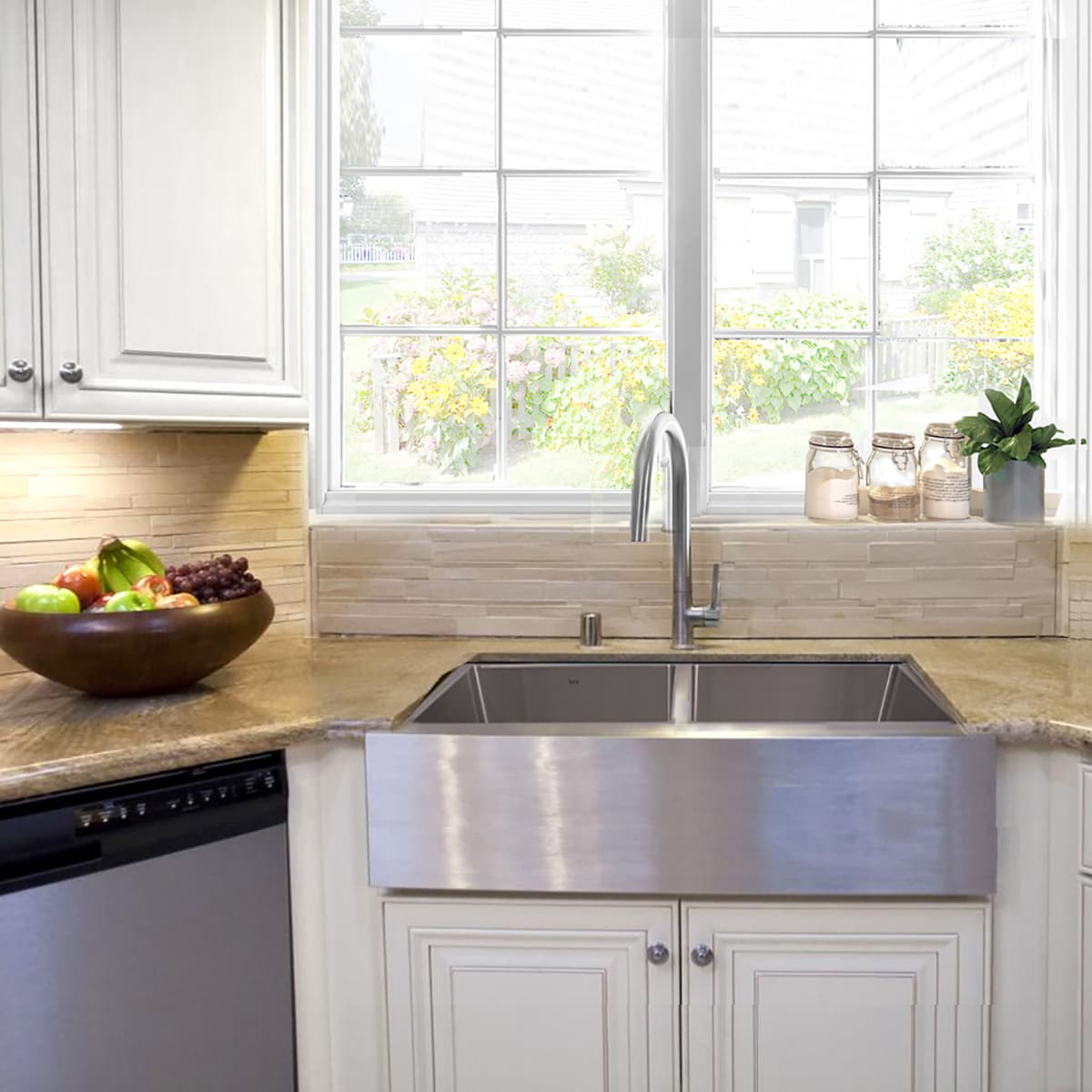
Nantucket Sinks Small radius double bowl stainless apron Farmhouse
Corner Kitchen Sink Ideas For Best Cooking Experience Kitchen

Best Corner Kitchen Sink Designs
Is a Kitchen Corner Sink Right for You?
Home – Suburban Kitchen sink design, Corner sink kitchen

Farmhouse Kitchen Sink Ideas and Designs
Related Posts: