I’ve discovered that contemporary kitchen lighting design is where function meets artistry in the most dramatic way possible. After designing lighting schemes for over 200 modern kitchens, I’ve learned that the right combination of fixtures can transform a sterile cooking space into a warm, inviting gathering place that adapts seamlessly from morning coffee routines to evening dinner parties. My approach has evolved from simply providing adequate illumination to creating layered lighting experiences that enhance both the functionality and emotional impact of contemporary kitchen spaces. Every project teaches me something new about balancing task lighting, ambient illumination, and accent features that define modern kitchen living.
Layered Lighting Fundamentals
Ambient lighting forms the foundation of contemporary kitchen design, providing overall illumination that creates comfortable base lighting levels throughout the space. I typically use recessed LED downlights with wide beam angles spaced 4-6 feet apart to ensure even coverage without creating harsh shadows or bright spots. The key is selecting fixtures with appropriate lumen outputs and color temperatures that complement the kitchen’s color palette while providing sufficient brightness for safe navigation and general activities.
Task lighting addresses specific work areas where focused illumination enhances functionality and safety during food preparation, cooking, and cleanup activities. Under-cabinet LED strips have become my preferred solution for countertop work surfaces, providing shadow-free lighting that eliminates the dark zones created when overhead fixtures are blocked by users. I specify linkable systems with dimming capabilities that allow homeowners to adjust light levels based on specific tasks and times of day.
Accent lighting creates visual interest and highlights architectural features, artwork, or design elements that define the kitchen’s contemporary character. I use adjustable track lighting, picture lights, or strategically placed spotlights to illuminate glass-front cabinets, display shelving, or statement backsplashes. These accent layers add depth and dimension while allowing homeowners to showcase their personal style through highlighted collections, artwork, or architectural details that make their kitchens unique.
Pendant Light Selection and Placement
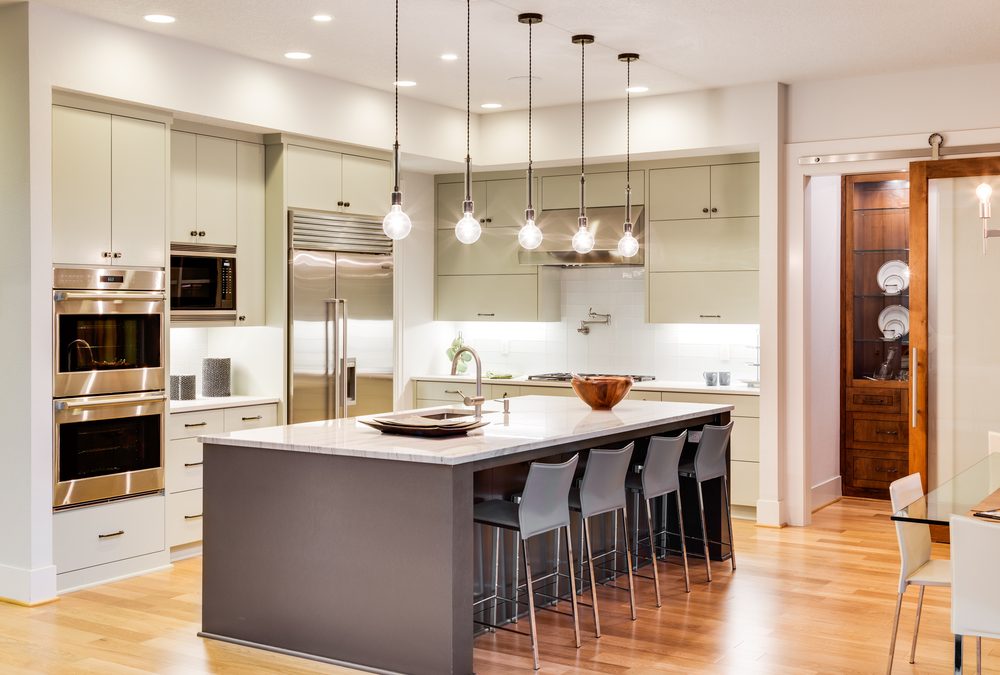
Island pendant lights serve dual functions as task lighting and decorative focal points that anchor contemporary kitchen designs while providing essential illumination for meal preparation and casual dining. I typically specify two to three pendants for standard kitchen islands, spacing them 30-36 inches apart and hanging them 30-36 inches above the countertop surface. The scale relationship between pendant size and island dimensions is critical, as oversized fixtures can overwhelm spaces while undersized options fail to provide adequate lighting or visual impact.
Contemporary pendant styles range from minimalist geometric forms to sculptural art pieces that serve as functional artwork within kitchen spaces. I love working with clients to select pendants that reflect their personal aesthetic while complementing the overall design scheme. Linear pendants work beautifully over long islands, while clustered arrangements of smaller pendants can create dramatic focal points over compact islands or breakfast bars.
Installation considerations include electrical rough-in planning, ceiling height requirements, and sight line management that ensures pendants enhance rather than obstruct kitchen functionality. I always verify that pendant placement allows comfortable interaction around islands without creating head-bumping hazards or blocking views between kitchen zones. Dimming controls are essential for pendant lights, allowing adjustment from bright task lighting during food prep to soft ambient lighting during entertaining or casual dining.
Recessed Lighting Layout and Technology
Contemporary recessed lighting has evolved far beyond simple downlights, incorporating advanced LED technology, adjustable beam angles, and smart controls that transform how we illuminate modern kitchens. I design layouts using 4-inch or 6-inch fixtures, depending on ceiling height and desired light distribution, spacing them systematically to eliminate shadows while avoiding the airport runway effect of too many fixtures in straight lines. The goal is even, comfortable illumination that supports all kitchen activities without creating visual clutter on the ceiling plane.
LED technology provides energy efficiency, longevity, and color consistency that make recessed fixtures practical and cost-effective for contemporary kitchen applications. I specify fixtures with color temperatures between 2700K-3000K fora warm, inviting ambiance that complements most kitchen color schemes. Higher color rendering index (CRI) ratings above 90 ensure accurate color representation for food preparation and enhance the appearance of cabinet finishes, countertop materials, and decorative elements.
Smart controls and dimming systems allow homeowners to create lighting scenes that adapt to different activities and times of day, transforming kitchens from bright workspaces to intimate gathering places with simple adjustments. I integrate wireless dimming controls that can be programmed for specific scenarios like cooking, dining, entertaining, or nighttime navigation. These systems provide flexibility that enhances both functionality and ambiance while reducing energy consumption through intelligent lighting management.

Under-Cabinet and Toe-Kick Lighting
Under-cabinet LED lighting has revolutionized contemporary kitchen task lighting by eliminating shadows cast by overhead fixtures while providing focused illumination exactly where food preparation occurs. I prefer LED strip systems with even light distribution that mount invisibly beneath upper cabinets, creating seamless bands of light across countertop work surfaces. The fixtures should be positioned toward the front edge of cabinets to minimize shadows while avoiding glare that can be distracting or uncomfortable during extended use.
Color temperature selection significantly affects both functionality and ambiance, with warmer temperatures creating inviting atmospheres while cooler temperatures enhance visibility for detailed tasks. I typically specify 3000K LED strips that provide good color rendering for food preparation while maintaining warmth that complements contemporary kitchen design. Dimming capabilities allow adjustment from bright task lighting during cooking to soft accent lighting during entertaining or late-night kitchen visits.
Toe-kick lighting creates dramatic accent effects while providing practical low-level illumination for nighttime navigation without disrupting sleep patterns. I install LED strips beneath cabinet base units, creating floating cabinet illusions that add contemporary sophistication while serving practical functions. The subtle uplighting effect enhances flooring materials and creates depth that makes kitchens feel more spacious and visually interesting, particularly effective in open-plan layouts where kitchens connect to adjacent living areas.
Statement Fixtures and Artistic Elements
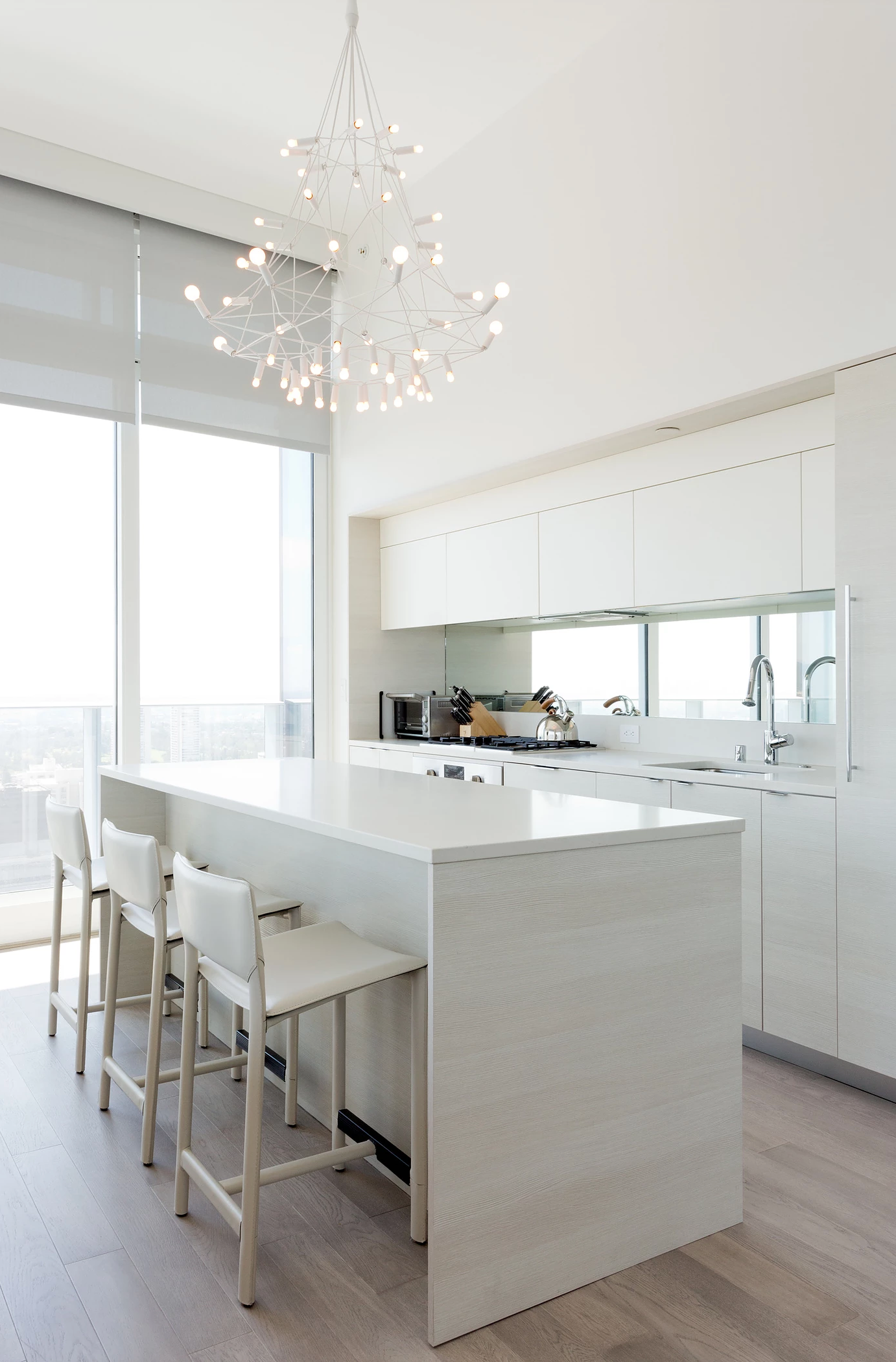
Contemporary chandeliers and sculptural light fixtures serve as functional artwork that defines kitchen personality while providing necessary illumination for dining and entertaining areas. I select pieces that complement the overall design aesthetic while creating focal points that anchor open-plan kitchen spaces. The scale must be appropriate for the space, with larger fixtures working well over dining areas and smaller, more delicate pieces suiting intimate breakfast nooks or coffee bars.
Linear suspension fixtures work beautifully in contemporary kitchens with their clean geometric lines and ability to define zones within open layouts. I use these fixtures over kitchen islands, dining tables, or to create visual separation between the kitchen and living areas. The continuous line of light provides even illumination while creating architectural elements that enhance the contemporary design vocabulary without adding visual clutter or competing with other design features.
Artistic lighting elements, such as backlit panels, illuminated shelving, or integrated LED features within cabinetry, push contemporary kitchen design into innovative territory that showcases creativity and technical sophistication. I incorporate these elements selectively, ensuring they enhance rather than overwhelm the overall lighting scheme. Custom solutions might include illuminated backsplashes, glowing cabinet interiors, or integrated lighting within kitchen islands that create unique signatures for discerning homeowners seeking distinctive contemporary character.

Smart Lighting Integration and Controls
Smart lighting systems transform contemporary kitchens into responsive environments that adapt automatically to daily routines, seasonal changes, and entertainment needs. I design integrated systems using wireless protocols that allow centralized control of all lighting zones through smartphone apps, voice commands, or dedicated control panels. These systems enable complex lighting scenes that can be activated instantly, supporting everything from bright morning coffee preparation to intimate dinner party ambiance.
Automated scheduling allows lighting to respond to daily routines without manual intervention, gradually increasing brightness during morning routines and dimming automatically as evening approaches. I program systems to provide gentle nighttime lighting for safe navigation while maintaining sleep-friendly environments. Motion sensors can trigger appropriate lighting levels in pantries, storage areas, or main kitchen zones while conserving energy by turning off lights in unoccupied spaces.
Integration with home automation platforms enables kitchen lighting to coordinate with other smart home systems, creating holistic environments that respond to lifestyle patterns, weather conditions, and entertainment requirements. I connect lighting controls with audio systems, climate controls, and security systems to create seamless smart home experiences. Voice control through popular platforms allows hands-free lighting adjustment while cooking, when hands might be messy or occupied with food preparation tasks.
How many pendant lights do I need over my kitchen island?
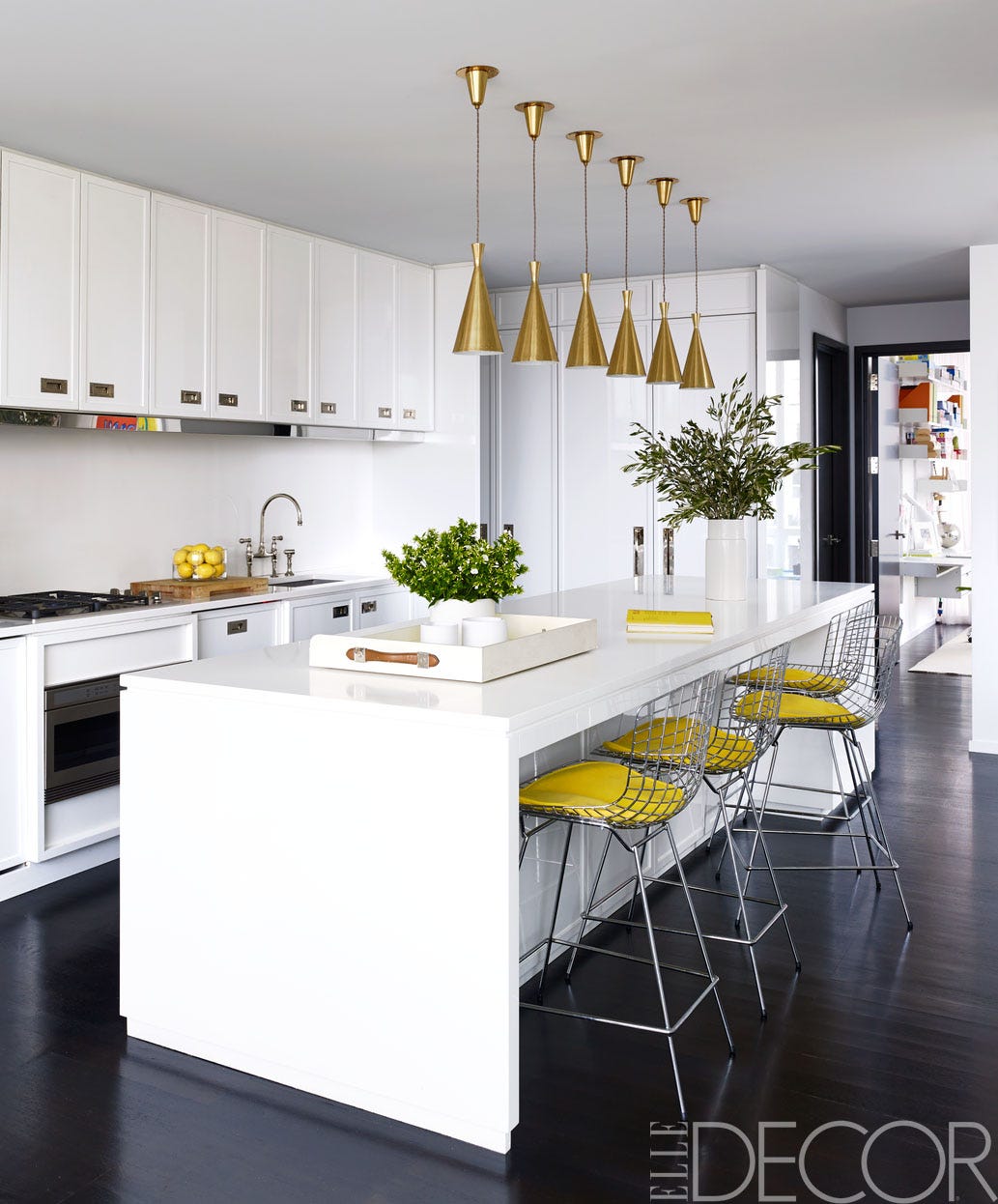
The number depends on island length and pendant size. For islands 4-6 feet long, use 2 pendants spaced 24-30 inches apart. Islands 6-8 feet long typically need 3 pendants spaced 30-36 inches apart. Larger islands may use 4+ pendants or linear fixtures. Consider pendant diameter when determining spacing, ensuring adequate clearance and balanced visual weight across the island length.
What’s the best color temperature for contemporary kitchen lighting?
I recommend 2700K-3000K for most contemporary kitchens, providing warm, inviting light that complements food and finishes. Task lighting can use slightly cooler 3000K-3500K temperatures for better visibility during food prep. Avoid temperatures above 4000K unless specifically desired for ultra-modern aesthetics. Consistency across all fixtures creates cohesive lighting schemes that feel intentional and professionally designed.
Should I use warm or cool LED lights in my contemporary kitchen?
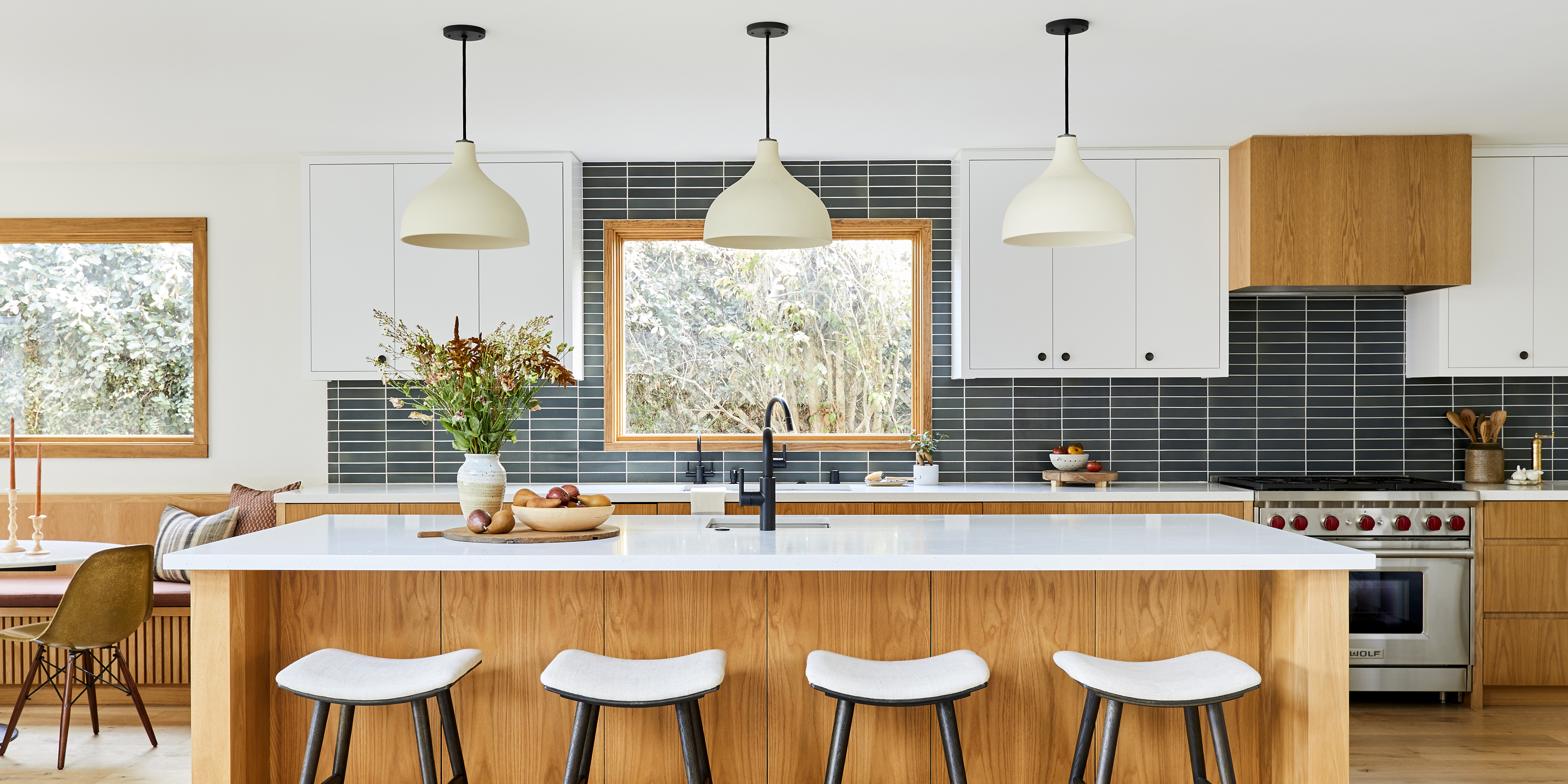
Warm LEDs (2700K-3000K) work best for contemporary kitchens, creating inviting atmospheres that encourage gathering and dining. Cool LEDs can feel sterile and uncomfortable for extended periods. However, some homeowners prefer neutral temperatures (3000K-3500K) that balance warmth with clarity for detailed tasks. Test different temperatures in your space before making final selections.
How do I layer lighting effectively in an open-concept kitchen?
Use ambient lighting (recessed fixtures) for overall illumination, task lighting (under-cabinet, pendants) for work areas, and accent lighting (display, architectural) for visual interest. Each layer should be independently controllable through dimmers. Consider sight lines to adjacent spaces and ensure lighting transitions smoothly between the kitchen and living areas without creating harsh boundaries or competing schemes.

What’s the proper height for pendant lights over kitchen islands?
Hang pendants 30-36 inches above island countertops, measured from the bottom of the fixture to the work surface. Adjust based on ceiling height and pendant size, with higher ceilings allowing slightly higher placement. Ensure adequate clearance for tall users while maintaining proper task lighting angles. Consider the pendant’s beam spread when determining the final height for optimal work surface illumination.
How do I choose between recessed lights and track lighting for my kitchen?
Recessed lights provide a clean, minimalist appearance ideal for contemporary design, but offer limited adjustability once installed. Track lighting allows repositioning and redirecting fixtures as needs change, but creates more visible ceiling elements. Consider your design priorities and flexibility needs. Recessed works well for general illumination, while track excels for accent and adjustable task lighting applications.

Best Kitchen Lighting Ideas – Modern Light Fixtures for Home
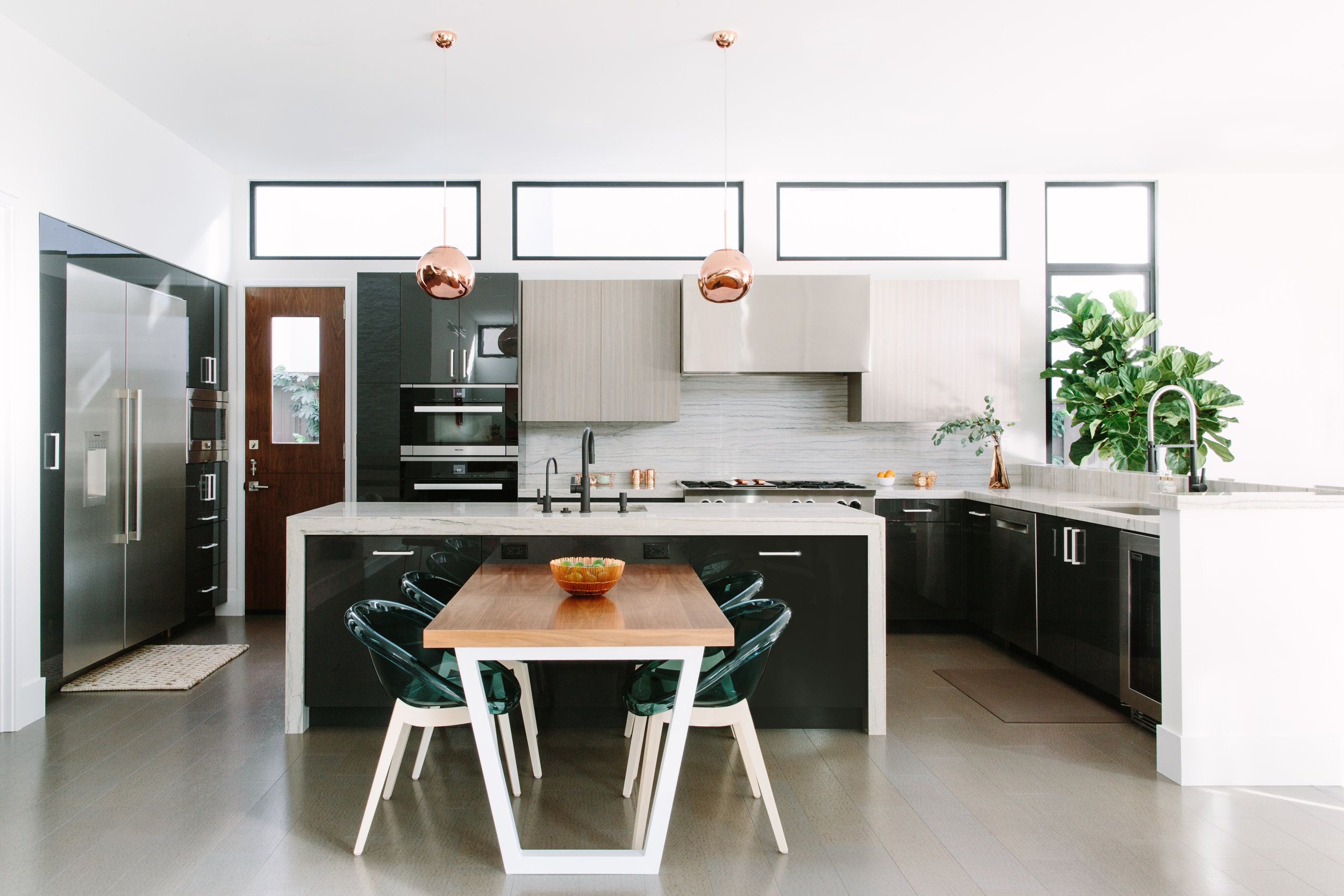
Examples Of Awesome Modern Kitchen Lighting
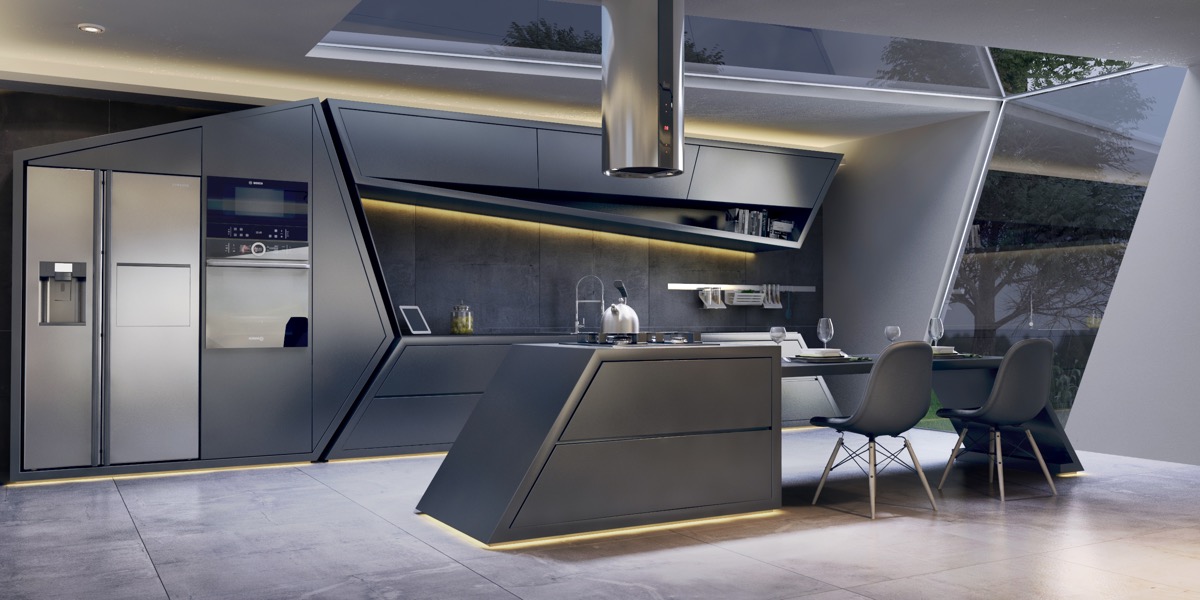
Stunning Kitchen Lighting Ideas – Best Light Fixtures
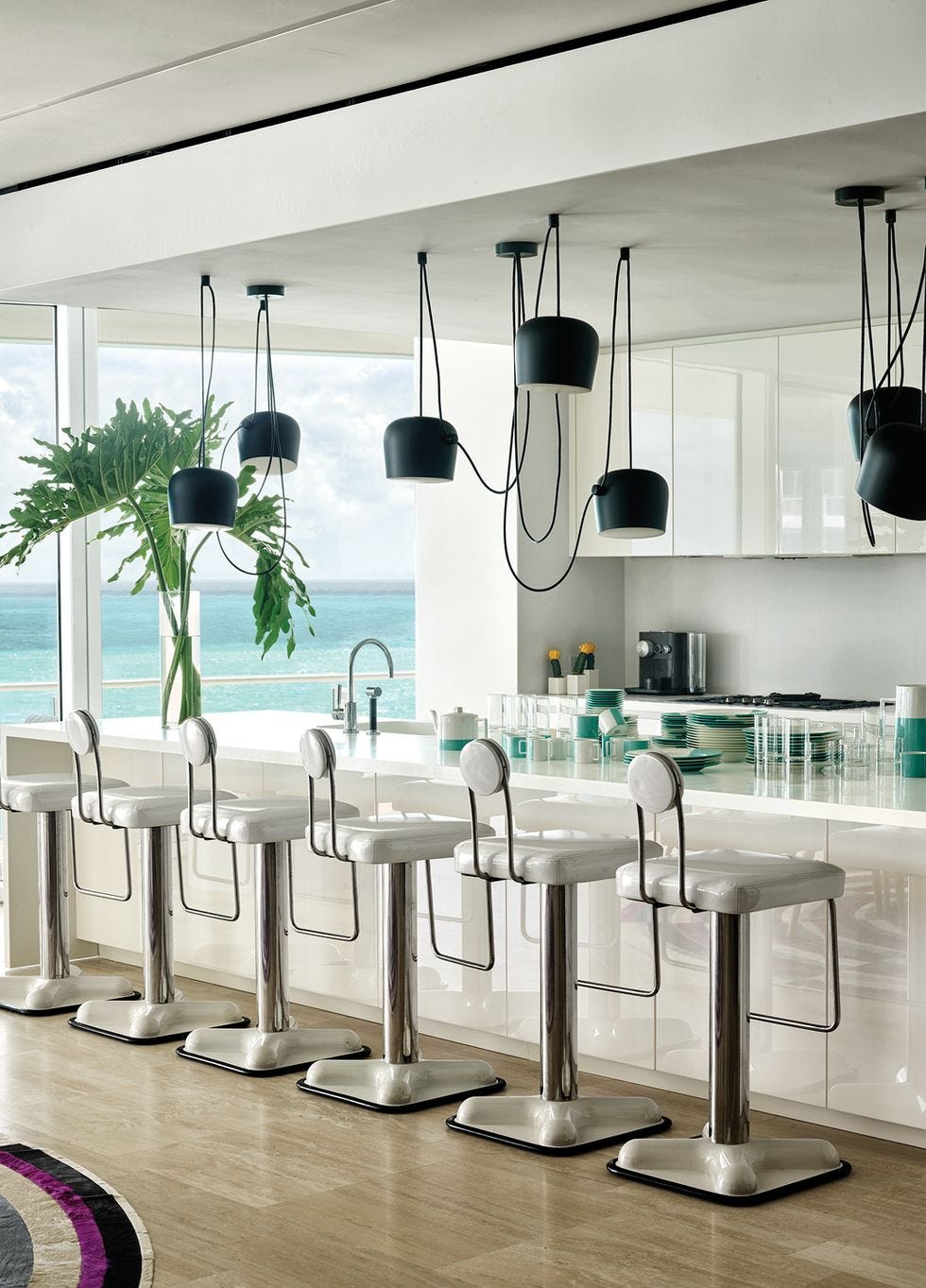
Modern Kitchen Lighting Ideas
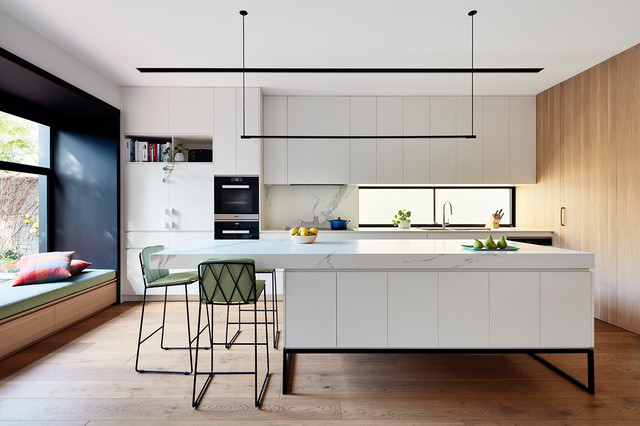
Home Lighting Ideas – I Do Myself Kitchen decor, House

Stylish Light Fixtures for Your Kitchen Kitchen Lighting
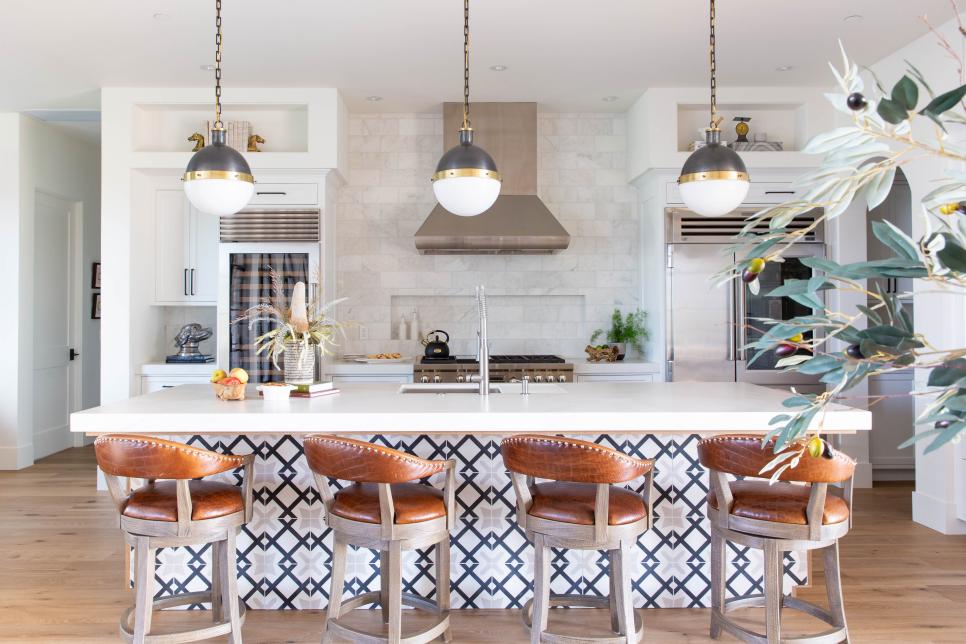
Stunning Kitchen Lighting Ideas – Best Light Fixtures
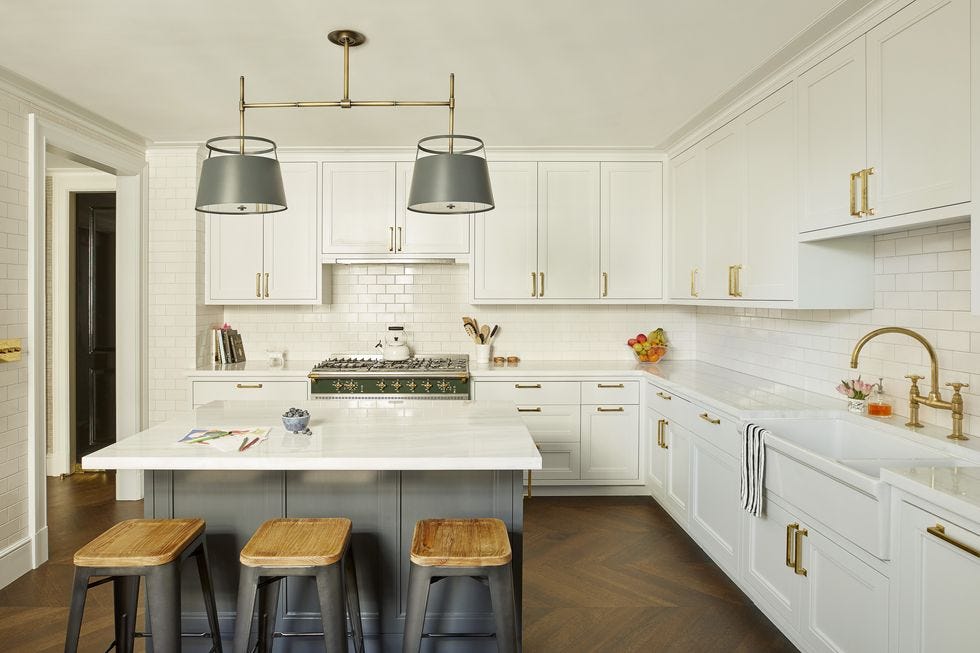
Awesome Modern Kitchen Lighting
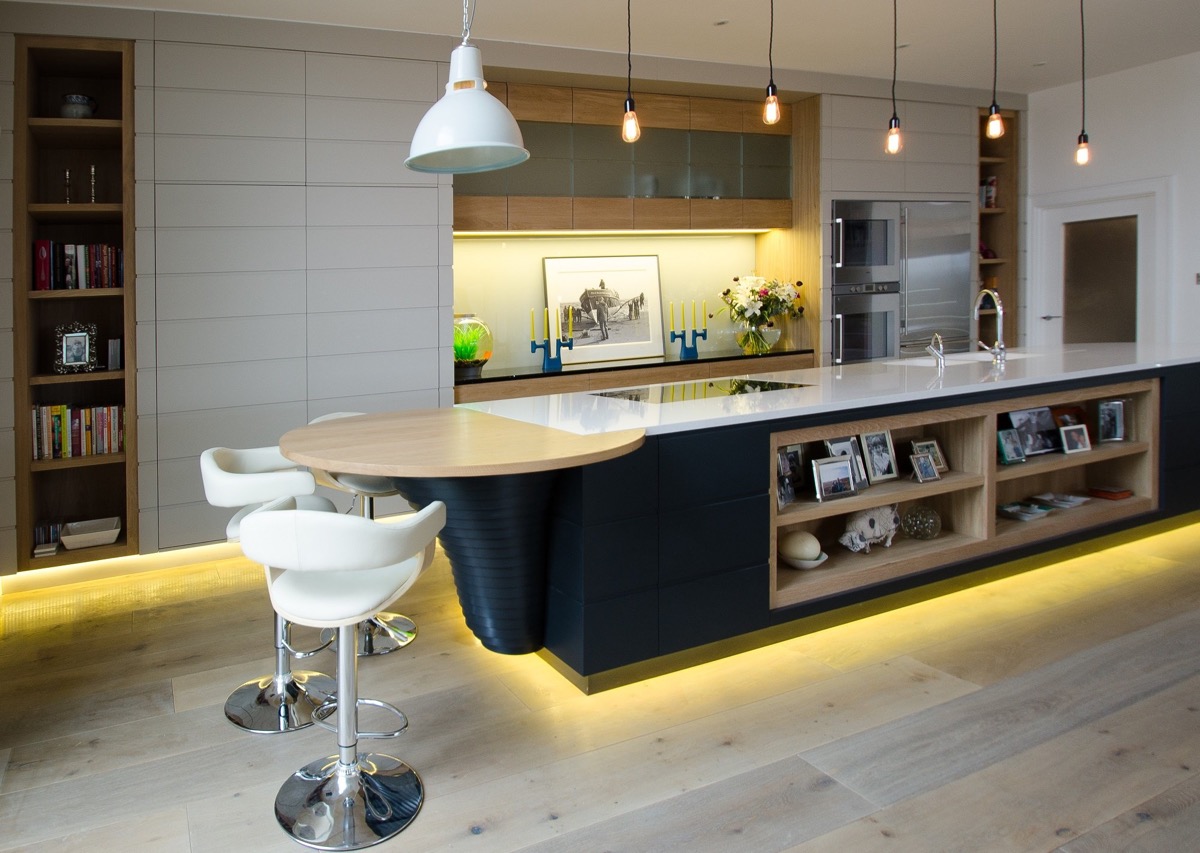
Related Posts:
- Tuscan Kitchen Light Fixtures
- Cottage Kitchen Lighting Ideas
- Country Kitchen Lighting Ideas
- Retro Kitchen Pendant Lights
- Rustic Industrial Kitchen Lighting
- Vintage Kitchen Light Fixtures
- Farmhouse Style Lighting For Kitchen
- Contemporary Kitchen Lighting Design
- Kitchen Bench Pendant Lights
- Kitchen Vanity Lights