When I decided to renovate my 1940s bungalow kitchen last year, I knew I wanted to honor its original character while making it functional for modern life. The worn linoleum had to go, but I was determined to find flooring that would capture that authentic vintage charm I fell in love with when I first bought the house. After months of research and visits to salvage yards, I discovered that vintage-inspired kitchen floor tiles could give me exactly what I was looking for.
Discovering Authentic Vintage Tile Patterns That Tell a Story
My first stop was actually my neighbor’s house, where original 1920s hex tiles still covered her kitchen floor. I spent an hour on my hands and knees examining the intricate patterns and color combinations that had survived decades of family meals and gatherings. The small hexagonal tiles in cream and black created a timeless checkerboard effect that instantly transported me back in time.
I learned that authentic vintage patterns often featured geometric designs, bold color contrasts, and smaller tile sizes than what we typically see today. Popular patterns from the early to mid-20th century included penny rounds, subway tiles, and intricate mosaic designs. Many of these tiles were made from materials like ceramic, porcelain, or even natural stone, each developing a unique patina over the years.
What struck me most was how these vintage patterns seemed to have been designed with both beauty and practicality in mind. The smaller tiles meant more grout lines, which actually helped with slip resistance, while the classic color combinations like black and white or cream and sage green never seemed to go out of style, making them perfect investments for a kitchen renovation.
Sourcing Original Tiles: My Adventures in Salvage Hunting
I’ll admit, my first instinct was to search online for reproduction tiles, but my contractor friend convinced me to explore salvage options first. I spent three weekends visiting architectural salvage yards, demolition sites, and even posting on local community boards asking if anyone had vintage tiles from their own renovations they were willing to sell.
My breakthrough came at a salvage yard outside the city, where I found boxes of original 1950s pink and black tiles from a demolished diner. The owner explained that these tiles had been carefully removed during the building’s renovation, and while some were chipped or cracked, most were in surprisingly good condition. The pink wasn’t quite what I had envisioned for my kitchen, but the quality and authenticity were undeniable.
The challenge with sourcing original tiles is that you often can’t get exactly the quantity you need, and matching tiles later becomes nearly impossible. I learned to buy 20% more than I calculated needing, and I kept detailed photos and measurements of everything I found. This salvage hunting adventure taught me patience and flexibility, qualities that served me well throughout the entire renovation process.

Reproduction Tiles That Capture Vintage Charm Without the Hassle
After my salvage adventures, I also explored high-quality reproduction tiles, and I was amazed by how authentic many of them looked. Several manufacturers specialize in recreating vintage patterns using modern materials and techniques, which means you get the aesthetic appeal without worrying about durability issues or inconsistent sizing that sometimes comes with truly vintage pieces.
I visited showrooms where reproduction hex tiles, subway tiles, and even intricate Victorian patterns were displayed alongside photos of original installations. The attention to detail was impressive, from the slightly irregular edges that mimic hand-made tiles to the subtle color variations that give vintage tiles their character. Some manufacturers even offer “aged” finishes that replicate the natural wear patterns you’d see on decades-old floors.
The biggest advantage of reproduction tiles became clear when I calculated quantities and costs. With reproductions, I could order exactly what I needed plus extras for future repairs, and the consistent sizing meant easier installation. While they cost more than basic ceramic tiles, they were significantly less expensive than sourcing enough authentic vintage tiles for my entire kitchen floor, and I didn’t have to worry about structural integrity or lead-based glazes that might be present in truly old tiles.
Installation Challenges I Wish Someone Had Warned Me About
Installing vintage or vintage-style tiles presented challenges I hadn’t anticipated, starting with the subfloor preparation. My contractor explained that older homes often have subfloors that aren’t perfectly level, and the smaller tiles I had chosen would highlight every imperfection. We spent an entire day using self-leveling compound to create a smooth, even surface, which added to both the timeline and budget.
The actual installation process required more precision than I expected, especially with the hexagonal pattern I had chosen. Each tile needed to align perfectly with its neighbors, and even a slight deviation early in the process would create increasingly noticeable problems as we worked across the room. My installer used spacers and string lines to maintain straight rows, checking alignment constantly as we progressed.
Grouting presented its own set of challenges, particularly with the smaller tiles and numerous grout lines. We chose a contrasting grout color to emphasize the vintage pattern, but this meant that any inconsistencies in grout line width would be immediately visible. The process took much longer than a typical tile installation, but the final result was worth the extra time and attention to detail.

Color Schemes That Make Vintage Tiles Shine in Modern Kitchens
Choosing the right color scheme for my vintage tiles required balancing authenticity with my contemporary lifestyle and existing kitchen elements. I spent weeks collecting paint samples and fabric swatches, testing how different combinations looked under both natural and artificial light throughout the day. The key was finding colors that honored the vintage aesthetic while still feeling fresh and livable.
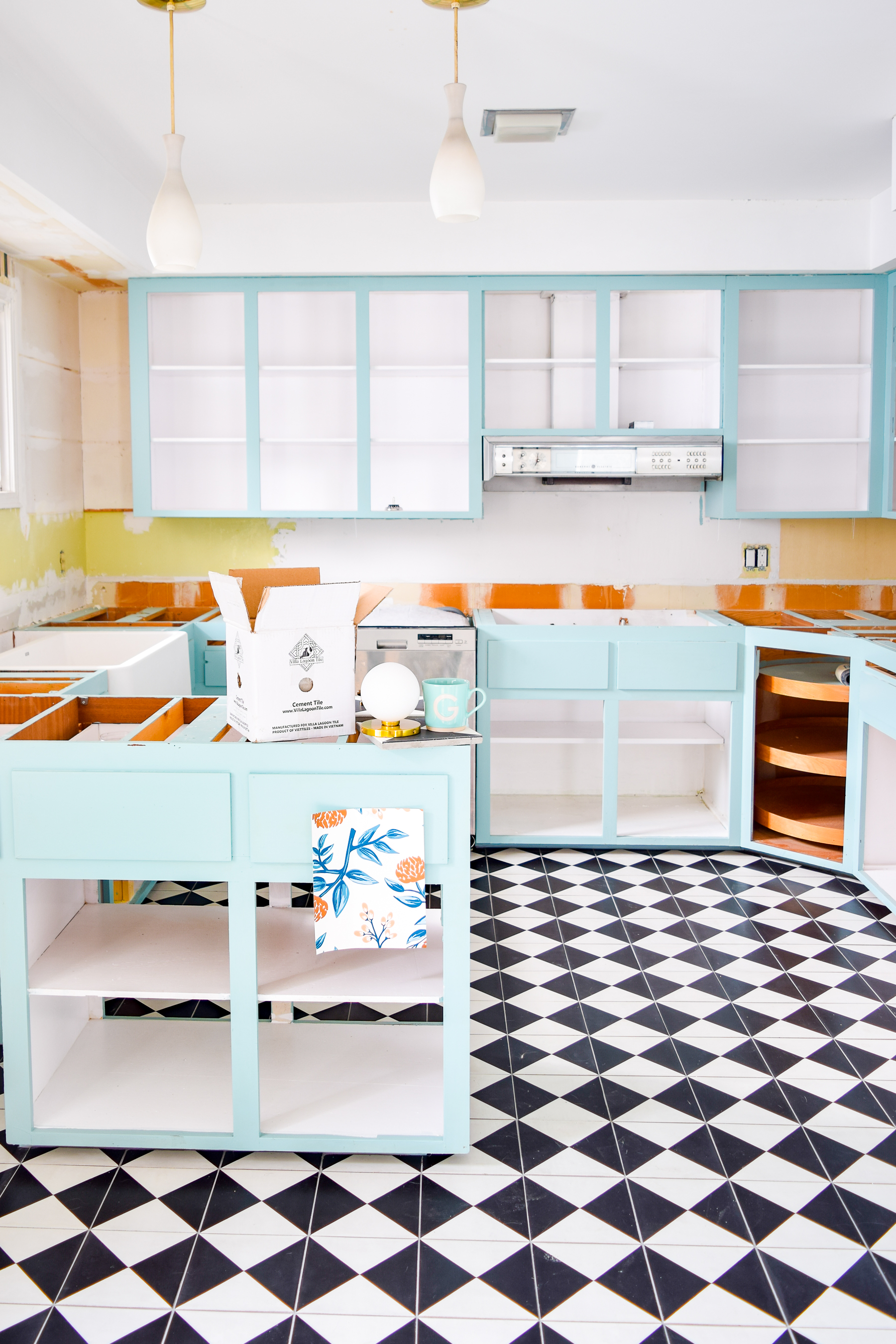
My final choice was a classic black and white hexagonal pattern with warm white cabinets and brass hardware. The contrast was striking but not overwhelming, and the neutral palette allowed me to introduce color through accessories like vintage dishware and fresh herbs in ceramic pots. I learned that vintage tile patterns work best when they’re the star of the show, with other design elements providing support rather than competition.
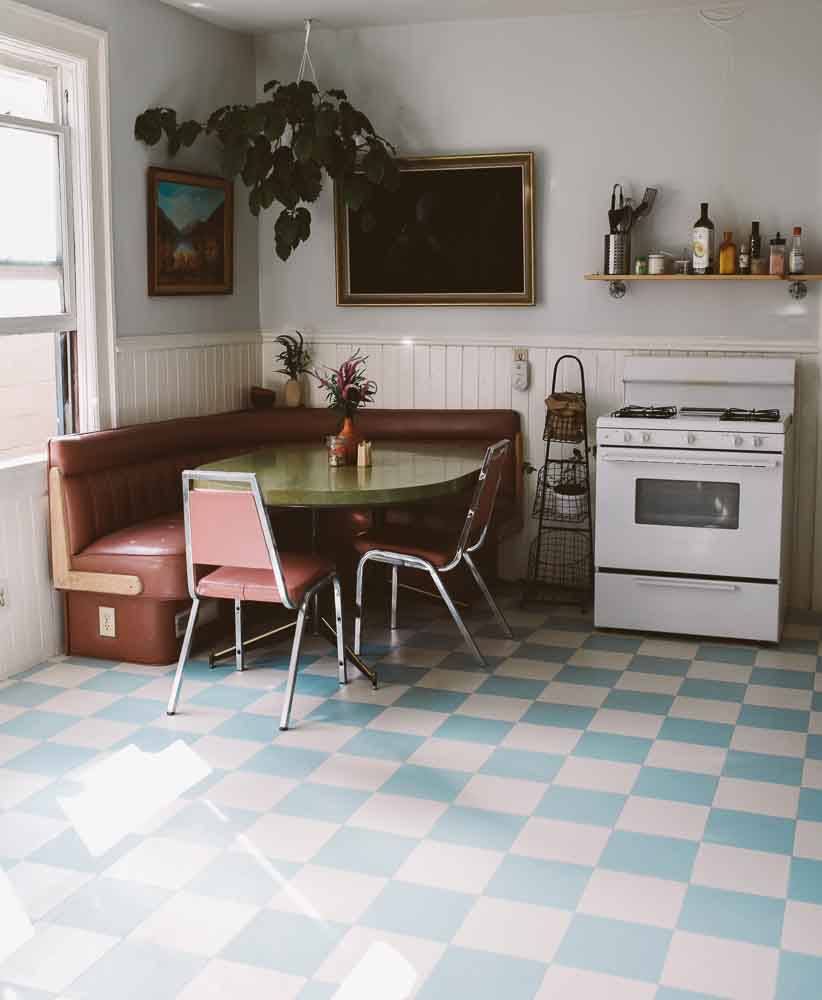
I also discovered that vintage color schemes often included unexpected combinations that somehow worked beautifully together. Sage green and cream, dusty rose and gray, or even bold combinations like navy and yellow could create stunning vintage-inspired kitchens. The key was understanding the historical context of these colors and how they were originally used in period homes, then adapting them for contemporary living.

Maintenance and Care: Keeping Vintage Beauty Looking Fresh
Living with vintage-style kitchen floor tiles for over a year now has taught me valuable lessons about daily maintenance and long-term care. The multiple grout lines that give these tiles their character also require more attention than I initially realized, particularly in high-traffic areas around the stove and sink, where spills and splashes are common.
I developed a daily routine of sweeping and spot-cleaning spills immediately, followed by a weekly mopping with pH-neutral tile cleaner. The key lesson I learned was that prevention is much easier than restoration, especially with grout lines that can stain or discolor over time. I sealed the grout every six months and touched up any areas that showed signs of wear or discoloration.
For deeper cleaning, I discovered that an old toothbrush and mild bleach solution work wonders for grout lines, but I had to be careful not to damage the tile surface itself. Some of the reproduction tiles I had chosen were more delicate than modern ceramics, requiring gentler cleaning products and techniques. Regular maintenance has kept my vintage-inspired floor looking as beautiful as the day it was installed, and the classic pattern continues to make me smile every morning when I walk into my kitchen.
How much should I expect to spend on vintage kitchen floor tiles compared to standard ceramic options?
From my experience, expect to pay 2-3 times more than standard ceramic tiles. Authentic salvaged tiles can range from $8-25 per square foot, depending on rarity and condition, while high-quality reproductions typically cost $6-15 per square foot. Don’t forget to factor in additional costs for subfloor preparation and more complex installation, which can add 30-50% to your total project cost.
Are vintage tiles suitable for busy family kitchens with kids and pets?
Absolutely! I have two dogs and host family gatherings regularly, and my vintage hex tiles have held up beautifully. The key is choosing tiles with appropriate slip resistance and sealing grout lines properly. Smaller tiles actually provide better traction than large-format tiles, and the busy patterns help camouflage the inevitable scuffs and minor wear that come with active family life.
How difficult is it to repair or replace individual vintage tiles if they crack or chip?
This was my biggest concern before installation. With reproduction tiles, it’s relatively easy since you can reorder matching pieces. With authentic vintage tiles, I keep several extras stored in my basement for repairs. I’ve had to replace two tiles in the past year, and while it requires careful removal and matching of grout color, it’s definitely doable with basic DIY skills and patience.
Do vintage tile patterns work in small kitchens, or do they make spaces feel cramped?
I was worried about this in my 8×10 kitchen, but the vintage hex pattern actually makes the space feel larger! Smaller tiles create more visual interest and movement, which can make a room appear more spacious than large tiles. Light-colored vintage patterns work especially well in compact spaces. The key is maintaining consistent lighting and avoiding too many contrasting elements that might compete with the floor pattern.

How do I know if my subfloor is suitable for vintage tiles, especially in an older home?
Great question! I learned this the hard way. Most vintage tiles are ceramic or porcelain, which are less forgiving than vinyl over uneven subfloors. Have a contractor assess your subfloor for levelness, stability, and moisture issues before choosing tiles. In my 1940s home, we needed to add plywood underlayment and use self-leveling compound, but the investment was worth it for the long-term durability.
Can I install vintage-style tiles myself, or should I hire a professional?
While I’m pretty handy, I hired a professional for this project, and I’m glad I did. The precision required for vintage patterns, especially hexagonal or intricate geometric designs, is much higher than standard tile installation. However, if you’re experienced with tiling and have the right tools, simpler patterns like subway tiles can be DIY-friendly. Consider hiring a pro for layout and cutting, then doing the actual setting yourself to save money.

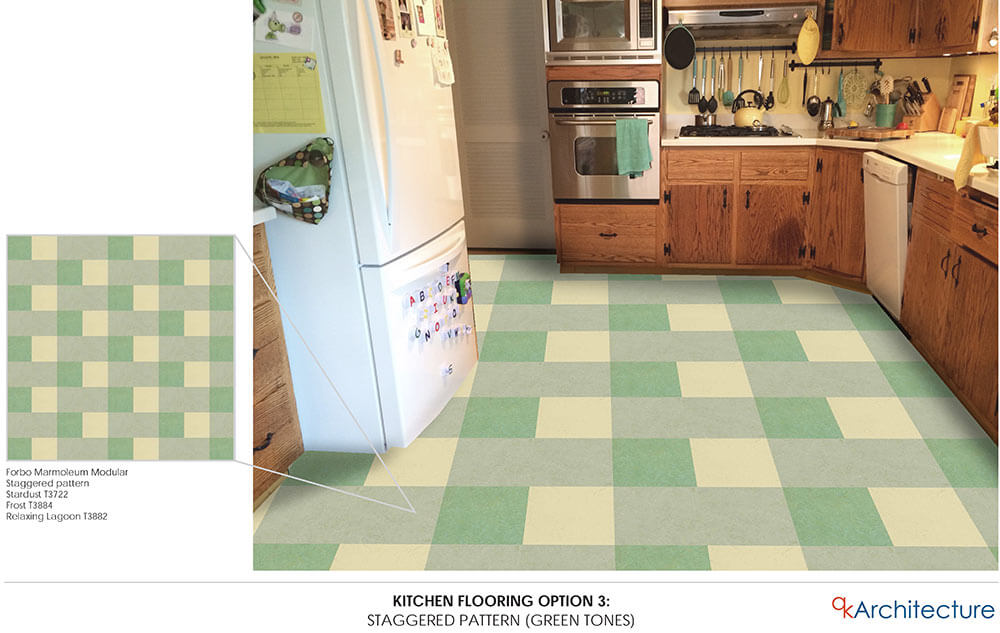
kitchen floor tile pattern mockups
1960s kitchen tile design ideas

Kitchen retro tiles kitchen flooring
Best Retro Kitchens – Vintage and Retro Kitchen Ideas
Related Posts: