When I first walked into my outdated kitchen, I knew something had to change. The sleek, modern cabinets just didn’t feel like home to me. I’d always been drawn to that warm, lived-in feeling of country kitchens, the kind my grandmother had, where every meal felt special and every gathering around the table created memories. That’s when I discovered old country kitchen cabinets, and honestly, it transformed not just my kitchen but how my whole family experiences our home. Let me share what I’ve learned through my own renovation journey.
Finding Authentic Farmhouse Character
I spent months researching different styles before settling on old country cabinets. What struck me most was how these cabinets tell a story. The slightly worn edges, the simple raised panels, and those classic beadboard details spoke to something deeper than just kitchen storage. I wanted my space to feel authentic, not like I’d bought a farmhouse kit from a big box store.
When I finally selected my cabinets, I focused on finding pieces with genuine character. Some people go for distressed finishes applied in factories, but I chose cabinets made from reclaimed wood. Each piece had its own history, tiny imperfections that made it unique. The wood grain patterns weren’t perfectly uniform, and that’s exactly what I loved about them.
I learned that old country style isn’t about perfection at all. It’s about warmth and functionality. My cabinets have simple cup pulls and bin pulls in oil-rubbed bronze, and every time I open a drawer, I feel connected to simpler times. These choices weren’t just aesthetic; they were about creating a kitchen where my family actually wants to spend time together.
Choosing the Right Wood and Finish
The wood selection process taught me so much about quality and durability. I initially considered pine because it’s traditional and affordable, but my contractor warned me it dents easily. Instead, I went with oak cabinets, which have that beautiful grain pattern and stand up to daily use. The honey tones in the wood brought instant warmth to my kitchen.
For the finish, I debated between painted and natural wood for weeks. I visited showrooms, looked at countless photos, and finally decided on a cream-colored paint with a glaze that settled into the details. This gave my cabinets that aged, patina look without actually being a century old. The glaze technique added depth that flat paint just couldn’t achieve.
I also made sure to work with a finisher who understood the old country aesthetic. We used a hand-rubbed technique on some cabinet doors to create subtle color variations. No two doors look exactly alike, and that’s the beauty of it. The finish feels soft to the touch, not plasticky like some modern cabinets, and it’s held up remarkably well, even with my kids constantly grabbing snacks.
Open Shelving and Glass-Front Doors
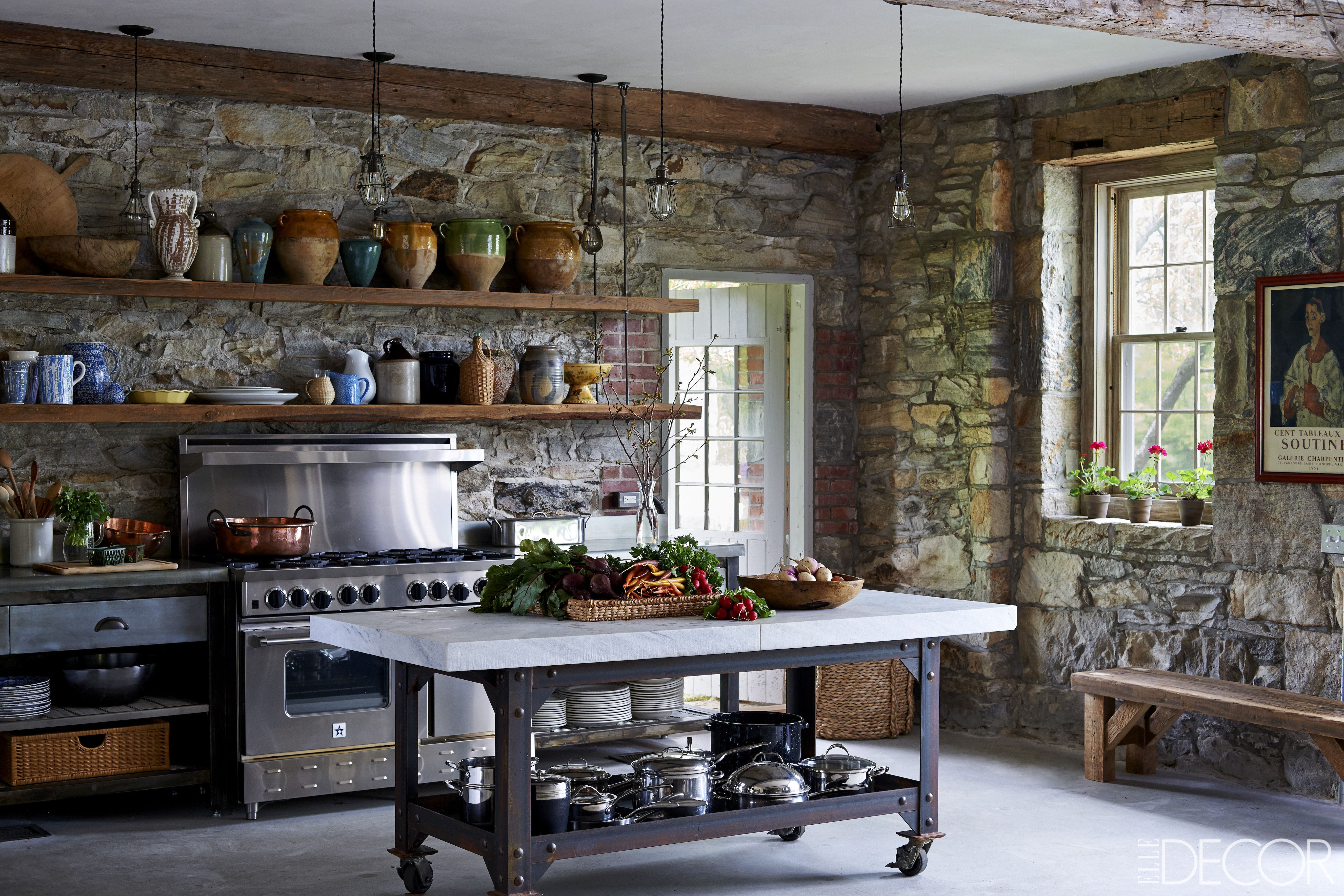
One decision I’m so glad I made was incorporating open shelving into my cabinet design. I replaced two upper cabinet sections with open wooden shelves, and it completely changed the feel of my kitchen. Now I display my grandmother’s vintage dishware and my collection of ironstone pitchers, things that used to hide in cabinets where nobody could enjoy them.
The glass-front doors were another game-changer. I installed them on the cabinets flanking my sink, and they break up the visual weight of solid doors while staying true to country style. I chose wavy glass, the kind that slightly distorts what’s behind it, because it looks authentically old. Behind the glass, I keep my everyday dishes organized but visible.
What I didn’t expect was how these open elements would make my kitchen feel larger. My space isn’t huge, and I worried that country cabinets would feel heavy and dark. But the combination of open shelves and glass doors creates breathing room. I do have to keep things tidy since everything’s on display, but honestly, that’s made me more organized overall.

Hardware That Tells a Story
The hardware selection took me longer than I’d like to admit. I must have ordered a dozen sample pulls and knobs before finding the right ones. I learned that hardware is like jewelry for your cabinets; it needs to complement the style without overwhelming it. I settled on simple cup pulls for my drawers and round knobs for my doors.
I chose hardware with an aged brass finish that has a living quality to it. Over time, it’s developing a natural patina from our hands touching it daily. Some people want hardware that stays perfect forever, but I love that mine is changing and becoming more authentic as we use it. It’s developing its own story right here in my home.
One tip I wish someone had told me earlier is to mix your hardware slightly. I used cup pulls on most drawers, but on the spice drawer and utensil drawer, I installed smaller knobs. This little variation adds visual interest and helps me quickly identify which drawer I’m reaching for. The key is keeping the same finish and general style so it still feels cohesive and intentional.
Butcher Block Countertops and Natural Pairings
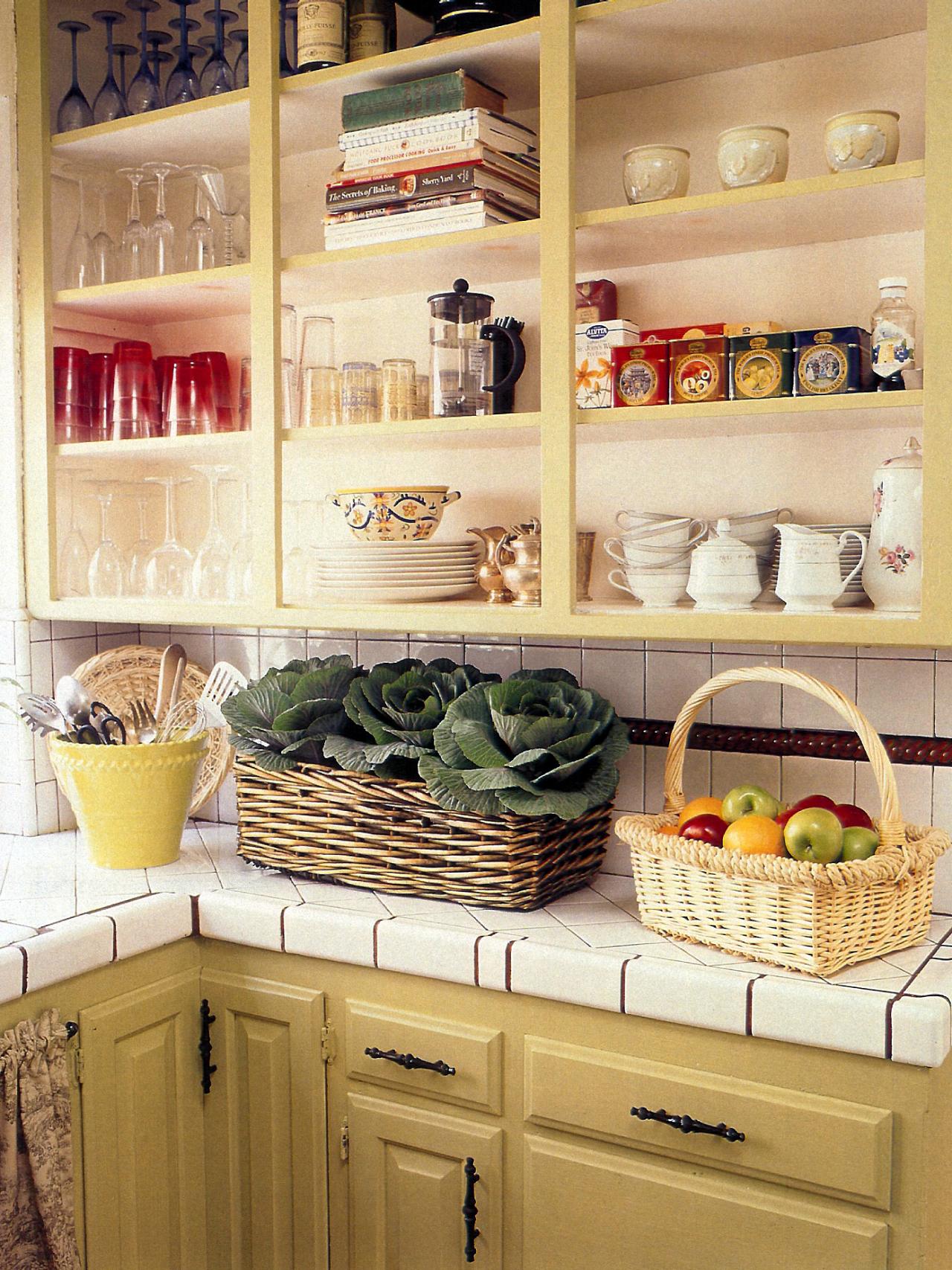
Pairing my cabinets with the right countertops was crucial. I chose butcher block, and I can’t imagine my kitchen any other way now. The warm wood tones complement the cream cabinets perfectly, and there’s something deeply satisfying about prepping food on real wood. Yes, it requires maintenance, but I’ve found the monthly oiling routine meditative rather than burdensome.
I also added a soapstone countertop on my island, which develops a beautiful patina over time. The dark gray-blue stone provides contrast against the lighter cabinets and butcher block. Old country kitchens often mixed materials based on function, and I love carrying that practical tradition forward. The soapstone is perfect for rolling out pie dough because it stays naturally cool.
My backsplash choice was equally important. I installed subway tiles in a warm white with slightly irregular edges that suggest handmade craftsmanship. The grout is a soft gray that doesn’t compete with the cabinets. I considered beadboard for the backsplash, which is very country, but ultimately felt the subway tile was more practical around my stove and sink areas, where splashing happens.
Creating a Lived-In, Collected Look
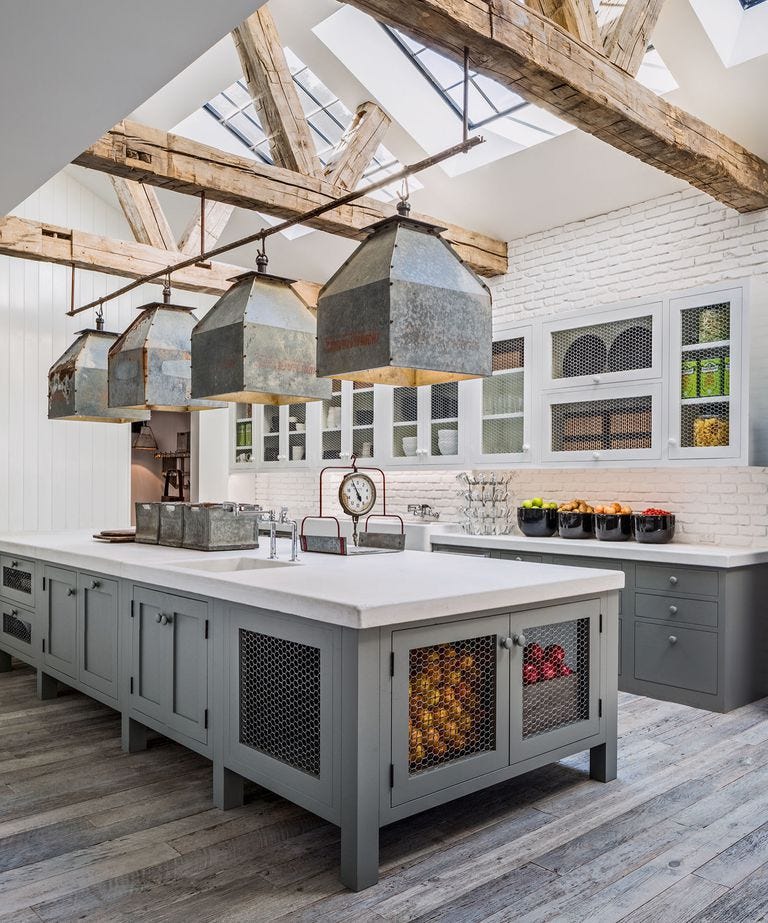
The biggest lesson I learned is that old country style isn’t something you achieve overnight. I intentionally didn’t buy everything at once. Instead, I’ve collected pieces over time, just like someone in an actual farmhouse would have done. My pot rack was a flea market find, my vintage scale came from an estate sale, and my collection of crocks grew slowly.
I also learned to embrace imperfections. When my son accidentally dented one of my cabinet doors with his toy truck, I was initially upset. But then I realized this is exactly what makes old country cabinets special. They’re meant to be used, to show signs of life. That little dent is now part of our family’s story in this kitchen.
Displaying collections is key to this aesthetic. I keep my vintage rolling pins in a crock on the counter, my cutting boards lean against the backsplash, and my copper pots hang where I can reach them easily. Everything is both decorative and functional. This isn’t a showroom kitchen, it’s a real kitchen where real cooking and real living happen, and the cabinets set the stage for all of it.

How do I make new cabinets look authentically old?
I learned several techniques during my renovation. Distressing the wood lightly with chains or sanders creates natural-looking wear. Apply glaze over paint and wipe it back so it settles in crevices and details. Don’t be too perfect with your paint application; slight variations look more authentic. You can also replace shiny new hardware with aged or vintage pieces. The key is subtlety; you want it to look naturally aged, not artificially beaten up.
What’s the best cabinet color for old country style?
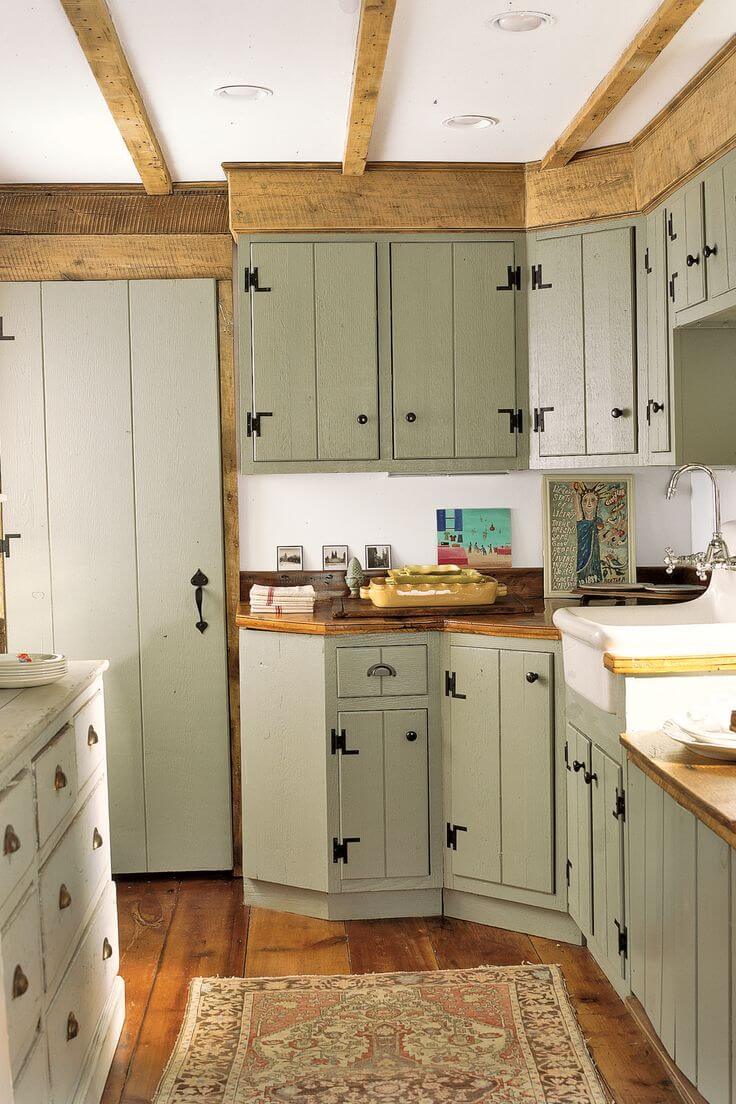
In my experience, cream and soft white are the most versatile and authentic. I chose a warm cream that doesn’t look stark or cold. Some people love natural wood tones in oak or pine, which are equally traditional. Soft sage green and muted blue-gray are also period-appropriate if you want color. Whatever you choose, avoid anything too bright or pure white, which reads more modern than country. Test samples in your lighting before committing.
How much did your old country kitchen cabinets cost?
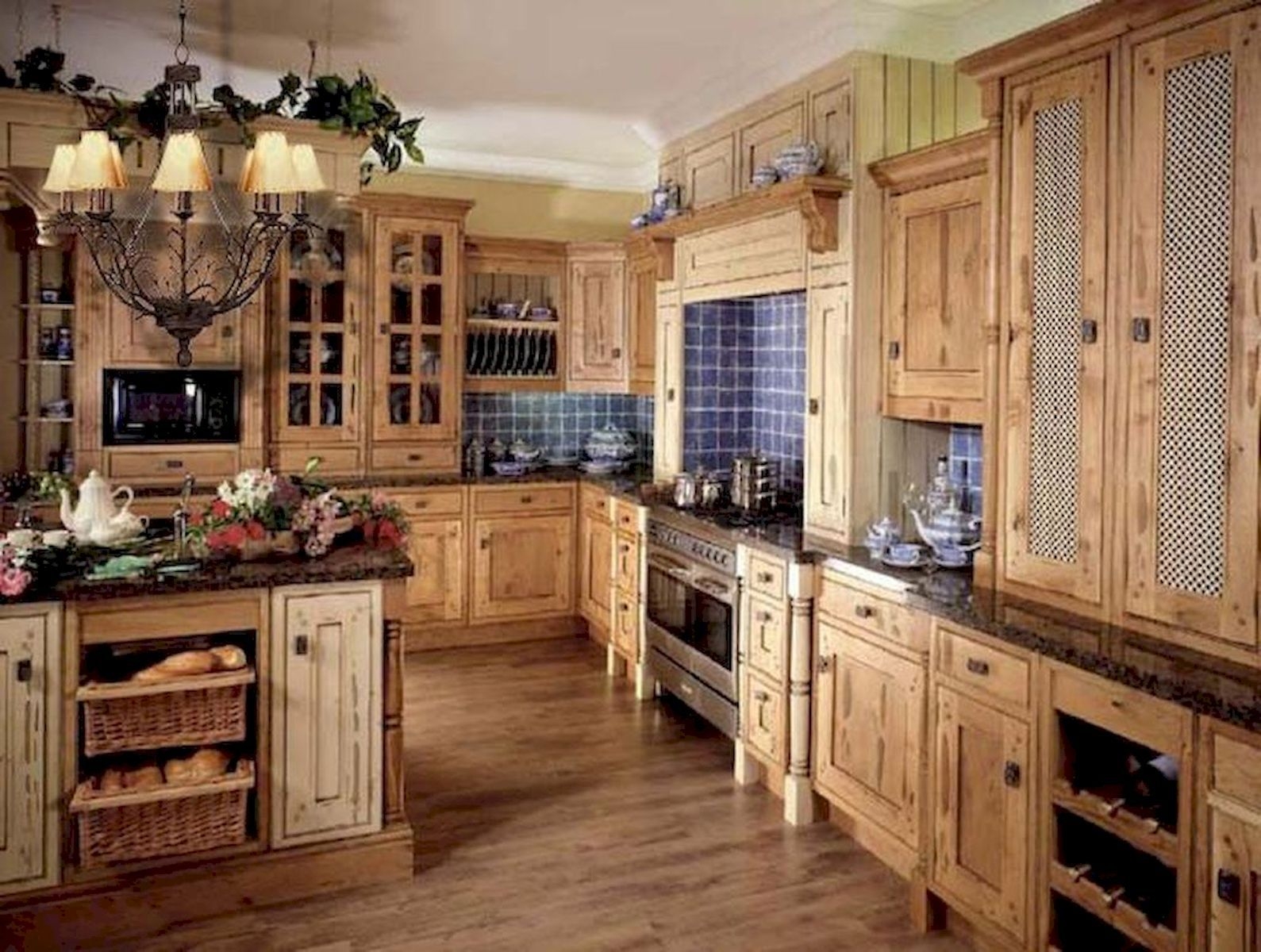
My semi-custom oak cabinets with the cream finish ran about $15,000 for a medium-sized kitchen. I saved money by doing some of the finishing work myself and hunting for vintage pieces to mix in. Stock cabinets can start around $5,000 if you’re budget-conscious. Custom cabinetry from specialized craftsmen can easily exceed $30,000. The hardware, countertops, and installation added another $8,000 to my total budget. It’s an investment, but the quality means they’ll last for decades.
Can old country cabinets work in a small kitchen?
Absolutely, and mine proved it. My kitchen is only about 120 square feet. The trick is using lighter colors, which I did with cream paint. I added glass-front doors and open shelving to prevent the space from feeling closed in. Keeping the upper cabinets slightly shallower than standard also helped. The country style actually makes my small kitchen feel cozier rather than cramped. Just avoid too many dark wood tones in tight spaces.

How do I clean and maintain country-style cabinets?
I wipe mine down weekly with a damp cloth and mild soap, nothing harsh. For my painted cabinets, I avoid abrasive cleaners that could damage the finish. The natural wood areas get an occasional treatment with wood conditioner. The distressed finish actually hides minor wear better than perfect modern cabinets would. Spills need quick attention, but overall, the maintenance is easier than I expected. The aged look is forgiving of everyday life.
What mistakes should I avoid with old country cabinets?
Don’t mix too many different wood tones or colors; it looks chaotic rather than collected. I learned to stick with one or two main finishes. Avoid overly ornate details; true country style is simple and practical. Don’t skip quality hardware; cheap pulls will ruin the authentic look. Also, resist making everything perfectly symmetrical; real farmhouse kitchens evolved. Finally, don’t forget functionality for aesthetics; these cabinets need to work for your actual cooking and storage needs.

Kitchen Design Ideas – Country Kitchen Decor
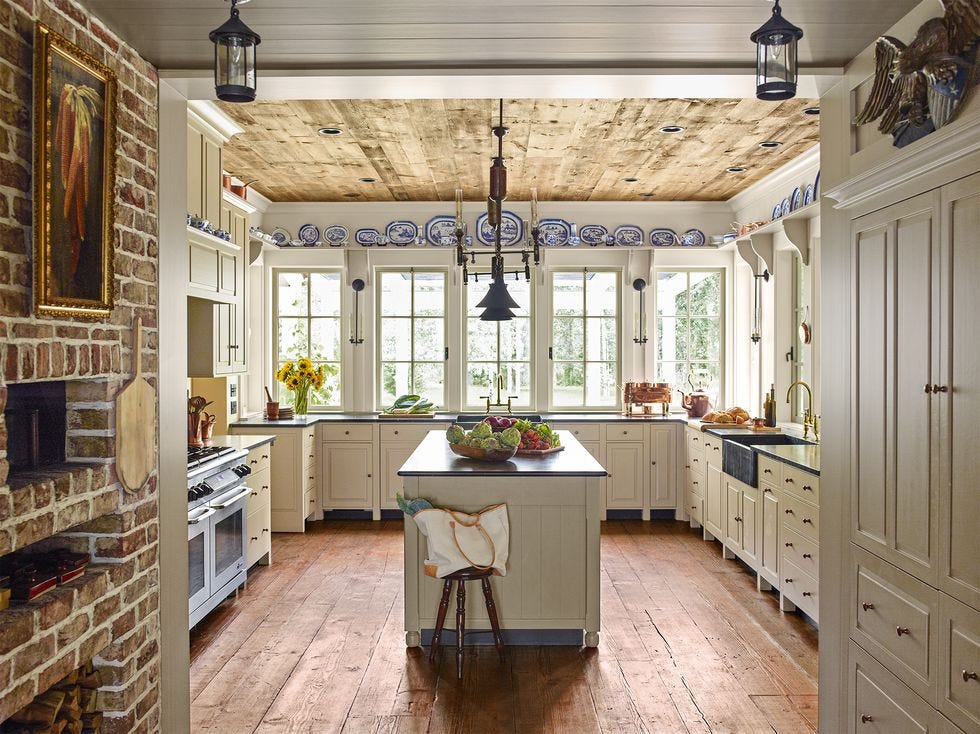
remain simple

Rustic Kitchen Decor Ideas – Country Kitchens Design
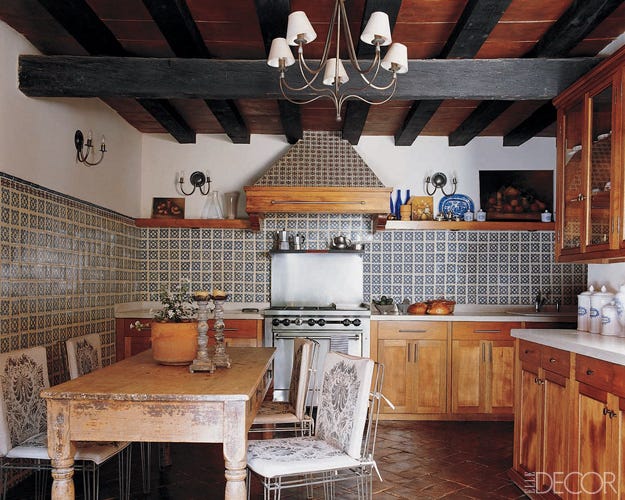
Country Kitchen Ideas: Create A Country Kitchen
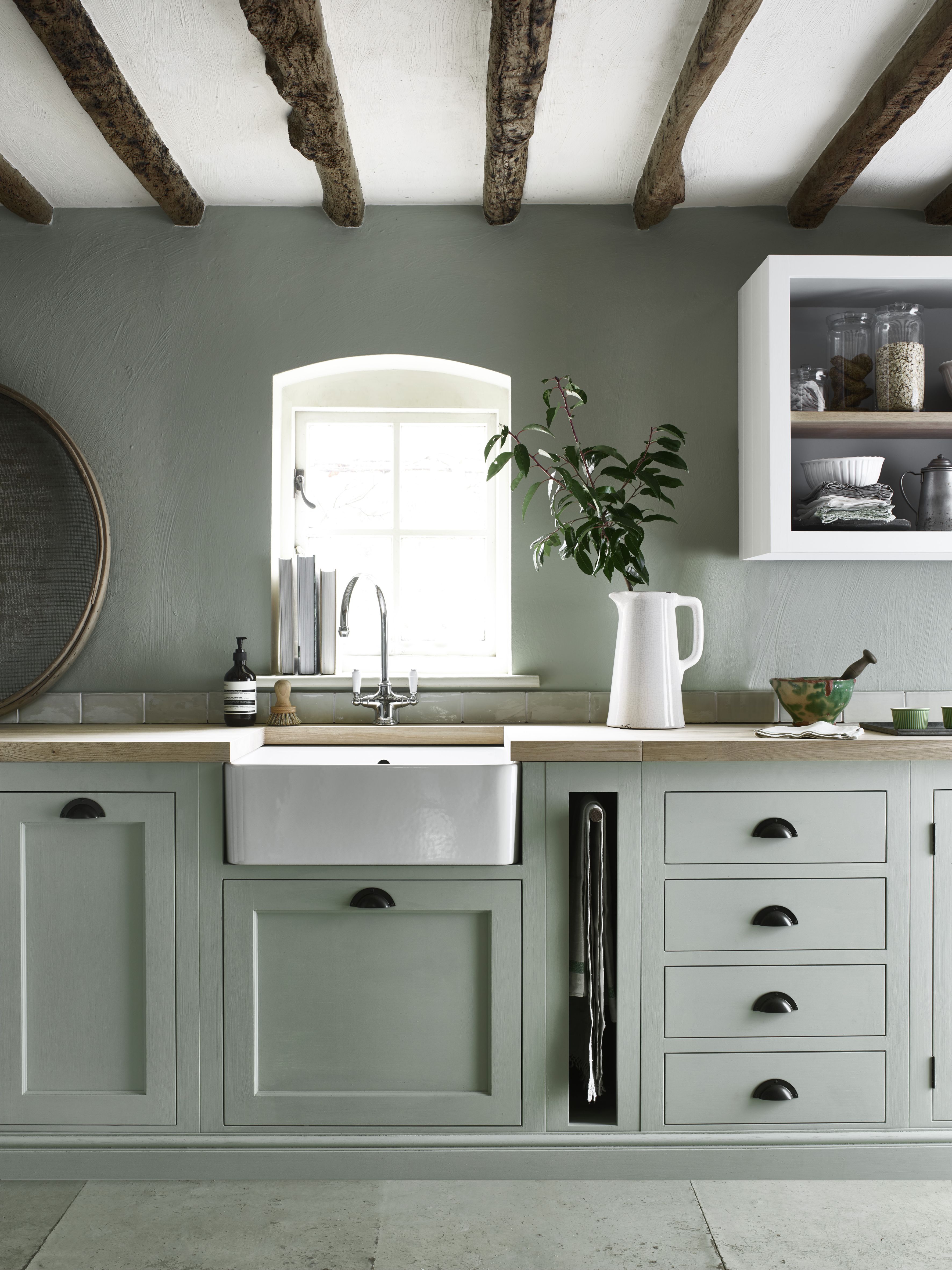
Pin page

Antique Kitchen Islands: Pictures, Ideas & Tips
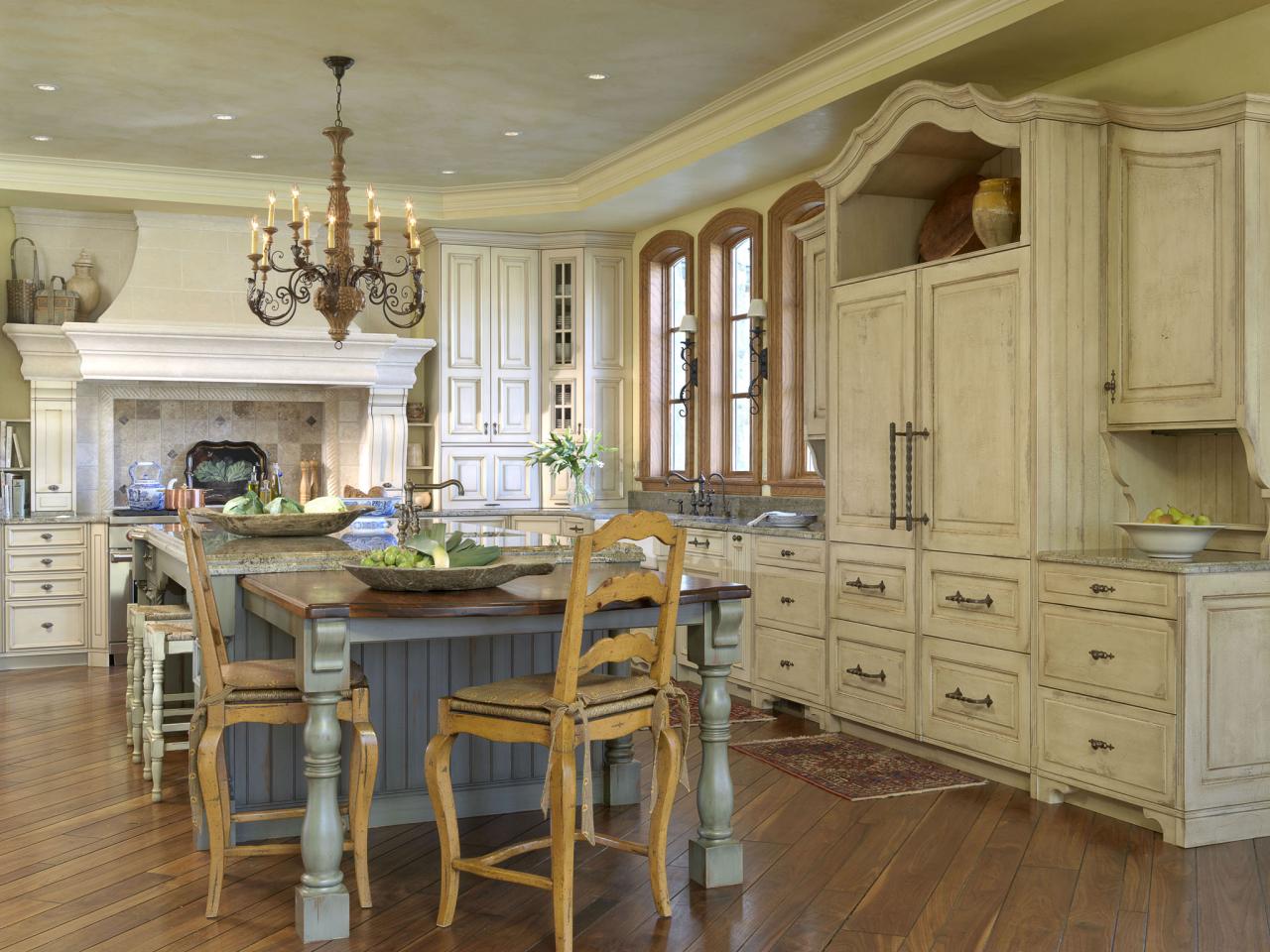
Kitchen Design Ideas – Pictures of Country Kitchen Decor
Related Posts: