When I started planning my farmhouse kitchen renovation three years ago, I knew I wanted something unique that would blend industrial charm with rustic warmth. After months of researching granite, marble, and butcher block, I stumbled upon concrete countertops and fell completely in love. The idea of having custom-poured surfaces that could be any color, texture, or finish I wanted was irresistible. Now, living with these countertops daily, I can honestly say they’ve exceeded every expectation. Let me walk you through everything I learned about choosing, installing, and caring for concrete countertops in a farmhouse kitchen.
Understanding Concrete as a Countertop Material
Before committing to concrete, I needed to understand exactly what I was getting into. Concrete countertops aren’t like picking out slabs of stone at a showroom; they’re a custom creation that requires careful planning and realistic expectations. I spent weeks researching the pros and cons, talking to fabricators, and visiting homes with existing concrete countertops to see how they aged over time.
What surprised me most was learning that concrete is porous and requires sealing, much like natural stone. The material itself is incredibly durable and heat-resistant, which was perfect for my cooking style since I’m always putting hot pots down without thinking. However, I discovered that without proper sealing, concrete can stain from oils, acids, and even water. This maintenance requirement wasn’t a dealbreaker for me, but it was something I needed to factor into my decision.
The weight of concrete countertops also caught me off guard. My contractor had to reinforce my existing cabinet structure because concrete weighs significantly more than laminate or even granite. We added extra support brackets and ensured the cabinets were properly anchored to the wall studs. This structural preparation added to the overall project cost, but it was necessary. I’m glad we did it right from the start because these countertops aren’t something you want shifting or cracking due to inadequate support underneath.
Choosing the Perfect Color and Finish
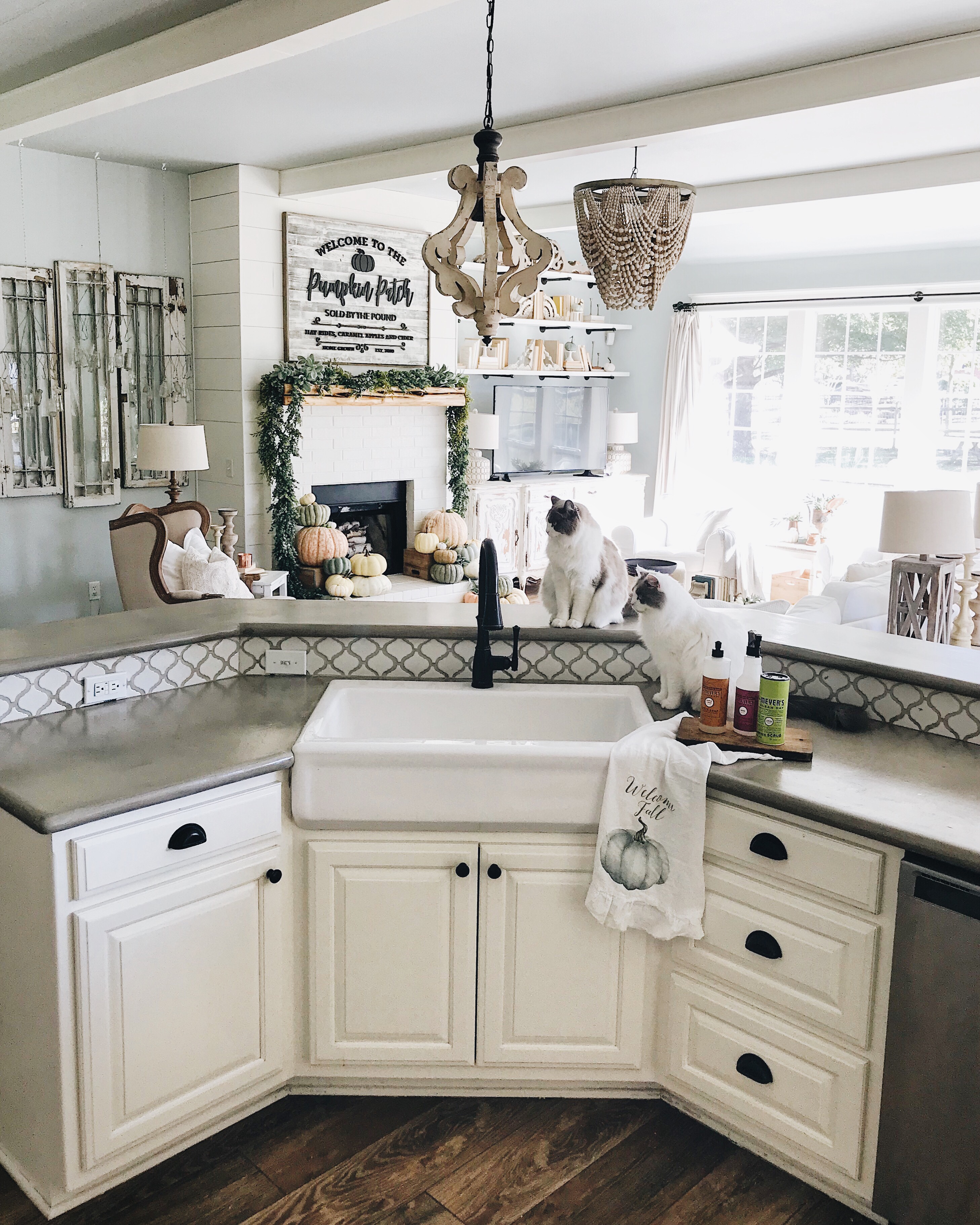
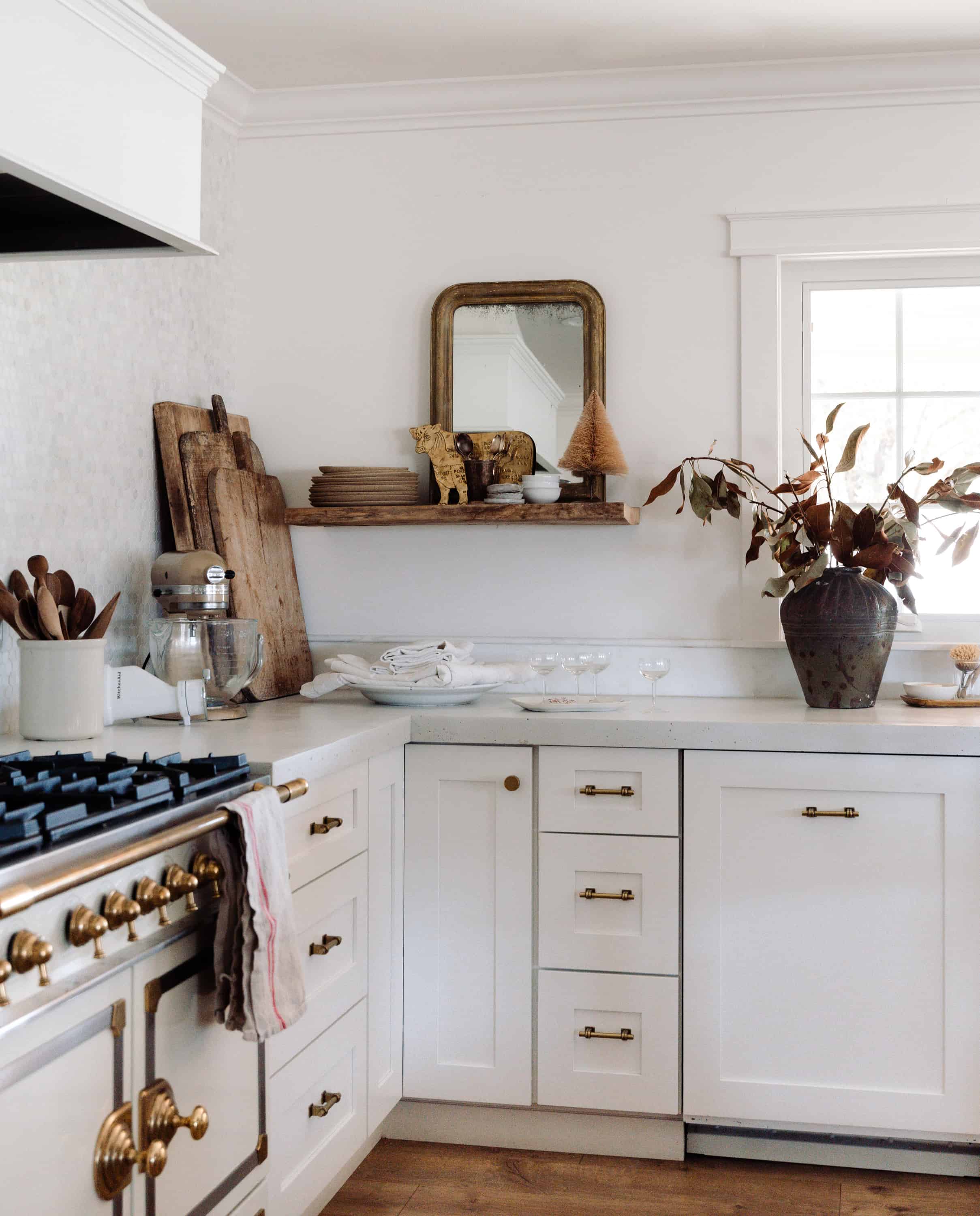
Selecting the color for my concrete countertops was one of the most exciting parts of the process. Unlike natural stone, where you’re limited to what nature provides, concrete can be tinted to virtually any shade imaginable. I made dozens of sample boards, testing different pigment combinations and additives until I found the perfect warm gray that complemented my white shaker cabinets and reclaimed wood shelving.
I decided to incorporate aggregates into my concrete mix for added visual interest and texture. My fabricator and I experimented with crushed glass, small pebbles, and even recycled materials. We ultimately settled on a subtle mix of white and gray aggregates that would be exposed through polishing. The result is a surface with depth and character that catches light beautifully throughout the day, creating an almost living quality that changes with the sun’s movement.
The finish was another crucial decision. I initially wanted a high-gloss polish like I’d seen in modern kitchens, but my fabricator suggested a honed, matte finish that would be more forgiving and authentic to farmhouse style. I’m so grateful for that advice because the softer finish hides minor scratches and water spots better than a polished surface would. It also feels warmer and more tactile, inviting people to touch it and lean against it rather than treating it like a precious showpiece.
DIY Installation versus Professional Fabrication
I seriously considered pouring my own concrete countertops to save money. I watched countless YouTube tutorials and read DIY guides that made it seem totally doable. However, after pricing out materials, renting equipment, and calculating the time investment, I decided to hire professionals. This was one of the best decisions I made during my entire renovation.
My fabricator created templates of my existing countertops, then poured the concrete in his workshop, where he could control temperature and humidity. He used specialized mixes, reinforcing fibers, and techniques that would have been nearly impossible for me to replicate in my garage. The countertops cured for several weeks before installation, developing strength and stability that fresh-poured concrete simply doesn’t have.
That said, I did take on the sealing process myself after installation to save some money and learn how to maintain my countertops properly. My fabricator taught me the technique, and I’ve resealed them twice since installation. This hands-on involvement gave me confidence in maintaining my investment and understanding exactly what products and methods work best. If you’re handy and patient, I’d recommend hiring pros for fabrication but potentially tackling the sealing yourself once you’ve been properly trained.
Integrating Farmhouse Design Elements
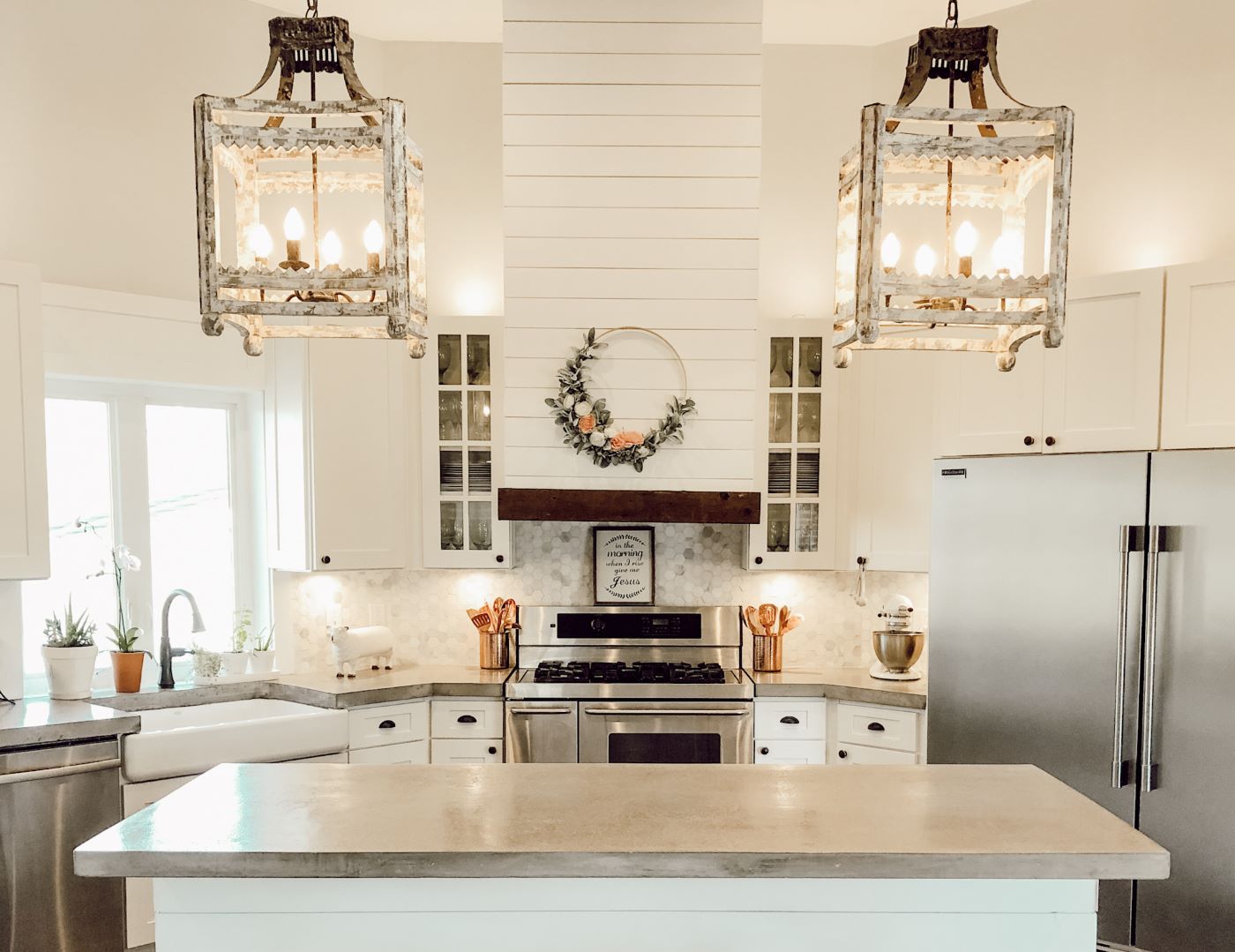
Making concrete countertops feel authentically farmhouse rather than industrial loft required thoughtful design choices. I incorporated a thick edge profile, about two and a half inches, which gives the countertops a substantial presence and that chunky, handcrafted look characteristic of farmhouse style. This thickness also allowed my fabricator to add decorative edge details that soften the overall appearance.
I requested an integrated farmhouse sink, and watching my fabricator create the mold for this was fascinating. The concrete was poured around a form that created a seamless transition from countertop to sink basin. This detail transformed my kitchen because there’s no rim or seam where food particles can collect. The monolithic look is sleek yet perfectly suited to farmhouse aesthetics, especially since I chose a deep, wide basin that can accommodate my largest roasting pans.
Color variation was another way I ensured my countertops felt organic and handmade. I asked my fabricator not to make the color perfectly uniform. The subtle mottling and slight shade differences across the surface make my countertops look like they’ve been here for years. I also added an apron-front detail where the countertop meets my sink base, creating visual interest and paying homage to traditional farmhouse design while using a completely contemporary material.

Sealing and Protecting Your Investment
Learning about sealers was like learning a new language. There are topical sealers that sit on the surface, penetrating sealers that soak into the concrete, and various combinations of both. After consulting with my fabricator and doing extensive research, I chose a penetrating sealer followed by a food-safe topical wax that I can reapply easily whenever the countertops need refreshing.
My sealing routine has become second nature now. Every six months, I deep clean the countertops, let them dry completely overnight, then apply a fresh coat of penetrating sealer. After it cures for a few days, I buff on a coat of paste wax. This two-layer protection system keeps my countertops resistant to stains while maintaining that matte, natural finish I love. The entire process takes maybe three hours twice a year, which feels manageable.
I’ve learned to live with the character that develops over time. Despite my careful sealing, my countertops have developed a patina around the sink and stove areas where I cook most frequently. These darker areas don’t bother me anymore because they tell the story of how I use my kitchen. I’ve embraced the idea that concrete, like wood and other natural materials, is meant to age and show its history. This mindset shift was crucial for my happiness with these countertops.

Daily Living and Maintenance Realities
The first few months with concrete countertops taught me new habits. I now use cutting boards religiously, not because concrete dulls knives (it does), but because I don’t want knife marks marring the sealed surface. I keep trivets near my stove for hot pots and pans, even though concrete can handle heat. These small precautions have become automatic and protect my investment.
Cleaning concrete countertops is simpler than I expected. I use warm water and a mild dish soap for daily cleanup, avoiding acidic cleaners like vinegar or harsh chemicals that might degrade the sealer. For stubborn stains, I make a paste of baking soda and water, gently scrub, then rinse thoroughly. I’ve found that addressing spills quickly, especially from things like red wine, coffee, or cooking oils, prevents staining better than any sealer possibly could.
The most challenging aspect has been managing expectations with guests who aren’t familiar with concrete countertops. I’ve had well-meaning friends panic over setting down a wine glass or cutting vegetables directly on the surface. I’ve learned to casually explain that my countertops are durable and meant to be used, while also discreetly providing coasters and cutting boards. Living with concrete has taught me to balance protection with actually enjoying and using my beautiful kitchen rather than treating it like a museum display.
How much did your farmhouse concrete countertops cost compared to other materials?
My concrete countertops cost roughly the same as mid-range granite but less than marble or quartzite. I paid about $85 per square foot installed, which included the integrated sink and custom edge details. Prices vary significantly based on your location, design complexity, and whether you choose cast-in-place or precast. The customization potential justified the cost for me, creating exactly what I envisioned rather than compromising with available stone slabs.
Do concrete countertops crack, and what happens if they do?
Hairline cracks can develop, and mine has one small crack near the sink that appeared after about a year. My fabricator explained that this is normal as concrete settles and responds to temperature changes. The crack hasn’t grown and doesn’t affect function or sealer integrity. Larger cracks can be filled and resealed. Proper reinforcement during fabrication minimizes cracking, which is why professional installation matters.

Are concrete countertops actually food-safe for a working kitchen?
Absolutely! Once properly sealed with food-safe products, concrete is as safe as any countertop material. I use food-grade sealers and wax specifically designed for concrete counters. The key is maintaining the seal through regular reapplication. I prep food directly on my counters using cutting boards, just like I would with any other surface. My fabricator used non-toxic concrete mixes approved for food contact surfaces.
How do concrete countertops hold up with kids and heavy daily use?
Mine have held up remarkably well despite two active kids and constant cooking. The matte finish hides minor scratches and dings better than polished stone would. My kids have spilled everything imaginable, and with quick cleanup, nothing has permanently stained. The durability surprised me, these counters handle impact and abuse better than the laminate we had before. They’re family-friendly once you establish basic care habits.
Can I place hot pots directly on concrete countertops?
Technically, yes, concrete itself won’t scorch or burn from heat. However, I use trivets because extreme temperature changes can potentially damage the sealer or cause thermal shock cracking. I’ve accidentally set hot pans down a few times without issue, but consistently using trivets protects my sealer and gives me peace of mind. It’s a small habit that extends the life of the protective coating.
What’s the biggest surprise about living with concrete countertops?
The biggest surprise is how much I love the patina developing over time. I expected to stress about every mark or stain, but instead I’ve embraced the aging process. My countertops look better now than when first installed because they’ve developed character and warmth. The other surprise is how many compliments I get, guests are fascinated by them, and the conversation starter aspect has been unexpected and delightful.

Amazing and stylish kitchens with concrete countertops

White Concrete Countertops

Farmhouse Kitchen with Concrete Countertops Ideas
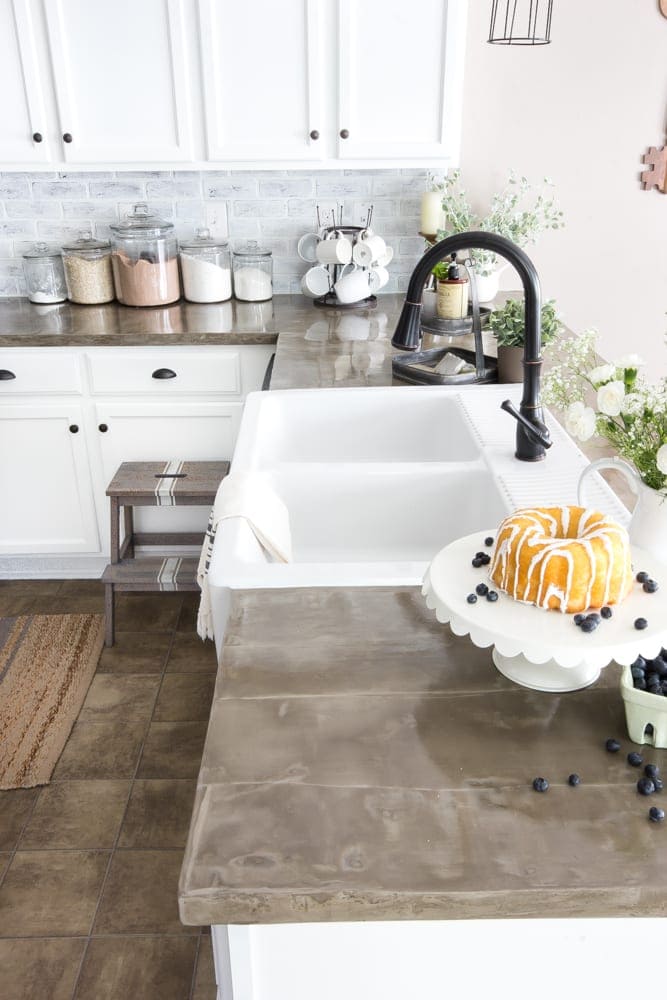
DIY Kitchen Concrete Countertops

The Good, Bad and Ugly of Concrete Countertops
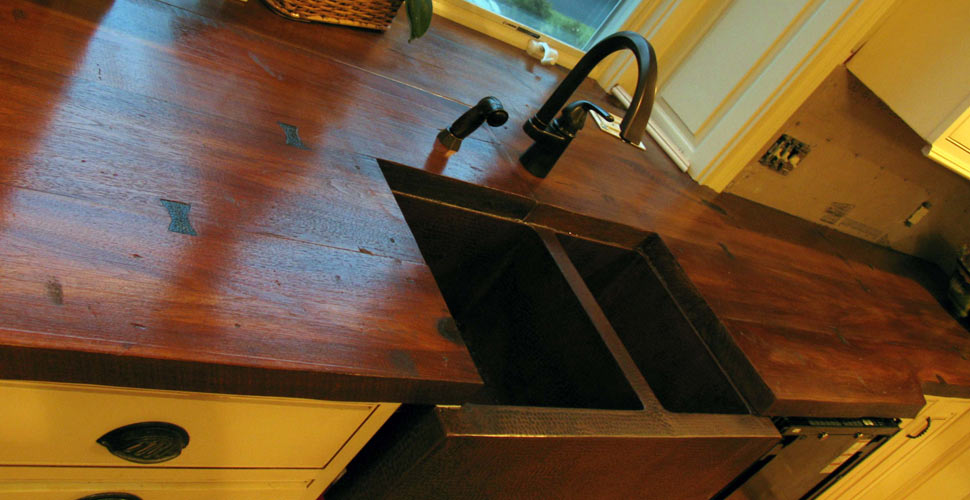
Wood Finish Concrete Countertops CHENG Concrete Exchange
Related Posts: