Black beadboard kitchen cabinets are a stunning way to add charm, texture, and contrast to your space. The combination of the classic beadboard detail with a rich black finish creates a look that’s both timeless and striking. Whether your style is farmhouse, coastal, or modern, black beadboard cabinets can adapt beautifully. I’ve always loved how they add depth to a kitchen without feeling too heavy, especially when paired with the right countertops and hardware. Let’s explore different key aspects of black beadboard cabinets to help you decide if they’re right for your home.
Why Choose Black Beadboard Cabinets?
Black beadboard cabinets make a strong visual statement while keeping things warm and inviting. The vertical lines of the beadboard add texture, preventing an all-black kitchen from feeling flat or monotonous. I’ve noticed that in both small and large kitchens, this style adds character without overwhelming the space. The contrast between the dark cabinets and lighter walls or countertops creates a balanced, polished look that’s hard to achieve with plain flat-front cabinets.
Another reason I love black beadboard is its versatility. It works well in traditional homes, where it enhances a cozy, lived-in feel, but it can also fit into modern farmhouse or even transitional kitchens. The key is in the details—hardware, lighting, and surrounding finishes can steer the look in different directions. For example, brass knobs and open shelving can make the cabinets feel more vintage, while sleek chrome handles keep things contemporary.
Maintenance is often a concern with dark cabinets, but beadboard’s texture helps disguise minor scuffs and fingerprints better than a smooth finish. If you’re worried about upkeep, a satin or matte black finish will be more forgiving than high-gloss. Overall, black beadboard cabinets are a great choice if you want a kitchen that feels stylish yet lived-in, with just the right amount of contrast.
Best Countertop Pairings
Choosing the right countertop is crucial to balance the boldness of black beadboard cabinets. I’ve found that light-colored countertops, like white quartz or marble, create a striking contrast that keeps the kitchen feeling fresh. The natural veining in marble adds movement, preventing the space from looking too stark. If you prefer warmth, butcher block or light wood countertops soften the look and add a rustic touch.
For a more dramatic effect, dark countertops like black granite or soapstone can create a moody, cohesive look. This works especially well in larger kitchens with plenty of natural light. I’d recommend breaking up the darkness with a textured backsplash or metallic accents to keep things from feeling too heavy. Another great option is a concrete countertop—its industrial vibe pairs surprisingly well with the classic beadboard texture.
If you want something in the middle, consider a medium-toned countertop like gray quartz or honed granite. These provide contrast without being too stark and work well in both modern and traditional kitchens. The key is to test samples in your actual kitchen lighting, as colors can shift dramatically under different conditions. No matter what you choose, the right countertop will enhance the beauty of your black beadboard cabinets.
:strip_icc()/102022766_preview-45e01bca92f747b9b22abcbe55440595.jpg)
Hardware Choices That Make a Difference
Hardware can completely change the vibe of black beadboard cabinets. I’ve experimented with different finishes and styles, and the results can range from vintage charm to sleek modernity. Brass or gold hardware is my top pick for a warm, classic look—it pops against the black and adds a touch of elegance. For a more rustic feel, oil-rubbed bronze or matte black pulls can enhance the farmhouse aesthetic.
If you prefer a modern look, chrome or stainless steel hardware keeps things clean and understated. I’ve seen black beadboard cabinets with minimalist bar pulls that create a streamlined, contemporary effect. Another fun option is mixing metals—combining brass knobs with stainless steel appliances can add depth and interest. Just make sure to repeat the metals elsewhere in the kitchen (like lighting or faucets) for a cohesive look.
The shape of the hardware matters too. Bin pulls or cup handles suit a traditional kitchen, while slim, straight handles lean modern. I always recommend testing a few options before committing—sometimes, a small change in hardware can completely transform the cabinets’ overall feel. Don’t be afraid to play around until you find the perfect match.

Lighting to Complement Black Cabinets
Good lighting is essential to keep black beadboard cabinets from making the kitchen feel too dark. I’ve found that layered lighting works best—combining overhead, task, and accent lighting creates a balanced, inviting space. Pendant lights over an island or sink add both function and style. Clear glass or metal-framed pendants keep things airy, while fabric shades can soften the look.
Under-cabinet lighting is a game-changer for black cabinets. LED strip lights or puck lights brighten the countertops and highlight the beadboard texture. I love how this makes the kitchen more functional while adding a subtle glow. If you have glass-front upper cabinets, interior lighting can showcase dishes and glassware, adding another layer of warmth.
Natural light is also important. If your kitchen has windows, avoid heavy window treatments that block light. Sheer curtains or simple Roman shades maintain privacy without darkening the space. Mirrors or reflective backsplashes can also help bounce light around, making the room feel brighter and more open. With the right lighting, black beadboard cabinets feel rich and sophisticated, not gloomy.

Backsplash Ideas for Black Beadboard
A backsplash can either blend in or stand out against black beadboard cabinets—it all depends on the look you want. I love white subway tile for a crisp, timeless contrast. The clean lines of the tile complement the beadboard’s texture without competing with it. For a bit more interest, herringbone or stacked patterns add movement while keeping things neutral.
If you want color, a pale blue or green tile can add a subtle pop without overwhelming the space. I’ve also seen black beadboard paired with bold patterned tiles (like Moroccan or encaustic) for a dramatic, eclectic look. Just make sure to balance the busy pattern with simpler countertops and hardware.
For a seamless appearance, a black or dark gray backsplash can create a sophisticated monochromatic look. Matte finishes work well here, adding depth without too much shine. Another unique option is a metal backsplash—copper or stainless steel adds warmth and reflects light beautifully. Whatever you choose, the backsplash should enhance the cabinets, not fight them for attention.
Styling Tips for a Cohesive Look
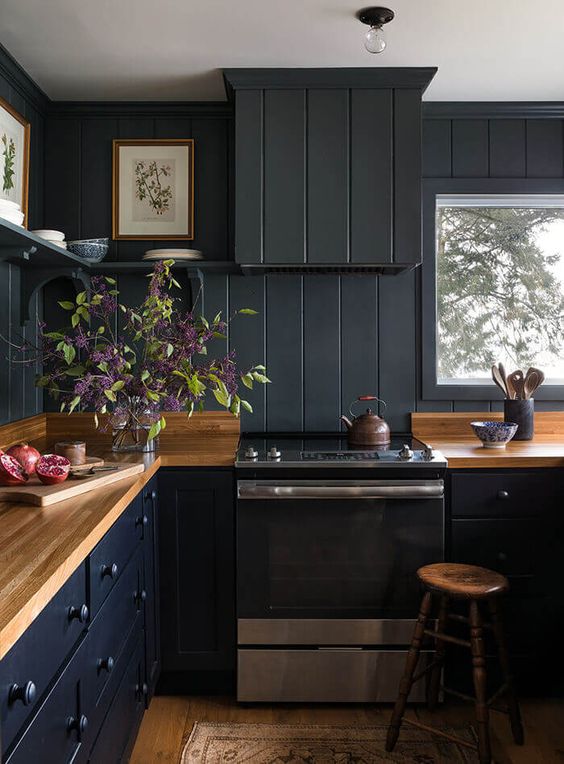
To make black beadboard cabinets feel inviting, styling is key. Open shelving with white dishes or wooden bowls breaks up the darkness and adds visual interest. I like to mix materials—wood, metal, and ceramics—to keep the space from feeling one-dimensional. Fresh greenery or a vase of flowers also brings life to the kitchen.
Textiles can soften the look. A neutral runner or patterned curtains adds warmth underfoot or at the windows. If your kitchen has an island, bar stools with woven seats or upholstered cushions make the space more comfortable and layered.
Finally, don’t forget about the walls. Light-colored walls (white, cream, or pale gray) keep the focus on the cabinets while preventing the room from feeling too dark. If you love color, a soft sage or blush can add personality without clashing. The goal is to create a balanced, harmonious space where the black beadboard cabinets shine as the star of the show.
Do black beadboard cabinets make a kitchen look smaller?
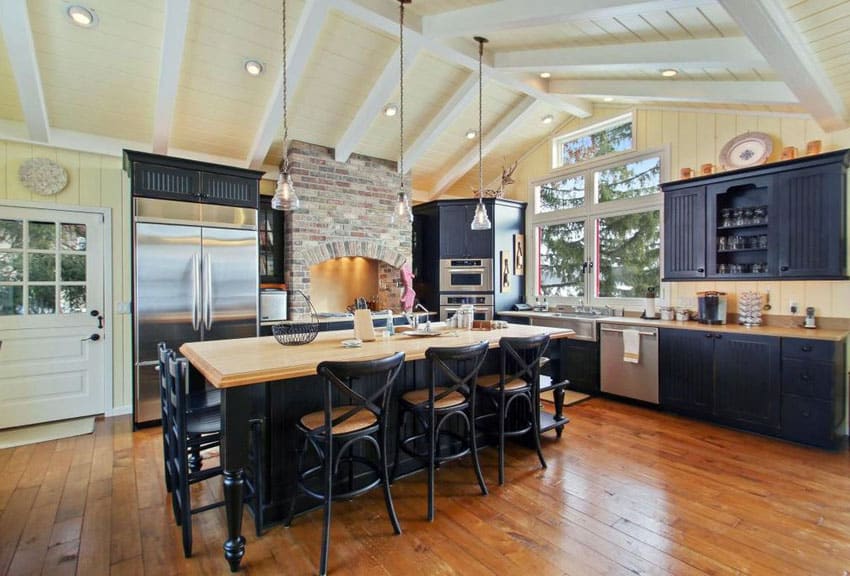
Not necessarily—when balanced with light countertops, backsplashes, and walls, black beadboard cabinets can actually add depth. The vertical lines of the beadboard create visual height, making ceilings appear taller. To avoid a cramped feel, ensure plenty of lighting (natural and artificial) and keep upper cabinets or open shelves light in color.
Are black cabinets hard to keep clean?
Black cabinets can show dust and fingerprints more than lighter colors, but beadboard’s texture helps disguise smudges. A satin or matte finish is more forgiving than high-gloss. Regular wiping with a microfiber cloth keeps them looking fresh. For busy households, they might require a bit more upkeep, but the stylish payoff is worth it.

What wall colors work best with black beadboard cabinets?
Light neutrals like white, cream, or pale gray create a crisp contrast. Soft pastels (like blush or sage) add subtle color without overwhelming the space. If you love drama, deep navy or charcoal can create a moody, sophisticated look—just ensure enough lighting to keep the room from feeling too dark.
Can I use black beadboard cabinets in a small kitchen?
Yes! Pair them with light countertops, reflective backsplashes, and good lighting to prevent the space from feeling closed in. Open shelving or glass-front uppers can also keep things airy. The beadboard’s vertical lines help draw the eye upward, making the room feel taller.

What flooring works well with black cabinets?
Light hardwood or white-washed floors brighten the space and contrast beautifully. Medium-toned wood adds warmth without competing with the cabinets. For a modern look, large-format gray tiles or polished concrete can create a sleek, cohesive feel. Avoid overly dark floors unless you have ample natural light.
Are black beadboard cabinets trendy or timeless?
While black cabinets have moments of trendiness, the beadboard detail gives them a classic, enduring appeal. They work in traditional, farmhouse, and even modern kitchens, making them a versatile long-term choice. If you’re worried about trends, opt for simple hardware and neutral surroundings for a look that won’t date quickly.

Board & Batten Beadboard Kitchen Island – Infarrantly Creative

These Beadboard Cabinet Ideas Will Be Right on Time for Your

Beautiful Beadboard Kitchen Cabinets (Design Ideas) – Designing Idea
Related Posts: