When I decided to redesign my kitchen, I knew I wanted to capture that effortless elegance I’d fallen in love with during a trip to Paris. The French have this incredible ability to make spaces feel both sophisticated and welcoming, and I was determined to bring that aesthetic into my own home. After months of research, countless samples, and yes, a few mistakes along the way, I discovered that the backsplash was the key to achieving that coveted French look. Let me share everything I learned about creating a stunning French-inspired backsplash that transforms your kitchen into a space worthy of a Parisian apartment.
Classic White Subway Tiles with French Flair
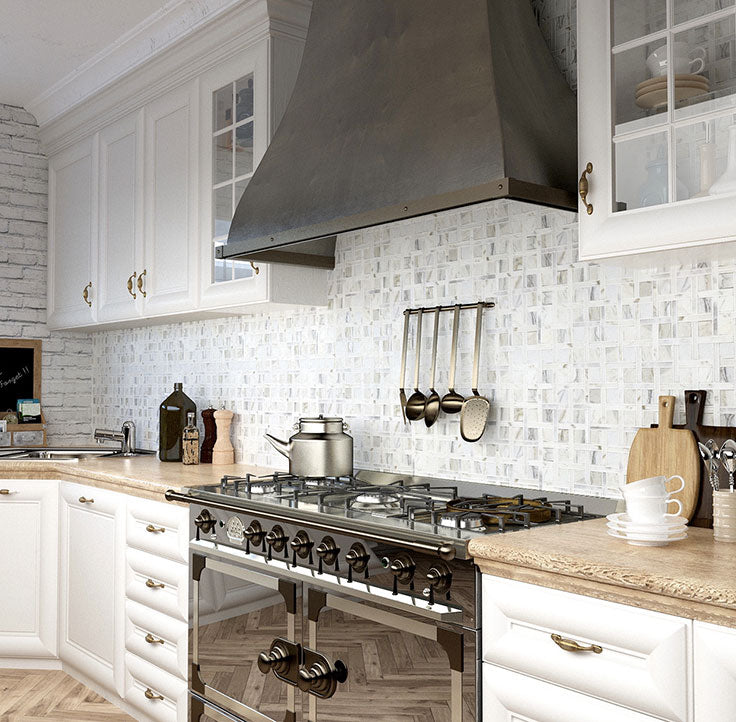
I started my backsplash journey with the timeless appeal of white subway tiles, but I wanted to give them that distinctly French twist. After visiting several tile showrooms, I realized that not all white subway tiles are created equal. I chose handmade tiles with slightly irregular edges and a subtle crackle glaze that mimics the patina of aged French ceramics. The imperfections were exactly what made them perfect.
The grout color made an enormous difference in achieving an authentic French look. Instead of the stark white grout I initially considered, I went with a warm gray that’s common in Parisian kitchens. This choice softened the overall appearance and created a more lived-in, European aesthetic. I spent hours comparing grout samples against my tiles, holding them up in different lighting conditions throughout the day until I found the perfect shade.
My installation pattern was crucial, too. I opted for a classic running bond pattern but kept the grout lines slightly wider than typical American installations, about three-eighths of an inch. This subtle detail references traditional French tile work and adds visual texture. When the installer questioned my choice, I showed him photos from my Paris trip, and he understood immediately. The final result has that authentic French character I was dreaming of, casual yet refined.
Embracing the Beauty of Terracotta and Earth Tones
My second backsplash project, this time for my cooking zone, introduced me to the warmth of terracotta tiles. French country kitchens often feature these earthy materials, and I was drawn to their rustic charm and the way they age beautifully over time. I selected handmade terracotta tiles in varying shades of rust, amber, and clay that reminded me of Provence farmhouses.
Working with terracotta required more research than I expected. These tiles are porous and need proper sealing to withstand kitchen splatters and moisture. I applied three coats of a penetrating sealer before installation and plan to reseal them annually. The maintenance is worth it because the tiles have developed a gorgeous patina already, with slight color variations that make the backsplash feel like it’s been there for decades.
I mixed in some cream-colored ceramic tiles to break up the terracotta and add visual interest. This combination of materials is very French, creating depth and preventing the space from feeling too monochromatic. The contrast between the matte terracotta and glossy ceramic catches light differently throughout the day, making my kitchen feel alive and dynamic. Friends always comment on how warm and inviting this area feels.
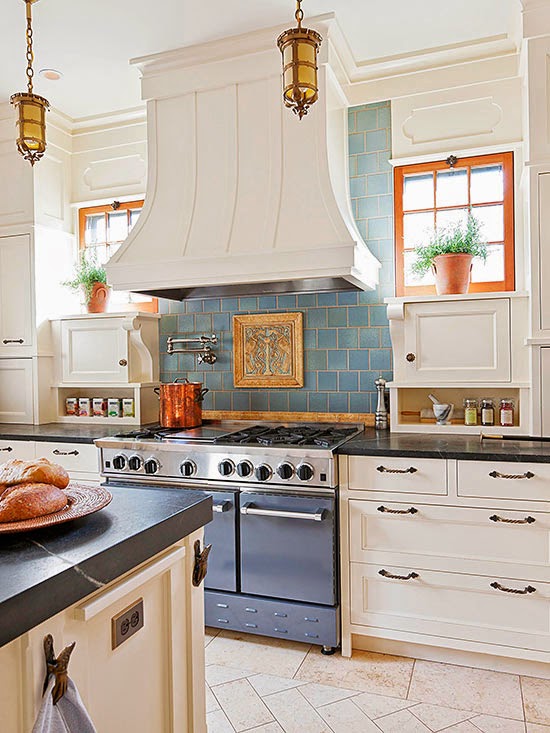
French Patterned Cement Tiles for Bold Statement
When I renovated my butler’s pantry, I decided to go bold with authentic French cement tiles. These encaustic tiles feature intricate geometric patterns in soft blues, grays, and whites that instantly transport you to a Parisian bistro. I was nervous about such a statement piece, but I’m so glad I took the risk because it became my favorite design element in the entire house.
Cement tiles are completely different from ceramic tiles, and I learned this quickly during installation. They’re handmade, which means each tile has slight variations in pattern and color. My installer had to be extremely careful during the process because cement tiles can stain easily before they’re sealed. We laid them out dry first, arranging them to create the most pleasing pattern distribution before permanently setting them.
The maintenance routine for cement tiles surprised me. I seal them every six months with a quality penetrating sealer and clean only with pH-neutral cleaners. Acidic substances like vinegar or lemon juice can damage the surface, so I’m careful about what I use near this backsplash. Despite the extra care required, these tiles bring such joy every time I see them. They’re authentic pieces of French craftsmanship that make my pantry feel special.

Incorporating Vintage French Mirrors and Antique Glass
One of my most unconventional backsplash choices came from inspiration I found in a French antique shop. I discovered that using antique mirror tiles as a backsplash creates stunning visual depth while staying true to French aesthetic principles. For my beverage station area, I installed antiqued mirror tiles with a soft silvery patina that reflects light beautifully without the harshness of new mirrors.
Finding the right antique mirror tiles took patience. I visited salvage yards, antique markets, and specialty glass shops until I collected enough tiles with similar aging patterns. Each piece was slightly different, with unique spots of tarnish and clouding that gave them character. I had them cut to uniform sizes by a professional glass cutter who understood how to work with delicate antique materials.
Installation required working with someone experienced in handling mirror tiles. We used a special adhesive that wouldn’t damage the silvering on the back and left minimal grout lines to maintain the reflective quality. The result is magical, especially in the evening when the mirrors catch candlelight and create a romantic, quintessentially French ambiance. This backsplash becomes a conversation starter at every gathering.
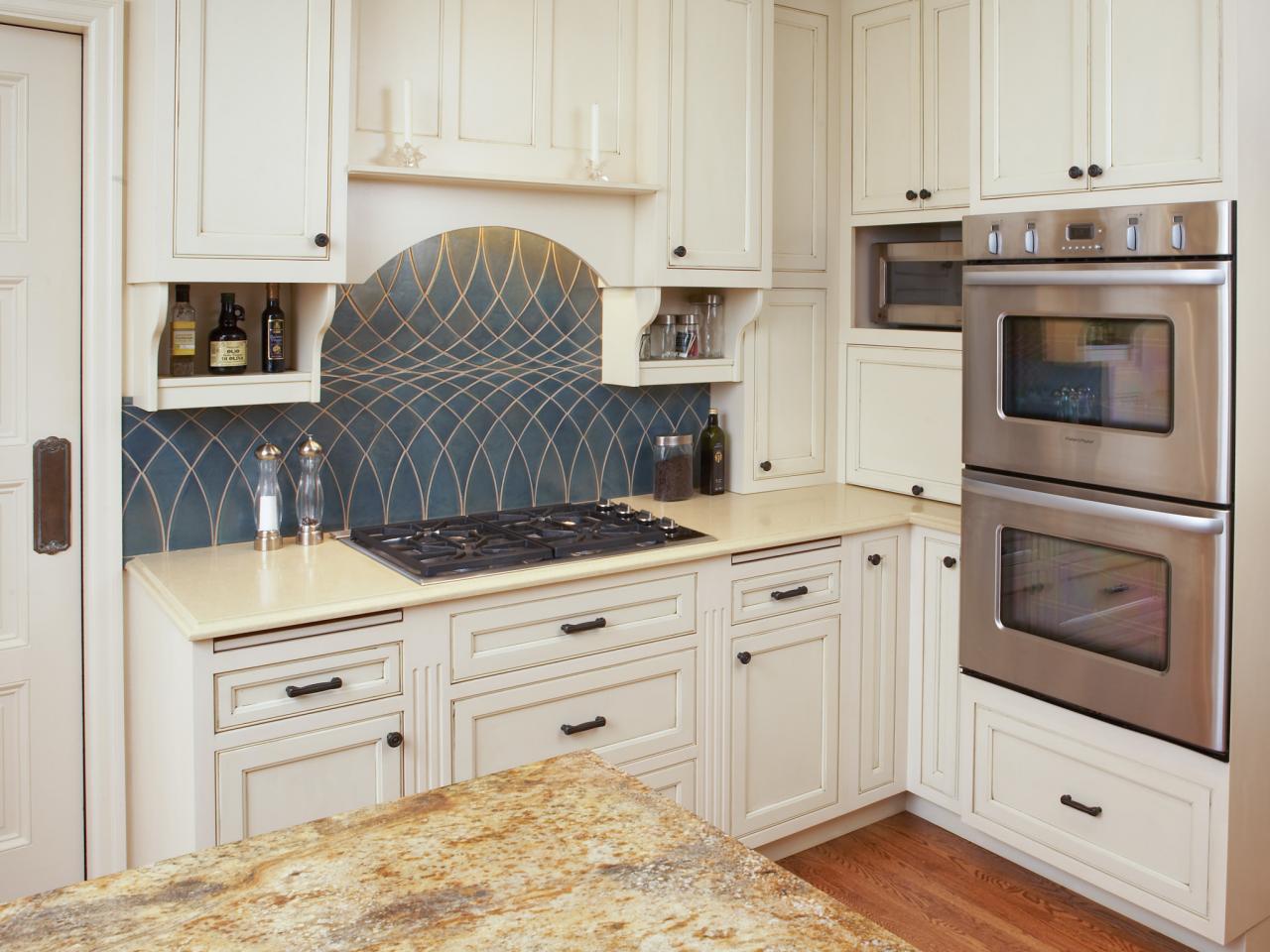
Natural Stone for Rustic French Country Appeal
My kitchen’s main prep area features a limestone backsplash that brings the rustic charm of French countryside estates into my modern home. I fell in love with limestone after seeing it in a chateau kitchen during my travels. The soft, creamy tones with natural fossil inclusions and subtle veining create an organic backdrop that feels both elegant and approachable.
Selecting the right limestone required understanding the different finishes available. I chose a honed finish rather than polished because it provides better slip resistance and hides water spots more effectively. The matte surface also feels more authentic to traditional French kitchens, where practical considerations always balanced aesthetic desires. I requested stones from the same quarry lot to ensure color consistency while still embracing natural variation.
Limestone maintenance became part of my kitchen routine. I seal it twice a year and wipe up spills immediately, especially acidic substances like tomato sauce or wine that can etch the surface. I use only pH-neutral cleaners and have developed a gentle cleaning technique that preserves the stone’s natural beauty. The slight patina developing over time adds to its character, making my kitchen feel like it’s been loved for generations.
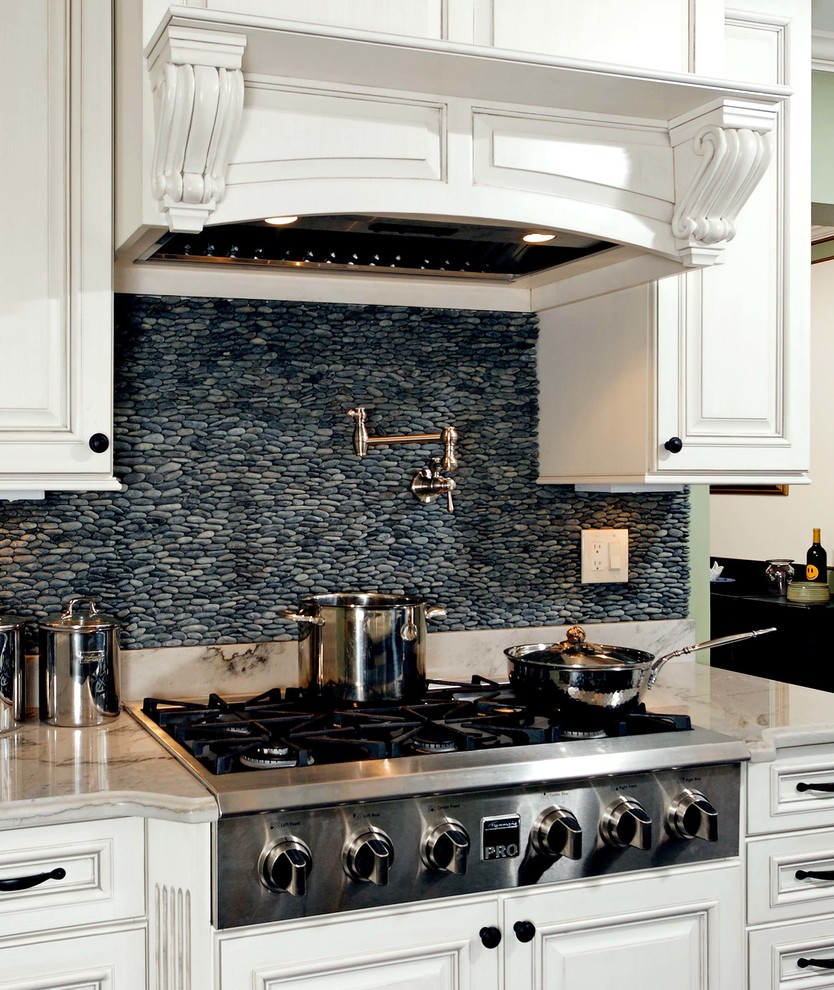
Modern Interpretations with Zellige and Moroccan Influence
For my most recent project, I explored zellige tiles, which have become incredibly popular in French design. These handmade Moroccan tiles offer that perfectly imperfect quality the French adore. I chose a soft sage green zellige for a small kitchen nook, and the way light plays across the irregular, glossy surface creates an almost three-dimensional effect that mesmerizes me daily.
Understanding Zellige tiles before installation was essential. Each tile is slightly different in size, thickness, and color due to the handcrafted production process. My installer needed extra time to work with these variations, adjusting spacing and grouting carefully to accommodate the irregularities. I learned to embrace the lippage where tiles don’t sit perfectly flush, recognizing this as part of their authentic charm.
The color of zellige tiles changes depending on lighting conditions, which I didn’t anticipate but absolutely love. My sage green appears more blue in morning light and takes on warmer, olive tones in the evening. This living quality makes my kitchen feel dynamic and interesting. I’ve since recommended Zellige to several friends undertaking kitchen renovations, always with the caveat that you need to appreciate handmade imperfections to truly love these tiles.
What makes a backsplash look authentically French versus just using French-style tiles?
Authentic French style comes from embracing imperfection and mixing materials thoughtfully. I learned to choose handmade tiles with irregular edges, use warmer grout colors instead of stark white, and incorporate natural wear patterns. Layer different textures and don’t make everything match perfectly. French kitchens often mix tile types, stone, and even exposed plaster. The key is creating a collected-over-time feeling rather than an obviously coordinated look.
How do I maintain specialty tiles like cement or terracotta in a working kitchen?
I maintain my specialty tiles with regular sealing and gentle cleaning. Cement and terracotta need penetrating sealers applied every six to twelve months. I use only pH-neutral cleaners and wipe spills immediately, especially oils and acids. For daily cleaning, warm water and mild soap work perfectly. I keep paper towels handy near my terracotta area to quickly address splashes before they soak in.
Are French backsplash styles expensive compared to standard options?
Costs vary significantly. My subway tile backsplash with French details was reasonably priced, while handmade zellige and antique mirrors were investment pieces. I mixed high and low throughout my kitchen, splurging on statement areas and using simpler tiles elsewhere. Quality matters more than quantity in French design. I’d rather have authentic materials in a smaller area than cheaper alternatives covering more space.
Can French backsplash ideas work in a small kitchen?
Absolutely! My first French backsplash was in a tiny apartment kitchen. Light-colored tiles, especially white subway or cream limestone, make small spaces feel larger. Reflective materials like antiqued mirror add depth. I kept patterns to accent areas and used simpler tiles for larger expanses. The French excel at making small spaces beautiful and functional, so their design principles actually work better in compact kitchens.
How do I choose between different French regional styles for my backsplash?
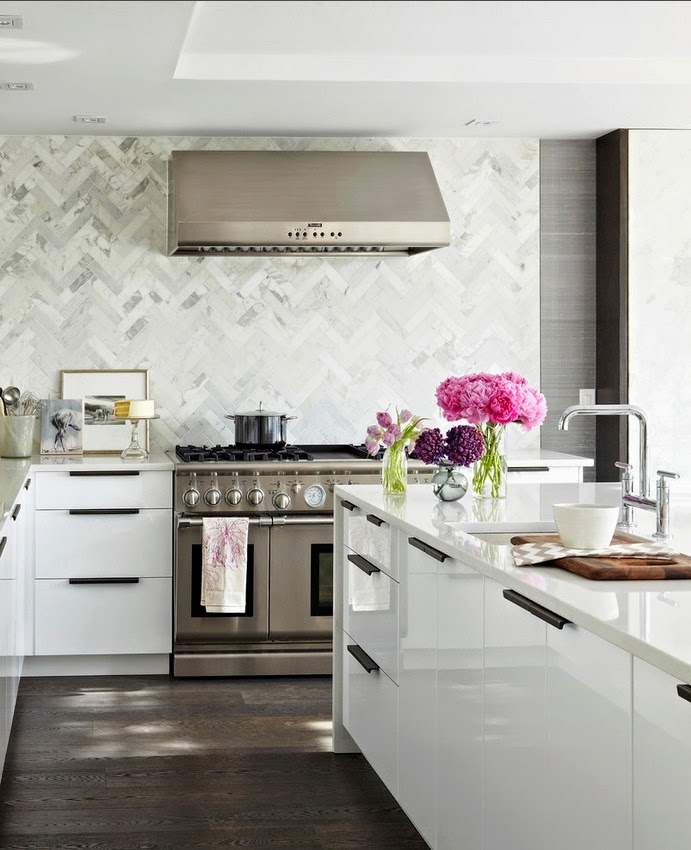
I spent time looking at images from different French regions and noting what resonated with me. Provence features warm terracotta and earth tones, Parisian kitchens lean toward subway tiles and sophisticated patterns, while Normandy embraces natural stone and cream colors. Consider your kitchen’s existing elements, your personal style, and how much maintenance you’re willing to do. I mixed influences from different regions throughout my home.
Should I hire a specialized installer for French-style tiles?
For standard subway tiles, most experienced installers work fine, though I showed them my reference photos to get details right. For specialty materials like cement tiles, zellige, antique mirrors, or natural stone, I absolutely recommend finding someone with specific experience. These materials require different techniques, adhesives, and handling. I interviewed three installers before choosing one who understood handmade tile irregularities and could work with my vision.

Romantic Country French Kitchen Design Inspiration from a Texas
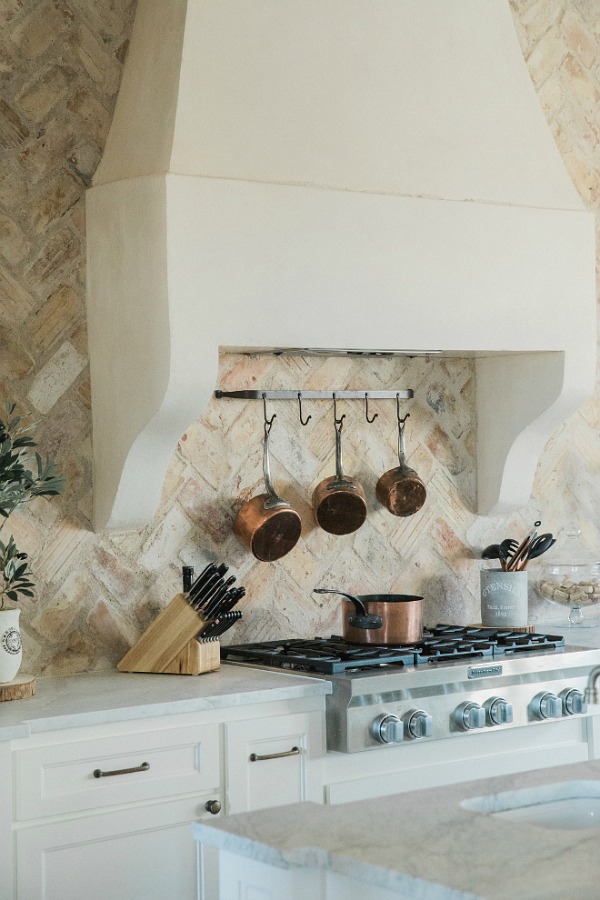
French Country Backsplash
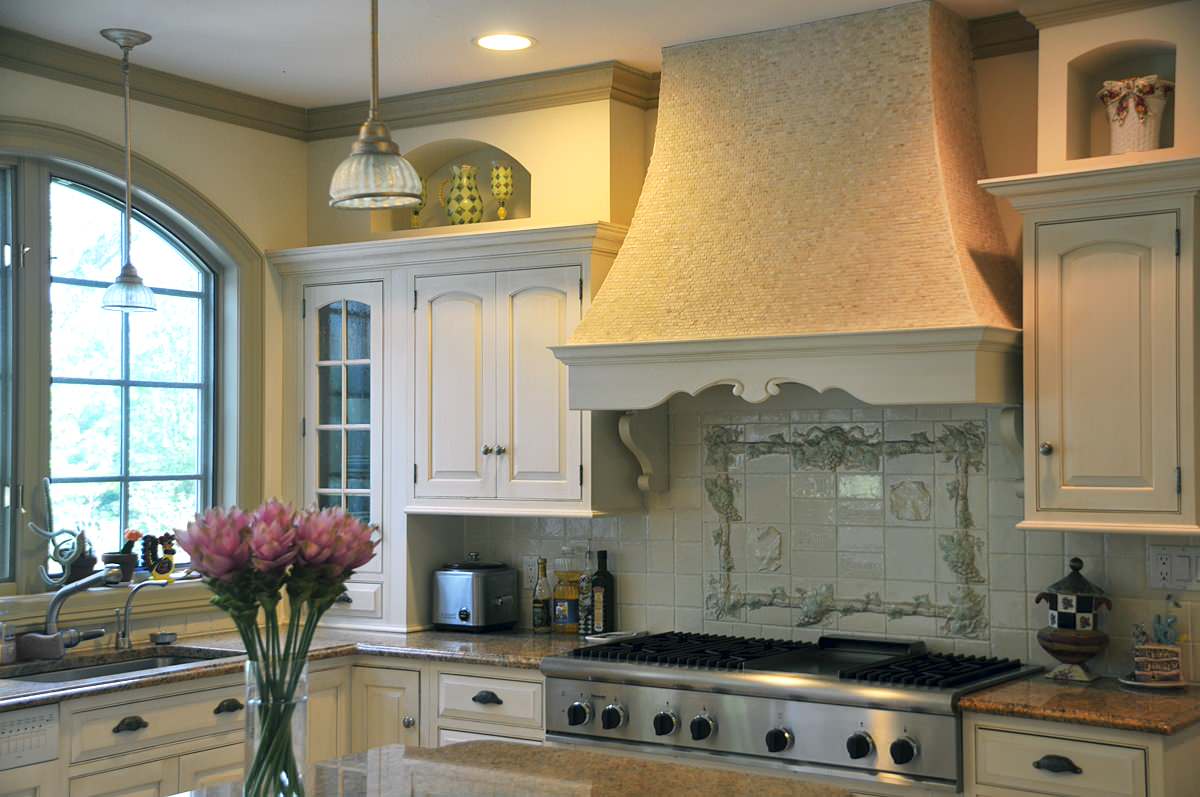
Kitchen Backsplash Ideas – Gallery of Tile Backsplash
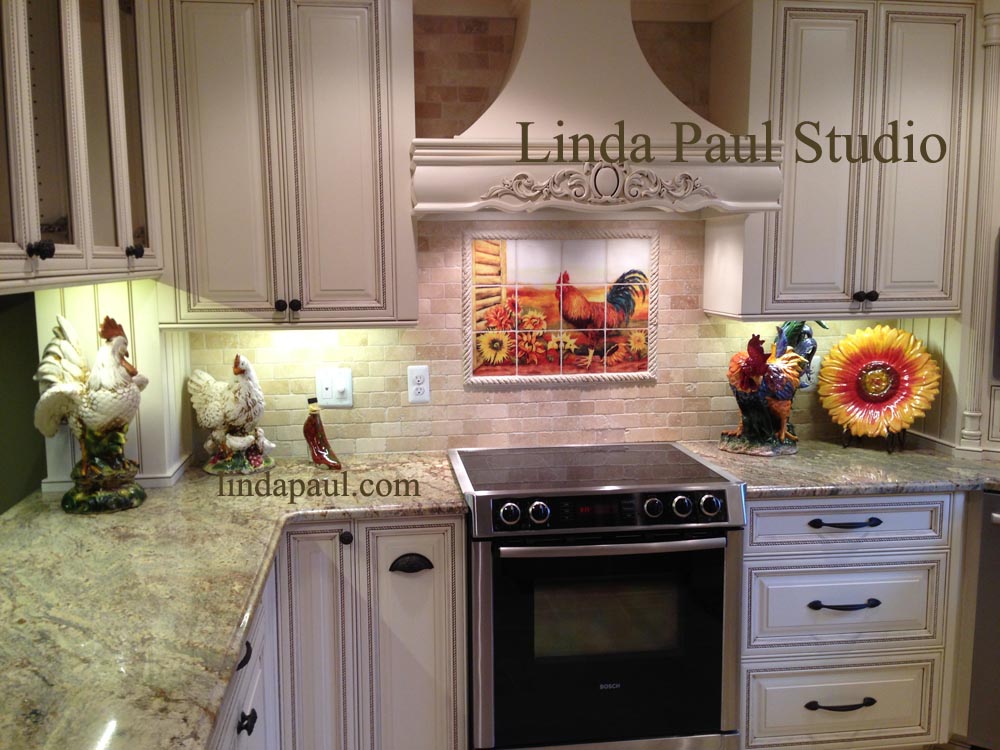
modern french country kitchen backsplash idea

French Country Kitchen – Wizard Enterprise

Related Posts:
- French Kitchen Backsplash Ideas
- Cottage Kitchen Backsplash
- Country Kitchen Backsplash
- Retro Kitchen Backsplash
- Rustic Wood Kitchen Backsplash
- Vintage Kitchen Backsplash Ideas
- Modern Farmhouse Kitchen Backsplash
- Mid Century Modern Kitchen Backsplash Tile
- Turquoise Kitchen Backsplash Tile
- Mediterranean Tile Kitchen Backsplash