When I decided to transform my sterile, builder-grade kitchen into a cozy farmhouse haven, I quickly discovered that lighting would make or break the entire design. The harsh fluorescent ceiling fixture and basic pendant lights were screaming modern suburban rather than rustic charm. After months of research, countless visits to lighting showrooms, and some expensive mistakes, I learned that farmhouse kitchen lighting is about so much more than just aesthetics. It’s about creating layers of warm, inviting light that make your kitchen the heart of your home. From pendant lights over the island to ambient fixtures that set the mood, each piece needed to balance authentic farmhouse character with the practical lighting needs of a busy family kitchen.
Understanding Farmhouse Lighting Characteristics and Styles
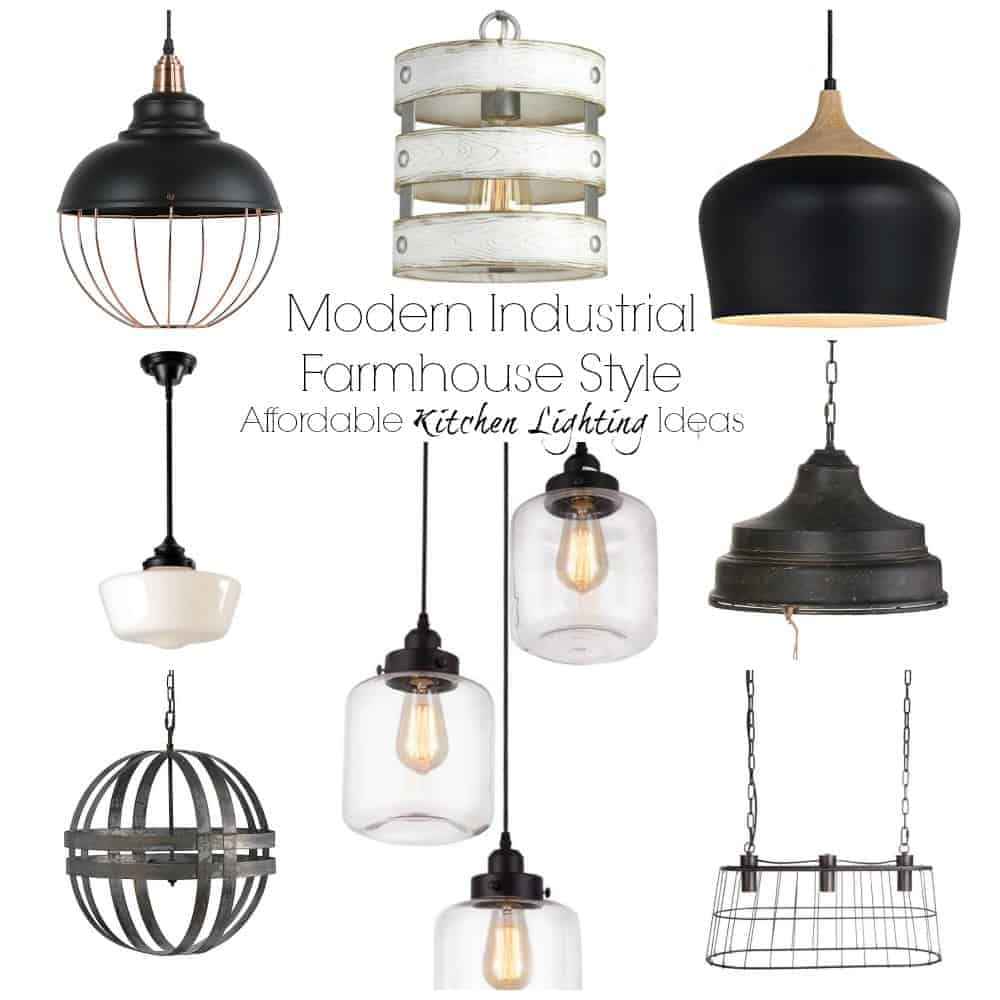
My journey began with understanding what truly defines farmhouse lighting versus other rustic or country styles. Authentic farmhouse fixtures embrace natural materials like weathered wood, aged metals, and clear or seeded glass that speak to their agricultural origins. I spent hours studying vintage farmhouse photos and visiting antique shops to understand the subtle details that separate genuine farmhouse character from mass-produced imitations with artificial aging.
The color palette became crucial in my selection process, as I learned that farmhouse lighting typically features warm, muted finishes rather than bright or shiny surfaces. Oil-rubbed bronze, weathered zinc, and distressed white paint emerged as my go-to finishes because they capture the worn, lived-in quality that defines authentic farmhouse style. These finishes also hide fingerprints and water spots much better than polished metals, which proved essential around my busy kitchen sink area.
Scale and proportion presented challenges I hadn’t anticipated when shopping for farmhouse fixtures. These pieces tend to be substantial and bold, reflecting their utilitarian origins in working farm kitchens where durability trumped delicacy. I had to completely recalibrate my expectations, moving away from the dainty contemporary fixtures I’d initially considered toward more robust pieces that could hold their own in my kitchen’s generous 10-foot ceiling height and open floor plan.
Choosing Pendant Lights for Kitchen Islands and Peninsulas
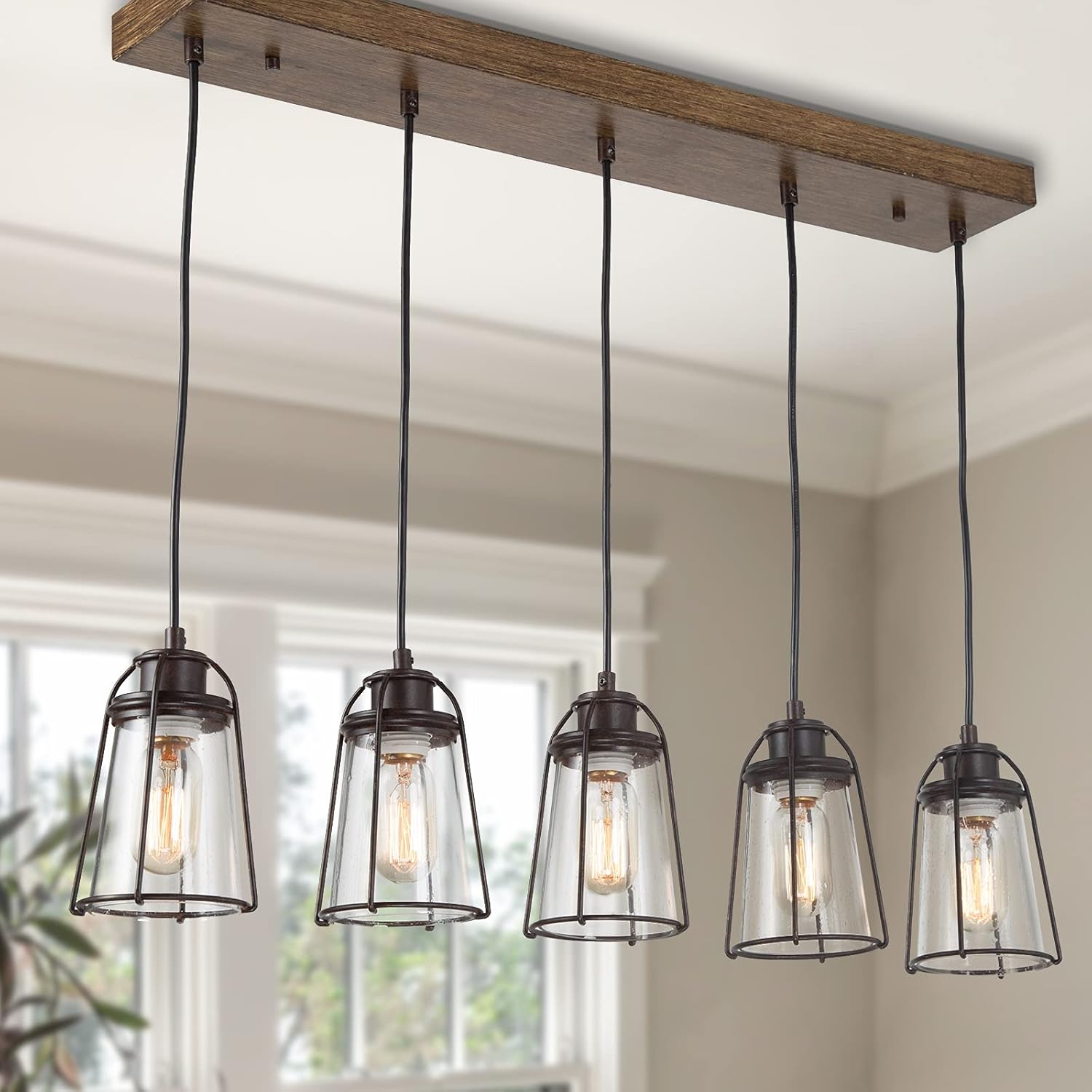
Selecting pendant lights for my kitchen island became an obsession that lasted three months and involved returning no fewer than four different fixtures before finding the perfect match. The relationship between pendant size, island dimensions, and ceiling height proved more complex than any online calculator could solve. I learned that the bottom of pendants should hang 30-36 inches above the island surface, but this general rule needed adjustment based on my family’s height and how we actually used the space.
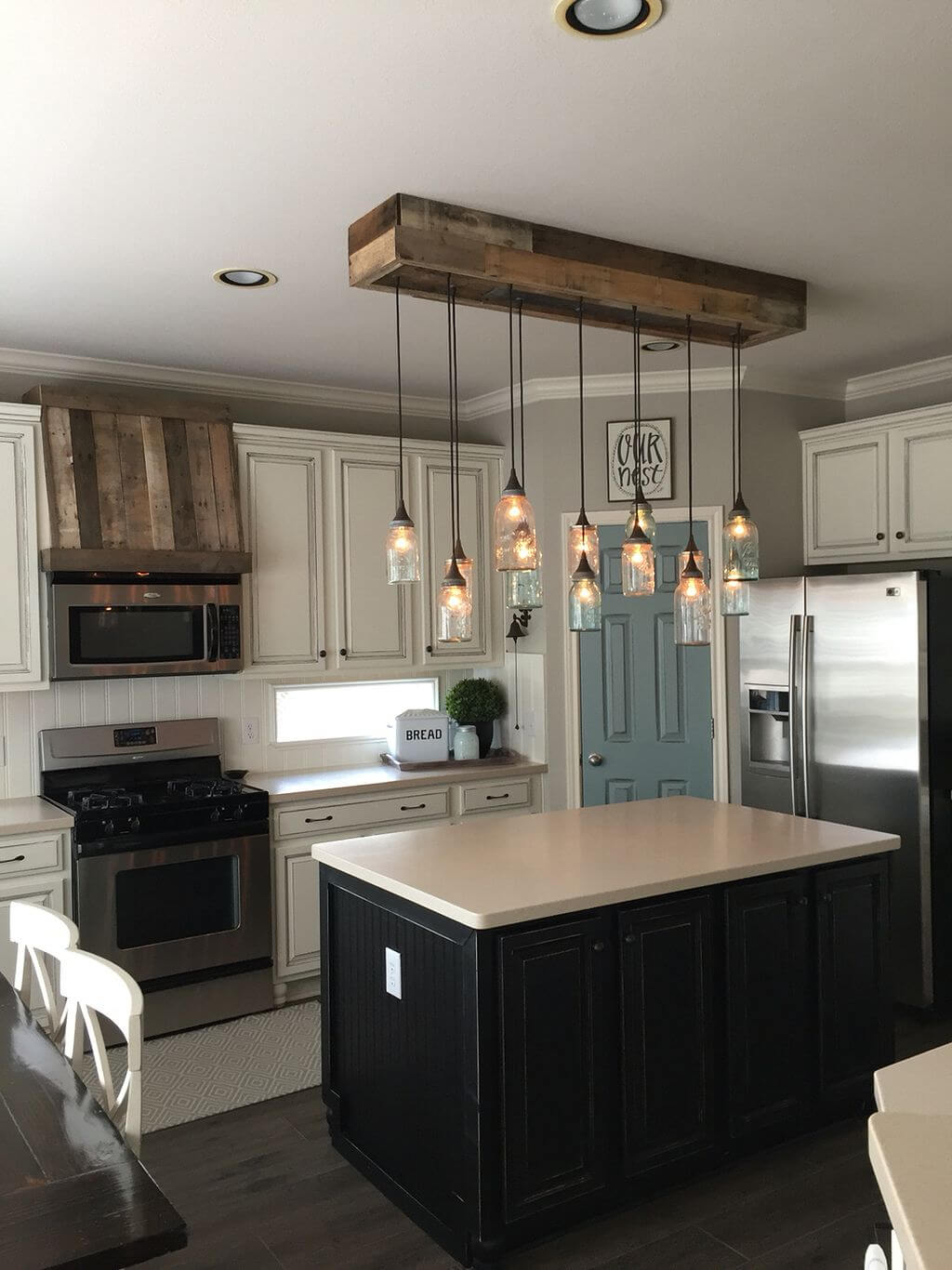
The number of pendants required careful consideration of both aesthetics and function. My 8-foot island looked best with three medium-sized pendants rather than two large ones, creating better light distribution for food preparation while maintaining visual balance. I measured and re-measured, using cardboard cutouts to test different configurations before making my final decision. The spacing between pendants, typically 24-30 inches on center, became critical for avoiding awkward shadows and ensuring even illumination.
Material selection opened up exciting possibilities I hadn’t initially considered. Mason jar pendants felt too literal and trendy, while industrial metal cages provided excellent task lighting but felt too harsh for the warm farmhouse aesthetic I wanted. Glass bell pendants with brass fittings became my perfect compromise, offering clear light output while maintaining authentic farmhouse character. The slightly seeded glass adds texture without significantly reducing light transmission, creating beautiful patterns on my white subway tile backsplash.
Installing Under-Cabinet Lighting for Task and Ambiance
Under-cabinet lighting transformed my kitchen’s functionality in ways I never expected, providing essential task lighting for food preparation while creating a beautiful ambient glow during evening hours. I initially resisted this addition, thinking it might look too modern for my farmhouse aesthetic, but discovered that warm LED strips hidden beneath my upper cabinets actually enhanced the rustic charm by casting a golden glow on my butcher block countertops and highlighting the texture of my natural stone backsplash.
The installation process taught me valuable lessons about planning electrical work during renovation phases. I wished I’d considered under-cabinet lighting earlier in my kitchen remodel, as running wiring through finished walls proved more complex and expensive than incorporating it during the initial electrical rough-in. However, battery-powered LED strips offered an excellent alternative for retrofitting existing kitchens, though I found plug-in options more reliable for daily use.
Color temperature selection became crucial for maintaining the warm, inviting atmosphere that defines farmhouse style. Cool white LEDs felt clinical and harsh, while warm white options at 2700K perfectly complemented my brass hardware and wood finishes. Dimmable controls allowed me to adjust brightness throughout the day, from bright task lighting during meal preparation to soft ambient lighting during family dinners. This flexibility transformed how we use our kitchen during different times of day and for various activities.
Selecting Ceiling Fixtures That Complement Your Space
Choosing the right ceiling fixture for my kitchen’s main lighting proved more challenging than selecting statement pieces like pendant lights, as it needed to provide broad, even illumination while enhancing rather than competing with my farmhouse design. Semi-flush mount fixtures emerged as the perfect solution, offering better light distribution than full flush mounts while working within my 9-foot ceiling height constraints. The key was finding pieces substantial enough to anchor the space without overwhelming the room’s proportions.
Flush-mount fixtures initially seemed too contemporary for my farmhouse vision, but I discovered beautiful options that captured rustic charm while providing excellent general lighting. A weathered wood and metal fixture with frosted glass became my surprise favorite, combining natural materials in a way that felt authentic rather than manufactured. The fixture’s 18-inch diameter provided adequate coverage for my kitchen’s 200 square foot area while complementing my pendant lights without matching them exactly.
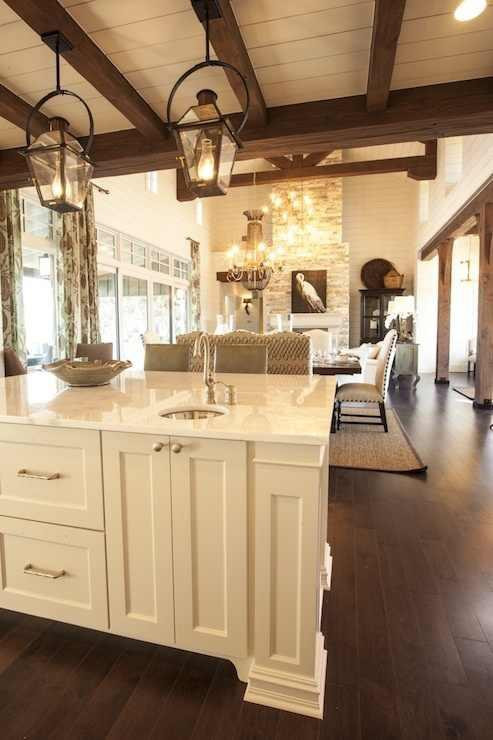
Chandeliers offered the most dramatic option for my kitchen’s main lighting, and I seriously considered several farmhouse-style pieces before ultimately deciding they would compete too strongly with my pendant lights. However, for kitchens with higher ceilings or separate dining areas, I found stunning wooden bead chandeliers and wrought iron pieces that perfectly capture farmhouse elegance. The key was ensuring adequate clearance and choosing pieces that enhanced rather than dominated the overall lighting scheme.
Incorporating Natural Materials and Finishes
Wood elements became essential components in creating authentic farmhouse lighting that felt connected to agricultural roots rather than being manufactured in a factory. I incorporated reclaimed barn wood into several custom fixtures, including a stunning range hood light that my husband built using weathered cedar beams and Edison bulb sockets. The natural variation in wood grain and color created visual interest that mass-produced fixtures couldn’t match, making each piece feel unique and personal.
Metal finishes required careful coordination to maintain visual harmony throughout my kitchen’s lighting scheme. I discovered that mixing too many different metal tones created chaos rather than character, so I established oil-rubbed bronze as my primary finish with brass accents for warmth. This combination worked beautifully with my cabinet hardware and plumbing fixtures, creating a cohesive design that felt intentional rather than haphazard.
Glass selection offered opportunities to add texture and character while maintaining good light transmission for functional illumination. Clear-seeded glass became my standard choice, providing subtle texture that diffused harsh light bulb glare while maintaining the clean, honest aesthetic that defines farmhouse style. Milk glass options offered more diffusion but sometimes felt too opaque for task lighting areas. The key was balancing light quality with authentic material choices that supported the overall design vision.

Planning Lighting Layers for Optimal Function
Creating effective lighting layers revolutionized how my kitchen functions throughout the day, transforming it from a purely utilitarian space into a warm, inviting gathering place for family and friends. I learned that farmhouse kitchens need the same three lighting types as any well-designed space: ambient lighting for general illumination, task lighting for specific activities, and accent lighting to highlight architectural features and create mood.
Ambient lighting from my ceiling fixtures provides the foundation layer that makes the kitchen safe and comfortable for general activities like cleaning and casual conversation. I installed dimmer switches on all ambient fixtures, allowing me to adjust brightness based on time of day and activity level. Evening family dinners call for soft, warm lighting, while morning coffee preparation requires brighter illumination for safety and functionality.
Task lighting from under-cabinet fixtures and pendant lights ensures adequate illumination for food preparation, cooking, and cleanup activities without creating harsh shadows or glare. I positioned these fixtures to eliminate shadows cast by upper cabinets and my own body while working at the countertops. Accent lighting from decorative sconces and cabinet interior lights adds personality and warmth, highlighting my collection of vintage pottery and creating visual interest during evening hours when main lights are dimmed.
How do I choose the right size pendant lights for my kitchen island?
I learned that the pendant diameter should be about one-third the width of your island section. For my 8-foot island, I used three 12-inch pendants spaced 32 inches apart. Height matters too; hang them 30-36 inches above the surface. I tested with cardboard templates first, which saved me from expensive returns.
Can I mix different metal finishes in farmhouse kitchen lighting?
Yes, but stay within the same warm family. I use primarily oil-rubbed bronze with brass accents throughout my kitchen. The key is establishing one dominant finish (about 70%) with a complementary accent finish (30%). Avoid mixing warm and cool metals, which creates visual discord in farmhouse style.

What’s the best way to retrofit under-cabinet lighting in an existing kitchen?
Battery-powered LED strips work well for rentals, but I prefer plug-in versions for reliability. I hid cords behind cabinet frames and used cord covers where needed. Warm white (2700K) LEDs maintain farmhouse ambiance. Professional hardwiring is ideal, but not always necessary for good results.
How much should I budget for farmhouse kitchen lighting?
I spent about $1,200 for my complete lighting makeover, including three island pendants ($300),a ceiling fixture ($200), under-cabinet LEDs ($150), and installation ($300). Quality farmhouse fixtures cost more than basic options but last longer and look authentic. Budget 15-20% of your kitchen renovation for lighting.

Do farmhouse light fixtures provide enough light for cooking tasks?
Absolutely, when properly layered. My pendant lights provide excellent task lighting over the island, under-cabinet LEDs illuminate countertop prep areas, and the ceiling fixture offers general ambient light. The key is having multiple light sources rather than relying on one central fixture. Dimmer switches add flexibility.
How do I maintain the authentic farmhouse look while meeting modern lighting needs?
Focus on natural materials like wood, aged metals, and clear glass rather than trendy finishes that date quickly. Choose fixtures with simple, honest construction that references agricultural or industrial origins. LED bulbs in Edison or vintage styles provide efficiency without sacrificing aesthetics. Quality beats novelty every time.

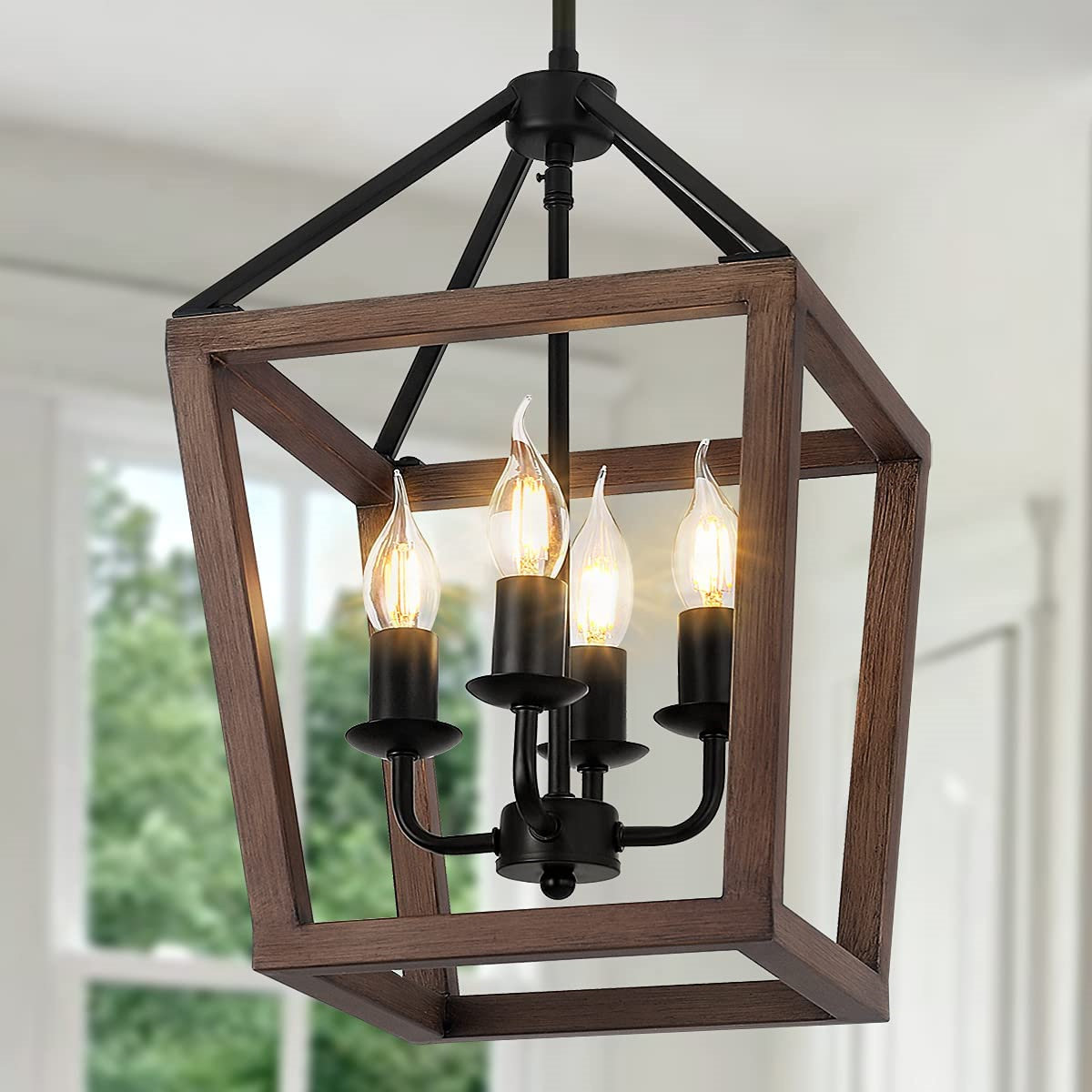
Farmhouse Chandelier 4-Light Rustic Kitchen Island Light Lantern Pendant Light Fixtures Farmhouse Lighting Fixtures Wood Metal For Dining Room Hallway
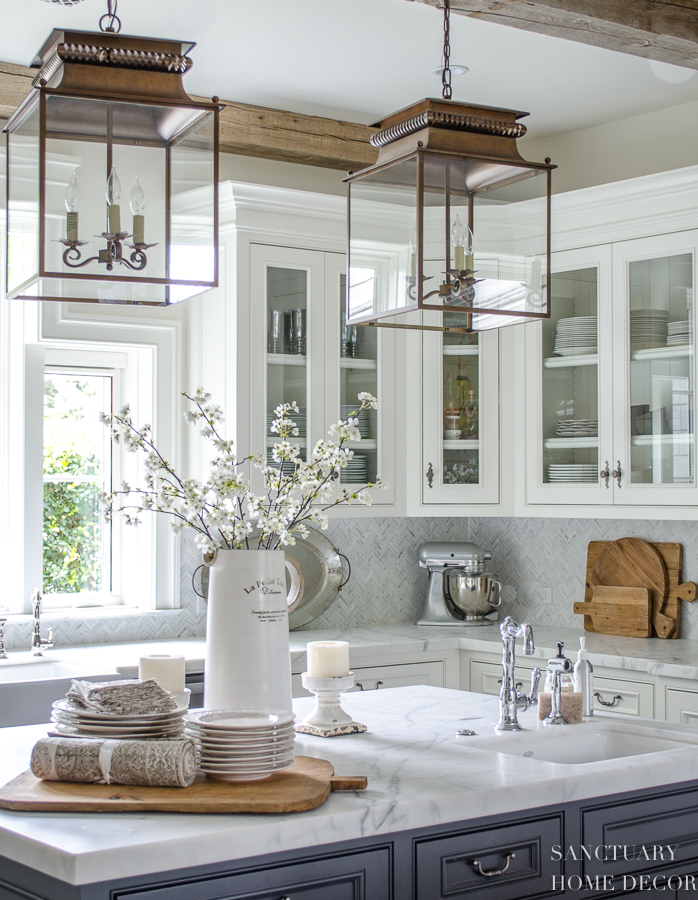
Classic Farmhouse Light Fixtures – Sanctuary Home Decor
Creative Kitchen Lighting Ideas to Transform the Heart of Your Home

Farmhouse Lighting Ideas For Warm And Homely Decor
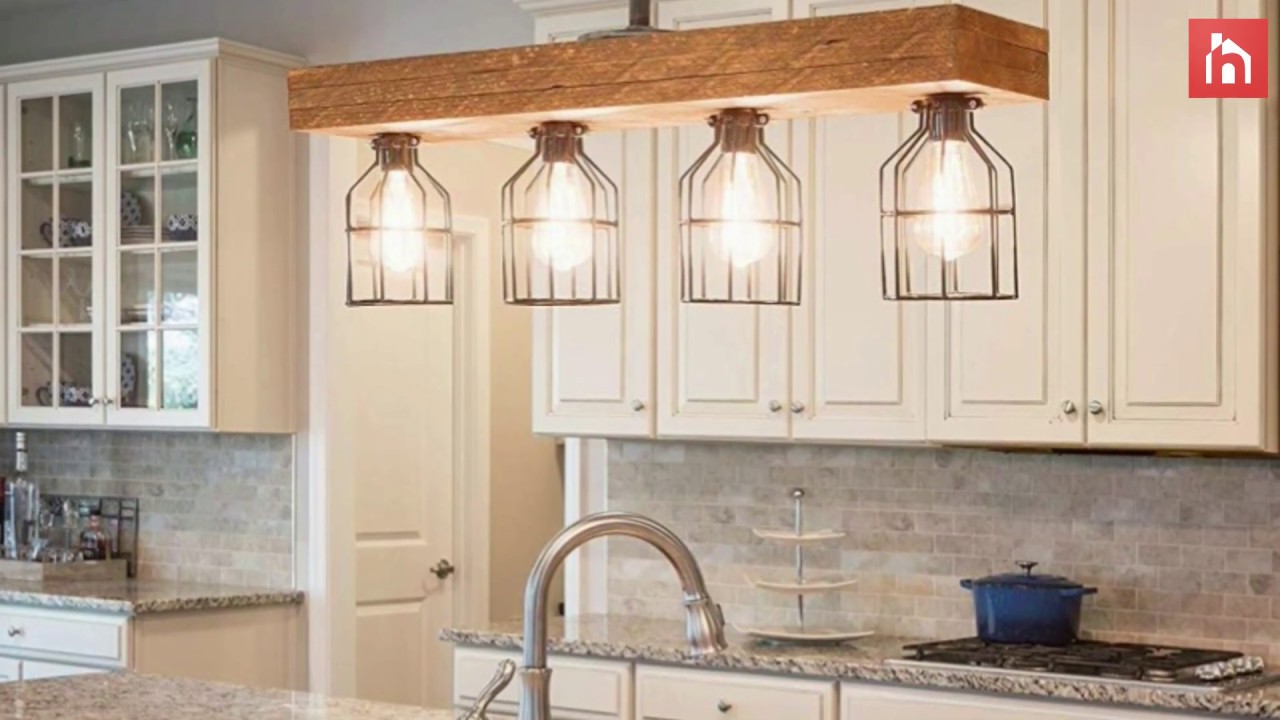
Farmhouse Lighting Ideas For Kitchen
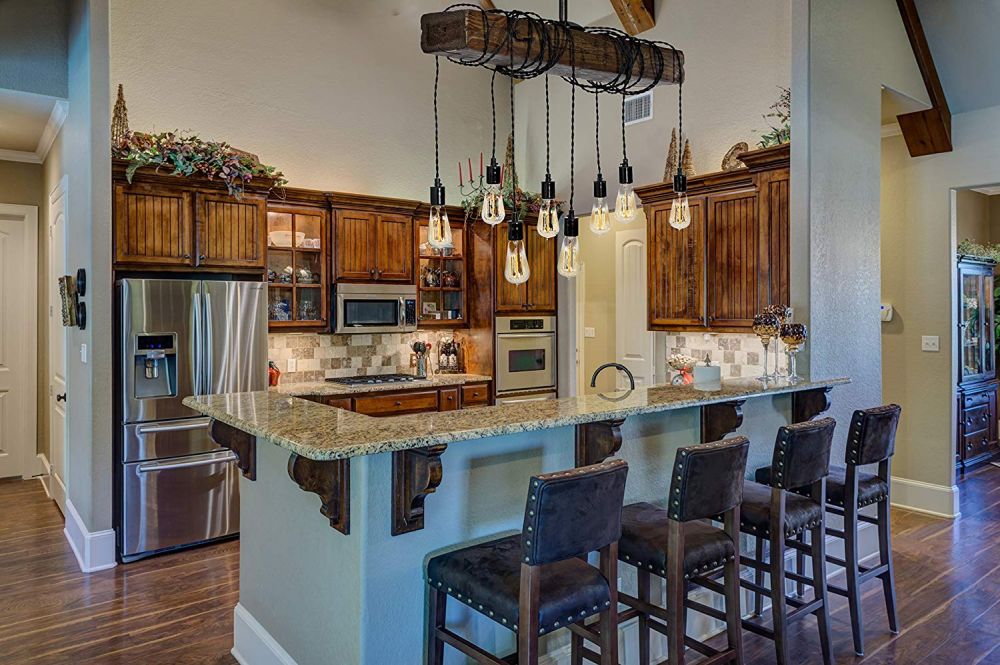
Farmhouse Lights – Amazing Styles to Choose From!
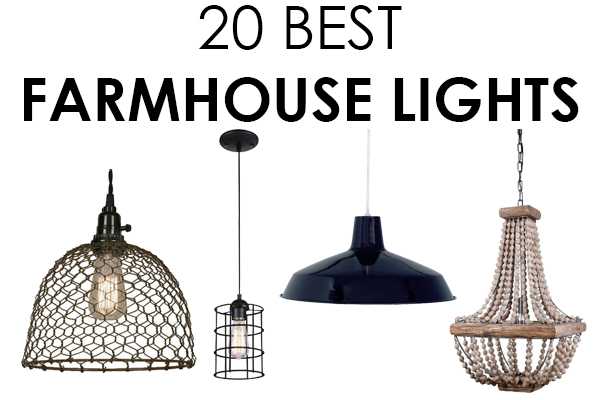
Best Farmhouse Lighting Ideas and Designs
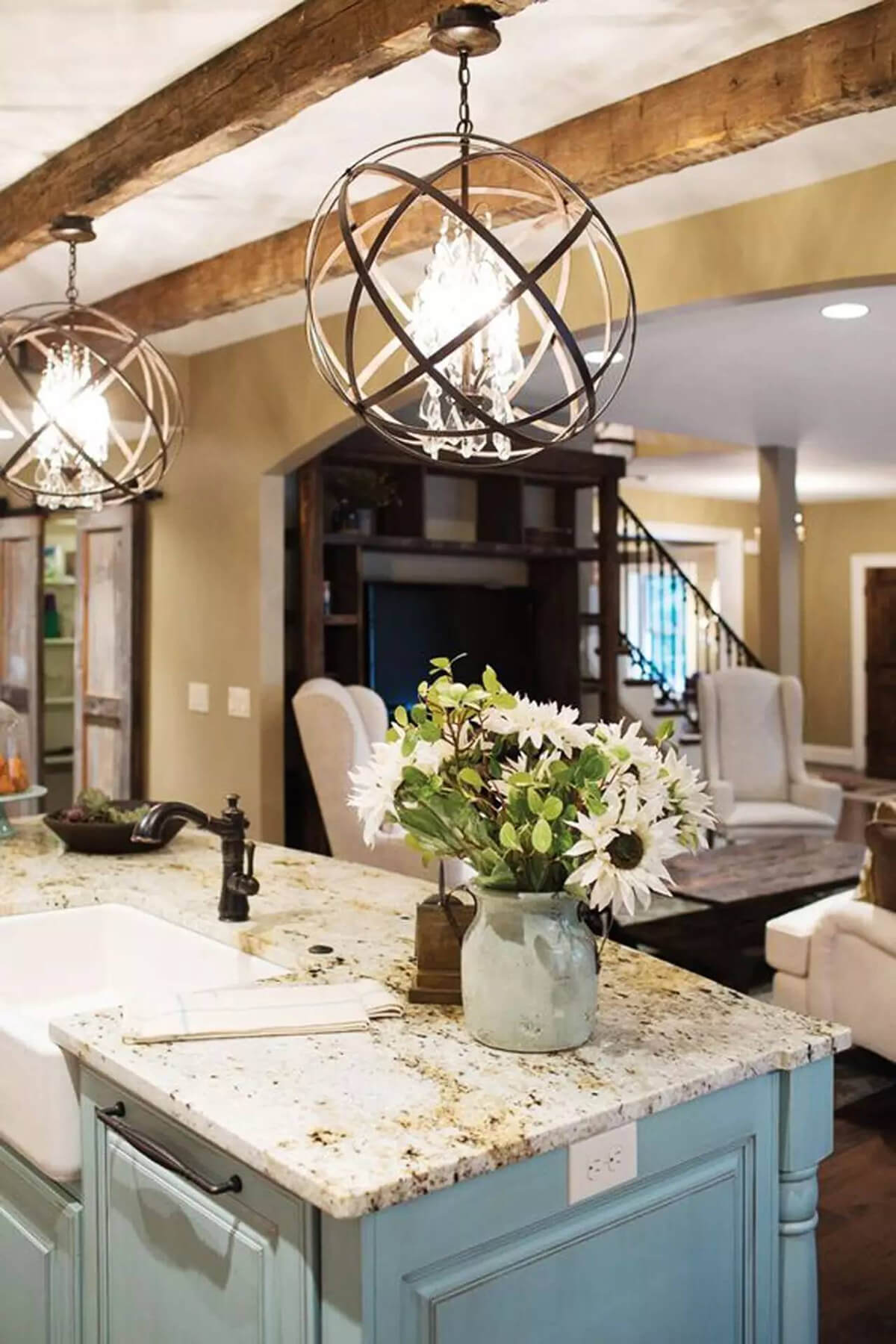
Farmhouse Kitchen Lighting Ideas

Related Posts:
- Tuscan Kitchen Light Fixtures
- Cottage Kitchen Lighting Ideas
- Country Kitchen Lighting Ideas
- Retro Kitchen Pendant Lights
- Rustic Industrial Kitchen Lighting
- Vintage Kitchen Light Fixtures
- Farmhouse Style Lighting For Kitchen
- Contemporary Kitchen Lighting Design
- Kitchen Bench Pendant Lights
- Kitchen Vanity Lights