When I decided to replace my rectangular kitchen table last year, I never imagined how much a simple furniture change could transform not just my dining space but also how my family interacts. I’d fallen in love with the French country aesthetic during a trip to Provence, and a round table seemed to capture that intimate, welcoming spirit perfectly. After months of searching, refinishing, and finally arranging my new French country round table, I discovered it had become the heart of our home in ways our old table never did. Every meal feels more connected, conversations flow naturally without anyone stuck at the “ends,” and the timeworn beauty of the distressed wood brings a sense of warmth and history that makes even Tuesday night dinner feel special.
Understanding Authentic French Country Style
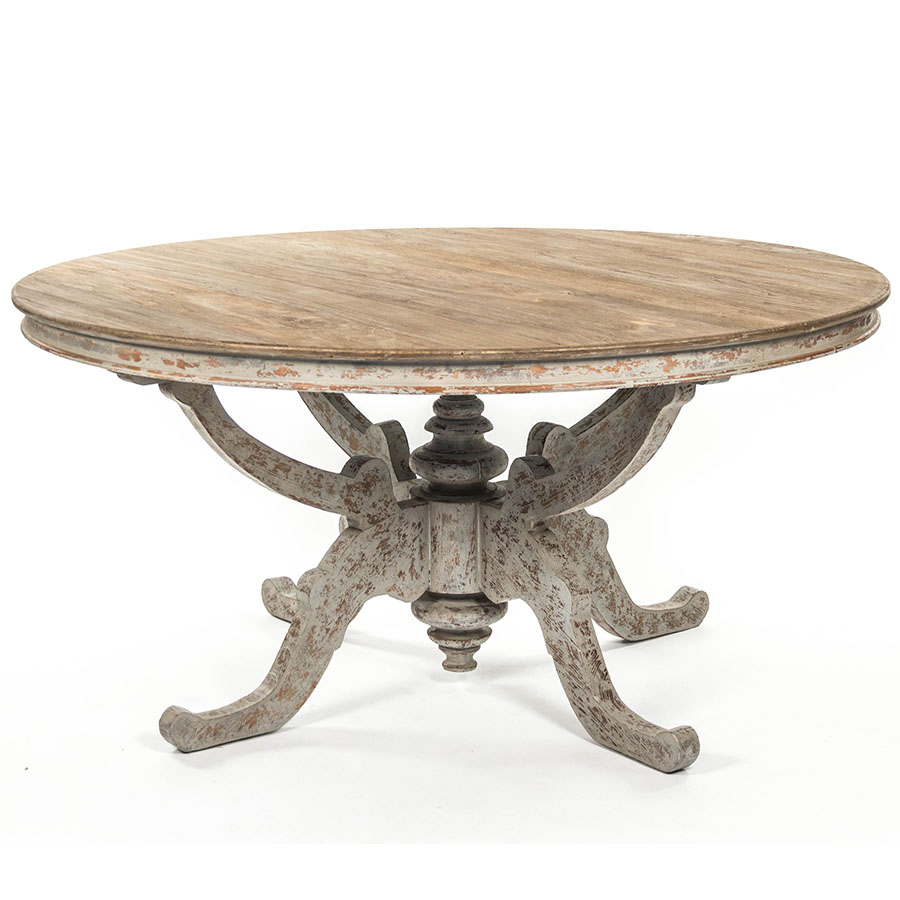
When I started researching French country tables, I quickly learned there’s a specific aesthetic that sets them apart from other farmhouse or rustic styles. The look combines elegant simplicity with lived-in comfort, featuring natural materials, soft curves, and a sense of age. I was drawn to tables with turned legs that have graceful curves rather than straight, chunky farmhouse legs. The finish is typically distressed or naturally weathered, never too perfect or glossy.
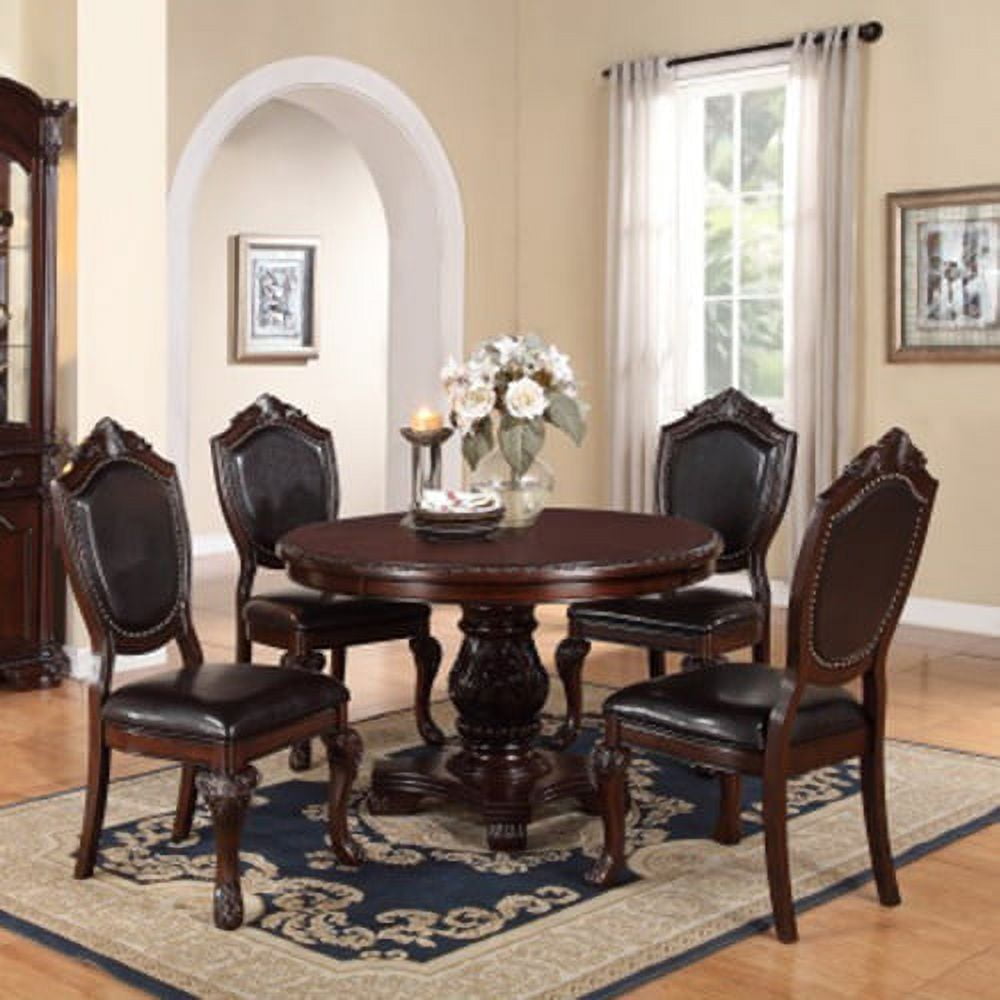
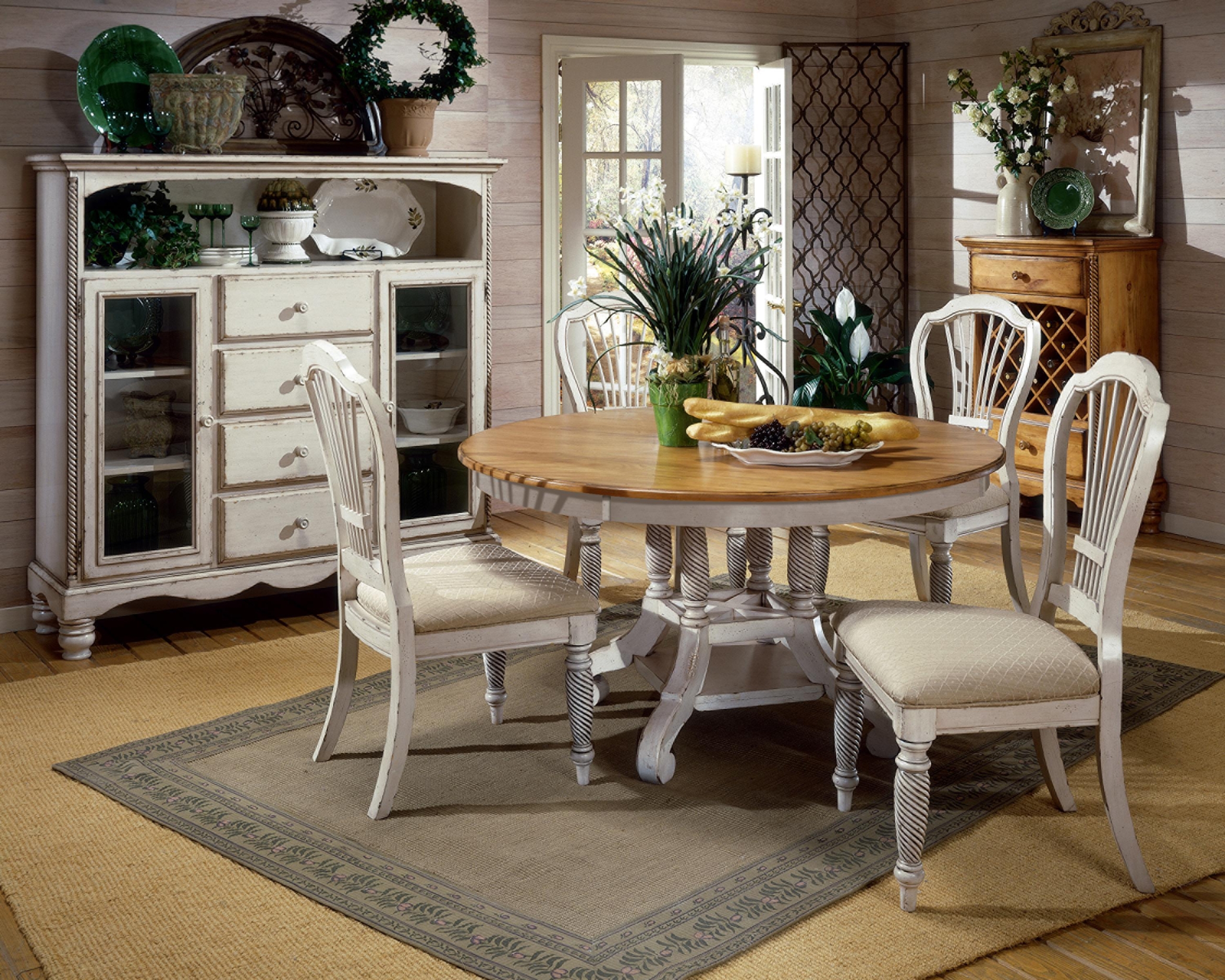
The color palette was crucial to getting the look right. Traditional French country tables feature natural wood tones, from warm honey oak to bleached driftwood gray, often with painted bases in soft whites, creams, or muted sage greens. I chose a table with a natural oak top that shows beautiful grain patterns and a base painted in an aged ivory. The contrast between the warm wood and cool painted base creates visual interest while maintaining that relaxed, unpretentious feeling.
What really defines French country style for me is the balance between refinement and rusticity. These tables aren’t rough-hewn barn wood pieces, but they’re not formal dining furniture either. They have graceful proportions and thoughtful details like carved aprons or decorative stretchers between the legs, yet the distressed finish and natural materials keep them approachable. This balance makes the style perfect for everyday family meals while still being beautiful enough for hosting dinner parties with friends.
Choosing the Right Size for Your Space
Figuring out the correct size for my round table was more complicated than I expected. I measured my kitchen dining area carefully and learned that you need at least 36 inches of clearance around the table for chairs to pull out comfortably and people to walk past. My space is about 10 by 12 feet, which meant I could accommodate up to a 54-inch diameter table, though I ultimately chose a 48-inch model for better flow.
The seating capacity was another major consideration. Round tables seat fewer people than rectangular ones of similar square footage, something I hadn’t fully appreciated initially. My 48-inch table comfortably seats four people for everyday meals and can squeeze in six for holiday dinners, though it gets cozy. I saw gorgeous 60-inch round tables that seat eight, but they require significantly more space and felt overwhelming in my kitchen.
I also thought about the table height and leg configuration. Standard dining height is 30 inches, which I stuck with, but I made sure to check the apron clearance for comfortable knee room. The pedestal base I chose, rather than four corner legs, was essential for a round table because it allows flexible seating without legs blocking chair placement. This became especially important when we have extra guests and need to fit in an additional chair or two without anyone straddling a table leg.
Finding or Creating Your Perfect Table
My search for the ideal French country round table took me down several paths before I found the right piece. I started with antique shops and estate sales, hoping to find an authentic French provincial table. I did see some stunning pieces, but they were either outside my budget at $2,000-plus or needed more restoration than I felt comfortable tackling. The hunt was fun, though, and I learned a lot about identifying quality construction and authentic period details.
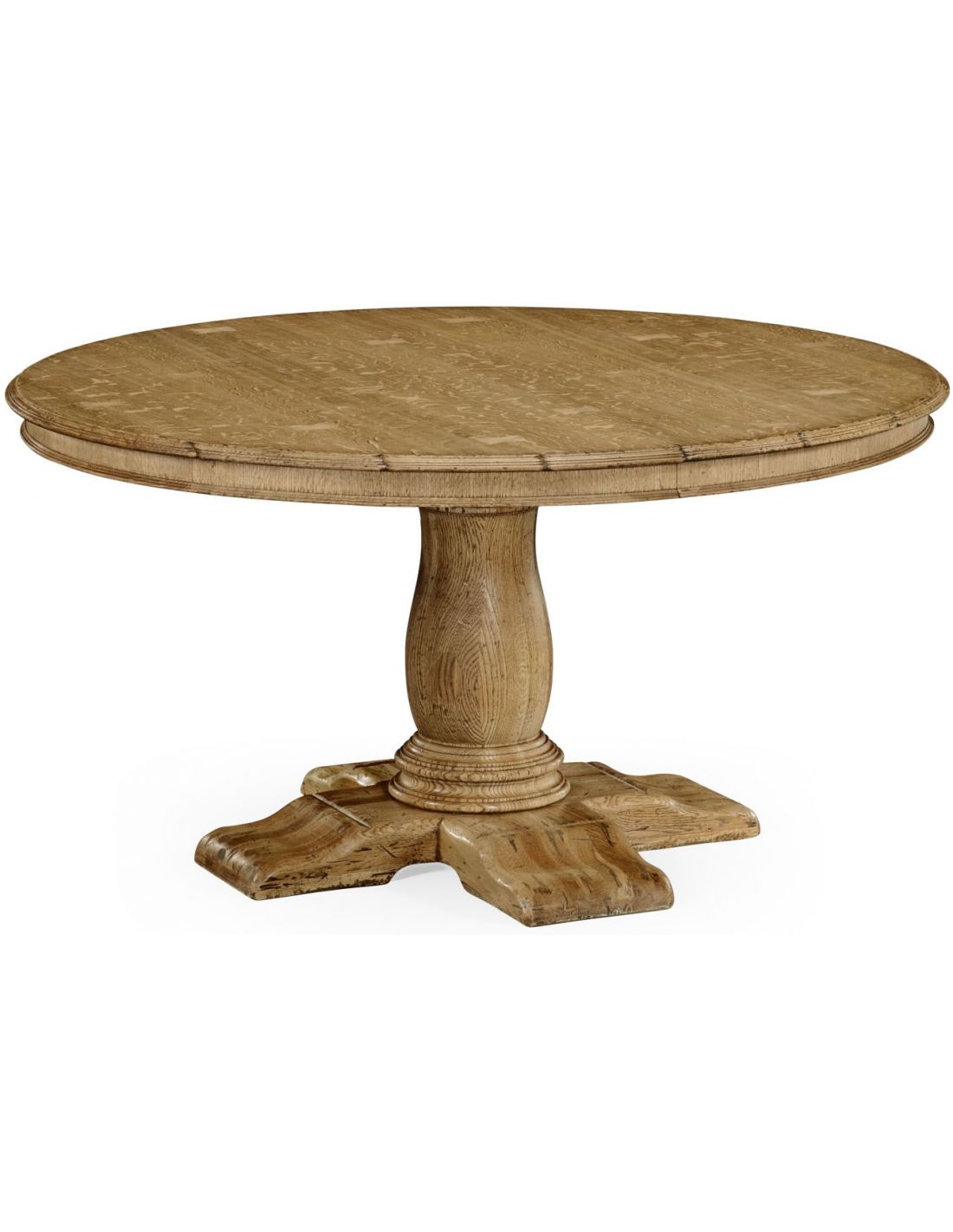
I eventually discovered a solid oak pedestal table at a consignment shop for $400 that had good bones but a terrible 1980s honey oak finish. I knew immediately this was my table; I could see its potential underneath the dated stain. I spent three weekends stripping, sanding, and refinishing it myself. I kept the natural oak top but painted the pedestal base in Annie Sloan’s Old White chalk paint, then distressed it by hand with sandpaper to reveal wood underneath in high-wear areas.
For those less inclined toward DIY refinishing, I found several furniture makers who specialize in French country reproductions. These new tables, built in traditional styles, typically cost $800-1,500 depending on size and customization. Some retailers like Pottery Barn and Restoration Hardware offer French-inspired round tables, though they’re pricier and sometimes lack the authentic character. Facebook Marketplace and Craigslist were goldmines for finding solid wood tables with potential; you just need patience andthe willingness to see beyond ugly finishes.

Selecting Complementary Chairs
Choosing chairs for my round table proved almost as challenging as finding the table itself. I wanted a collected, slightly mismatched look that feels authentically French rather than a perfectly coordinated set. I ended up with four ladder-back chairs in painted finishes, two in soft white and two in pale blue-gray. The slight variation creates visual interest while the similar style ties everything together.
The chair style matters tremendously with the French country aesthetic. I looked for chairs with curved backs, turned legs, and either rush seats or upholstered cushions in natural fabrics like linen or ticking stripe. Avoid anything too modern or streamlined; French country chairs should have some traditional detailing. I found mine at different times and places, two from an antique mall, one from a yard sale, and one I refinished from my grandmother’s attic.
Comfort was non-negotiable for me since we use this table daily. I made sure each chair had proper back support and seat depth. I added custom cushions in a cream linen with a subtle blue ticking stripe that I made myself using fabric from an online retailer. The cushions tie to the chair backs with simple ribbon, a detail that’s both practical and charming. Mixing chair styles works beautifully for French country, but I recommend keeping seat heights consistent so everyone sits at the same level.

Styling Your Table for Everyday Beauty
I’ve learned that styling a French country round table is about creating layers while maintaining simplicity. My everyday centerpiece is a vintage French dough bowl filled with fresh lemons or seasonal fruit. The round shape of both the table and bowl creates pleasing visual harmony. I rotate what’s in the bowl based on the season: pomegranates in fall, clementines in winter, and fresh herbs in summer.
I keep a simple linen table runner across the diameter of the table rather than a full tablecloth for daily use. This protects the center where we place serving dishes while showing off the beautiful wood. I chose a natural oatmeal linen with a subtle stripe that doesn’t compete with the table’s character. For dinner parties, I layer a full tablecloth underneath in white or cream, creating depth and formality while maintaining the relaxed country feeling.
The small details make a difference in achieving authentic French country style. I use mismatched vintage flatware I’ve collected from estate sales, simple white ironstone dishes, and linen napkins in soft neutrals or muted florals. Fresh flowers in simple glass bottles or ceramic pitchers add life without fussiness. I avoid overly coordinated or themed decorations; the beauty comes from the thoughtful mix of natural materials, vintage finds, and fresh elements that feel collected over time rather than purchased all at once.

Maintaining and Protecting Your Investment
Caring for my refinished French country table has been easier than I worried it would be. I wipe it down after each meal with a slightly damp cloth and dry it immediately to prevent water rings. For deeper cleaning, I use a wood soap diluted in water about once a month, which cleans without stripping the finish. The distressed look actually works in my favor because small scratches and wear marks just add to the character rather than looking like damage.
I do use placemats or chargers under plates to protect the tabletop from heat and scratches during meals. I found beautiful woven jute placemats that complement the French country aesthetic while providing practical protection. For hot serving dishes, I always use trivets, even though my finish is fairly durable. These simple habits have kept my table looking great after a year of daily family dinners, kids’ homework sessions, and weekend projects.
The painted base required different care than the wood top. I applied a clear wax over the chalk paint after distressing it, which protects the finish and gives it a subtle sheen. Every few months, I reapply wax to high-touch areas like the pedestal and stretchers where hands naturally grab. If any chips or dings appear in the paint, I actually appreciate them as adding to the aged, authentic look. That’s the beauty of French country style, it’s meant to show life and use rather than maintain showroom perfection.

What’s the ideal diameter for a French country round table in an average kitchen?
Based on my experience, 42-48 inches works perfectly for most kitchens. My 48-inch table seats four comfortably with room for serving dishes in the center, and we can squeeze six people for holidays. Measure your space carefully and allow 36 inches of clearance on all sides for chair movement. Anything larger than 54 inches really needs a dedicated dining room rather than a kitchen eating area.
Can I mix different wood tones in a French country dining setup?
Absolutely! I actually think mixing wood tones looks more authentic than matching everything perfectly. My oak table top pairs beautifully with the walnut hutch in my dining area. The key is balancing warm and cool tones throughout the space. I keep the painted elements, like my table base and chair frames, in coordinating neutral colors to tie the different woods together visually.

How do I achieve an authentically distressed finish without damaging the table?
I distressed my table using 120-grit sandpaper on edges and areas that would naturally wear over time, like around the base where feet might scuff. Focus on high points and edges rather than randomly sanding everywhere. Use a sanding block for control and go gradually; you can always add more distressing, but you can’t undo it. Finish with wax or poly to seal and protect your work.
Are round tables practical for families with young children?
I have two kids under ten, and the round table actually works better than our old rectangular one. There are no sharp corners for them to bump into, and the pedestal base means more legroom and flexibility for high chairs or booster seats. The distressed finish hides inevitable scratches and spills better than a pristine table would. It’s proven to be surprisingly family-friendly and durable.

What’s the best way to refinish an old table in French country style?
I stripped my table using a gel stripper, sanded it smooth, starting with 80-grit and finishing with 220-grit paper, then stained the top with a natural oil-based stain. For the base, I used chalk paint, which doesn’t require priming and dries quickly. After painting, I distressed by hand and sealed with clear wax. The whole process took three weekends, but saved me over $1,000 compared to buying new.
How do I prevent my round table from feeling too formal or stuffy?
Keep your styling casual and lived-in. I use everyday objects like fruit bowls, fresh herbs, and simple flowers rather than formal centerpieces. Mix vintage and new elements, use linen instead of fancy tablecloths, and don’t worry about perfect symmetry. The beauty of French country style is that relaxed, unpretentious feeling. Let the table show signs of use and life, that’s what makes it welcoming rather than precious.

French Country Round Dining Table from Dansk Circular dining

French Country Dining Table
French Country Round Dining Table
French Country oak dining table
Realyn Extendable Dining Table Ashley
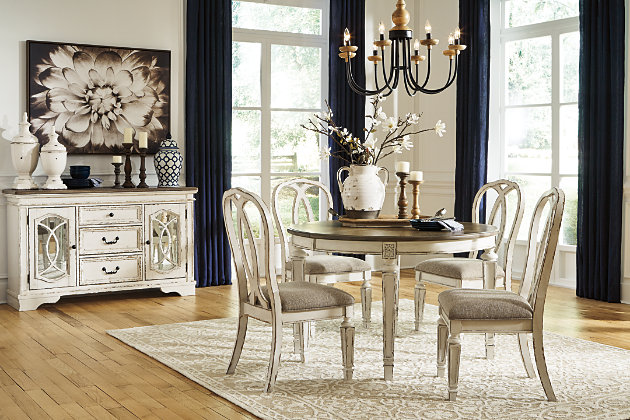
French Country Dining Table – VisualHunt
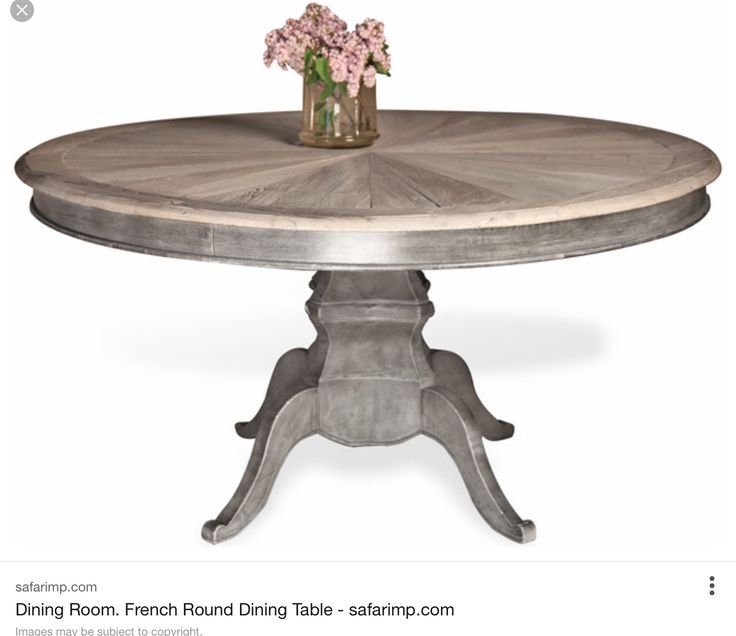
French Country Gray Round Dining Table

Related Posts: