When I first inherited my grandmother’s Victorian kitchen table, I had no idea what a treasure I’d been given. That heavy oak piece with its ornate legs and worn surface told stories of countless family meals, and I knew I wanted to honor its history while making it work in my modern kitchen. Over the years, I’ve learned so much about these magnificent pieces, from restoration to daily care, and I’m excited to share what I’ve discovered with you.
Understanding the Charm of Victorian Kitchen Tables
The moment I started researching my table, I realized that Victorian kitchen tables aren’t just furniture, they’re pieces of history. These tables were typically crafted between 1837 and 1901 during Queen Victoria’s reign, and they reflect the era’s love for solid craftsmanship and decorative details. Mine has those characteristic turned legs and a thick plank top that’s survived over a century of use.
What struck me most was learning how these tables served as the heart of Victorian households. Unlike the formal dining tables reserved for special occasions, kitchen tables were where families actually lived. I found scratch marks from generations of meal prep, slight indentations where hot pots once sat, and even some old ink stains that I’ve chosen to preserve as part of its character.
When I examined mine closely, I noticed the joinery techniques that make these tables so durable. The mortise and tenon joints were hand-cut, and the wood (often oak, pine, or elm) was chosen for its ability to withstand daily wear. Understanding this construction helped me appreciate why my table has outlasted so many modern pieces, and it gave me confidence that with proper care, it would last for generations more.
Restoring Your Victorian Kitchen Table’s Original Beauty
I’ll be honest, when I first decided to restore my table, I was terrified of ruining it. The finish was damaged in places, there were water rings, and years of grime had settled into the grain. I started by doing extensive research and even consulted with a furniture restorer who specialized in antiques, which was the best decision I made.
My restoration process began gently. I used a mild soap solution and soft cloths to remove decades of built-up dirt, working slowly to avoid damaging the wood. I discovered that patience is essential; you can’t rush this process. For the stubborn spots, I mixed equal parts vinegar and olive oil, which lifted grime without stripping the patina that gives Victorian pieces their character.
The most challenging part was deciding how much to restore versus preserve. Some people strip their tables completely, but I chose to maintain the worn areas that told my family’s story. I sanded only where necessary, used wood filler that matched the original oak color for small cracks, and applied multiple thin coats of tung oil to protect the surface while letting the natural beauty shine through. The transformation was incredible, and every time I look at it now, I feel connected to both its past and its future.
Choosing the Perfect Spot for Your Victorian Table
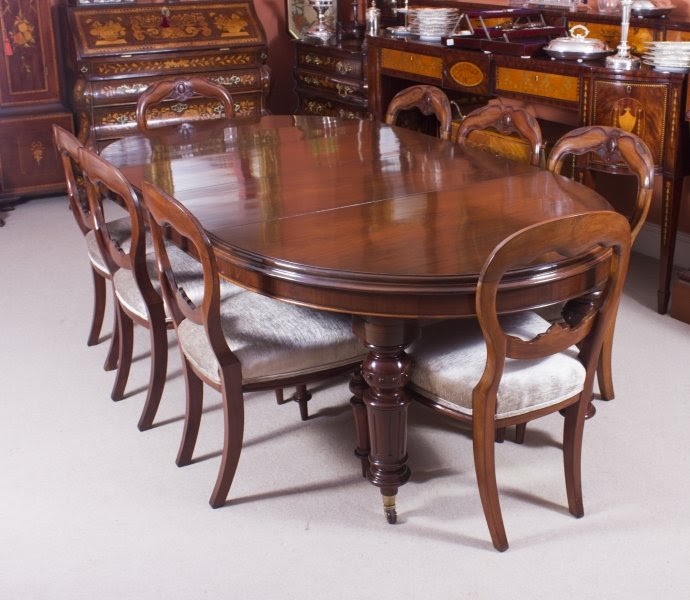
Placement made such a difference in how I experienced my Victorian kitchen table daily. Initially, I put it in the center of my kitchen, but I quickly realized that these tables need space to breathe. Their ornate legs and substantial presence require thoughtful positioning, and I learned this through trial and error as I rearranged my kitchen multiple times.
I eventually settled on placing mine near a window where natural light could highlight the wood’s grain and color variations. Victorian tables look stunning when sunlight plays across their surfaces, bringing out the warmth of the wood. However, I had to be careful about direct sunlight, which can fade and dry out the wood over time, so I installed sheer curtains to filter the light during peak hours.
The practical considerations mattered too. I needed enough clearance around the table for chairs to pull out comfortably, which meant measuring carefully and sometimes sacrificing other kitchen elements. I also considered the floor beneath it, placing felt pads under the legs to protect my flooring and make it easier to move when needed. Now, my table sits in a spot where it’s both functional for daily meals and positioned to be admired as the showpiece it truly is.

Caring for Your Table Through Daily Use
Living with a Victorian kitchen table taught me that these pieces need regular attention but not excessive fussing. I developed a daily routine that takes just minutes but keeps my table in beautiful condition. After each meal, I wipe it down with a slightly damp cloth, always following the grain, and immediately dry it completely to prevent water damage.
For weekly maintenance, I use a dedicated wood cleaner that’s specifically formulated for antique furniture. I learned the hard way that modern all-purpose cleaners can be too harsh and strip away the protective finish I worked so hard to apply. Once a month, I apply a thin layer of beeswax polish, buffing it to a soft sheen that protects the wood while enhancing its natural luster.
The biggest lesson I’ve learned is about prevention. I always use placemats and coasters, even though my table’s surface is well-protected. Hot dishes go on trivets, never directly on the wood. When my kids do homework at the table, I put down a protective mat to guard against pen marks and scratches. These simple habits have kept my table looking beautiful despite daily use, and they’ve become second nature to my whole family.

Styling Your Victorian Table for Modern Living
Blending Victorian charm with contemporary style was my biggest creative challenge. I wanted to honor the table’s historical character while making sure my kitchen didn’t feel like a museum. The key, I discovered, was in balancing old and new elements rather than trying to recreate a completely period-accurate setting.
I started with table linens that bridge both eras. A simple linen runner in a neutral color lets the table’s beauty show through while protecting the surface during meals. For special occasions, I bring out vintage-inspired tablecloths, but for everyday use, I often leave the wood bare, appreciating its natural character. The mix of modern white dishes on that aged oak creates a beautiful contrast that feels both fresh and timeless.
Centerpieces became my favorite way to personalize the space. I rotate between a simple vase with fresh flowers, a wooden bowl filled with seasonal fruit, and minimalist candle holders. The trick is not to overcrowd the table; Victorian pieces have enough visual interest on their own. I’ve found that less is truly more, letting the table’s craftsmanship be the star while adding just enough contemporary touches to make it feel current and livable.

Finding and Purchasing Your Own Victorian Kitchen Table
My experience hunting for additional Victorian pieces for friends and family taught me so much about the marketplace. These tables are out there, but knowing where to look and what to look for makes all the difference. I’ve found gems at estate sales, antique shops, online marketplaces, and even salvage yards, each source offering different advantages and price points.
When I help someone shop for a Victorian kitchen table, I always tell them to examine the construction carefully. Look underneath the table to see the joinery, check for wobbling or instability, and inspect the wood for serious damage like deep cracks or rot. Surface wear is expected and often adds character, but structural issues can be expensive to repair. I’ve learned to test tables by pressing down firmly on different areas and listening for concerning creaks.
Pricing varies wildly depending on condition, wood type, size, and regional availability. I’ve seen similar tables range from a few hundred dollars for pieces needing significant restoration to several thousand for pristine examples. My advice is to set a realistic budget that includes potential restoration costs. Don’t be afraid to negotiate, especially if you spot issues the seller hasn’t mentioned. The best purchase I ever made was a table that needed work but had incredible bones. I paid less upfront and invested in proper restoration, ending up with a stunning piece for less than a pristine one would have cost.

How do I know if my Victorian kitchen table is authentic?
Authentic Victorian tables typically feature hand-cut joinery, solid wood construction (not veneer), and signs of age like patina and wear patterns. Check underneath for tool marks, look for irregular spacing in details (machine-made pieces are perfectly uniform), and examine the wood grain throughout. If possible, consult with an antique furniture expert who can verify age and origin through construction techniques and wood analysis.
Can I use my Victorian kitchen table for everyday meals with kids?
Absolutely! I use mine daily with two active children. The key is proper protection and realistic expectations. Use placemats, coasters, and trivets religiously. Apply a durable finish like polyurethane or tung oil for protection. Accept that new wear will add to its story. These tables were built for family life and are incredibly durable. With basic precautions, yours will handle daily use beautifully.
What’s the best way to remove water rings from my Victorian table?
I’ve successfully removed water rings using several methods. My go-to is rubbing the ring gently with a paste of baking soda and water using a soft cloth. For stubborn rings, try applying mayonnaise or petroleum jelly, letting it sit overnight, then buffing away. Some people swear by using an iron on low heat over a cloth. Test any method in an inconspicuous spot first.
Should I refinish my Victorian table or preserve its original finish?
This depends on your table’s condition and your preferences. I chose to preserve my table’s original finish, cleaning and repairing rather than stripping completely. Collectors often value original finishes, even if imperfect. However, if your table’s finish is severely damaged or you prefer a fresh look, refinishing is fine. Just use period-appropriate techniques and finishes to maintain its character and value.

How much weight can a Victorian kitchen table safely hold?
Most Victorian kitchen tables are remarkably sturdy and can easily support normal dining use. Mine comfortably handles large family meals, serving dishes, and even my kids occasionally sitting on it (though I discourage this!). The solid wood construction and traditional joinery make these tables incredibly strong. However, avoid concentrated weight on unsupported areas or edges, and have any loose joints repaired promptly.
What type of chairs work best with a Victorian kitchen table?
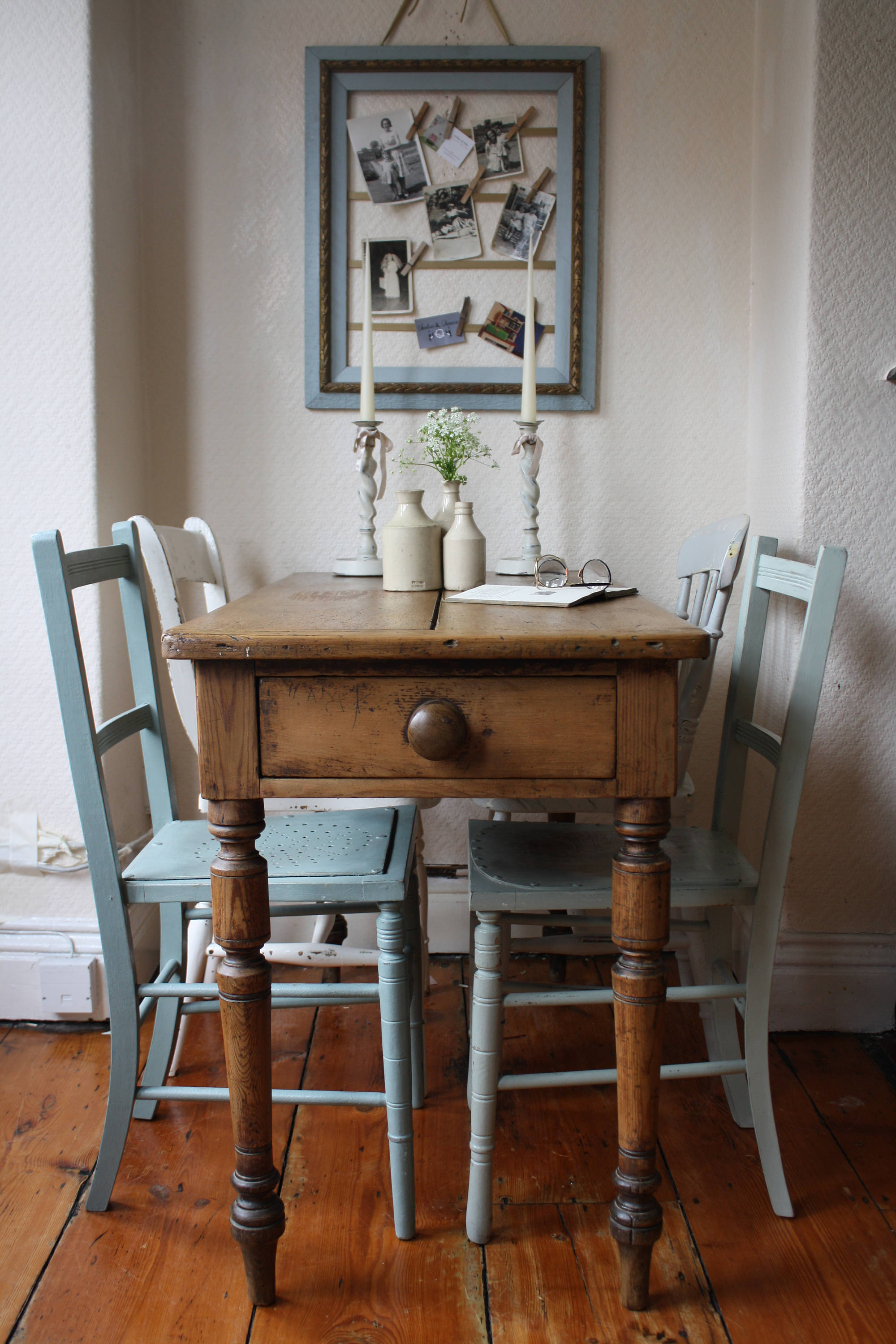
I mix and match! Victorian chairs create an authentic look, but I’ve successfully paired mine with modern Windsor-style chairs, mid-century designs, and even contemporary metal chairs. The key is considering height, scale, and overall aesthetic balance. Measure your table’s height (typically 28-30 inches) and choose chairs that allow comfortable seating. Don’t feel obligated to match perfectly; eclectic combinations often look fantastic.
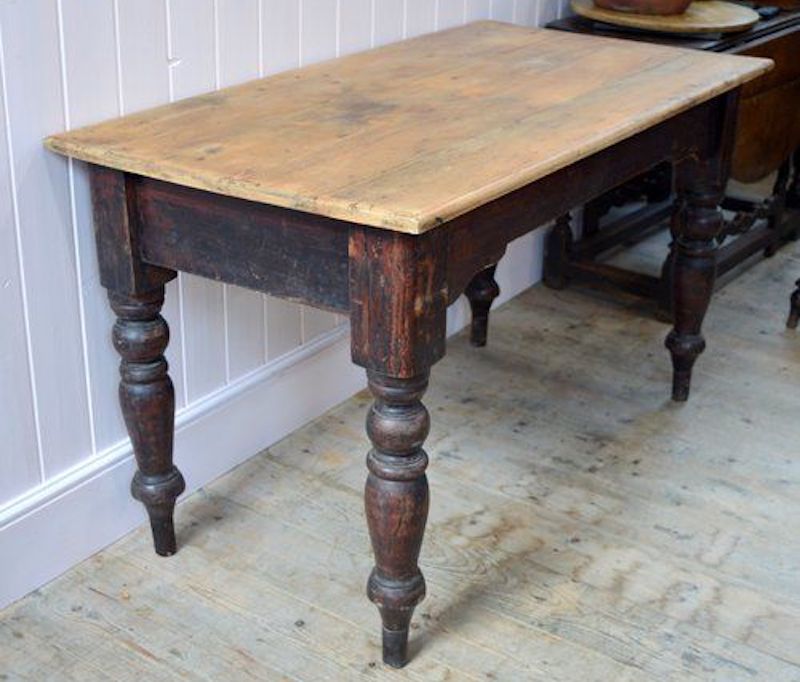
Victorian Drop Leaf Kitchen Table

Antique Victorian Farmhouse Kitchen Table
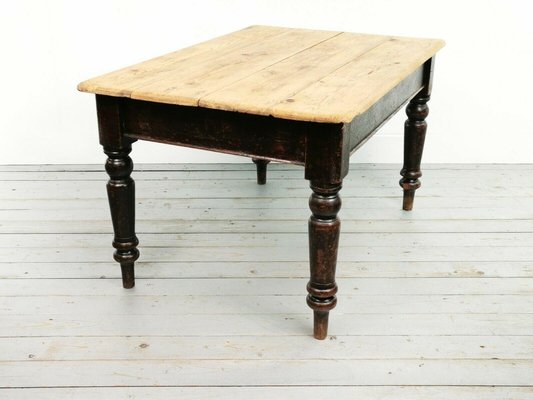
Superb Large Victorian Scrub Top Table

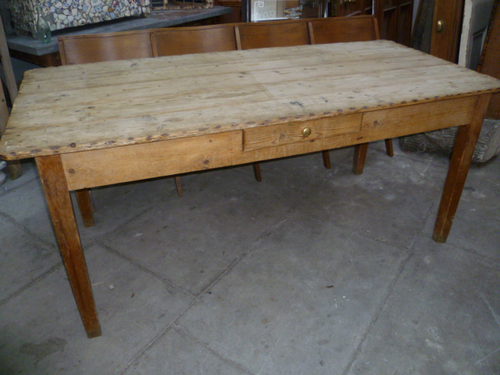
Victorian Farmhouse Table with Single Drawer
Related Posts: