When I moved into my first home with an actual dining space, I knew immediately that I wanted a retro round kitchen table as the centerpiece. I’d grown up eating family dinners at my grandmother’s vintage Formica table, and those memories of warmth and togetherness made me crave that same nostalgic feeling in my own home. After months of hunting through estate sales, vintage shops, and online marketplaces, I finally found the perfect table, and it’s been the heart of my kitchen for three years now. The journey taught me everything about identifying quality vintage tables, restoration techniques, and how to style them for modern living. Let me share what I learned so you can find your own perfect retro round table.
Identifying Authentic Mid-Century Table Styles
My search began with understanding what made a table genuinely retro versus just round and old. I studied design guides and visited antique malls, learning to recognize the distinct characteristics of 1950s through 1970s kitchen tables. The classic dinette sets from the 1950s featured chrome legs with a single pedestal base or four legs that splayed outward at angles. Table tops came in colorful Formica laminate with coordinating vinyl-upholstered chairs, often with piped edges and chrome accents.
I discovered that each decade had signature features that help with dating and authentication. Tables from the 1950s often incorporated boomerang patterns, atomic starbursts, or confetti designs in their Formica surfaces. The 1960s brought bolder solid colors like turquoise, yellow, and coral, along with wood-grain Formica that mimicked teak or walnut. By the 1970s, earth tones dominated, with avocado green, harvest gold, and burnt orange becoming standard colors. I learned to look at leg construction, edge treatment, and surface patterns to determine a table’s era.
One breakthrough came when I found a manufacturer’s label still attached underneath a table at an estate sale. Companies like Chromcraft, Daystrom, Virtue Brothers, and Shelby Williams produced thousands of these dinette sets, and their labels add authenticity and value. I started checking under every table I considered, learning that original hardware, intact labels, and period-correct chairs significantly increased both authenticity and collectibility. This knowledge helped me distinguish between true vintage pieces and modern reproductions, trying to capture that retro aesthetic.
Evaluating Table Condition and Restoration Needs
Once I could identify authentic retro tables, I needed to assess their condition realistically. My first purchase was a disaster because I fell in love with the color and didn’t inspect it carefully. The Formica had deep scratches, the chrome legs were severely pitted with rust, and the base wobbled alarmingly. I learned expensive lessons about what damage can be repaired and what represents fatal flaws that make a table unsuitable for daily use.
I developed a systematic inspection routine that saved me from future mistakes. I always checked the Formica surface for burns, chips along the edges, and delamination where the laminate separates from the substrate. Light scratches can often be buffed out, but deep gouges, burns, and missing chunks mean the table needs professional re-laminating or should be passed over. I examined chrome carefully for rust, pitting, and flaking, learning that surface rust can be addressed, but deep pitting requires expensive re-chroming that often costs more than buying a better table.
The table base and mechanism became my primary concern after experiencing wobble issues. I learned to test the pedestal or leg attachment points, checking for cracks in welds, stripped screws, or loose connections. Many vintage tables have extension leaves with sliding mechanisms that can seize or break, so I always tested these functions multiple times. I also checked that chairs matched the table era and style, as finding period-correct replacement chairs later proved nearly impossible and expensive. My current table came from a patient seller who let me thoroughly inspect everything before purchase.
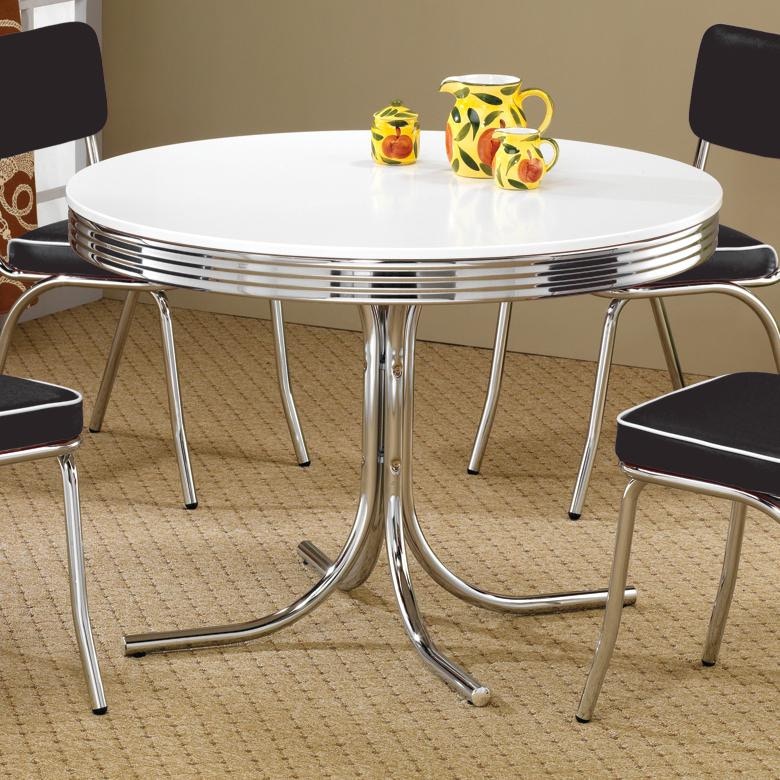
Choosing Between Original Vintage and Quality Reproductions
The vintage versus reproduction debate consumed considerable thought during my search. My heart wanted an authentic piece with history and character, but my head worried about durability and daily functionality. I spent months searching for the perfect vintage table, and the hunt itself became an enjoyable hobby. Estate sales on Saturday mornings became my routine, and I loved imagining the stories behind each table I encountered.
Authentic vintage tables offered undeniable charm that reproductions couldn’t quite capture. The Formica patterns from the 1950s and 1960s featured colors and designs no longer manufactured, giving them a unique visual appeal. I appreciated knowing that families had gathered around these tables for decades, sharing meals and conversations. The patina of age, slight wear on chrome, and authentic construction details made vintage tables feel special in ways that brand-new furniture simply couldn’t match.
However, I also explored modern reproductions when vintage options proved elusive or problematic. Several companies now manufacture retro-style tables using period-appropriate materials and designs. I visited showrooms and compared reproductions to genuine vintage pieces, finding that quality varied dramatically. The best reproductions used real chrome, heavy-gauge steel, and genuine Formica in vintage colors, while cheaper versions substituted chrome-look paint and thin metal that felt flimsy. For my guest house kitchen, I ultimately purchased a well-made reproduction that captured the look I wanted with modern durability guarantees and easier care requirements.

Restoring and Refinishing Your Vintage Table
My biggest vintage table came in rough condition but had perfect bones, so I tackled restoration myself. I started with the chrome legs, which had surface rust and tarnish but no serious pitting. I used aluminum foil dipped in Coca-Cola, an old trick I learned online that actually works surprisingly well for cleaning chrome. For stubborn rust spots, I graduated to chrome polish and fine steel wool, working carefully to avoid scratching the plating underneath.
The Formica top required gentler treatment than I initially expected. My first attempt at cleaning used an abrasive cleaner that left the surface dull and scratched. I learned that Formica needs pH-neutral cleaners and soft cloths to avoid damage. For my table’s yellowed and stained surface, I used a paste of baking soda and water, letting it sit for fifteen minutes before gently scrubbing. This removed years of grime and restored much of the original color. I finished with automotive wax, which added protection and shine while making future cleaning easier.
The most challenging restoration was repairing a small chip along the table edge where Formica had broken away. I found a specialty repair kit designed for laminate countertops and carefully filled the damaged area with color-matched epoxy. After curing, I sanded it smooth and buffed to blend with the surrounding surface. The repair isn’t invisible under close inspection, but it’s stable and prevents further damage. I also tightened all connections in the pedestal base using new lock washers to eliminate wobble. These relatively simple restoration tasks transformed my sad estate sale find into a stunning, functional table I’m proud to use daily.
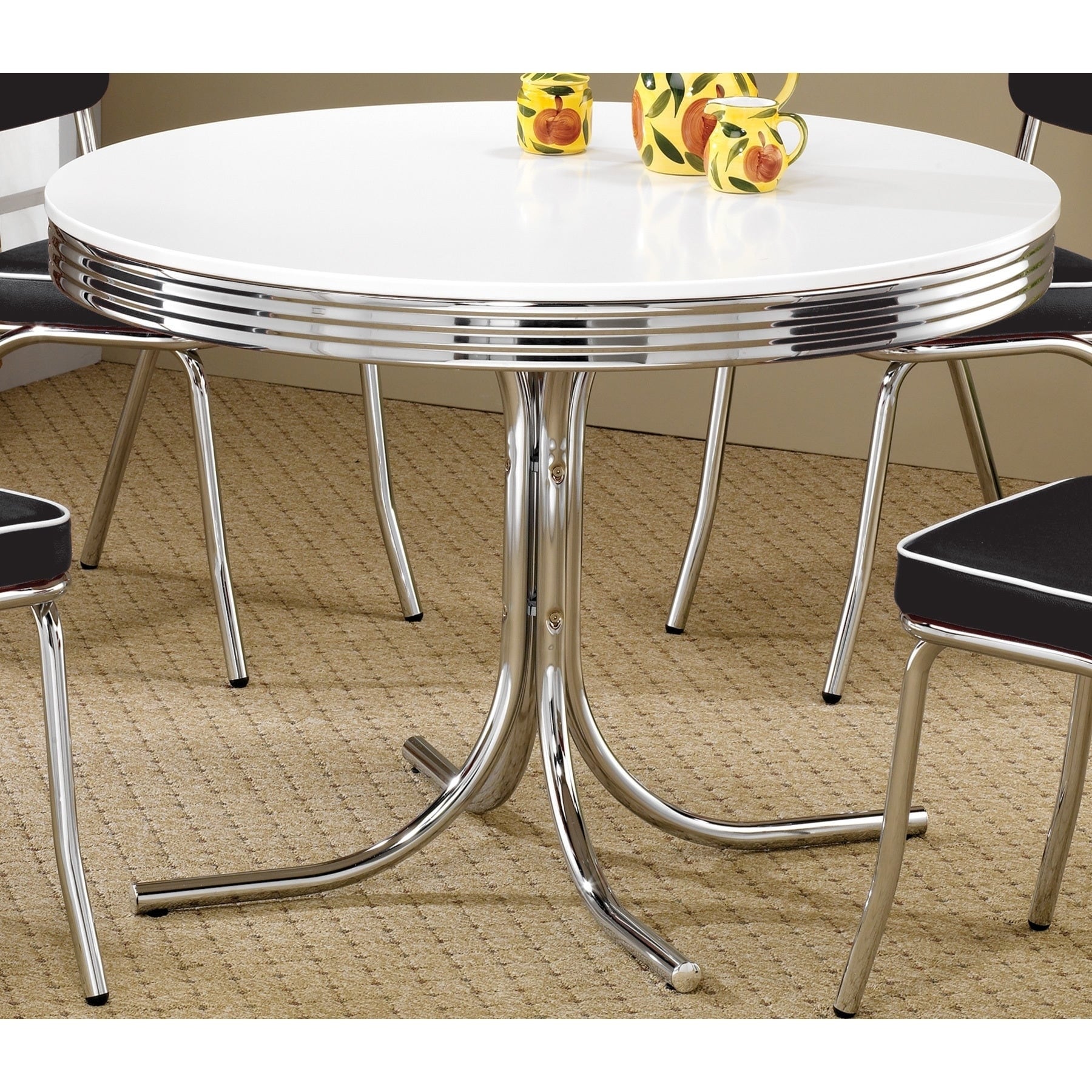
Styling Your Retro Table for Modern Living
Once I had my perfect vintage table, I faced the challenge of styling it to work with contemporary life while honoring its retro roots. I initially went overboard with vintage accessories, using 1950s salt and pepper shakers, vintage napkin holders, and period placemats. The result looked more like a museum display than a functional kitchen. I learned that mixing eras and styles creates a more livable and personal space than strict period accuracy.
My current approach balances retro charm with modern functionality. I use simple white dishes that let the colorful table surface shine rather than competing with it. A modern glass vase with fresh flowers adds life without clashing stylistically. I found vintage-inspired accessories from contemporary retailers that capture mid-century aesthetics while offering current materials and construction. This mixing of old and new feels fresh rather than theme-heavy, letting the table be a beautiful, functional piece rather than a nostalgic statement.
Lighting above my table became crucial to the overall effect. I installed a brass and milk glass pendant fixture inspired by 1950s design that hangs perfectly centered over the round surface. The fixture’s warm light makes the table’s turquoise Formica seem to glow, especially during evening meals. I also added a colorful vintage-inspired rug underneath to define the dining space and protect my floors from chair scraping. These thoughtful styling choices transformed my table from a vintage piece into an integrated part of my home’s design that works beautifully with both retro elements and modern conveniences.

Caring for and Maintaining Your Retro Table
Living with my vintage table taught me maintenance requirements that keep it looking beautiful despite daily use. Formica is remarkably durable, but it’s not indestructible, and I learned proper care through both success and mistakes. I now use trivets and hot pads religiously under anything warm, after discovering that direct heat can discolor or even melt the laminate surface. This simple habit has prevented damage and keeps my table pristine.
Daily cleaning became a quick routine that preserves my table’s finish. I wipe spills immediately with a damp cloth, as many substances can stain if left to sit. For regular cleaning, I use warm water with a tiny amount of dish soap, avoiding harsh chemicals or abrasive cleaners. I dry the surface thoroughly after cleaning to prevent water spots on the chrome base. Once a month, I apply a light coat of furniture polish or car wax, which protects the Formica and makes it easier to wipe clean during daily use.
The chrome legs require specific attention to maintain their shine. I learned that chrome oxidizes over time, especially in humid climates, developing a dull film that plain cleaning won’t remove. I use chrome polish twice yearly to restore brilliant shine and remove any surface oxidation before it becomes serious rust. For the base connections and moving parts, I apply a drop of machine oil annually to keep mechanisms smooth and prevent squeaking. I also check and tighten all screws and bolts periodically, as daily use gradually loosens connections. This preventive maintenance takes maybe thirty minutes twice a year but keeps my table stable and beautiful.

How much should I expect to pay for a vintage round kitchen table?
Prices vary wildly based on condition, brand, and rarity. I’ve seen rough tables at estate sales for $50 to $100, while pristine sets with matching chairs fetch $400 to $800 in antique shops. My table cost $200 at an estate sale and needed about $50 in restoration supplies. Rare colors or designer names command premium prices. Quality modern reproductions range from $300 to $1,200. I recommend setting a budget but being patient, as great deals appear regularly if you’re willing to hunt.
What size round table works best for a small kitchen?
I learned through experience that a 36-inch diameter table seats four comfortably without overwhelming a small space. This size allows about 36 inches of clearance around the table for chair movement, fitting kitchens as small as 9×9 feet. My 42-inch table seats four with more elbow room but requires a slightly larger kitchen. Avoid tables over 48 inches for small spaces, as they’ll dominate the room and restrict traffic flow. Measure your kitchen carefully before shopping.

Are vintage Formica tables safe for food preparation and daily meals?
Absolutely. Formica is non-porous, doesn’t harbor bacteria, and is FDA-approved for food contact surfaces. I use my table daily for meal prep and eating without concerns. The laminate resists most stains and wipes clean easily. However, I avoid cutting directly on the surface, as knives will scratch and damage the finish. I use a cutting board for food prep. The vintage Formica on my 1950s table performs just as well as modern laminate surfaces.
Can I reupholster the chairs that came with my vintage table set?
Yes, and I’ve done this successfully on two sets. Original vinyl often cracks, tears, or becomes sticky with age. I had an upholstery shop replace the seat and back cushions with new vinyl in a color that complemented the original. The cost ran about $35 per chair. If you’re handy, DIY reupholstery is possible using staple guns and patience. Keep the original piping if intact, as it’s a signature vintage detail. New vinyl lasts for years and makes chairs comfortable again.

How do I transport a vintage table without damaging it?
I learned this the hard way after scratching my first table during transport. Remove the top from the base if possible; many vintage tables have bolts underneath that allow separation. Wrap the Formica surface in moving blankets, never placing anything directly against it. Pad chrome legs carefully, as they dent and scratch easily. Transport the table flat rather than on edge to prevent stress on the base. I use a pickup truck or large SUV rather than trying to force tables into small vehicles where damage becomes likely.
Do round tables work better than rectangular ones for small spaces?
In my experience, yes. Round tables lack corners that jut into walkways, improving traffic flow in tight kitchens. The circular shape creates a more intimate dining experience, with everyone equidistant from the center. Round tables also seat more people in less space than rectangular tables of similar square footage. I can squeeze five people around my 42-inch round table when needed, while a rectangular table of similar size maxes out at four comfortably. The shape just works better for casual kitchen dining.

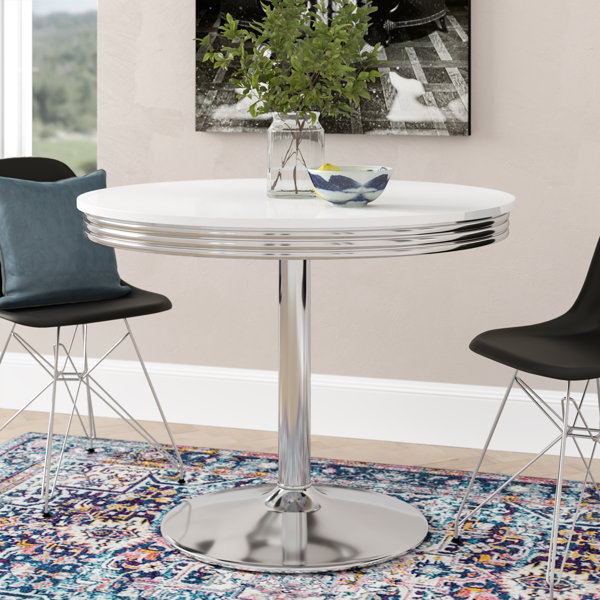
Round Retro Dinette Set
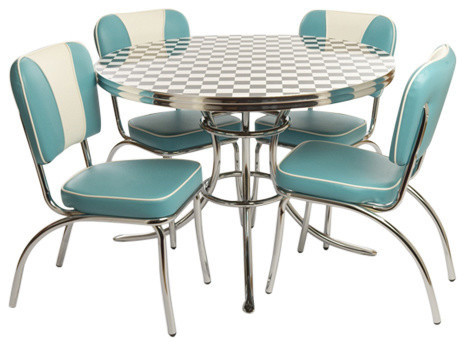
Porada Retro Round Glass Dining Table Contemporary Dining Room
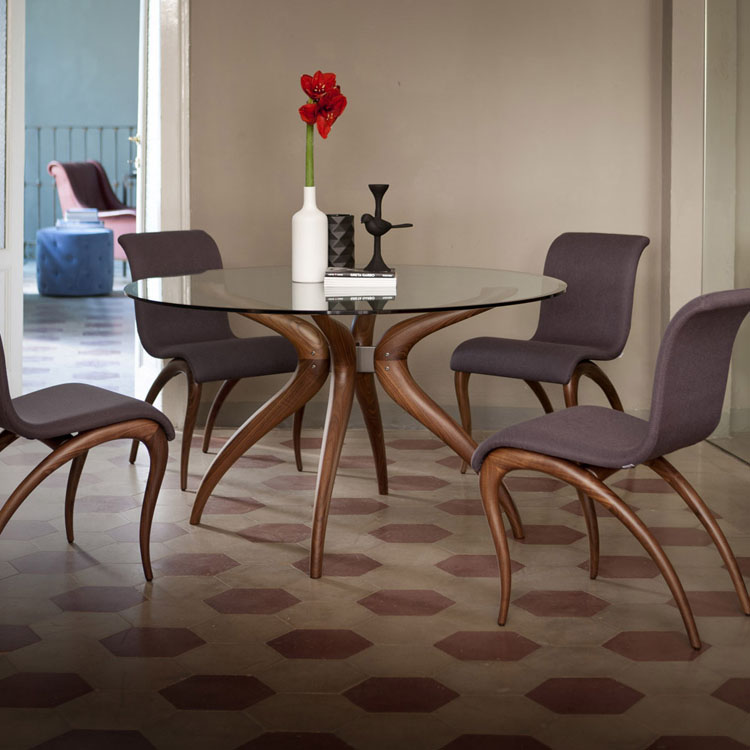
Target Marketing Systems Raleigh Modern Retro Style Chrome Plated Metal Round Dining Table, 39.4

1950s Retro Dining Tables
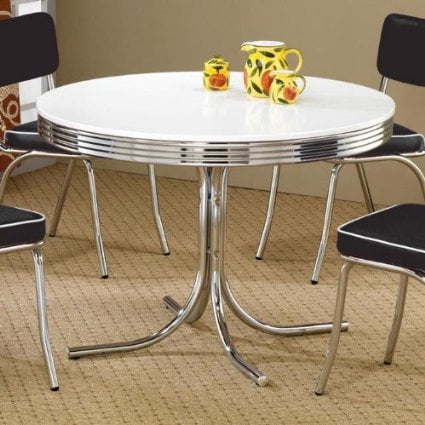
Coaster Retro Round Dining Kitchen Table in Chrome / White
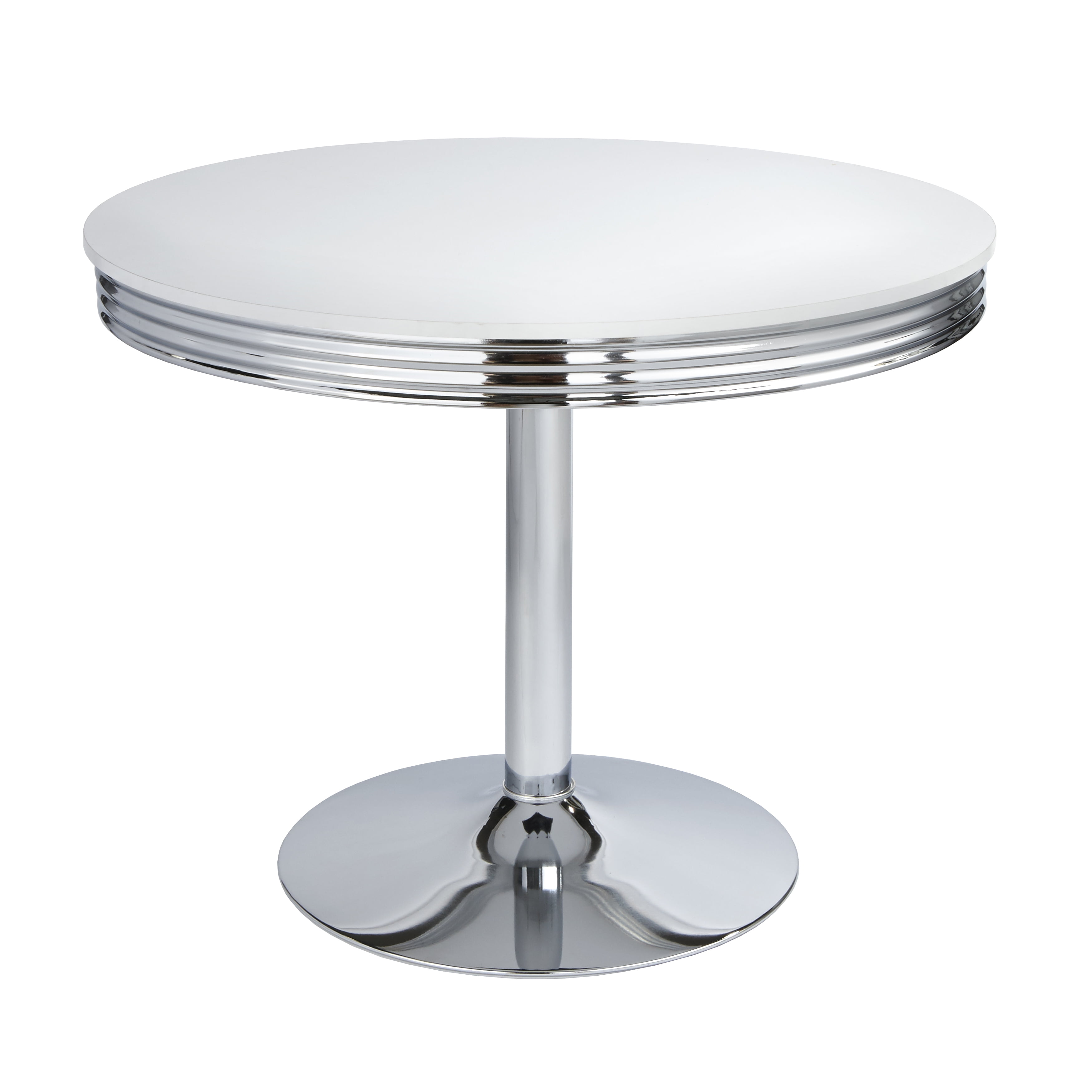
Raleigh Retro Dining Table
Related Posts: