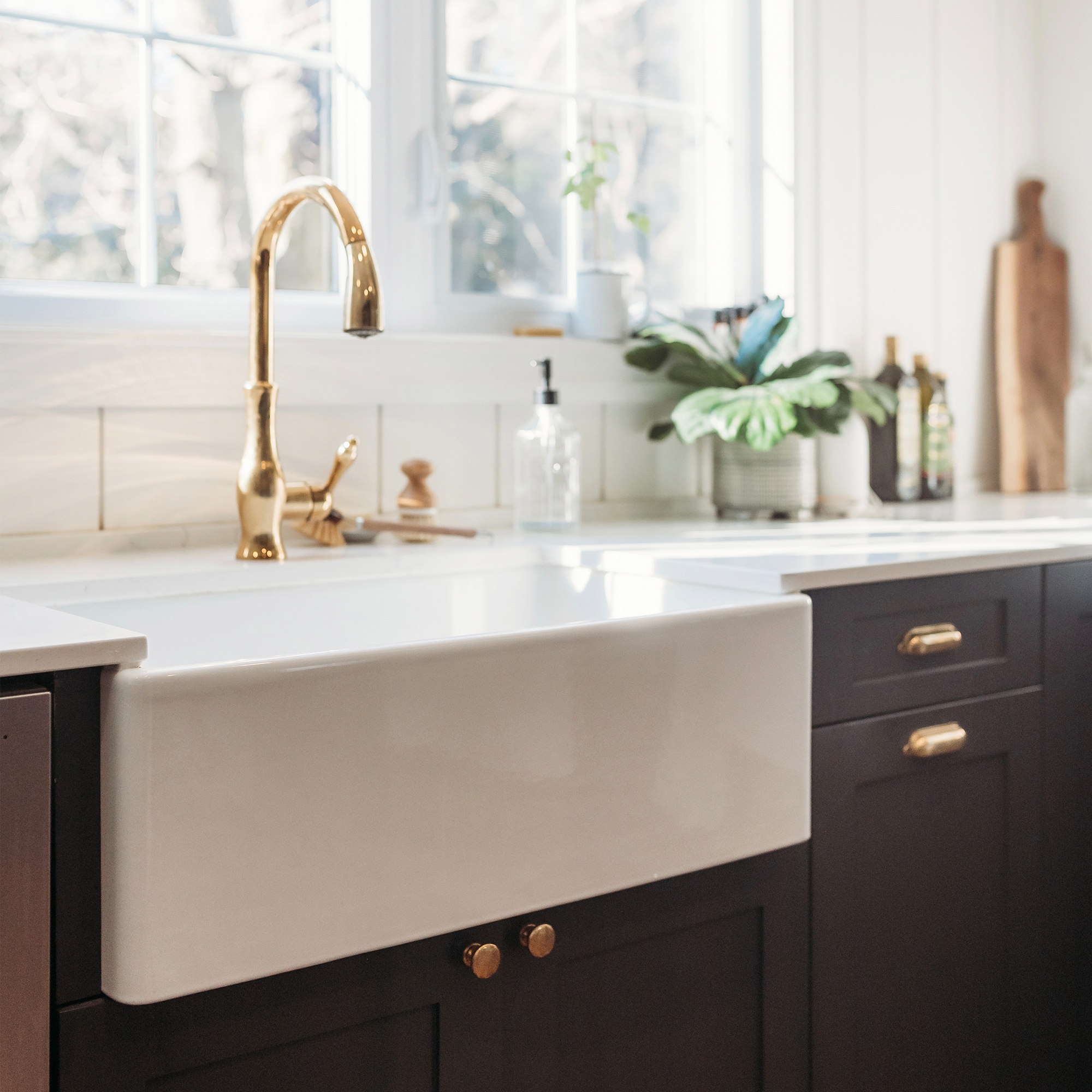
When I started planning my kitchen renovation two years ago, I knew a white farmhouse sink would be the centerpiece of the entire space. There’s something iconic about that deep, apron-front basin in crisp white that instantly says country kitchen. But choosing the right one turned out to be more complicated than I expected, with decisions about materials, sizes, installation methods, and maintenance requirements. After living with my choice for two years now, I’ve learned what really matters when selecting a white country sink and how to keep it looking beautiful despite daily use in a busy household.
Fireclay vs. Cast Iron: Material Matters
I spent weeks researching sink materials before settling on fireclay for my white country kitchen sink. Fireclay is made from clay fired at extremely high temperatures, creating a dense, non-porous surface that resists staining and chipping remarkably well. The white finish goes all the way through the material rather than being a surface coating, which means minor scratches don’t show. My fireclay sink has endured two years of heavy use, and the surface still looks practically new.
Cast iron sinks with porcelain enamel coating were my other serious consideration. These sinks are incredibly heavy and durable, with a glossy finish that many people love. The weight actually helps with installation stability, and the enamel surface is smooth and easy to clean. However, the coating can chip if you drop something heavy, exposing the dark iron underneath. My sister has a cast-iron sink and had to touch up a chip with appliance paint after dropping a cast-iron skillet.
The cost difference between materials influenced my decision, too. Fireclay sinks typically run $400 to $800 for quality pieces, while comparable cast iron options cost $300 to $600. I decided the extra investment in fireclay was worth it for the through-body color and superior chip resistance. Both materials are significantly heavier than stainless steel, so proper support during installation is essential regardless of which you choose.
Single Bowl vs. Divided Basin Configurations
I chose a single-bowl configuration for my 33-inch farmhouse sink, and it’s been perfect for my cooking style. The undivided basin gives me room to wash large baking sheets, stockpots, and even my biggest roasting pan without awkward maneuvering. When I’m preparing holiday meals or batch-cooking for the week, that spacious basin becomes invaluable. I can fill it with soapy water for soaking multiple pans at once.
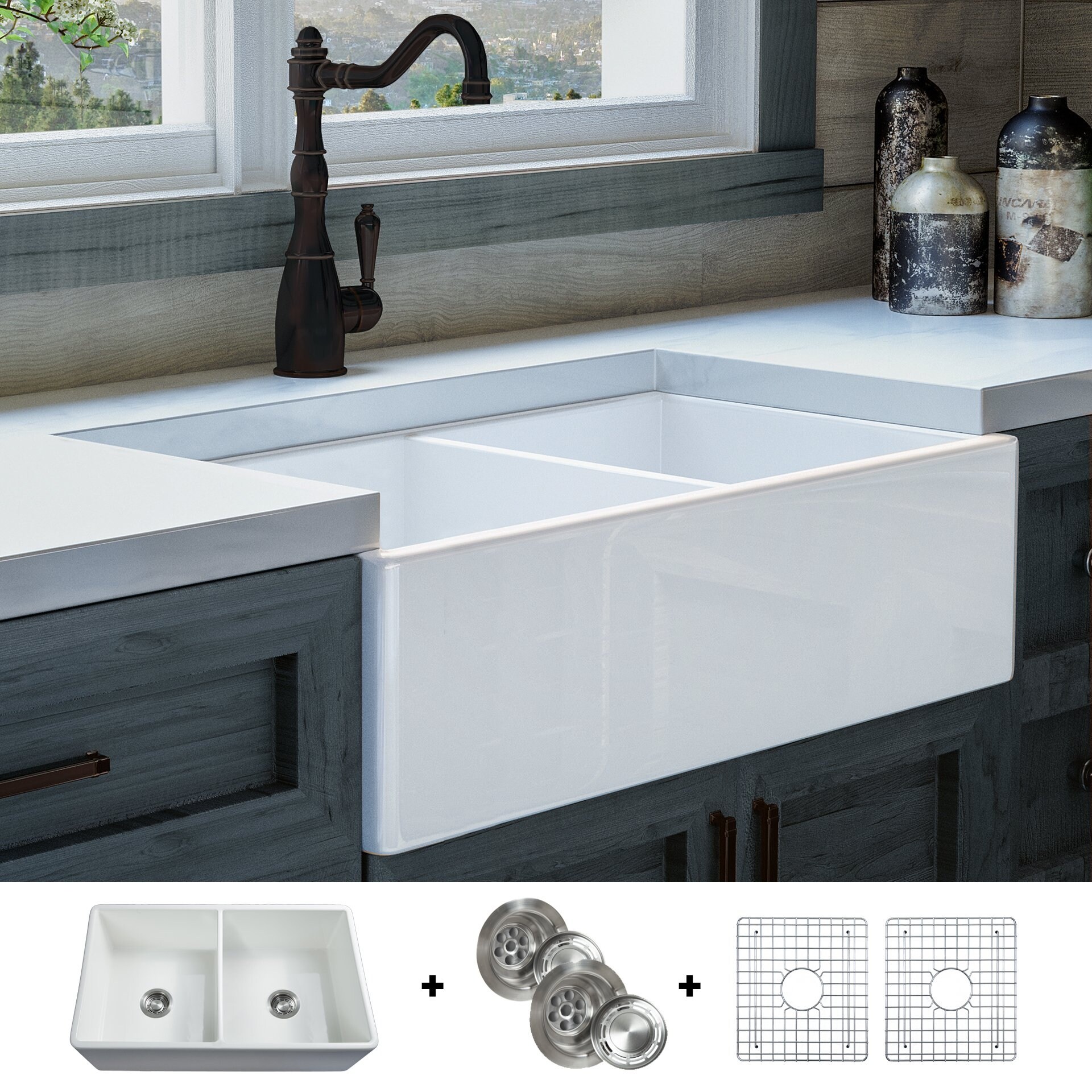
Double-bowl farmhouse sinks offer advantages I sometimes miss, particularly for multitasking. My friend’s divided sink lets her soak dishes on one side while using the other for food prep or washing vegetables. The separation also allows running the garbage disposal on one side without affecting the other. If you frequently hand-wash dishes or like keeping dirty dishes out of sight while working, the divided configuration might suit you better.
The size of your kitchen and cabinet base determines what’s feasible. My 36-inch base cabinet accommodates a 33-inch single bowl perfectly, but a divided sink in that size has two smaller basins that might feel cramped. Larger kitchens with 42 or 48-inch bases can handle divided farmhouse sinks with generously sized basins. Consider how you actually work in your kitchen rather than just aesthetics when making this choice.

Apron-Front Installation Considerations
Installing my farmhouse sink required more planning than I anticipated. Unlike drop-in sinks, the apron front extends beyond the cabinet and becomes a visible design element. My installer had to modify my base cabinet, cutting away the front face frame to accommodate the sink’s protruding front. This modification needs to happen before the sink arrives, so precise measurements are critical. I measured three times to avoid costly mistakes.
The sink sits directly on support structures built into the cabinet rather than hanging from the countertop edges. My installer added substantial bracing underneath because my fireclay sink weighs over 100 pounds empty. We reinforced the cabinet floor and added cross-bracing to ensure adequate support. Skimping on this support structure would be disastrous with the weight of a full sink, plus standing water and dishes.
I chose an undermount installation for my countertops, where the granite edges are polished and visible rather than covered by a sink lip. This creates clean lines and makes wiping crumbs from the counter directly into the sink effortless. Some people do flush-mount installations where the apron sits perfectly even with cabinet faces, but my installer recommended a slight overhang for better water drip protection. The front of my sink projects about half an inch beyond the cabinet face.

Maintenance and Keeping White Sinks Pristine
My biggest concern before installing a white sink was keeping it clean, but it’s been much easier than I feared. Daily maintenance involves nothing more than wiping down the basin with dish soap and water after washing up from dinner. The non-porous fireclay surface doesn’t hold onto stains the way I worried it might. Even coffee and tea rinse away without leaving marks if I clean reasonably promptly.
For deeper cleaning, I use baking soda paste once or twice a week to gently scrub away any buildup. I sprinkle baking soda across the damp sink surface, let it sit for a few minutes, then scrub with a soft sponge before rinsing thoroughly. This keeps the white finish bright without using harsh chemicals that might damage the surface over time. I avoid abrasive scrubbers that could dull the finish.
The most stubborn marks I’ve encountered are metal scratches from pots and pans sliding across the surface. These gray marks look alarming but usually aren’t actual damage to the sink. I remove them using Bar Keeper’s Friend, a gentle powder cleanser that works wonders on fireclay and porcelain. A little paste on a damp cloth removes metal marks in seconds. I also learned to use sink grids at the bottom to prevent scratches and protect dishes from breaking.

Sizing Your White Farmhouse Sink Correctly
Choosing the right sink size required careful consideration of my cabinet dimensions and how I actually use my kitchen. Standard farmhouse sinks come in 30, 33, and 36-inch widths, with 33 inches being the most popular. My 36-inch base cabinet needed a 33-inch sink to leave room for installation and support structures. Measure your existing cabinet width and subtract at least 3 inches to determine your maximum sink size.
Depth is another crucial dimension I initially overlooked. Farmhouse sinks typically range from 8 to 10 inches deep, significantly deeper than standard 7-inch sinks. My 9-inch deep sink provides ample room for soaking and washing, but requires some adjustment. I’m average height, and the extra depth means reaching the bottom involves bending slightly more. Taller people might prefer the deepest options, while shorter individuals might find 8 inches more comfortable.
The apron height matters too, particularly if you’re shorter or have back issues. My sink’s apron is 10 inches tall, which positions the basin floor at a comfortable working height for me. Some farmhouse sinks have taller aprons that look dramatic but can create ergonomic issues. Stand at different sink heights in showrooms if possible to understand what feels comfortable before committing to specific dimensions.

Complementary Faucets and Country Style Hardware
Pairing the right faucet with my white farmhouse sink took considerable thought. I needed something with adequate height and reach to serve the deep, wide basin effectively. My bridge-style faucet in brushed nickel has a high-arc spout that provides plenty of clearance for filling large pots. The vintage-inspired design with cross handles perfectly complements the traditional farmhouse aesthetic while incorporating a modern pull-down sprayer.
The faucet finish creates important visual balance with a white sink. I considered oil-rubbed bronze, which looks gorgeous against white but shows water spots more readily than my brushed nickel choice. Matte black faucets are trending now and create a striking contrast, though they felt too modern for my traditional country kitchen. Chrome offers classic shine but can read as cold against the warm white of the sink.
I added a soap dispenser and a small air gap for my dishwasher, which required additional holes to be drilled in my countertop adjacent to the sink. Planning for these accessories before installation prevented having to drill through granite later. Some people add pot fillers above the sink or instant hot water dispensers, but I kept things simple. Consider your daily workflow and what accessories would genuinely improve your kitchen experience rather than just looking impressive.
Do white farmhouse sinks stain easily?
My fireclay sink has resisted staining remarkably well over two years of heavy use. The non-porous surface doesn’t absorb liquids like some materials. I’ve left coffee cups and red wine sitting in the sink overnight without any lasting marks. Regular cleaning with dish soap prevents buildup. Cast iron sinks with quality porcelain enamel also resist stains well. The key is choosing quality materials rather than budget options with porous surfaces.
How much does a white country kitchen sink weigh?
My 33-inch fireclay sink weighs about 110 pounds empty, while comparable cast iron sinks typically weigh 150 pounds or more. This substantial weight requires proper cabinet reinforcement and two people for installation. The weight is actually an advantage once installed, providing stability and reducing vibration and noise. Plan for professional installation unless you’re experienced with heavy sink installations and have adequate help.

Can I install a farmhouse sink in existing cabinets?
Yes, but it requires cabinet modifications. My installer had to remove the front face frame and add internal support structures. The cabinet needs to be at least 3 inches wider than the sink to accommodate installation. Some older or poorly constructed cabinets might not provide adequate structure for modification. I recommend having a professional assess your cabinets before purchasing a sink to avoid discovering incompatibility issues after buying.
What’s the best way to prevent scratches on white sinks?
I use a sink grid at the bottom of my basin, which protects both the sink surface and my dishes. The grid elevates dishes slightly, preventing them from scraping the bottom. I’m also careful about sliding cast-iron or metal pans across the surface. For the occasional metal mark that does appear, Bar Keeper’s Friend removes it easily. These aren’t usually true scratches but rather metal transfer that wipes away.

Are white farmhouse sinks suitable for busy families?
Absolutely, mine handles daily abuse from two adults and three kids beautifully. The deep basin contains splashes well, and the durable materials withstand dropped dishes and utensils. The large size makes cleanup after big family meals easier than smaller sinks. White shows when the sink needs cleaning, which I actually appreciate for maintaining hygiene. Quality fireclay or cast iron stands up to family life better than I expected.
How do white sinks compare to stainless steel for country kitchens?
White sinks create the classic country kitchen look that stainless steel simply can’t achieve. The aesthetic difference is significant if farmhouse style matters to you. Maintenance is comparable; both materials clean easily with regular care. White shows water spots less than stainless steel, which was surprising. Stainless steel handles heat better and won’t chip, but quality white sinks are remarkably durable. Choose based on your desired aesthetic since both perform well functionally.

Ruvati 30 in. x 20 in. Fireclay Reversible Farmhouse Apron-Front
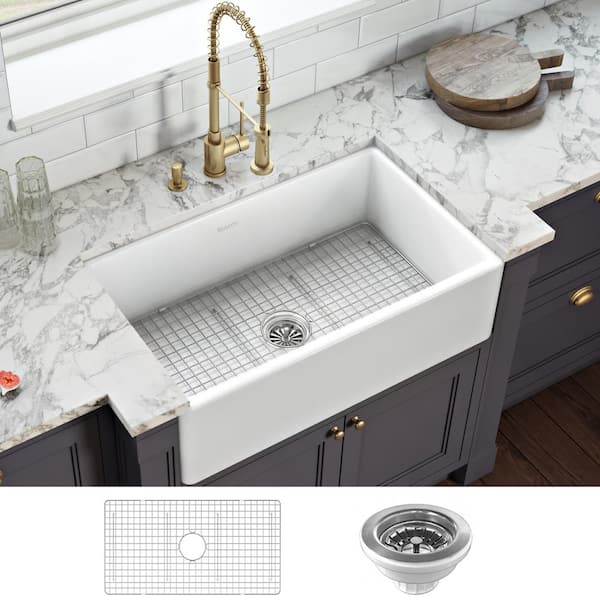
Farmhouse Kitchen Sink – White Porcelain Apron Front Undermount Kitchen Sink

Farmhouse Apron Front 33-in x 19-in White Single Bowl Workstation Kitchen Sink
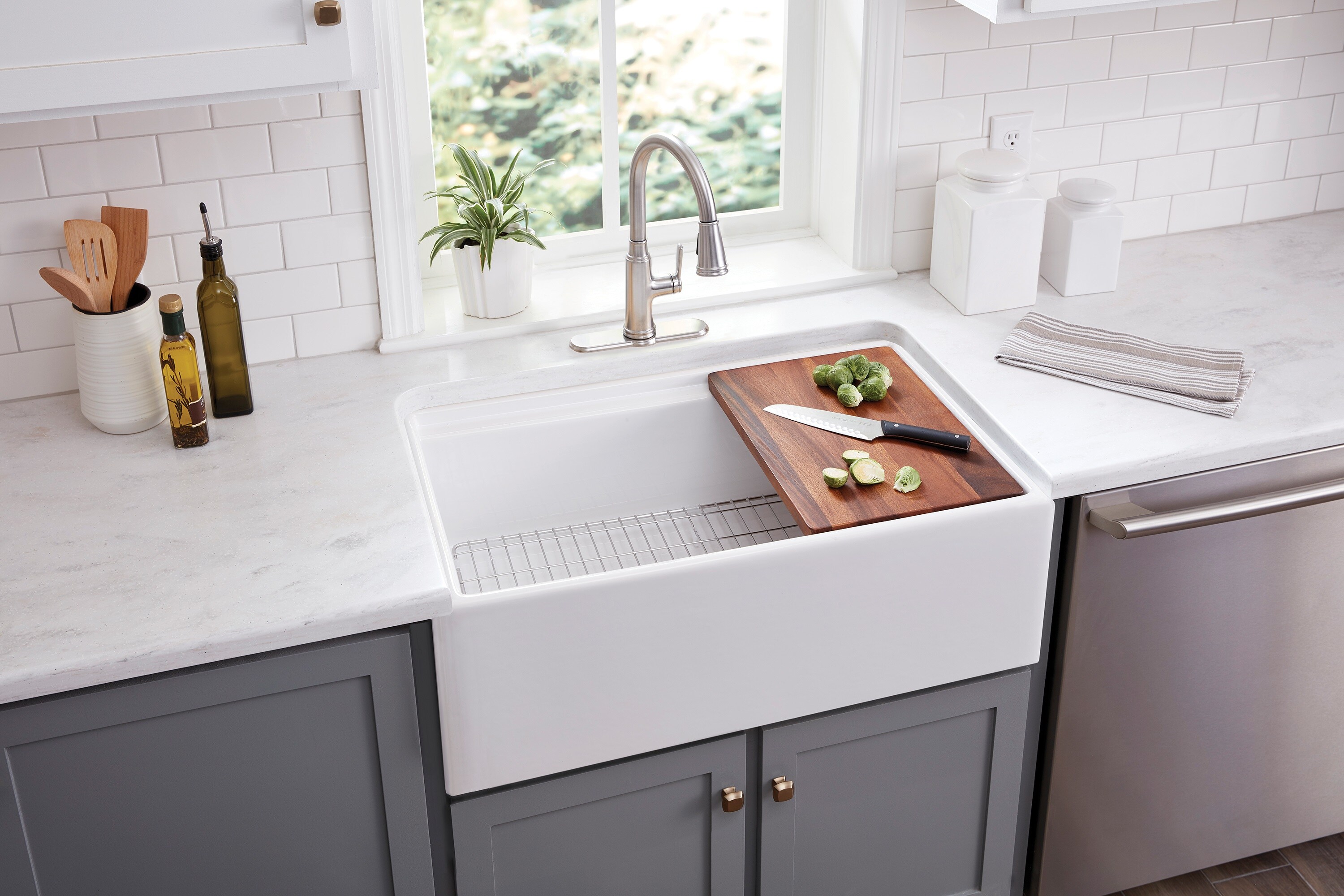
30″ L x 20″ W Farmhouse/Apron Kitchen Sink
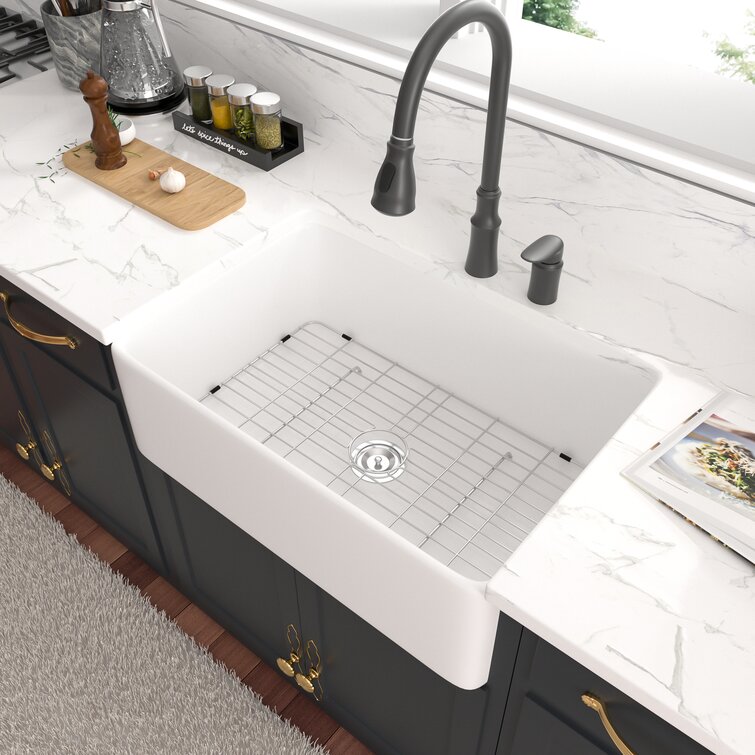
Farmhouse Apron Front 33-in x 18-in Crisp White Single Bowl Kitchen Sink
Related Posts: