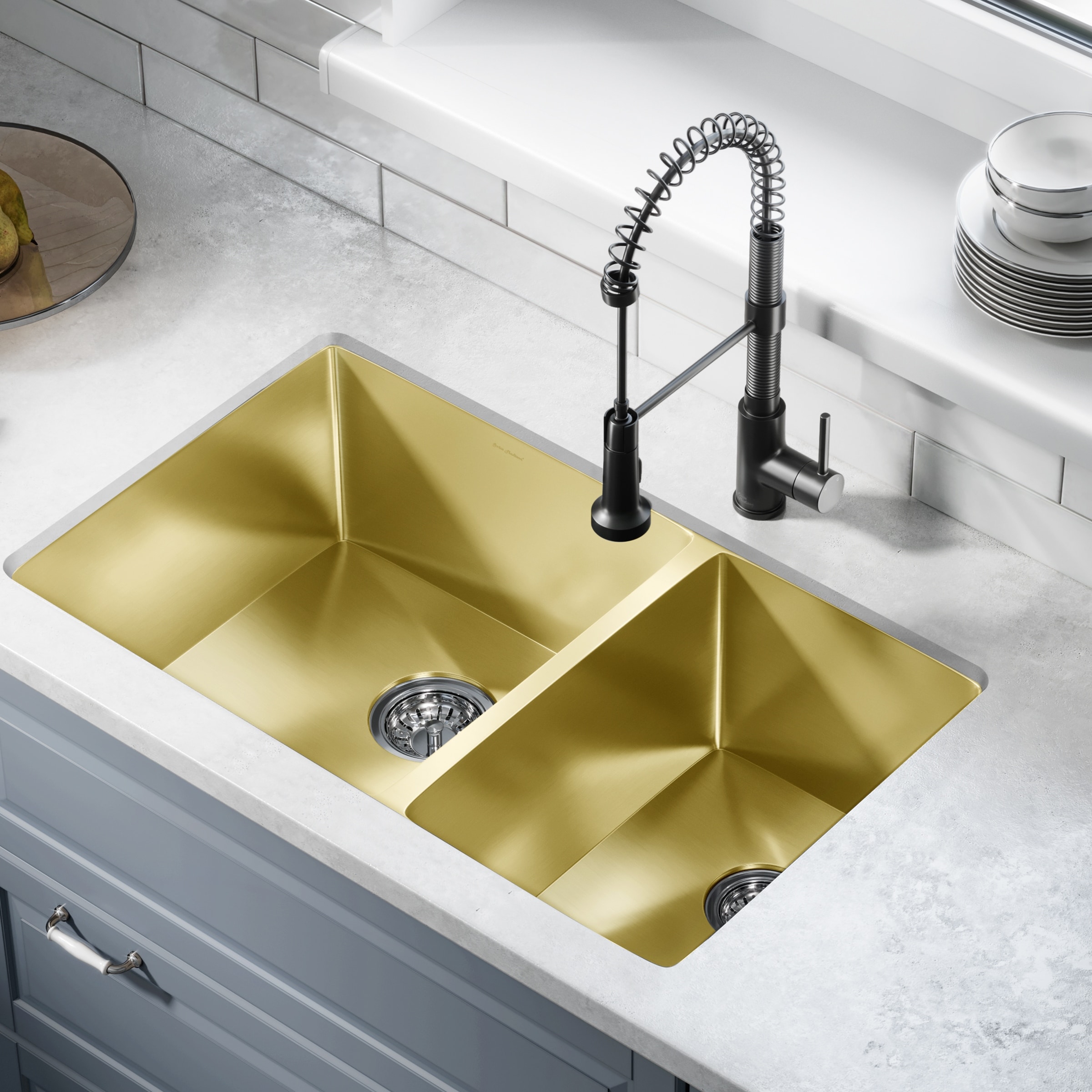
When I decided to renovate my kitchen last year, I never imagined how much one fixture could transform the entire space. After months of research, countless Pinterest boards, and visits to showrooms where I touched every surface and imagined my daily routines, I chose a brass undermount kitchen sink, and it’s been one of the best decisions I’ve made for my home.
The warm, golden tones paired with the sleek undermount design created exactly the sophisticated yet welcoming atmosphere I was hoping for. What started as a functional necessity became the centerpiece that tied together my entire design vision, proving that sometimes the most practical elements can also be the most beautiful.
Why I Fell in Love with Brass Finishes
The moment I saw my first brass sink in a design magazine, I knew I had to have one. There’s something about brass that feels both timeless and incredibly current, bridging the gap between vintage charm and contemporary sophistication. Unlike stainless steel, which can feel cold and clinical in certain lighting, brass brings warmth to the kitchen that makes cooking and entertaining feel more inviting. I found myself lingering in kitchen showrooms, running my hands over different brass finishes, comparing the subtle variations in tone and texture. Each one had its personality, from bright and polished to more muted and brushed finishes.
What sold me was how brass develops a natural patina over time, creating a living finish that evolves with your family’s lifestyle. Instead of fighting against wear and tear like you might with other materials, brass embraces it, becoming more beautiful and unique with age. I love knowing that my sink will continue to evolve and develop character as my family uses it daily, creating a truly personalized fixture that no one else will have. The idea that my kitchen would become more beautiful with use rather than showing every fingerprint and water spot was incredibly appealing. Some friends thought I was crazy to choose a material that changes over time, but I found the concept romantic and authentic.
The versatility surprised me too, exceeding my expectations in ways I hadn’t anticipated during the planning phase. My brass sink looks stunning with both modern subway tiles and the vintage-inspired cabinet hardware I chose, creating a cohesive look that feels intentional rather than accidental. It bridges different design styles effortlessly, making it perfect for someone like me who loves mixing old and new elements without committing to a single aesthetic.
I’ve since changed out my dish towels, added different plants, and swapped cabinet knobs, and somehow the brass sink complements every change beautifully. Friends with more traditional kitchens and those with ultra-modern designs have both commented on how well the brass would work in their spaces, too.
Understanding the Undermount Advantage
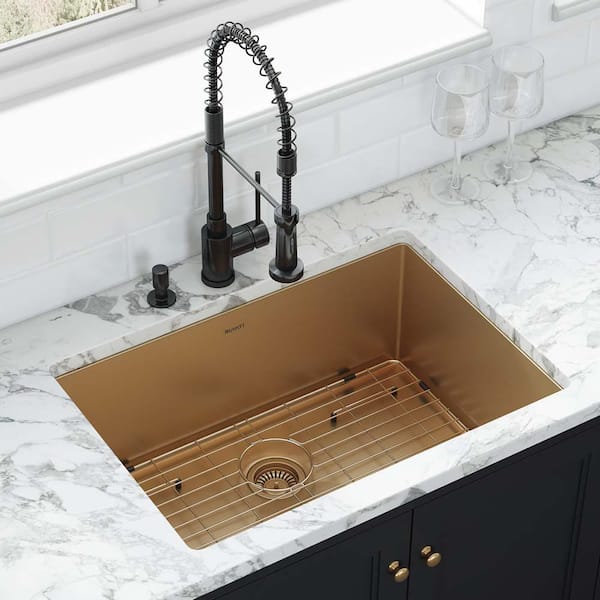
Before this renovation, I had always lived with drop-in sinks, so the undermount installation was completely new territory for me. The difference is remarkable, both aesthetically and functionally, in ways I hadn’t fully appreciated until living with it daily. Without that raised rim interrupting the countertop, my kitchen workspace feels so much more streamlined and sophisticated, creating an unbroken flow that makes the entire area appear larger. The clean lines where the sink meets the counter have become one of my favorite design details, especially when friends notice and ask about it. I find myself running my hand along that smooth transition, still amazed by how seamless and intentional it looks compared to my old setup.
Cleaning became infinitely easier once I made the switch, transforming one of my least favorite kitchen tasks into something almost satisfying. I can sweep crumbs and spills directly from the counter into the sink without any lip or edge catching debris, creating a seamless workflow that makes meal preparation more efficient. This might sound like a small thing, but when you’re preparing meals daily, dealing with busy mornings, and managing the chaos of family life, these little conveniences add up to significant time savings and reduced frustration. I no longer have to use a dish towel to guide crumbs around a raised edge, and wiping down the counter after cooking feels effortless and thorough. Even my teenage daughter, who isn’t known for her cleaning enthusiasm, has commented on how much easier it is to keep the kitchen tidy.
The seamless integration with my quartz countertops creates this beautiful, uninterrupted surface that makes my kitchen feel larger and more open than it actually is. I particularly love how the brass complements the subtle veining in my countertop, creating visual interest without overwhelming the space or competing for attention. The warm tones of the brass seem to pull out golden flecks in the quartz that I never noticed before, creating a cohesive color story that feels both intentional and natural. During different times of day, as the light changes, I discover new ways the materials work together, sometimes appearing more golden, sometimes more muted and sophisticated. It’s like having a constantly evolving piece of functional art right at the heart of my kitchen.
Installation Challenges I Wish I’d Known About
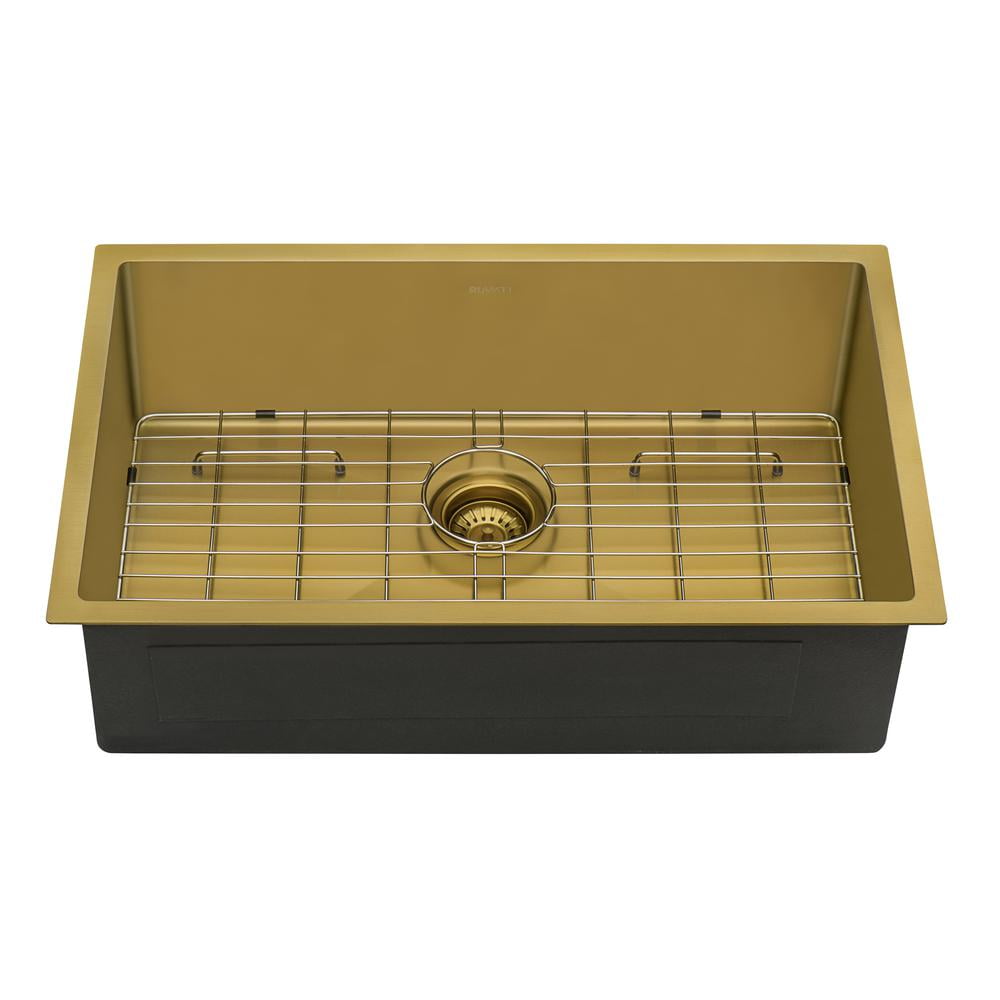
I’ll be honest, installing an undermount sink isn’t a DIY weekend project like I initially hoped when I was feeling overconfident about my renovation skills. The process requires precision and expertise that I simply didn’t have, despite watching countless YouTube videos and reading installation guides. My contractor explained that the countertop needs to be cut perfectly to accommodate the sink’s exact dimensions, and any mistake could be costly, potentially ruining both the expensive countertop and the sink. The tolerances are incredibly tight, with measurements needing to be accurate to within millimeters, which is far beyond what most homeowners can achieve with standard tools. I learned this lesson before making any expensive mistakes, thankfully, and decided the professional installation fee was worth the peace of mind.
The weight distribution was another surprise that caught me off guard during the planning process. Brass sinks are significantly heavier than their stainless steel counterparts, which means the mounting system needs to be robust enough to support the load over time without sagging or pulling away from the countertop. My installer used heavy-duty brackets and additional reinforcement, including extra support beams in the cabinet structure below, to ensure long-term stability. He showed me examples of installations where insufficient support had led to expensive repairs, and I was grateful for his thoroughness. The additional hardware and labor for this reinforcement added to the overall cost, but I considered it essential insurance for protecting my investment. I’ve seen photos of failed installations where corners were cut, and they’re not pretty.
Timing the installation correctly within the renovation sequence proved crucial, and this coordination required more planning than I had anticipated. The sink had to be mounted before the countertops were finalized, which meant committing to the exact placement early in the process when other elements were still in flux. I’m grateful my contractor walked me through this timeline, preventing what could have been a major headache and expensive do-over. We had to coordinate the plumber’s rough-in work, the cabinet installation, the sink mounting, and the countertop templating in a specific sequence that left no room for changes of heart. I remember feeling anxious about making such permanent decisions before I could visualize the complete kitchen, but trusting the process and my contractor’s experience paid off beautifully. The coordination also meant that any delays in one phase could cascade through the entire project timeline.

Maintenance Reality Check
When I first got my brass sink, I was terrified of damaging the finish, approaching it like a precious artifact rather than a functional kitchen tool. I researched cleaning methods obsessively, joining online forums and reading manufacturer guidelines until my eyes glazed over, then stocked up on specialty brass cleaners that promised to maintain the perfect finish. However, I quickly learned that daily maintenance is actually quite simple and doesn’t require expensive products or complicated routines. My initial anxiety was completely unfounded, and I realized I had been overthinking what turned out to be very forgiving material. The key was developing confidence through experience, starting with gentle cleaning methods and gradually understanding how the brass responded to different approaches. Within a few weeks, caring for my brass sink became as routine as washing dishes.
For regular cleaning, I use warm soapy water and a soft cloth, just like I would with any other sink, keeping my routine simple and sustainable. I avoid abrasive cleaners and scrubbers that could scratch the surface, instead relying on gentle circular motions and patience for tougher spots. Once a week, I give it a deeper clean with a paste made from lemon juice and baking soda, which keeps the brass looking bright and removes any water spots or mineral buildup. This natural cleaning method works better than most commercial products I’ve tried, and I love that it doesn’t introduce harsh chemicals into my kitchen environment. The weekly deep clean has become almost meditative, a few minutes of focused attention that helps me appreciate the beauty of this fixture. I’ve also learned that consistency is key; regular, gentle cleaning prevents the buildup that would require more aggressive methods.
The patina development has been fascinating to watch unfold over the months, like observing a slow-motion transformation that reveals the sink’s personality. Some areas that get more use, particularly around the faucet base and the bottom of the main bowl, have darkened slightly, while others maintain their original golden tone, creating a beautiful variation in depth and character. Rather than trying to prevent this natural aging process or maintain perfect uniformity, I’ve learned to appreciate how it adds authenticity and uniqueness to my kitchen. Each family develops their own patterns of use, which means each brass sink ages differently, creating a truly personalized fixture. Friends who visit often comment on the beautiful variation in tone, asking if it was intentional or natural. I love explaining how the sink is essentially documenting our family’s daily routines, becoming more beautiful and meaningful with each passing month.
Cost Considerations and Value
I won’t sugarcoat it: a quality brass undermount sink is a significant investment that requires serious budget consideration and some creative financial planning. When I was budgeting for my renovation, the sink alone cost about three times what a comparable stainless steel option would have been, which initially gave me sticker shock and sent me back to the drawing board several times. However, I justified this expense by thinking of it as a long-term investment in both function and beauty, similar to choosing hardwood floors over laminate or solid wood cabinets over particleboard. I researched the manufacturer’s warranty, read reviews from homeowners who had lived with their brass sinks for years, and calculated the cost per year over the expected lifespan. Breaking down the premium into daily or monthly costs helped put the investment into perspective and made the decision feel more rational rather than purely emotional.
The installation costs were also higher than I expected. Because of the specialized mounting requirements and the weight considerations, my contractor charged a premium for the installation. When planning your budget, factor in these additional professional costs rather than just the sink price.
Looking back six months later, I believe the investment has been worthwhile. The sink has become a focal point that guests always comment on, and it’s held up beautifully to daily use. If you’re planning to stay in your home for many years, the durability and timeless appeal make the cost more palatable.

Living with My Decision Daily
Every morning when I make coffee, I appreciate how the brass catches and reflects the morning light streaming through my kitchen window. It’s these small daily pleasures that remind me why I chose this particular sink over more conventional options.
Functionality-wise, the deep basin accommodates my largest pots and baking sheets without any issues. The smooth brass surface releases food particles easily during cleaning, and I haven’t experienced any staining or discoloration that I was initially concerned about.
My only minor regret is not choosing a slightly larger second bowl for the double-basin model I selected. While the current configuration works well for most tasks, having a bit more space for food prep would have been helpful during large dinner parties or holiday cooking marathons.
How do I prevent water spots on my brass sink?
I dry my sink after each use with a soft microfiber cloth. This simple habit prevents water spots and keeps the brass looking its best. For stubborn spots, a mixture of vinegar and water works wonders without damaging the finish.
Will the brass tarnish or turn green over time?
Quality brass sinks develop a patina rather than tarnishing. Mine has developed beautiful depth and character over six months. The key is buying from reputable manufacturers who use proper brass alloys designed for kitchen use.

Is a brass sink practical for a busy family kitchen?
Absolutely! My family of four uses our kitchen heavily, and the sink handles everything beautifully. The brass is more forgiving than stainless steel when it comes to showing scratches, and it’s naturally antimicrobial.
How does brass compare to stainless steel for durability?
Both materials are durable, but in different ways. Brass develops character through use, while stainless steel maintains a consistent appearance. I prefer how brass ages gracefully rather than showing every water spot and scratch.
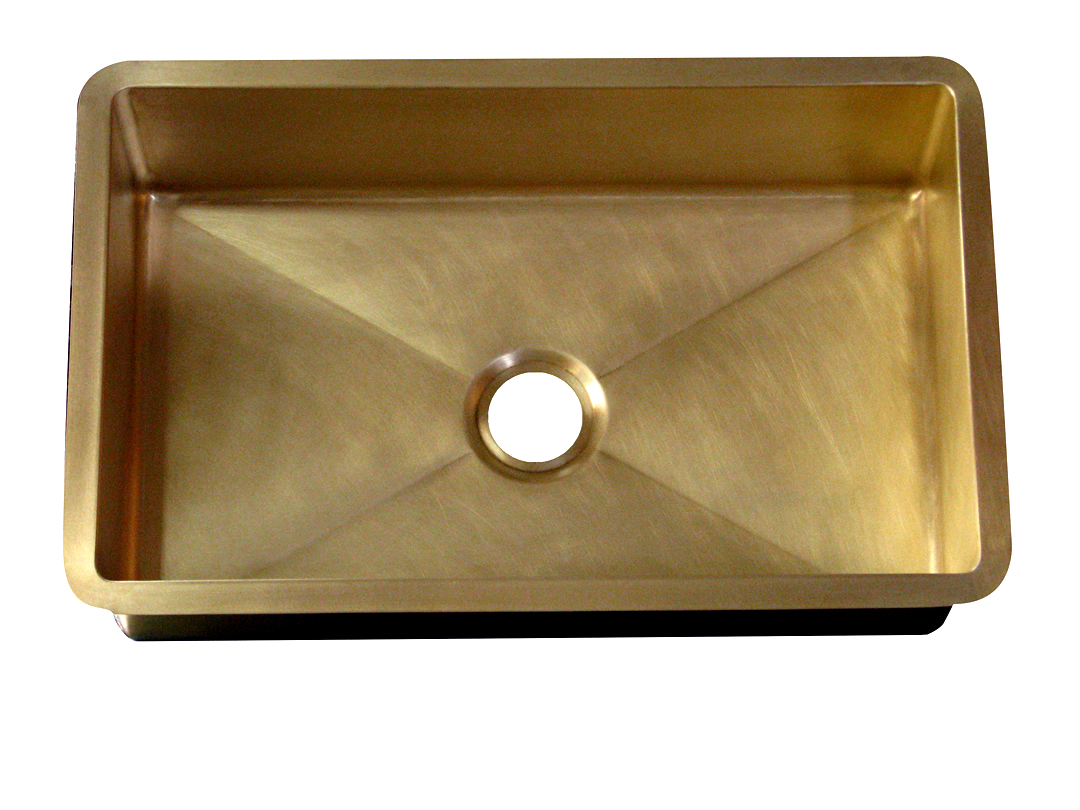
Can I use regular dish soap and cleaners on brass?
Yes, gentle dish soap works perfectly for daily cleaning. I avoid harsh chemicals, bleach, or abrasive cleaners. Natural options like lemon juice and baking soda are my go-to for deeper cleaning sessions.
What should I budget for a brass undermount sink installation?
Plan for both the sink cost and professional installation. My total investment was about $2,800 for a mid-range sink plus installation. Higher-end options can cost significantly more, but the labor costs remain fairly consistent.

Brass Tone Gold 16-Gauge Stainless Steel 30 in. Single Bowl Undermount Kitchen Sink
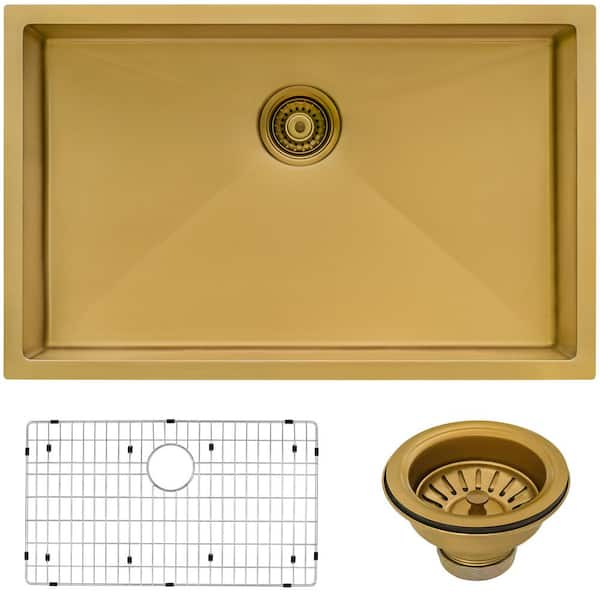
Brass Tone Gold 16-Gauge Stainless Steel 30 in. Single Bowl Undermount Kitchen Sink
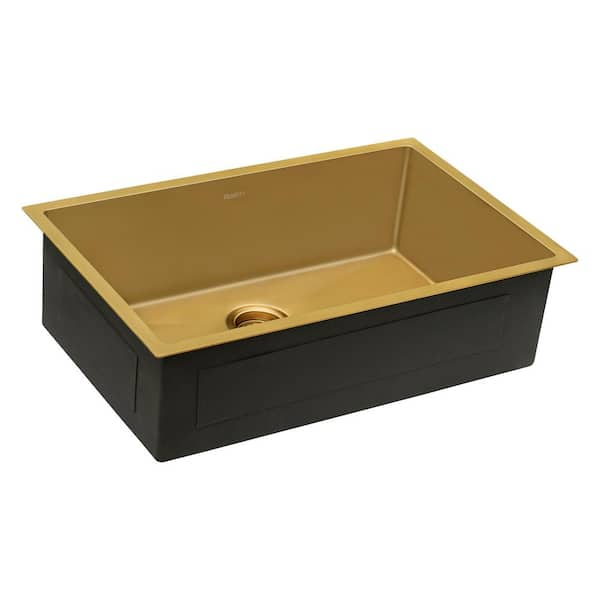
Whitehaus 30″ Stainless Steel Farmhouse Apron Sink Kit, Brass, WHNPL3020-B

Unlacquered Brass Kitchen Island Solid Undermount Brass Sink – Etsy
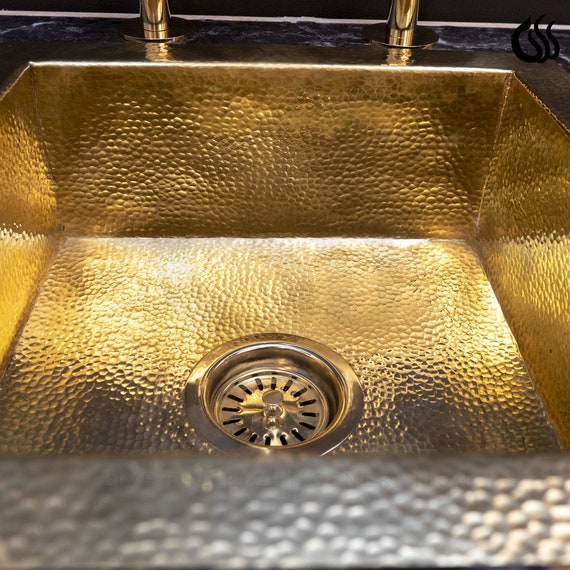
Rivage 33 x 20 Dual Basin, Undermount Kitchen Sink – Overstock
Related Posts: