Retro kitchen pendant lights bring personality and warmth to any kitchen, combining nostalgic design with modern lighting technology. These fixtures draw inspiration from various decades, including the sleek lines of mid-century modern, the bold colors of the 1950s, and the geometric patterns of the 1970s. Whether you’re creating a full period kitchen or simply adding a few vintage accents, pendant lights offer an effective way to introduce retro style. I’ve helped many homeowners select and install these fixtures, and I’ll share insights to help you choose pieces that provide both beautiful illumination and lasting appeal.
Understanding Retro Style Eras
Mid-century modern designs from the 1950s and 60s feature clean lines, organic curves, and minimalist forms. These lights often use materials like spun fiberglass, teak, and polished brass. I recently installed a Nelson-style bubble lamp that became the immediate focal point of a client’s kitchen. The simple yet sophisticated aesthetic works particularly well in contemporary homes where you want just a touch of vintage influence without overwhelming the space.
The Atomic Age brought more playful designs with starburst patterns, sputnik shapes, and bright colors. These lights make bold statements and work best as singular focal points. I often use them above kitchen islands where their dramatic forms can be fully appreciated. One client’s orange sputnik light transformed their otherwise neutral kitchen into a conversation-starting space. These designs pair well with retro appliances and colorful cabinetry for a cohesive look.
Industrial retro styles draw from early 20th-century factories and workshops, featuring metal shades, exposed bulbs, and simple utilitarian designs. These work well in loft spaces or kitchens with exposed brick or beams. I’ve used vintage-inspired factory pendants with enameled metal shades that provide excellent task lighting while adding character. Their straightforward design makes them versatile enough to mix with other styles rather than requiring full retro commitment.
Choosing the Right Size and Scale
Proper sizing ensures your pendant lights look intentional rather than awkward. For single pendants above sinks or small tables, I typically choose fixtures 12-18 inches in diameter. Multiple pendants over islands should be sized so their combined width is about two-thirds the island’s length. In one kitchen with a 6-foot island, we installed three 14-inch pendants with perfect proportion. Consider both the fixture size and the visual weight – a solid metal shade appears larger than an airy glass design.
Height placement affects both function and appearance. I hang pendants 30-36 inches above countertops, or 66-72 inches from the floor. For rooms with standard 8-foot ceilings, this usually means the bottom of the fixture sits around eye level. In kitchens with higher ceilings, you might adjust slightly higher, but maintain the same relationship to the work surface. One client’s beautiful pendant lights hung too high initially, making the space feel disconnected until we lowered them 6 inches.
Consider the relationship between multiple pendants. When installing several lights, I space them evenly, typically 24-30 inches apart, depending on the overall length. The spacing should feel balanced rather than crowded or sparse. For a recent galley kitchen, we used two larger pendants rather than three smaller ones to maintain clean sight lines. Always account for the chain or rod length in your calculations, as this affects how the lights fill the vertical space.

Material Choices and Finishes
Glass pendants offer timeless appeal with various period-appropriate options. Milk glass provides soft, diffused light popular in mid-century homes, while colored glass adds personality. I recently sourced amber glass globes for a 1970s-inspired kitchen that created warm, inviting illumination. Clear glass with visible filaments works well for industrial or Edison-style looks. The transparency of clear glass also helps maintain sightlines in smaller kitchens.
Metal finishes significantly impact the overall style. Polished brass and chrome recall 1950s diners, while oil-rubbed bronze suits earlier decades. I’m seeing renewed interest in brushed brass and matte black for contemporary retro mixes. In my own kitchen, I combined brass pendants with stainless steel appliances for an interesting contrast. Consider how the finish will coordinate with your cabinet hardware, faucets, and other metal elements for a cohesive look.
Mixed materials create depth and interest. Many retro designs combine metal with wood, glass, or even plastic elements. I installed rattan-shaded pendants in a beach house kitchen that provided both retro flair and coastal warmth. For a more dramatic effect, consider fixtures with unusual material combinations like perforated metal with colored glass inserts. These unique pieces often become the kitchen’s most memorable feature while still providing functional lighting.
Incorporating Color and Pattern
Colorful pendants instantly inject personality into neutral kitchens. I’ve used everything from pastel pink to avocado green, depending on the homeowner’s style. If you’re hesitant about bold color, consider a neutral fixture with colored cords or small colorful details. One client’s white pendant with a bright yellow cord added just enough pop without overwhelming their traditional kitchen. Remember that colored glass casts tinted light, which can affect how food and surfaces appear.
Patterned shades create visual interest through light and shadow. Perforated metal designs project beautiful patterns on ceilings and walls when illuminated. I recently installed a starburst-patterned metal shade that transformed plain walls into a dynamic display after dark. Stained glass or patterned glass pendants work similarly, creating colorful patterns throughout the space. These work particularly well in kitchens with simple cabinetry where you want to add complexity through lighting.
Consider how color and pattern work with your existing elements. A multicolored pendant might pick up tones from your backsplash or countertops. I often bring samples of these materials when shopping for lights to ensure harmony. For kitchens with busy patterns elsewhere, a solid-colored fixture might provide better balance. One client’s vibrant Moroccan tile backsplash needed a simple white pendant to prevent visual competition, while another’s plain subway tile welcomed a patterned glass shade.

Practical Considerations for Installation
Electrical requirements should be addressed early in your planning. Many retro-style pendants use standard bulbs, but some require specific types like candelabra bases or vintage-style filaments. I always check the fixture specifications before purchase to ensure compatibility with your existing wiring and bulbs. For older homes, I recommend having an electrician assess your wiring capacity, especially if installing multiple fixtures on one circuit.
Dimmer compatibility enhances both ambiance and functionality. Most retro kitchens benefit from adjustable lighting that can transition from bright task lighting to soft evening ambiance. I install dimmer switches for nearly all pendant light installations, ensuring they work with the specific bulb types. Some LED retro-style bulbs require compatible dimmers, so I verify this combination during selection. The ability to adjust light levels makes your pendants more useful throughout the day.
Think about cleaning and maintenance requirements. Glass globes accumulate cooking residue over time and need regular cleaning. I prefer pendants with easily removable shades for simple maintenance. For higher ceilings, consider pulley systems that lower fixtures for bulb changes and cleaning. One client’s beautiful but intricate pendant required professional cleaning every few months – a factor worth considering during selection. Choose designs that match your willingness to perform upkeep.
Styling and Layering with Other Lighting
Pendant lights work best as part of a layered lighting plan. I typically combine them with under-cabinet lighting for task areas and recessed or track lighting for general illumination. In one kitchen, we used vintage-style pendants over the island supplemented by hidden LED strips beneath cabinets. This approach provides both aesthetic appeal and practical lighting where needed. The pendants become the visual stars while the other lights handle functional illumination.
Consider sight lines and visual balance when placing multiple fixtures. I often sketch the kitchen layout to visualize how pendants will relate to other elements. In open-plan spaces, pendant lights can help define the kitchen area while complementing lighting in adjacent rooms. One client’s mid-century pendants echoed the shapes of their dining room chandelier without matching exactly, creating cohesion while allowing each space its own identity.
Use pendant lighting to highlight specific areas or features. A colorful retro pendant above the sink draws attention to a beautiful window view, while coordinated fixtures over an island emphasize this gathering spot. I recently installed matching but differently colored pendants in a kitchen to create rhythm without monotony. The strategic placement helps guide movement through the space while showcasing the best features of both the lighting and the kitchen itself.

Can I mix retro pendant lights with modern kitchen elements?
Absolutely, and this approach often creates the most interesting spaces. I frequently combine retro pendants with contemporary cabinets and countertops for a curated look that avoids being theme-like. The key is finding common elements – perhaps a mid-century light with clean lines that echoes your modern cabinets’ simplicity, or a color in the fixture that appears elsewhere in the kitchen. I recently paired a 1950s-style red pendant with sleek white cabinets and stainless steel appliances for a client who wanted personality without full retro commitment. The mix feels intentional rather than random when you create visual connections between elements.
How many pendant lights should I hang over my kitchen island?
The number depends on your island’s length and the pendant size. For standard 6-8 foot islands, I typically install two or three pendants. With two pendants, I space them about 30 inches apart, centered on the island. For three pendants, I space them evenly along the island’s length. The fixtures should feel balanced without crowding the space – you want adequate light but also clear sightlines across the island. In a recent project with a 9-foot island, we used three larger-scale pendants that provided both ample lighting and appropriate visual scale. Always consider the practical need for task lighting versus the aesthetic appeal of the arrangement.

Are retro-style pendant lights energy efficient?
Many now accommodate LED bulbs, providing vintage style with modern efficiency. I look for fixtures that take standard E26 base bulbs, as these offer the widest selection of efficient LED options. Some retro designs come with integrated LEDs that last for years while providing warm, inviting light similar to vintage incandescents. The efficiency varies by fixture, so I always check the specifications before purchasing. One client’s beautiful 1950s-style pendant uses only 15 watts per bulb while providing plenty of light for their island workspace. You can enjoy retro aesthetics without high energy costs by selecting the right bulb technology.
What’s the best way to clean and maintain retro pendant lights?
Cleaning methods depend on the materials. For glass shades, I use a solution of vinegar and water with a soft cloth, avoiding abrasive cleaners that could scratch surfaces. Metal fixtures typically need only dusting and occasional polishing with an appropriate metal cleaner. For more delicate materials like rattan or paper, careful dusting with a soft brush works best. I recommend turning off and cooling the lights before cleaning, and always following manufacturer instructions. Establishing a regular cleaning schedule prevents buildup that becomes harder to remove over time. For hard-to-reach fixtures, I use an extendable duster designed for light fixtures.
How do I choose between authentic vintage and reproduction pendant lights?
Authentic vintage lights offer character and history but may require rewiring and lack modern safety certifications. Reproduction pieces provide retro style with updated electrical components and often better availability. I consider the client’s budget, timeline, and tolerance for potential issues when making this recommendation. Authentic vintage works well for collectors who appreciate patina and don’t mind potential maintenance, while reproductions suit those wanting worry-free operation. I recently helped a client find a 1960s original that we had professionally rewired, while another preferred a high-quality reproduction with integrated LED technology. Both approaches can yield beautiful results with different considerations.
Can I install retro pendant lights in a kitchen with low ceilings?
Yes, with careful selection. For ceilings under 8 feet, I choose flush-mounted or semi-flush fixtures that don’t hang too low. Alternatively, select pendants with shorter cords or adjustable hanging lengths. I recently installed a series of disc-shaped mid-century lights in a kitchen with 7-foot ceilings that provided the retro look without compromising headroom. Another option uses smaller-scale pendants in clusters rather than large single fixtures. The goal is to maintain the retro aesthetic while ensuring practical clearance for daily activities. I always measure the space carefully and sometimes create cardboard mockups to visualize the proportion before installation.
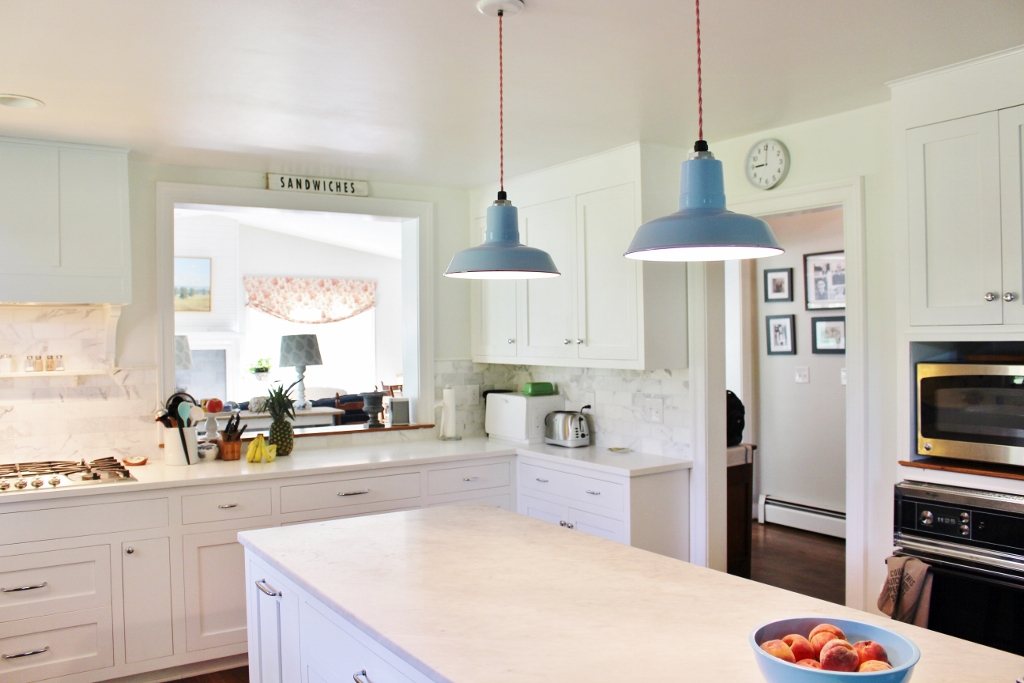
Retro Glass Pendant Lights LED Kitchen Lights LED Lamp Hanging
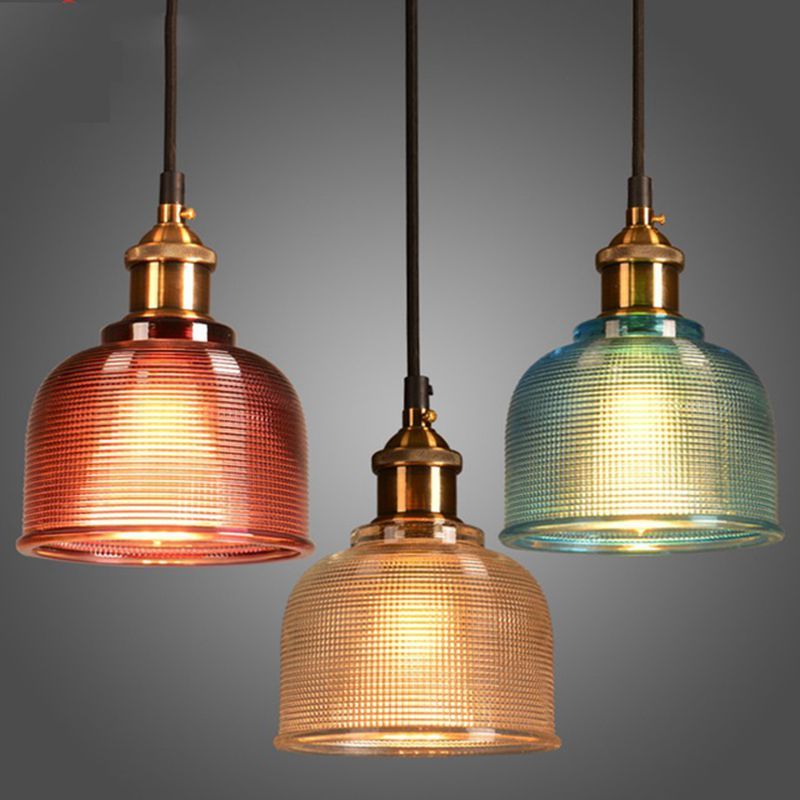
Unique Kitchen Pendant Lights You Can Buy Right Now

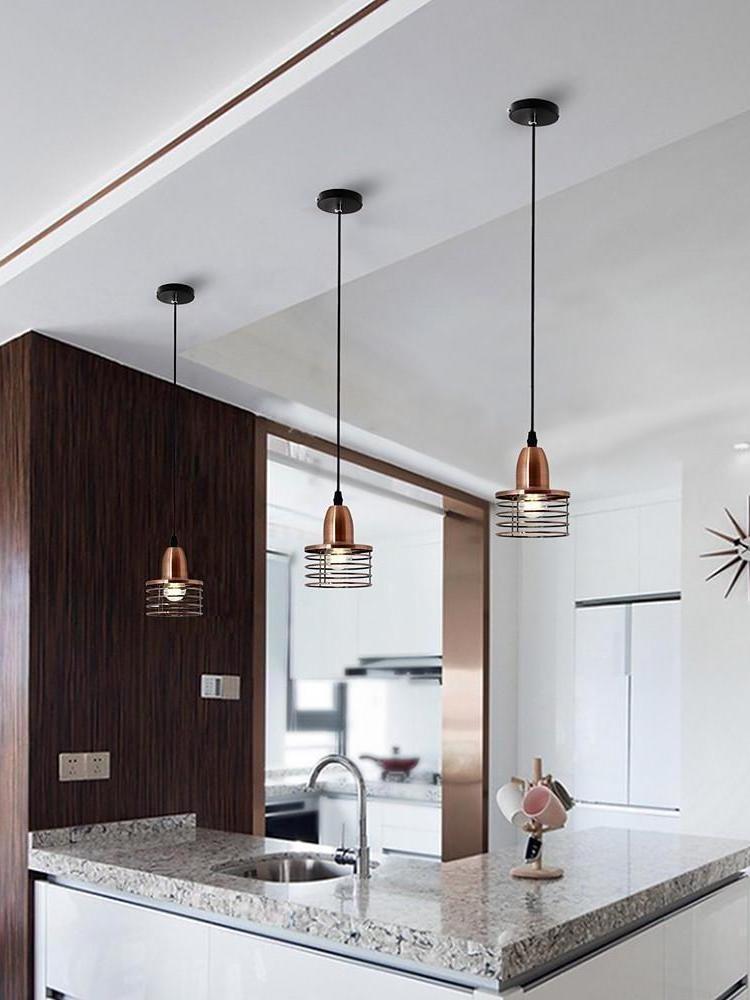
Retro mini kitchen pendant lighting black cage hanging lights
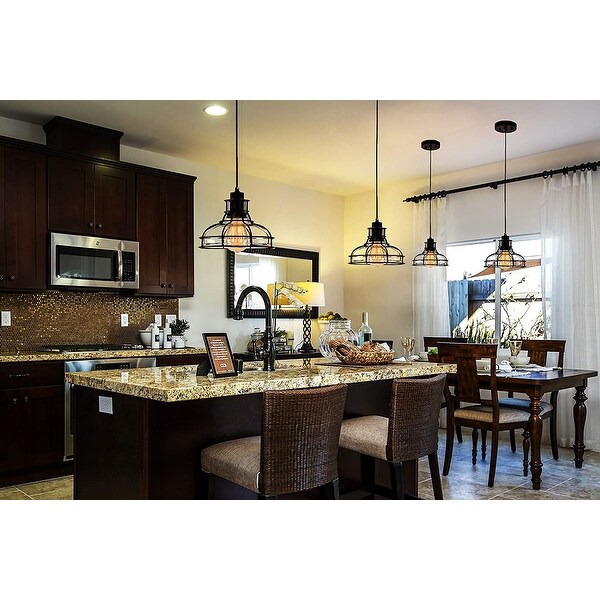
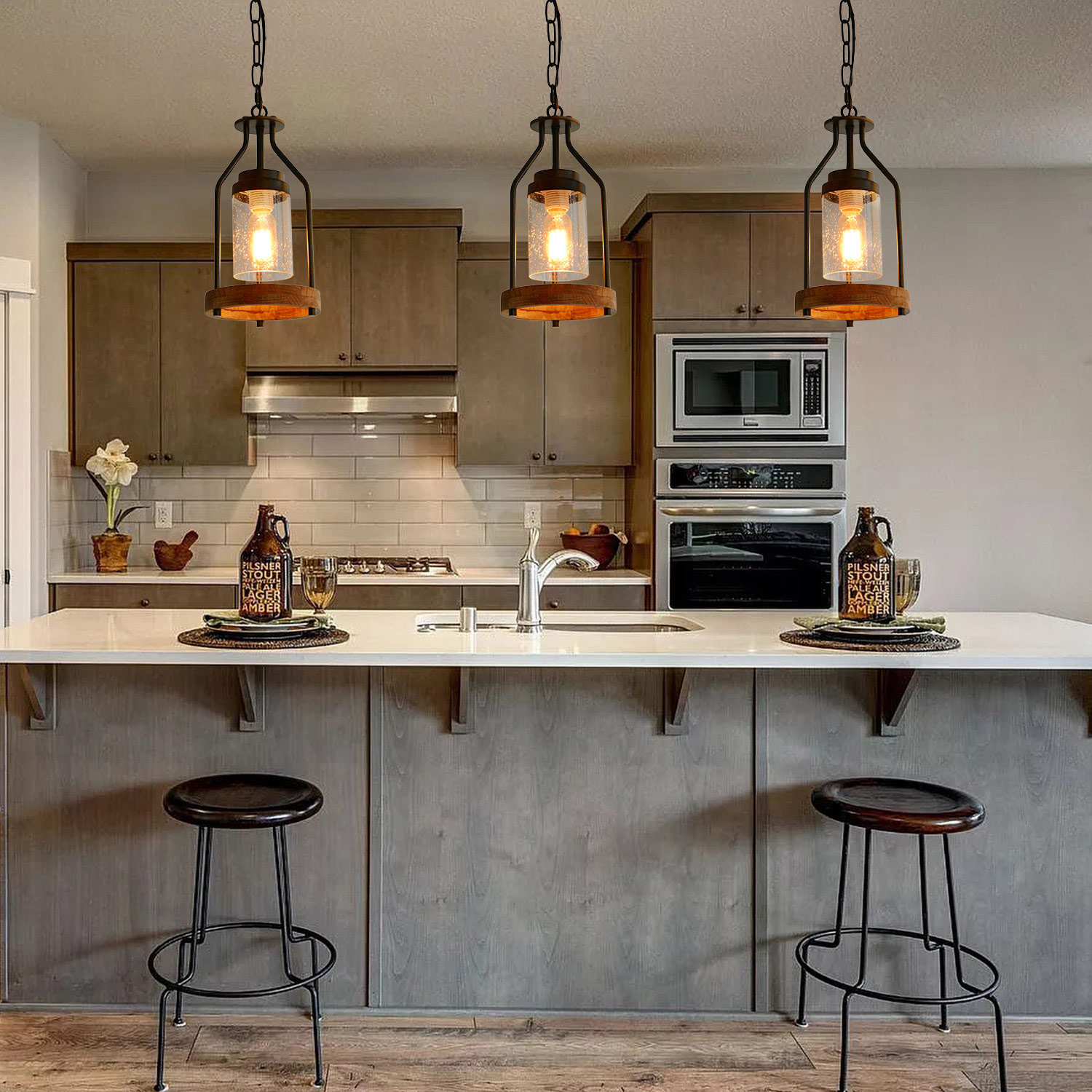
Rustic Pendant Lighting for Kitchen Island, Retro Vintage Pendant Light Fixture with Metal Cage Shade, Mini Hanging Pendant Lights Adjustable for
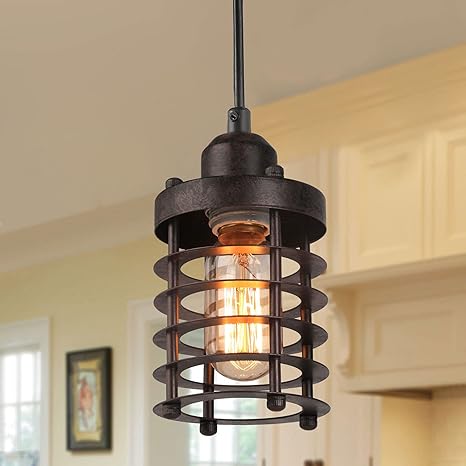
Nordic Modern Pendant Lights Kitchen Lamp Vintage Loft Ceiling Kitchen Island Hanglamp Dining Room Rope Hanging Light Fixture
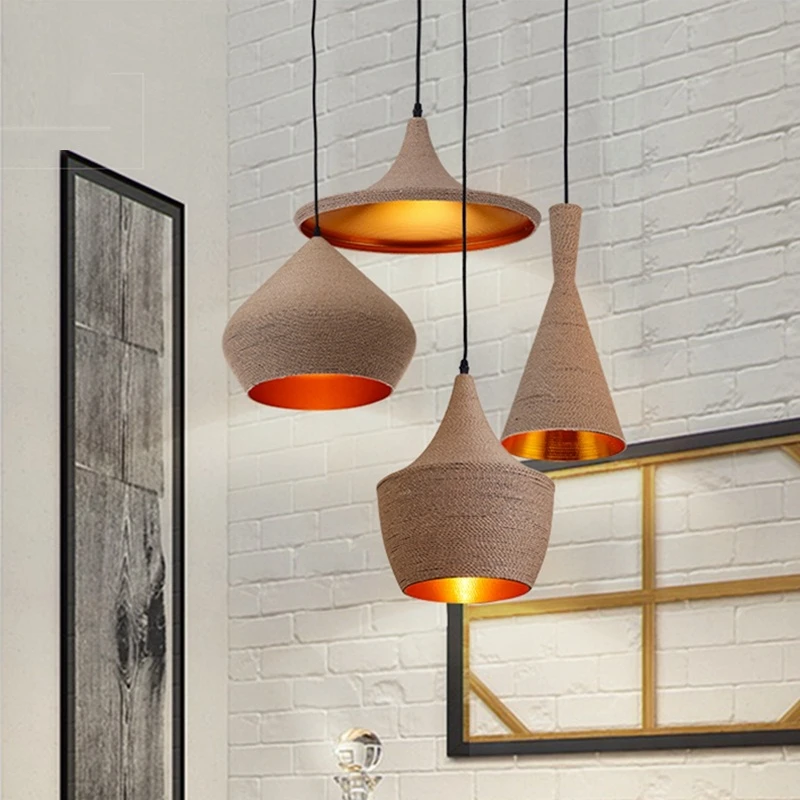
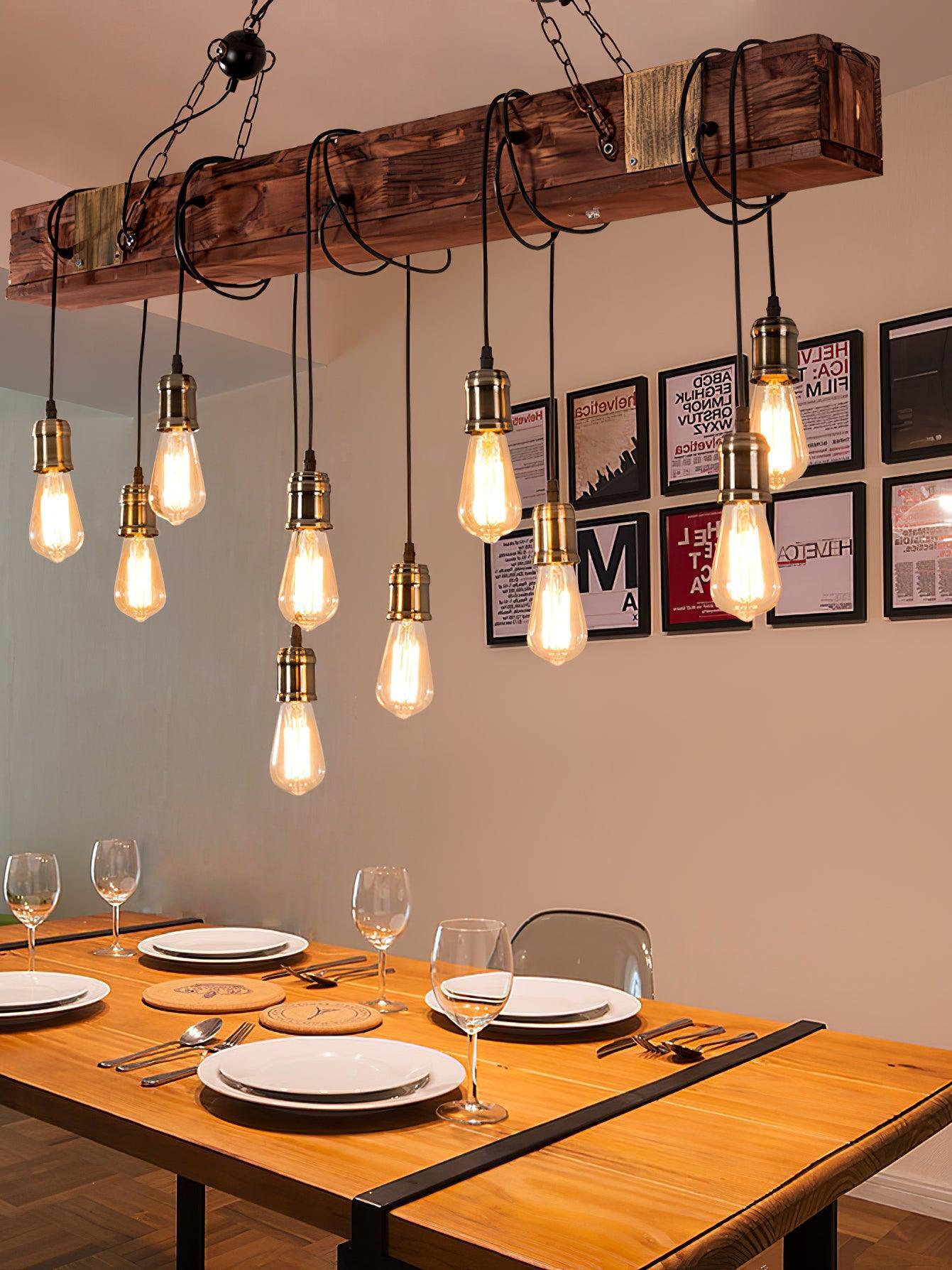
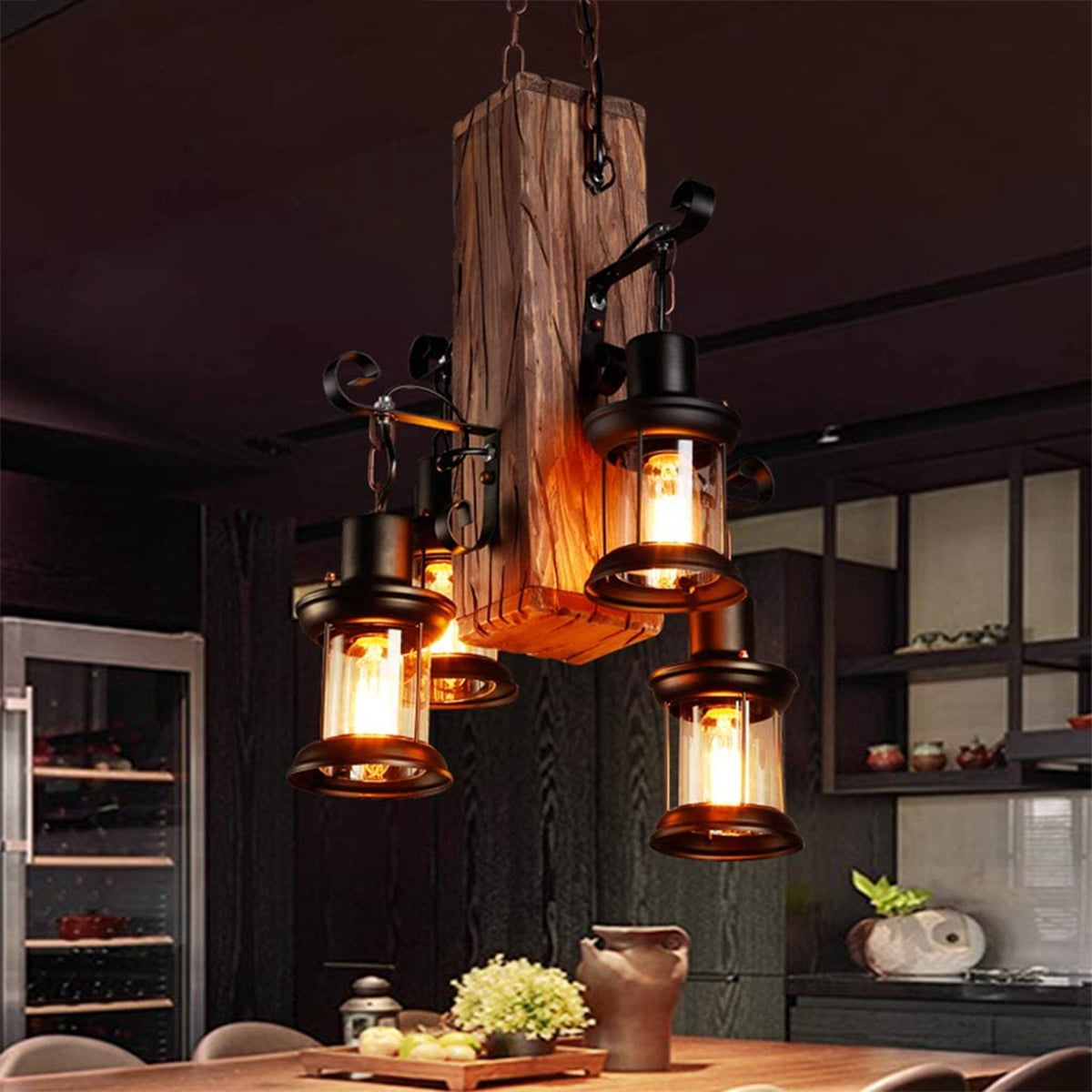
SINGES 4-Light Industrial Wood Chandelier Rustic Farmhouse Style Hanging Pendant Lights Ceiling Lighting Fixtures for Dining Room Kitchen Island
Related Posts:
- Tuscan Kitchen Light Fixtures
- Cottage Kitchen Lighting Ideas
- Country Kitchen Lighting Ideas
- Retro Kitchen Pendant Lights
- Rustic Industrial Kitchen Lighting
- Vintage Kitchen Light Fixtures
- Farmhouse Style Lighting For Kitchen
- Contemporary Kitchen Lighting Design
- Kitchen Bench Pendant Lights
- Kitchen Vanity Lights