When I renovated my cottage kitchen last year, I underestimated how much lighting would impact the entire space. I’d focused so much on cabinets, countertops, and that perfect farmhouse sink that lighting felt like an afterthought. What a mistake that almost was. I quickly learned that cottage style demands a specific approach to lighting, one that balances practical task illumination with the soft, welcoming glow that defines cozy cottage living. After researching extensively and living with my choices for over a year, I’ve discovered which lighting decisions created magic and which ones I’d change. Let me walk you through everything I learned about lighting a cottage kitchen so yours can shine with warmth and character.
Layering Different Light Sources for Function and Ambiance
I initially thought one overhead fixture would suffice, but layering multiple light sources transformed my kitchen from flat to dimensional. Ambient lighting provides overall illumination, task lighting handles work areas, and accent lighting adds depth and mood. I installed all three types, and the difference feels like moving from a basic kitchen to a professionally designed space. Each layer serves distinct purposes while working together to create the flexible lighting cottage kitchens need.
My ambient lighting comes from a statement pendant over my small dining table and recessed lights around the perimeter. These provide general illumination that makes the whole space usable and safe. I put everything on dimmers, which was one of my smartest decisions. Bright light works for cooking big meals, while dimmed ambiance creates intimate dinner settings. The flexibility lets my kitchen adapt to different moods and times of day without changing fixtures.
Task and accent lighting completed my layered approach in ways I hadn’t anticipated. Under-cabinet LED strips illuminate my counters for food prep, making chopping vegetables safe and precise. I added a vintage-style sconce near my cookbook shelf that provides reading light while contributing to the cottage aesthetic. A small lamp on my counter brings warmth to morning coffee routines. These varied sources create depth and prevent the harsh, flat lighting that makes spaces feel institutional rather than homey and inviting.
Choosing Pendant Lights That Define Cottage Character
Selecting the right pendant became my favorite part of the lighting process. I hung a large glass dome pendant with seeded glass over my eating area, and it instantly became the kitchen’s focal point. The seeded glass diffuses light beautifully while maintaining that handcrafted, imperfect quality essential to cottage charm. Clear glass would have felt too modern and stark, while the textured glass creates gentle, flattering illumination that makes everyone look good gathered around the table.
I considered multiple pendant styles before committing to my choice. Wire cage pendants with Edison bulbs felt too industrial for my softer cottage aesthetic. Ceramic or pottery pendants offered beautiful artisanal appeal but felt heavy visually in my modest kitchen. Enamel farmhouse shades almost won, and they’d work beautifully in kitchens with more rustic or country leanings. I chose glass specifically because it doesn’t block sightlines in my compact space while still providing substantial presence.
The size and scale of pendant lighting matter tremendously in cottage kitchens. I measured carefully, ensuring my pendant was large enough to make an impact without overwhelming the space or hanging too low. The bottom of my fixture hangs 30 inches above the table surface, providing clearance for centerpieces while keeping light focused where we need it. I’ve seen gorgeous pendants ruin spaces by being too small and insignificant or too large and imposing. Take time to get proportions right.
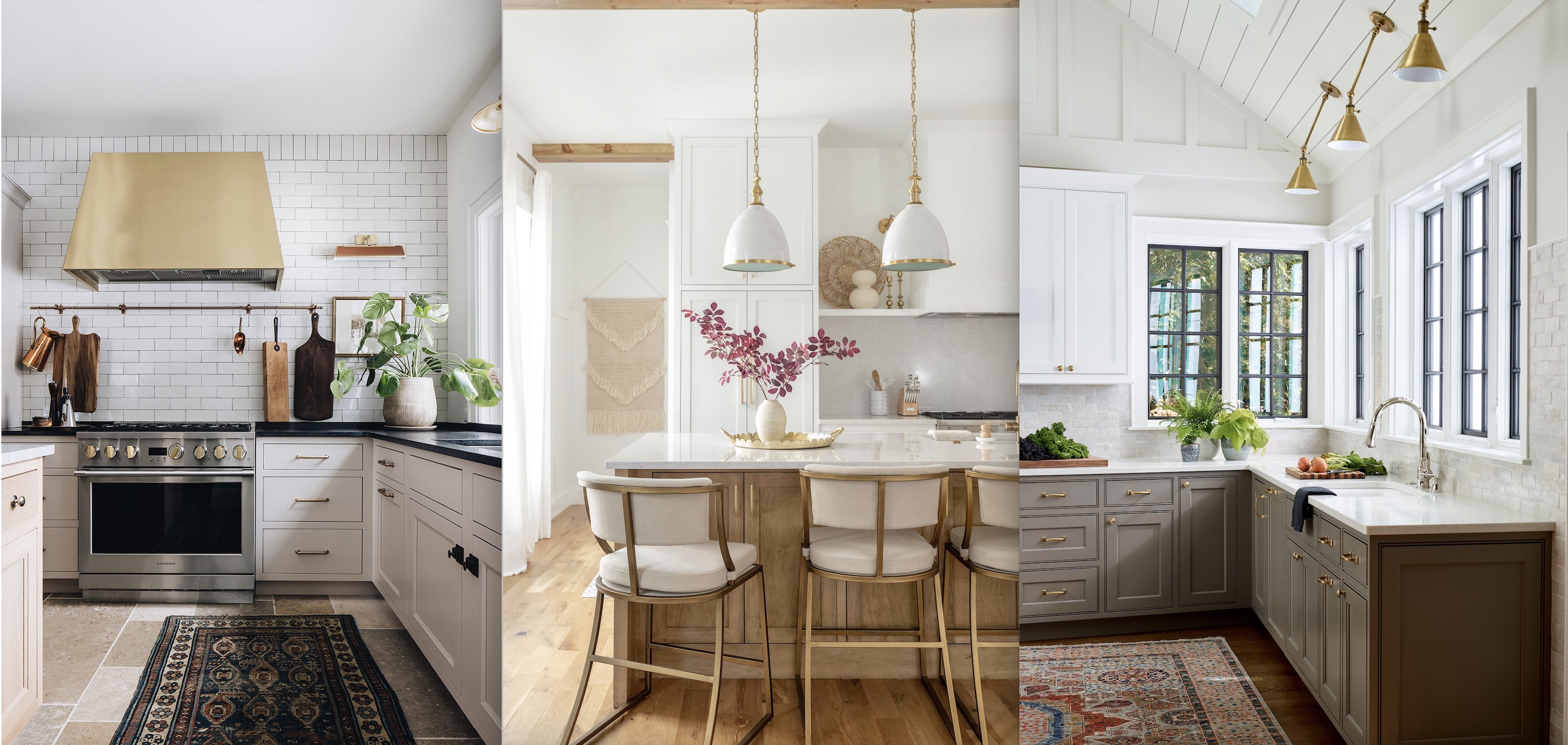
Incorporating Vintage and Reproduction Fixtures
I fell in love with authentic vintage lighting but struggled with the reality of using truly old fixtures. I found a stunning 1940s milk glass fixture at an antique shop that needed complete rewiring. The cost of making it safe and up to code nearly equaled buying reproduction pieces. I ultimately mixed one rewired vintage sconce with several high-quality reproductions that capture cottage charm without the electrical headaches or safety concerns of genuinely old lighting.
Reproduction fixtures have improved dramatically in recent quality and authenticity. I found pendant lights and sconces that perfectly mimic vintage designs using modern LED technology and safety standards. The brass finishes show appropriate patina, the glass has period-appropriate shapes, and the overall construction feels substantial rather than cheap. Nobody can tell my reproductions aren’t genuine antiques unless they inspect the UL listing labels closely. The cost savings and peace of mind made reproductions the practical choice.
I learned to spot quality reproductions by examining details carefully. Good reproductions use metal rather than plastic components, have weight and substance, and feature finishes that look naturally aged rather than artificially distressed. I touched and compared many options before buying. The cheapest reproductions looked obviously fake with shiny, perfect finishes and lightweight construction. Investing slightly more in mid-range reproductions gave me authentic cottage character without authentic vintage prices or problems. Online reviews from actual buyers helped me separate quality from marketing hype.
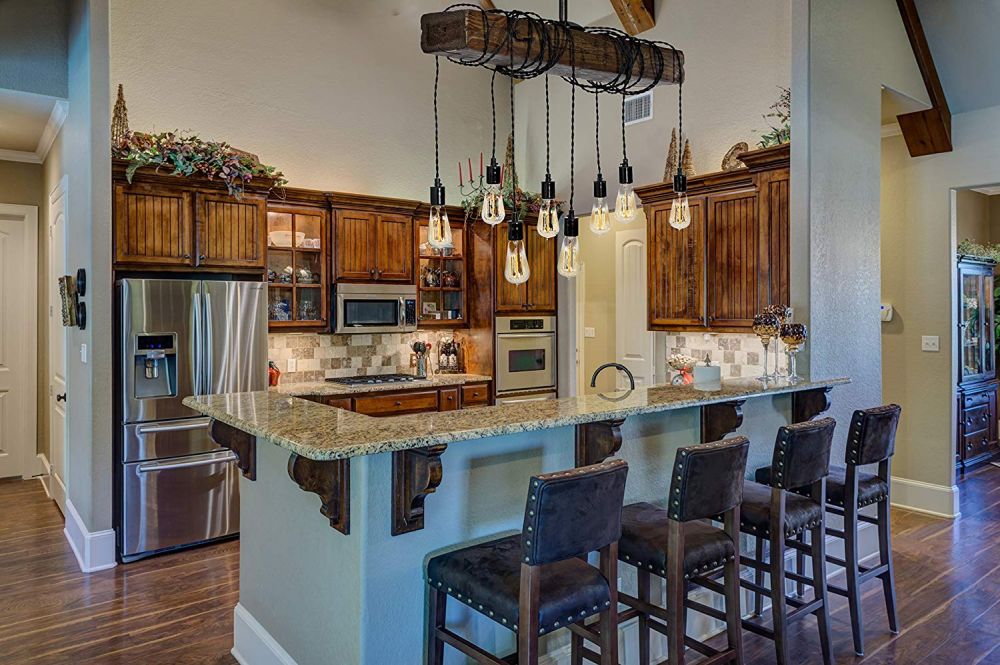
Maximizing Natural Light and Window Treatments
Natural light became my priority because nothing creates cottage warmth like sunshine streaming through windows. I removed heavy curtains that the previous owners had installed, instantly brightening the space. I replaced them with simple white café curtains on the lower half of my window, maintaining privacy while allowing light to flood in from above. The difference felt transformative, like adding square footage without construction. Natural light makes my small kitchen feel spacious and cheerful throughout the day.
I chose sheer, lightweight fabrics that filter rather than block light. Linen curtains with subtle texture add softness and cottage appeal while preserving precious natural illumination. I avoided anything heavy, dark, or overly decorated that would fight the simple, airy feeling cottage style demands. The curtains move gently with breezes from open windows, adding life and movement. During evening hours when I want more privacy, I have simple roll-down shades in natural woven materials that disappear visually during the day.
Reflective surfaces strategically placed help bounce natural light deeper into the space. I positioned a large mirror on the wall opposite my window, effectively doubling the light. My white subway tile backsplash reflects light beautifully, and I chose light-colored counters partly for their brightening effect. Glass-front cabinet doors allow light to penetrate usually dark storage areas. Every decision considered how to maximize and distribute the natural light that makes cottage kitchens feel alive and welcoming rather than cave-like and dreary.
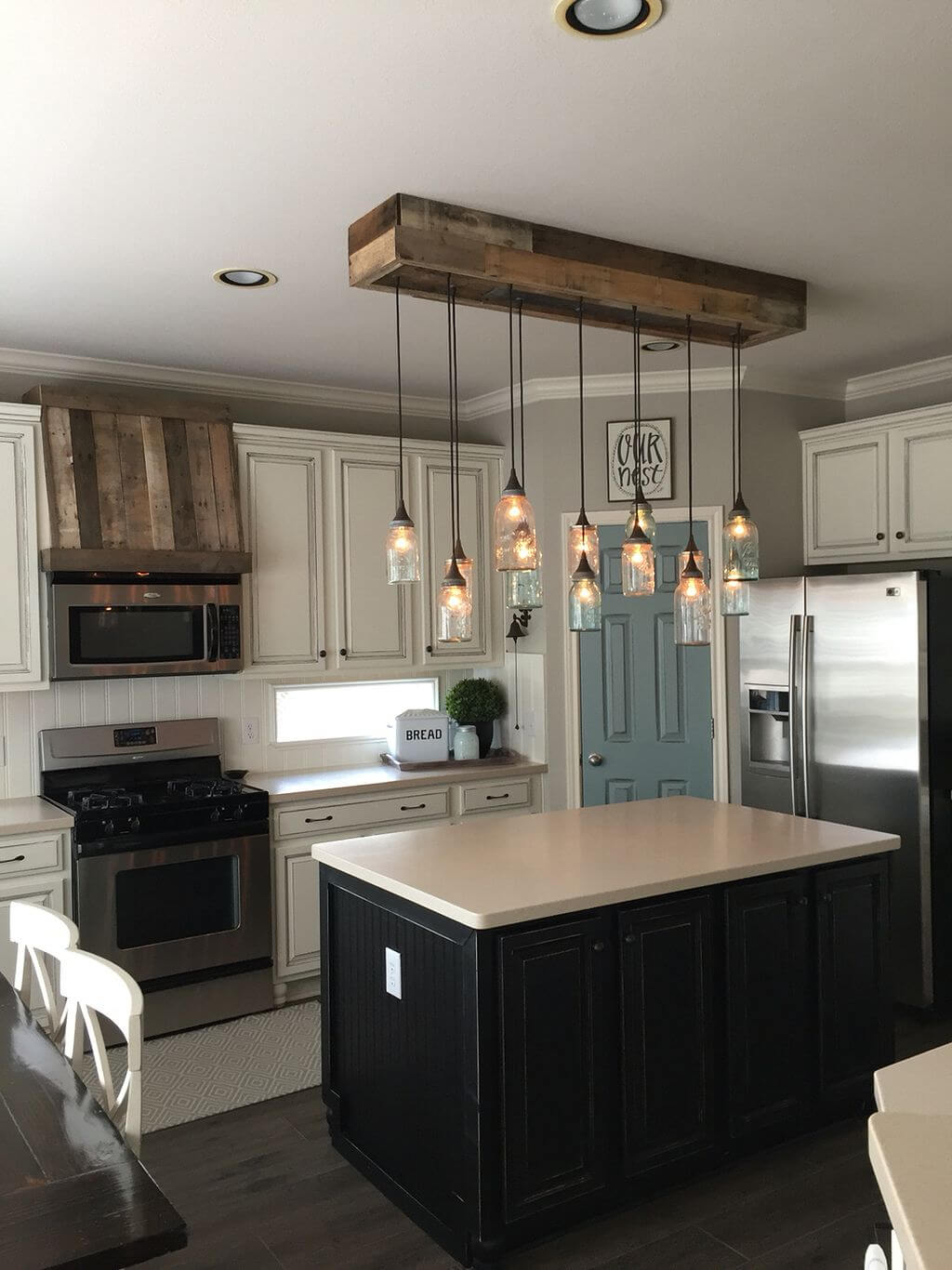
Selecting Appropriate Bulb Color and Brightness
Bulb selection confused me initially, with so many options claiming different benefits. I learned that color temperature, measured in Kelvin, dramatically affects cottage ambiance. Cool white bulbs at 4000K or higher feel harsh and clinical, completely wrong for cottage warmth. I chose warm white bulbs at 2700-3000K that create the soft, golden glow essential to cozy cottage living. This single decision influenced the entire feel of my kitchen more than I’d imagined possible.
Brightness levels require balancing adequate illumination with comfortable ambiance. I installed higher-wattage bulbs in task lighting where I need to see clearly for cooking and cleaning. Ambient and accent fixtures use lower wattages that provide enough light without harshness. Dimmers gave me ultimate control, letting me adjust brightness for different activities and times of day. Cooking Thanksgiving dinner demands different lighting than enjoying morning coffee, and dimmers accommodate both needs beautifully with one system.
I switched almost entirely to LED bulbs despite initially resisting the technology. Modern LEDs in warm color temperatures have overcome the cold, sterile light of early versions. They last longer than incandescents, use minimal electricity, and generate almost no heat. The energy savings pay for the higher upfront cost quickly. I can leave my under-cabinet lighting on all evening without guilt or noticeably affecting my electric bill. The combination of warm-toned LEDs with cottage-style fixtures gives me the best of both traditional aesthetics and modern efficiency.
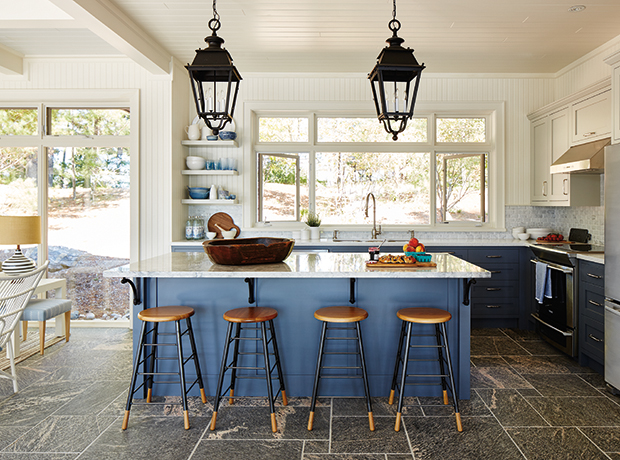
Adding Decorative Touch with Candles and Alternative Lighting
Candles became unexpected stars in my cottage kitchen lighting scheme. I keep a collection of pillar candles in varying heights on a wooden tray near my eating area. Lighting them for dinner creates instant intimacy and romance that no electric fixture can match. The flickering, living quality of candlelight adds warmth and movement that makes meals feel special. I use unscented candles to avoid competing with food aromas, letting dinner’s natural smells shine.
Battery-operated candles solved my safety concerns while maintaining cottage charm. I use them inside glass hurricanes on open shelving and in my glass-front cabinets for an ambient glow without fire risk. Modern battery candles with realistic flicker and warm LED color look surprisingly authentic from a few feet away. They let me enjoy candlelight ambiance even when I’m distracted with cooking and can’t monitor real flames. I also don’t worry about my curious cat knocking over open flames.
String lights added unexpected cottage magic to my kitchen. I wove battery-operated fairy lights through a garland on top of my cabinets, creating a soft glow that makes the space feel enchanted during evening hours. These aren’t my primary lighting, but they add whimsy and warmth that define cottage charm. I keep them simple and understated, avoiding anything too trendy or overly decorated. The tiny points of light create depth and interest without overwhelming the space or looking juvenile. They’re especially magical during winter evenings and holiday seasons.

How bright should cottage kitchen lighting be?
I aim for 50-75 lumens per square foot for general lighting in my 120 square foot kitchen, totaling 6,000-9,000 lumens. Task lighting adds another 75-100 lumens per square foot over work areas. This provides adequate visibility without harsh brightness. Dimmers let me adjust for different activities. Cottage kitchens should feel bright enough for safe cooking but never harsh or clinical like commercial spaces.
What’s the best finish for cottage light fixtures?
I chose aged brass and oil-rubbed bronze finishes that look authentically vintage without being too shiny or new. Brushed nickel works for slightly more modern cottage styles. White or cream painted metal feels appropriately cottage, especially for farmhouse-leaning aesthetics. Avoid ultra-shiny chrome or polished finishes that read too contemporary. The finish should look gently worn and patinated rather than fresh from the factory.
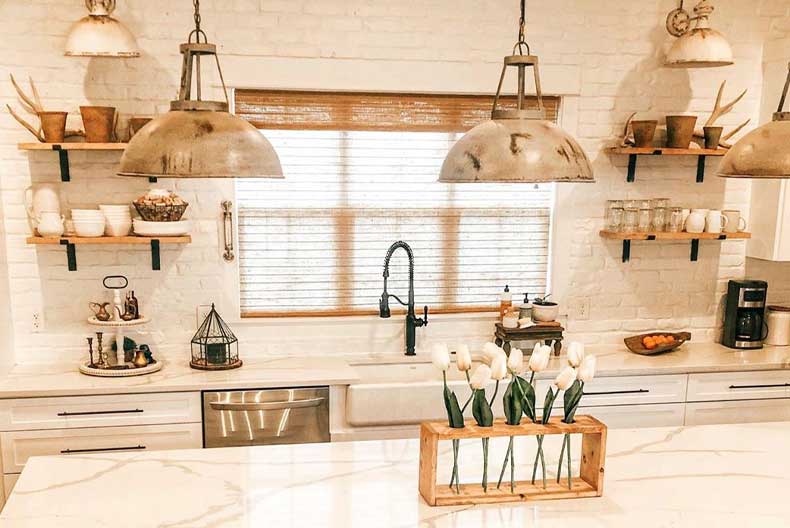
Should all my kitchen light fixtures match?
Mine don’t match exactly, and that collected-over-time look feels more authentically cottage. I kept a cohesive feeling through similar finishes and style periods rather than identical fixtures. My pendant, sconces, and under-cabinet lighting share warm metal tones and vintage-inspired designs, but aren’t matching sets. This approach creates interesting layers while maintaining harmony. Too-perfect matching can feel staged rather than naturally evolved.
How can I add cottage lighting on a tight budget?
I saved money by mixing one or two statement pieces with simpler, budget-friendly options. Thrift stores and online marketplaces offer vintage fixtures needing minor cleaning. Reproduction fixtures from big-box stores have improved dramatically in quality recently. I did some installation myself where safe, hiring electricians only for complex wiring. Battery-operated solutions like LED candles and string lights add ambiance cheaply without electrical work.

What’s the ideal height for hanging kitchen pendants?
I hung my pendant 30-36 inches above my table surface, which provides good light distribution while maintaining clearance for centerpieces and conversations. Over kitchen islands, 30-40 inches above the counter works well. Taller people might prefer a slightly higher placement. The key is ensuring the fixture doesn’t block sightlines while keeping light focused where it’s needed. I tested the height before permanent installation using a temporary hanging.
How do I make my cottage kitchen lighting feel cohesive?
I unified my lighting through consistent warm bulb color temperature across all fixtures at 2700K. Similar metal finishes in aged brass created a visual connection between different fixture styles. I avoided mixing too many different design periods, keeping everything in a vintage-inspired cottage aesthetic. Dimmers on multiple circuits let me control the ambiance consistently. The layered approach with ambient, task, and accent lighting working together created the cohesive, well-planned feel I wanted.

Farmhouse Kitchen Lighting Ideas · Chatfield Court
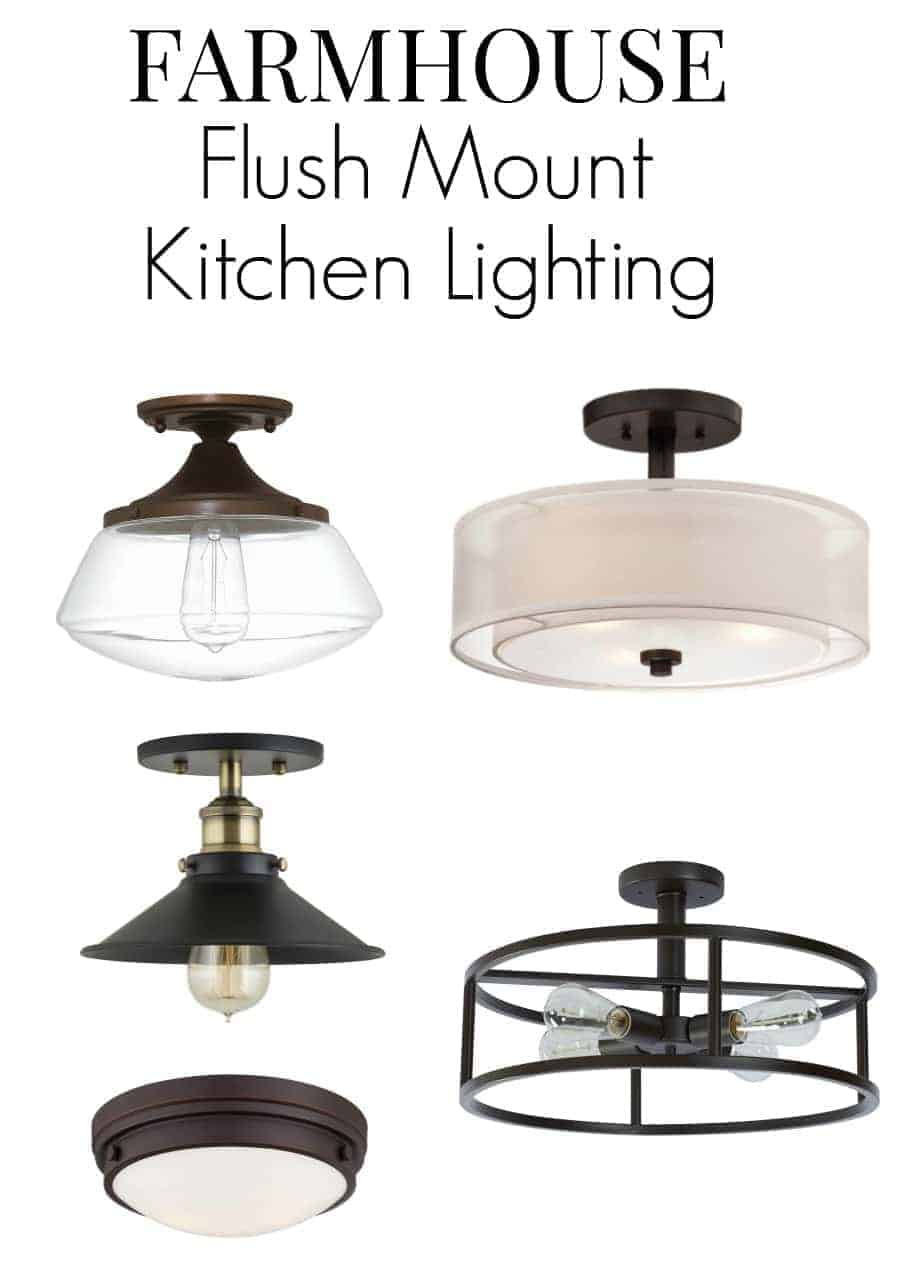
Best Kitchen Lighting Ideas – Stylish Kitchen Light Fixtures
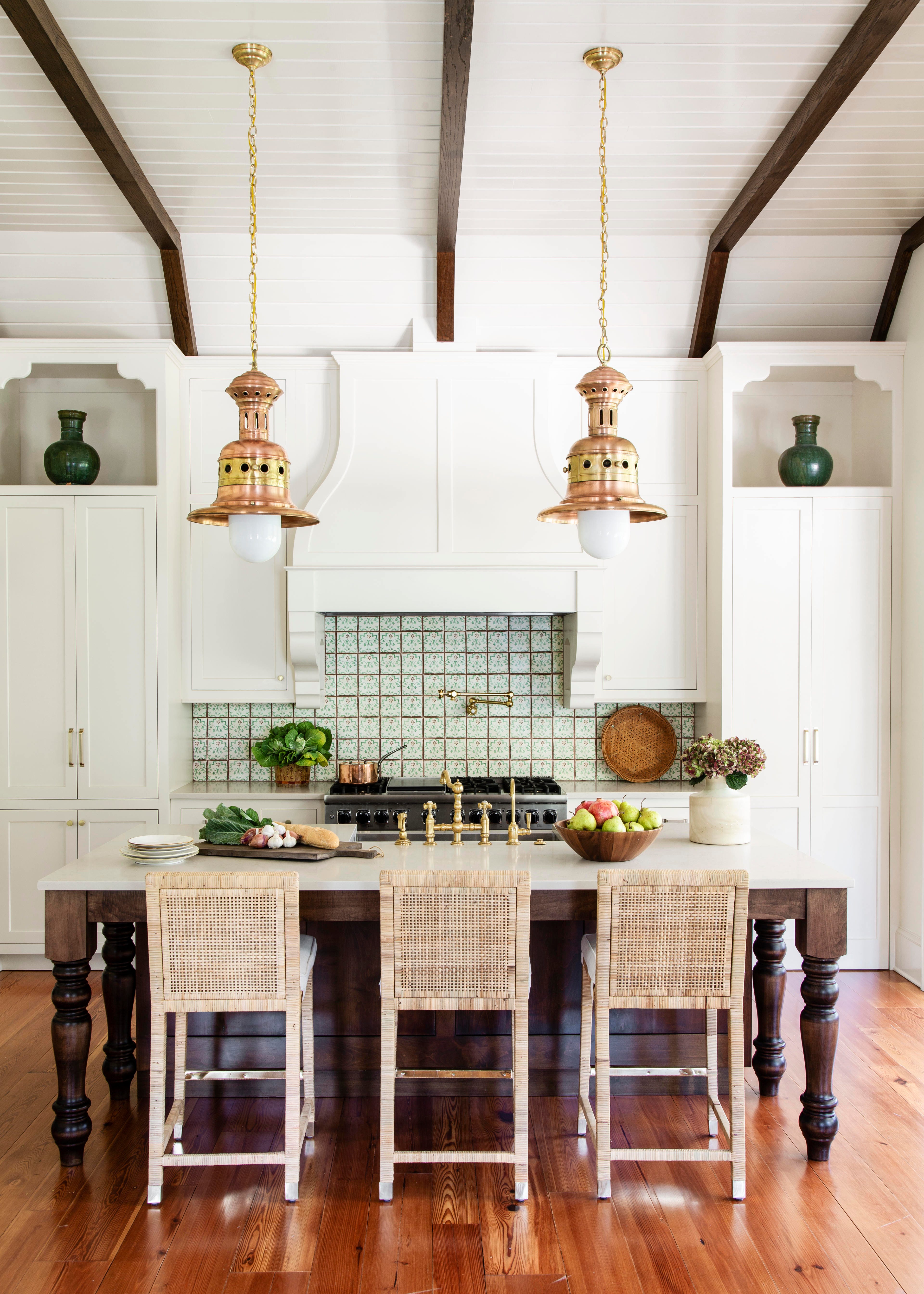
Best Farmhouse Lighting Ideas and Designs
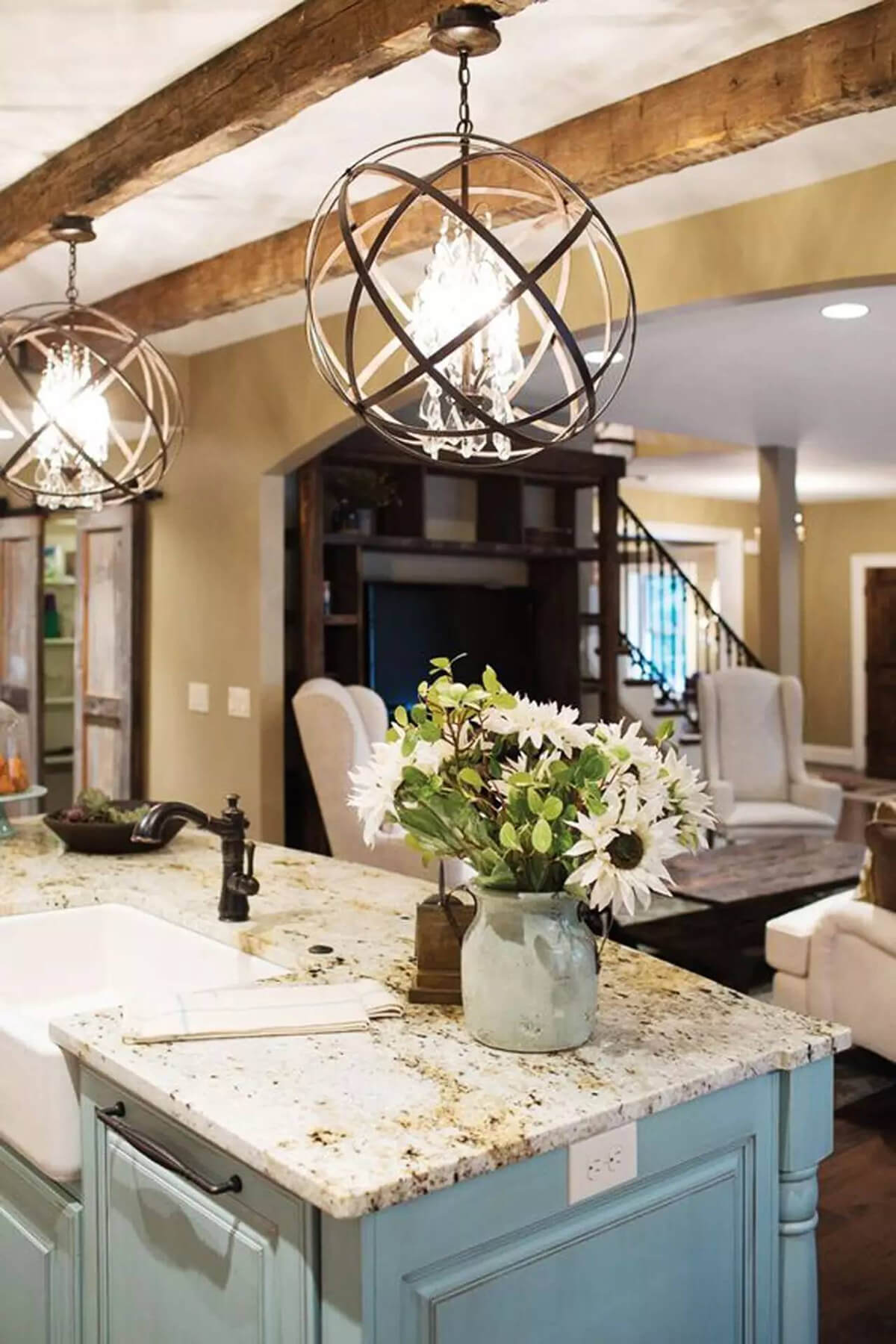
Farmhouse Lighting Ideas For Warm And Homely Decors
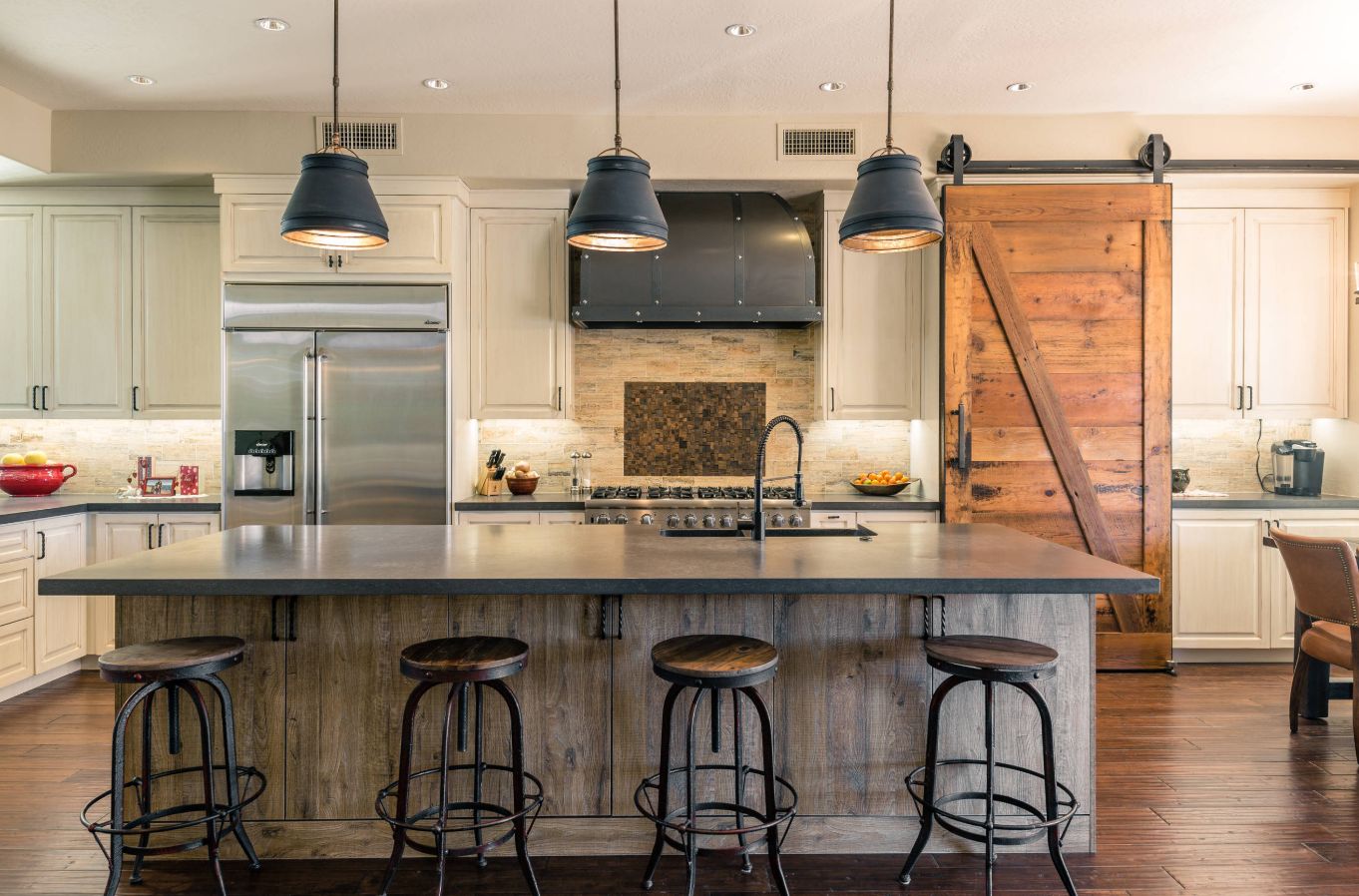
Best Kitchen Lighting Ideas – Kitchen Light Fixtures
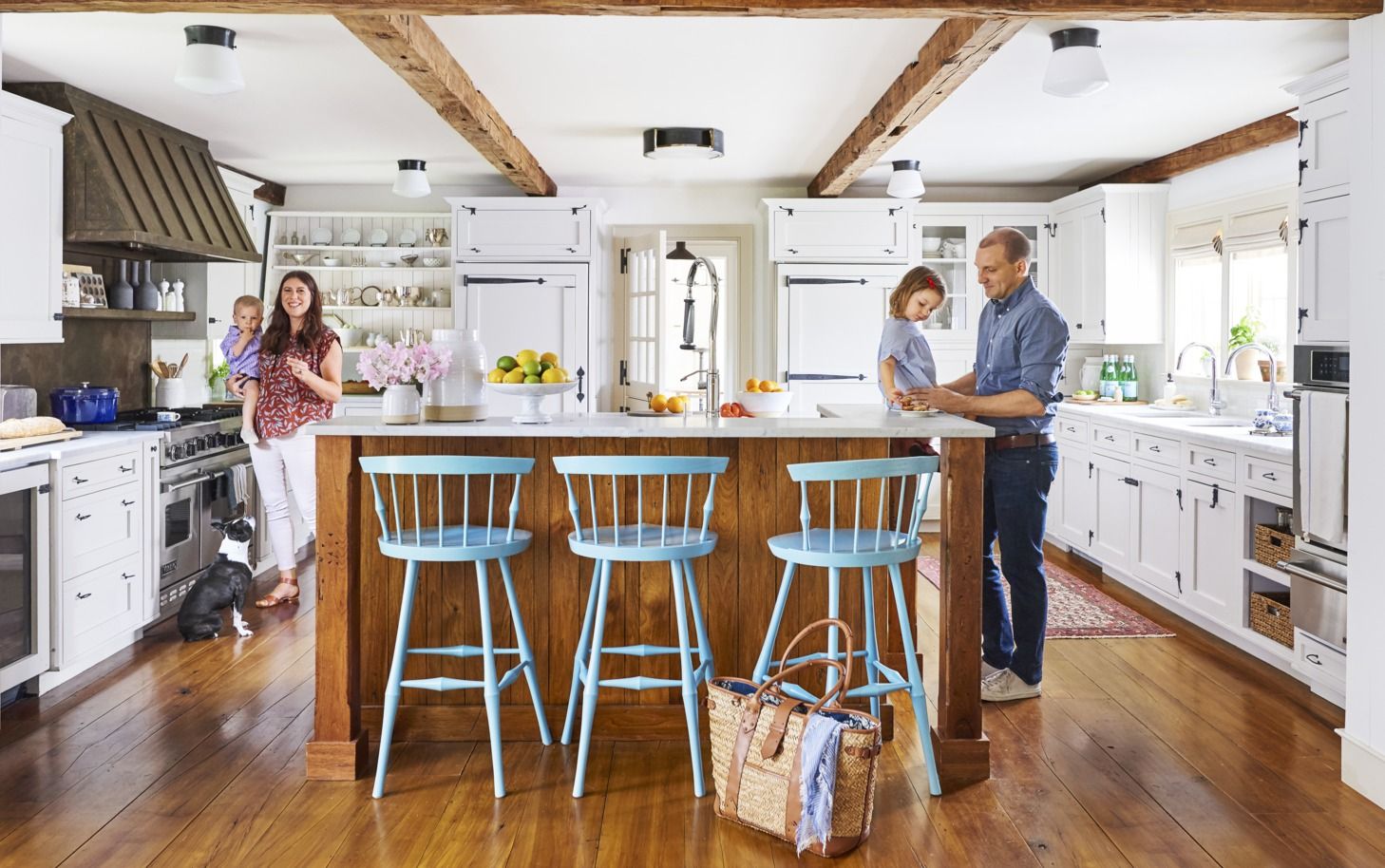
Farmhouse Lighting Ideas For Warm And Homely Decor

Stylish Light Fixtures for Your Kitchen Kitchen Lighting
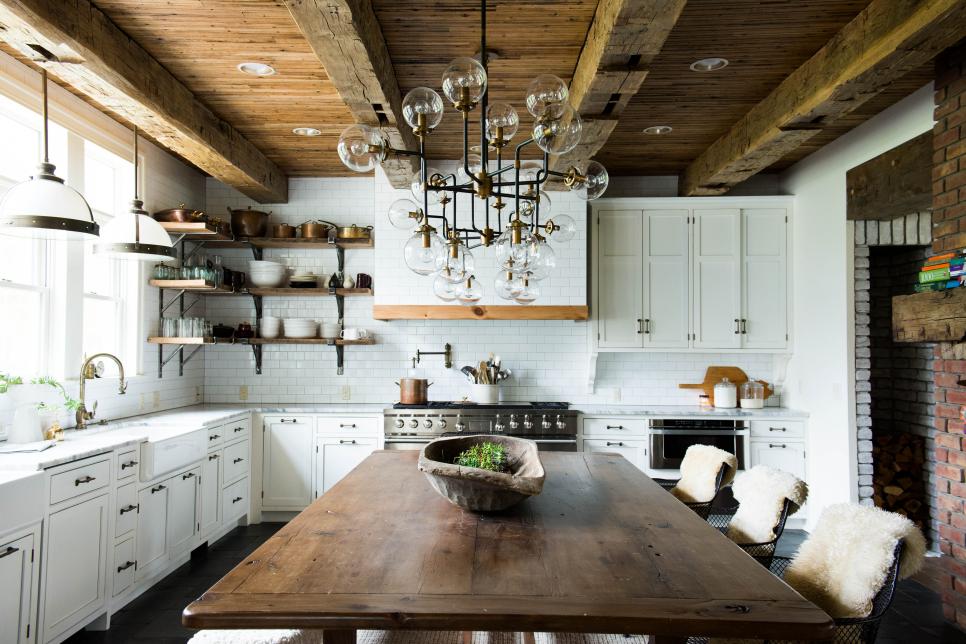
Related Posts:
- Tuscan Kitchen Light Fixtures
- Cottage Kitchen Lighting Ideas
- Country Kitchen Lighting Ideas
- Retro Kitchen Pendant Lights
- Rustic Industrial Kitchen Lighting
- Vintage Kitchen Light Fixtures
- Farmhouse Style Lighting For Kitchen
- Contemporary Kitchen Lighting Design
- Kitchen Bench Pendant Lights
- Kitchen Vanity Lights