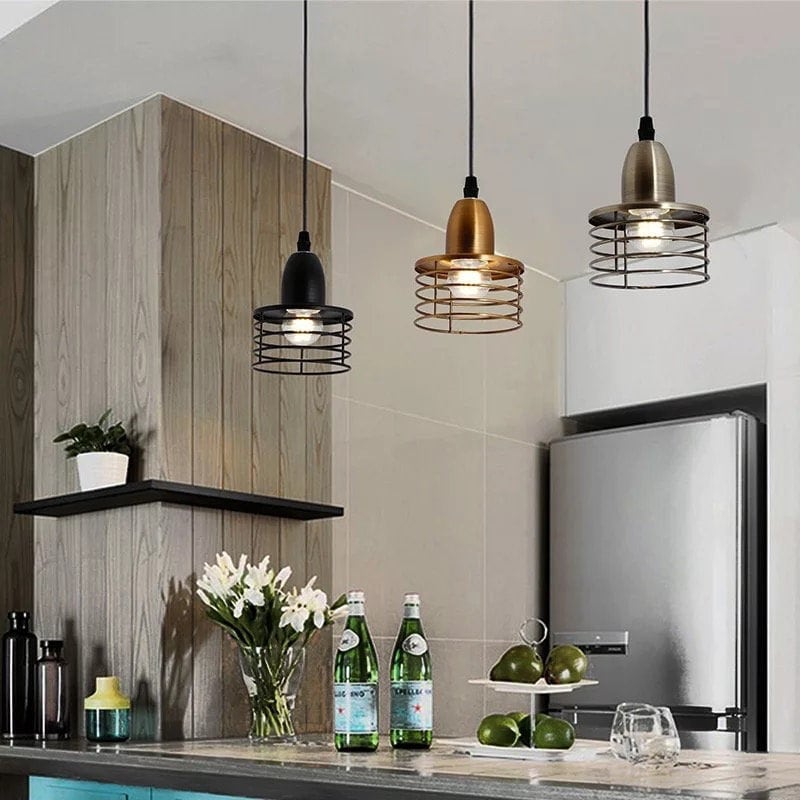
When I started searching for island lighting for my 1960s-inspired kitchen renovation last year, I had no idea how obsessed I’d become with authentic mid-century design details. I spent countless hours scrolling through vintage lighting catalogs, visiting architectural salvage shops, and measuring the exact height specifications for pendant placement. After installing three gorgeous globe pendants with brass accents that perfectly capture that retro vibe, I’ve learned so much about what makes period lighting work in modern spaces. The right fixtures have completely transformed our kitchen island from a simple work surface into a stunning focal point that transports us back to the golden age of design.
Choosing Authentic Retro Lighting Styles
Understanding the distinct lighting styles from different retro eras proved essential for creating an authentic look rather than a confused mishmash. I focused specifically on mid-century modern designs from the 1950s and 1960s, characterized by clean lines, geometric shapes, and materials like brass, glass, and colored enamel. Sputnik chandeliers, globe pendants, cone shades, and atomic-inspired designs dominated this period. I studied original manufacturers like Lightolier and George Nelson to understand what made these pieces genuinely period-appropriate rather than modern interpretations.
The material selection became crucial for achieving an authentic retro character in our kitchen lighting. I chose fixtures with brass finishes that would develop natural patina over time, paired with milk glass globes that diffuse light beautifully while creating that soft, warm glow characteristic of mid-century spaces. Original fixtures used metal, glass, and occasionally colorful enamel, avoiding the plastic and chrome that became popular in later decades. These authentic materials not only look period-correct but also age gracefully in ways that synthetic alternatives cannot replicate.
Color considerations extended beyond just the fixture finish to include how the lighting would interact with our overall retro color scheme. Our kitchen features turquoise cabinets and coral accents, so I needed lighting that would complement rather than compete with these bold choices. The brass and milk glass combination provides neutral sophistication that anchors the space while allowing the colorful elements to shine. I considered colored glass shades, but ultimately chose classic milk glass for its versatility and timeless appeal that won’t feel dated as trends evolve.
Determining the Right Size and Scale
Getting the proportions right for island lighting consumed more thought than I anticipated during the planning phase. Our island measures 7 feet long, and I needed to determine both the size of individual fixtures and how many pendants would provide proper illumination and visual balance. After researching period-appropriate installations and consulting with a lighting designer, I chose three 12-inch globe pendants spaced evenly along the island length. This configuration provides adequate task lighting while creating the repetitive rhythm that defines successful mid-century design.
The relationship between fixture size and ceiling height became critical for achieving both function and aesthetics. Our kitchen has 9-foot ceilings, which provide enough vertical space for substantial pendant fixtures without overwhelming the room. I learned that pendant globes should be roughly one-third to one-half the width of the island for proper visual balance. Fixtures that are too small appear insignificant and fail to provide adequate light, while oversized fixtures can dominate the space and create an unbalanced appearance.
Spacing calculations required careful measurement to ensure even light distribution and pleasing visual rhythm across the island surface. I divided our 7-foot island into thirds, placing pendants at 28-inch intervals starting from the island center. This spacing prevents dark spots between fixtures while creating symmetrical visual appeal. The outer pendants hang approximately 16 inches from each island end, providing coverage for the full work surface. These precise measurements ensure both functional task lighting and aesthetically pleasing proportions that honor mid-century design principles.
Installing at the Perfect Height
Determining the optimal hanging height for our retro pendants involved more trial and error than I expected before achieving the perfect balance. I started with the standard recommendation of 30-36 inches above the island surface, but this felt too low for our specific fixtures and ceiling height. We adjusted to 34 inches, which provides excellent task lighting without blocking sight lines across the kitchen. The slightly lower height creates intimate lighting that defines the island as a distinct zone within the larger kitchen space.
The installation process required careful electrical planning to accommodate three separate pendant fixtures where only one junction box existed previously. My electrician installed a linear canopy that houses all three connections while creating a clean, streamlined appearance consistent with mid-century aesthetics. This approach cost an additional $350 but eliminated visible cords and junction boxes that would have disrupted the period styling. The linear installation also allowed for precise spacing and professional-quality results that individual canopies couldn’t achieve.
Adjustability became an unexpected benefit when we chose pendants with cord systems rather than fixed rods. The adjustable cords allowed fine-tuning of the exact height even after installation, which proved invaluable for getting the proportions absolutely right. I’ve adjusted the height twice over the past year as we’ve lived with the lighting and understood how it functions in daily use. This flexibility means I can adapt the lighting as our needs change without requiring additional electrical work or fixture modifications.
Selecting Bulbs for Authentic Glow
The bulb selection process proved just as important as the fixture choice for achieving an authentic retro ambiance in our kitchen. I initially installed standard LED bulbs, which provided adequate light but felt too harsh and modern for the mid-century aesthetic. After researching period-appropriate lighting, I switched to warm white LED bulbs rated at 2700K that mimic the warm glow of vintage incandescent bulbs. These bulbs cost slightly more but create the inviting, golden light quality essential to mid-century spaces.
Brightness levels required careful consideration to balance task lighting needs with the desire for atmospheric period lighting. I chose 60-watt equivalent bulbs for each globe, providing adequate illumination for food prep and casual dining without creating the bright, clinical feel of modern kitchens. The milk glass shades diffuse the light beautifully, eliminating harsh shadows while providing even illumination across the island surface. This softer lighting approach aligns with mid-century preferences for ambient rather than stark task lighting.
Dimming capability transformed our kitchen island from a purely functional workspace to a versatile gathering spot with appropriate lighting for any occasion. I installed a quality dimmer switch compatible with LED bulbs, allowing us to adjust brightness from full task lighting during meal prep to soft ambient lighting during dinner parties. The dimming function has proven essential for creating different moods throughout the day. Morning coffee feels different with bright, energizing light compared to evening wine with friends under soft, warm illumination that highlights our retro fixtures beautifully.

Coordinating with Other Kitchen Lighting
Integrating the retro island pendants with our kitchen’s other lighting layers required thoughtful planning to create cohesive design and adequate illumination. I chose a matching globe flush-mount fixture for the main kitchen ceiling that echoes the island pendants’ brass and milk glass aesthetic. This repetition creates visual continuity while the different fixture styles define distinct zones within the open kitchen space. The coordinated approach feels intentional rather than matchy-matchy, honoring mid-century preferences for related but not identical fixtures throughout a space.
Under-cabinet lighting provided necessary task illumination for counter work areas while maintaining the retro aesthetic through careful fixture selection. I installed slim LED strip lights with warm color temperature that remain hidden from view, providing functional lighting without introducing modern elements that would clash with our period styling. The under-cabinet lights operate on a separate switch, allowing independent control that’s essential for creating layered lighting appropriate to different activities and times of day.
Accent lighting opportunities throughout the kitchen enhanced the retro atmosphere while highlighting architectural features and decor elements. I added small picture lights above our vintage poster collection and used rope lighting inside glass-front cabinets to showcase our collection of period dishware. These additional lighting layers work together with the statement island pendants to create depth and visual interest. The layered approach prevents any single fixture from working too hard while achieving the warm, inviting atmosphere that defines successful mid-century spaces

Maintaining and Caring for Retro Fixtures
Cleaning our brass and milk glass pendants has become a monthly ritual that keeps them looking showroom fresh while developing beautiful patina on the metal components. I use a soft microfiber cloth with warm water and mild dish soap to clean the milk glass globes, avoiding harsh chemicals that could damage the finish. The brass accents receive gentle cleaning with brass polish every few months, though I’ve learned to embrace the natural tarnishing that adds authentic vintage character. Some areas I polish to a bright shine while leaving others to develop patina, creating the lived-in look that makes the fixtures feel genuinely vintage.
Bulb replacement and electrical maintenance require more attention with vintage-style fixtures than with modern alternatives. I keep spare bulbs on hand since the warm-toned LEDs I prefer aren’t available at every hardware store. Every six months, I check all connections and ensure the cord adjustments remain secure. The brass components need occasional tightening as metal naturally expands and contracts with temperature changes. These minor maintenance tasks take about 30 minutes twice yearly but prevent small issues from becoming major problems.
Long-term care considerations include protecting the fixtures from cooking residue and grease that can accumulate in kitchen environments. I installed a powerful range hood that vents outside, significantly reducing airborne grease that would otherwise coat the pendant globes. Despite this prevention, I still notice some buildup that requires deep cleaning quarterly. I remove the globes completely for thorough washing in warm, soapy water, which restores their bright white appearance. This extra effort maintains the fixtures’ visual impact while extending their lifespan significantly through proper care and attention.

How many pendant lights do I need over my kitchen island?
I use three pendants for our 7-foot island, which provides even light distribution and visual balance. For islands 5-6 feet long, two pendants work well. Islands 8 feet or longer may need four fixtures. Space pendants evenly with approximately 24-30 inches between fixtures. Odd numbers (3 or 5) often create more dynamic visual interest than even numbers for mid-century styling.
What’s the best height to hang retro pendant lights over an island?
I hang our pendants 34 inches above the island surface, which provides excellent task lighting without blocking sight lines. Standard recommendations suggest 30-36 inches, but optimal height depends on your ceiling height and fixture size. Start at 32 inches and adjust based on your space. Use adjustable cord systems if possible to fine-tune after installation for your specific needs.
Should I choose authentic vintage fixtures or modern reproductions?
I chose quality reproductions for reliability and consistency. Vintage fixtures offer authentic character but may need rewiring for safety, have incompatible sockets, or show wear that affects function. Good reproductions capture period styling with modern electrical standards and consistent quality. They’re also easier to find in matching sets. I did incorporate one authentic vintage piece as accent lighting for character.
How do I clean brass and milk glass retro light fixtures?
I clean milk glass monthly with warm water and mild dish soap using microfiber cloths. For brass, I use brass polish every 2-3 months, though I let some areas naturally patina for authentic vintage character. Avoid harsh chemicals on either material. Remove globes quarterly for deep cleaning in soapy water. Dust weekly to prevent buildup that’s harder to remove later.

What bulb type creates authentic retro lighting atmosphere?
Use warm white LED bulbs at 2700K to mimic vintage incandescent glow without the heat and energy consumption. I use 60-watt equivalents in each globe for adequate task lighting. Avoid cool white or daylight bulbs that feel too modern and harsh. Dimmable bulbs provide versatility for different moods. The warm color temperature is essential for an authentic mid-century ambiance in retro kitchens.
Can retro lighting work in a modern kitchen design?
Absolutely! I’ve seen stunning kitchens mixing retro island lighting with contemporary cabinets and appliances. The key is intentional selection rather than throwing in random vintage pieces. Choose fixtures with clean lines that complement modern aesthetics while adding period character. Brass and glass work particularly well across design styles. Balance is crucial; decide whether lighting is your main retro element or part of a larger vintage-inspired design.

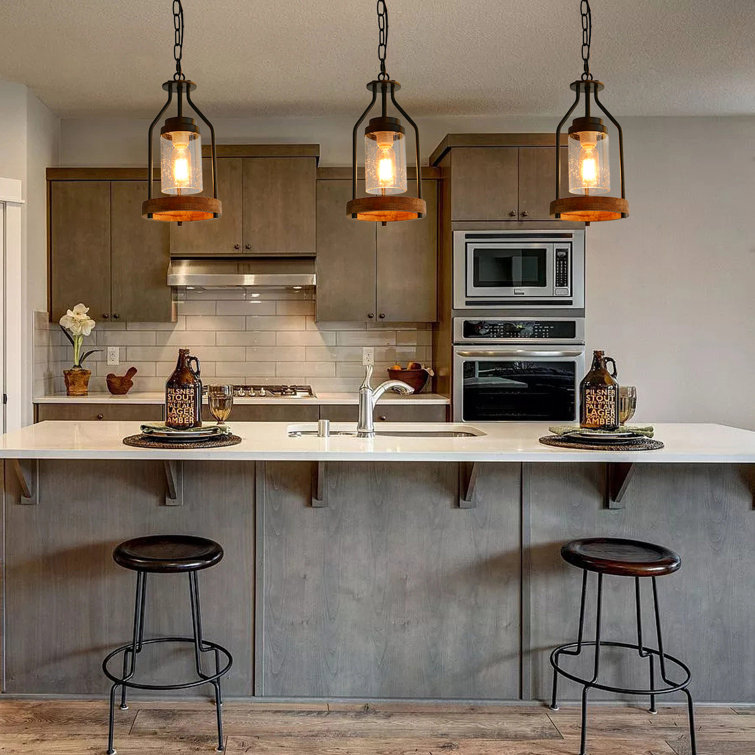
Rustic Cylinder Pendant Light Retro Island Pendant Lighting Fixture, Farmhouse Kitchen Hanging Ceiling Light With Glass Shade For Bedroom Living Room
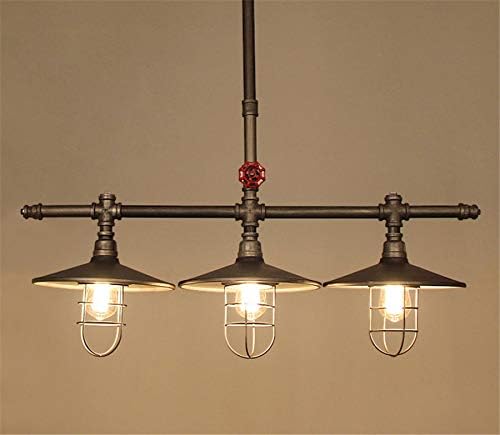
Industrial Retro Vintage Style Island Light, NIUYAO Farmhouse Industry Steam Punk Water Pipe Rustic Saucer Pendant Lighting for Dining Room, Kitchen
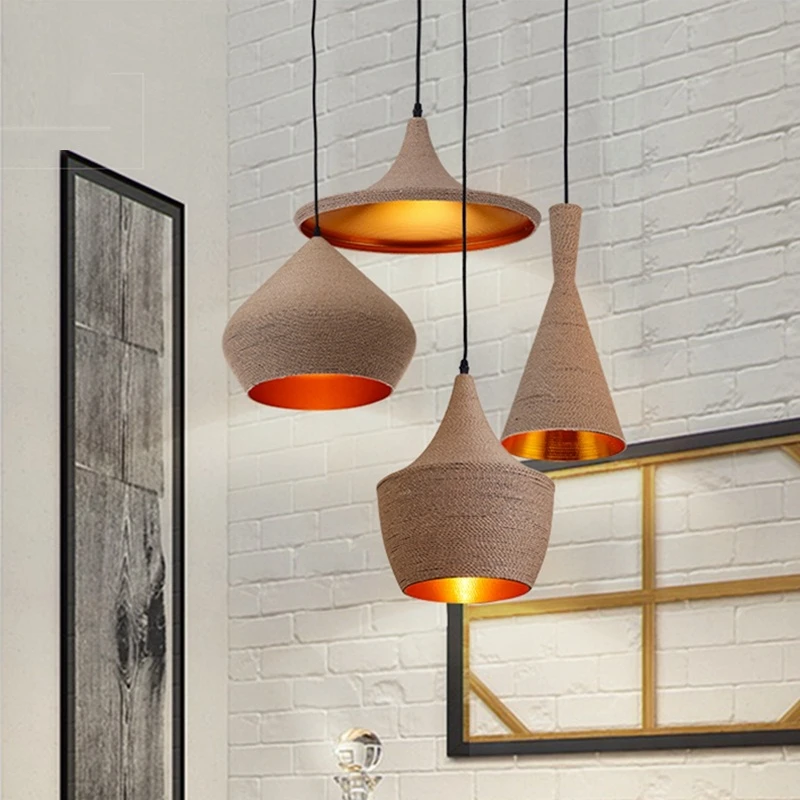
Nordic Modern Pendant Lights Kitchen Lamp Vintage Loft Ceiling Kitchen Island Hanglamp Dining Room Rope Hanging Light Fixture
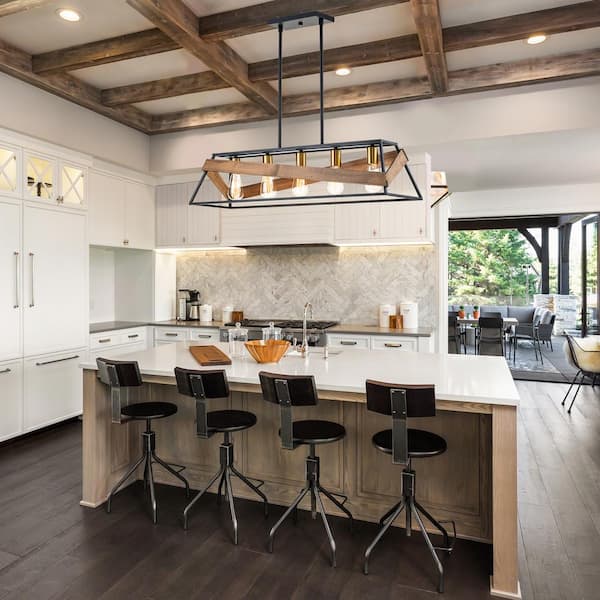
Edvivi Elk 5-Light Black and Antique Gold with Vintage Wood
Kitchen Pendants Lights Over Island
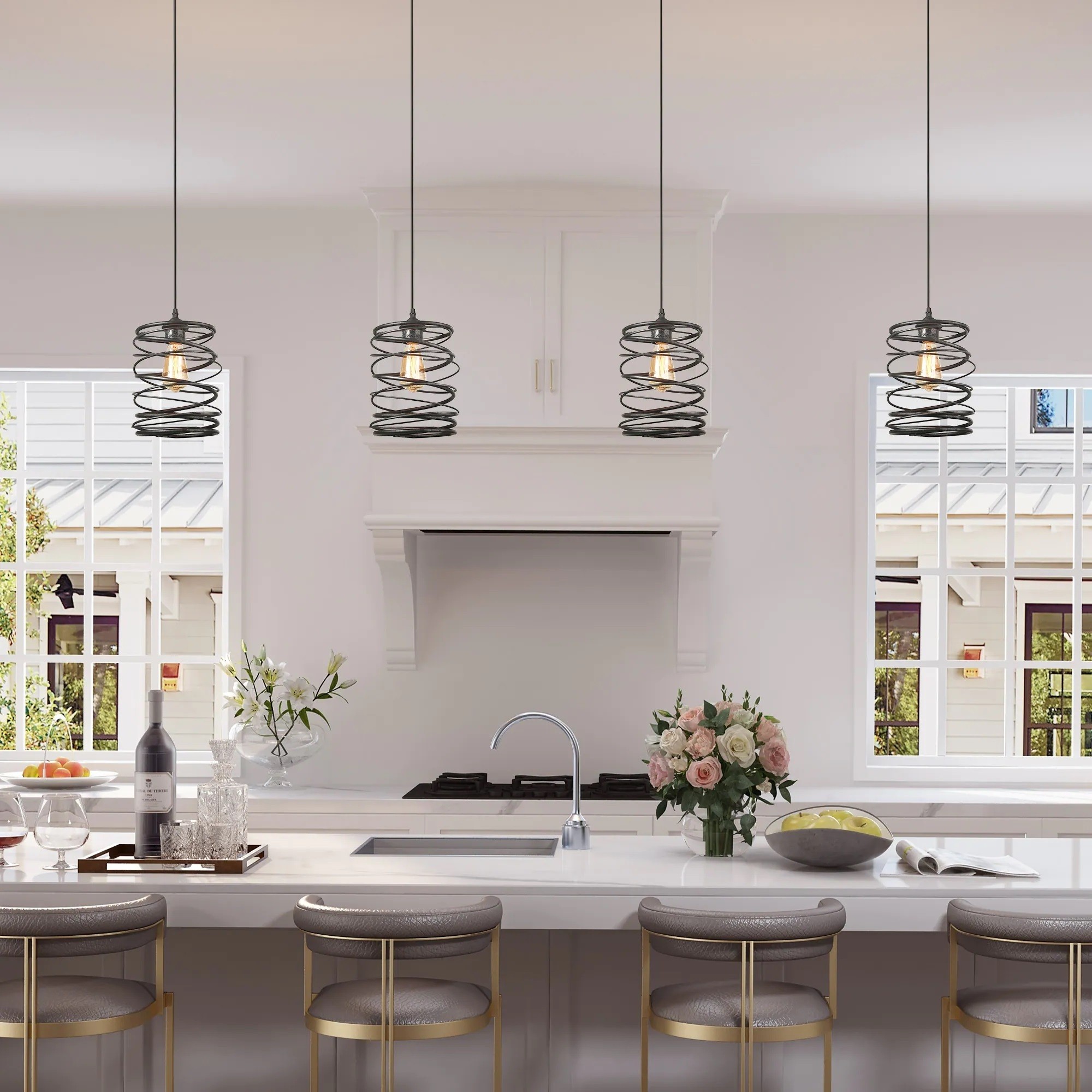
Retro Pendant Lights Kitchen Island Hanging Lamp Metal
Related Posts: